What a Heavy-Load Idler Does
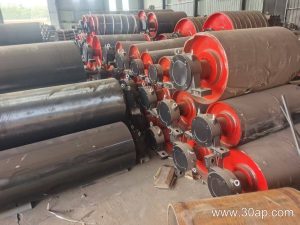
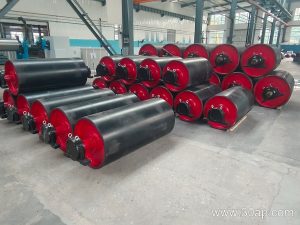
A heavy-load idler is the load-bearing roller that supports the conveyor belt and the material on it where tonnage, lump size, and impact are high. In a quarry, a limestone mine, or a primary crushing circuit, the belt may carry large rock and abrasive aggregate, so the idler must keep its shape and keep the belt tracking without frequent attention. The same product is also called a heavy-duty idler roller, and both names refer to the same component. Drive pulleys, tail pulleys, and bend pulleys are different parts of the conveyor and are not interchangeable with an idler.
Construction and Bearing Choices
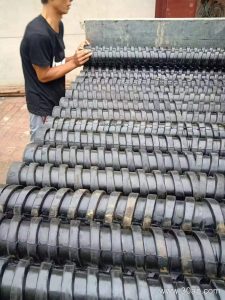
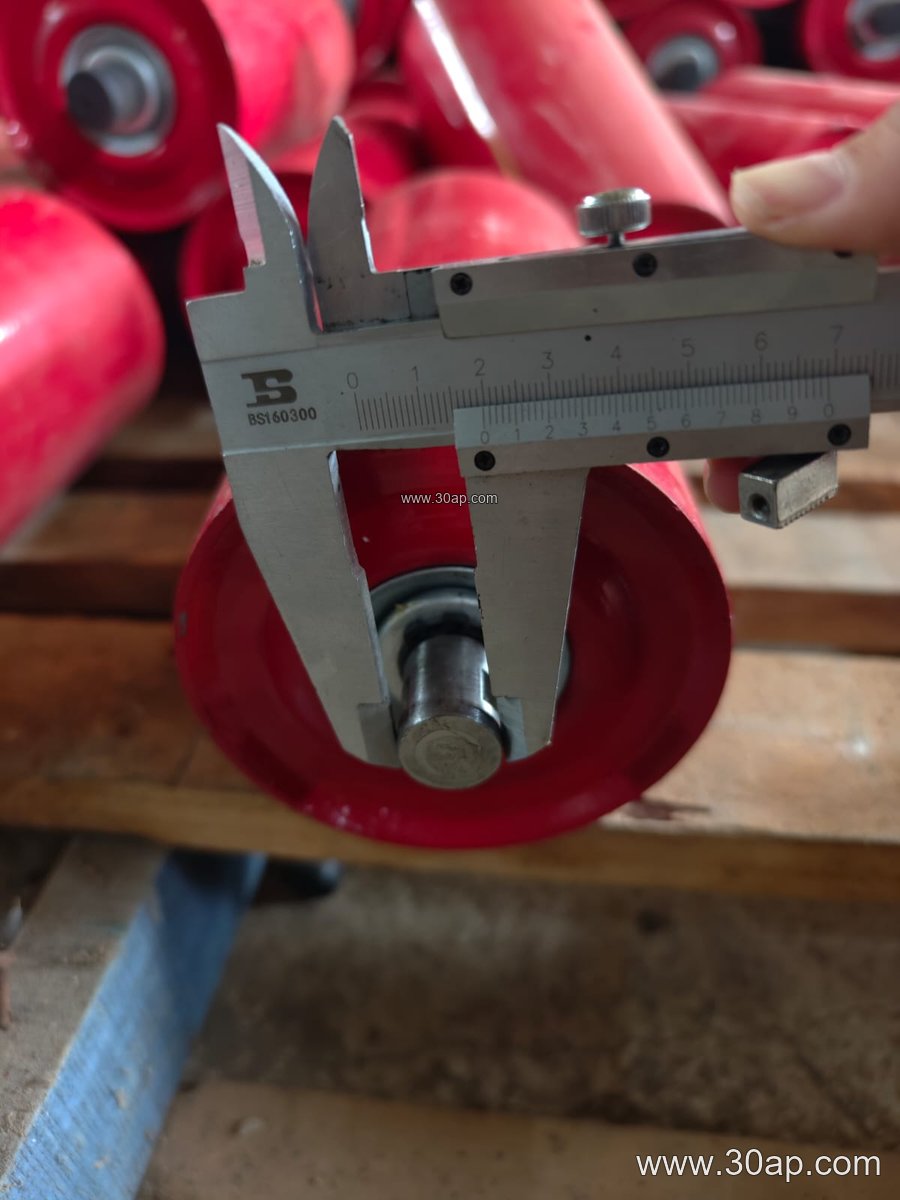
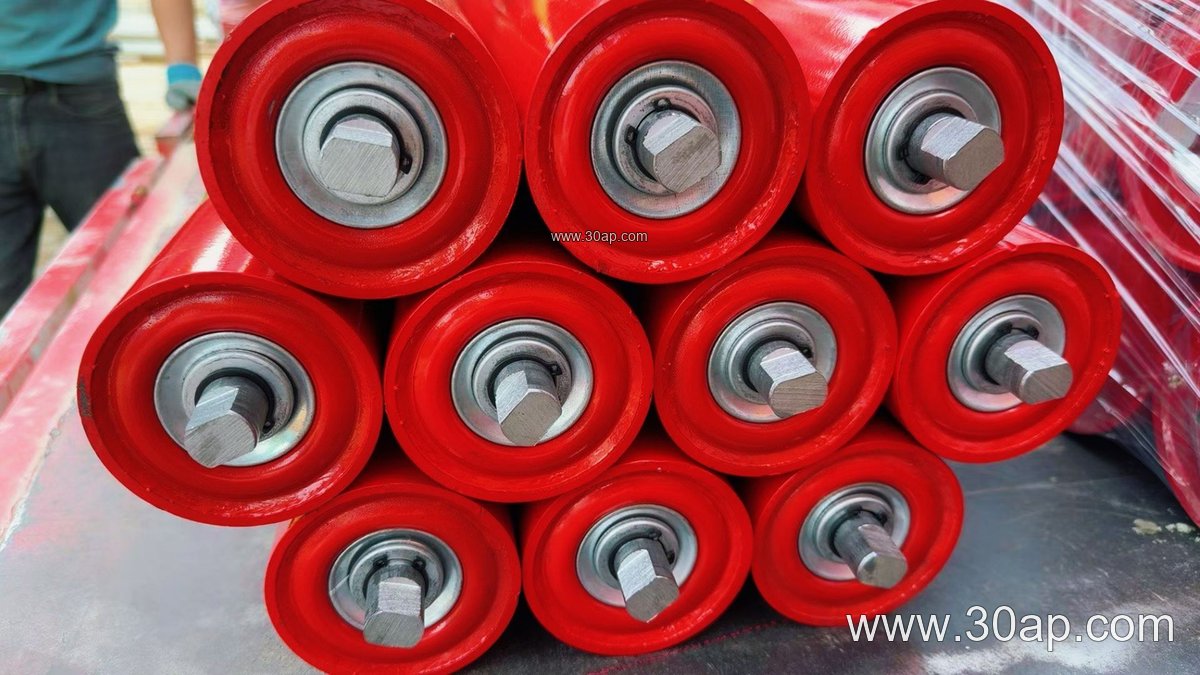
The roller body is usually a thick-wall steel tube, with end caps welded or pressed in and a shaft running through the bearings. Bearing selection follows the load and speed: common sizes include 6205, 6305, 6306, 6308, and 6310, and no single bearing is tied to one roller diameter. Sealing matters in dusty or wet conditions, because fine grit that reaches the bearing shortens service life. Roller surfaces may be plain steel, nylon, ceramic, or rubber rings; rubber rings are often used on impact sections to cushion falling material. A heavy-load idler should be matched to the conveyor bracket and frame so the shaft sits correctly and the roller turns freely.
Where It Fits on the Conveyor
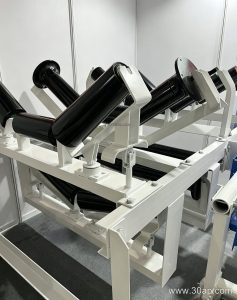
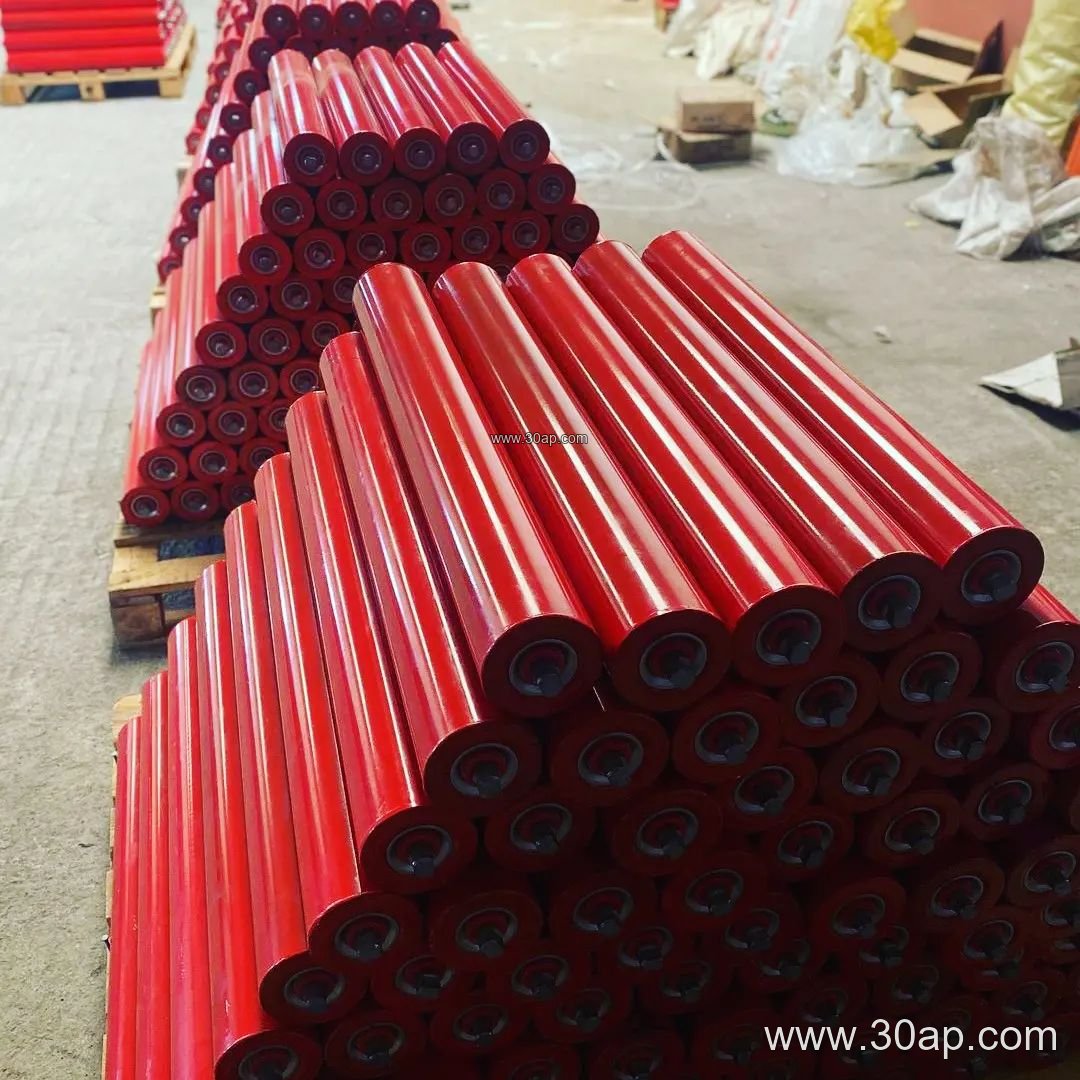
Heavy-load idlers are commonly used on the carrying side in three-roll trough sets, where the side rollers form a trough that keeps bulk material centered. Common trough angles are 20, 30, 35, and 45 degrees, and the choice affects how the belt holds the load. In a sand and gravel line or a cement plant, transition idlers may be placed near the head and tail to ease the belt from flat to troughed. On the return side, a heavy-duty return roller or V-return set supports the empty belt. Impact idlers with rubber rings are placed under loading points such as a crusher discharge, while self-aligning idlers help correct belt drift on long runs. These are different idler subtypes; they can complement a heavy-load idler but do not replace it.
Common Sizes and Matching to Belt Width
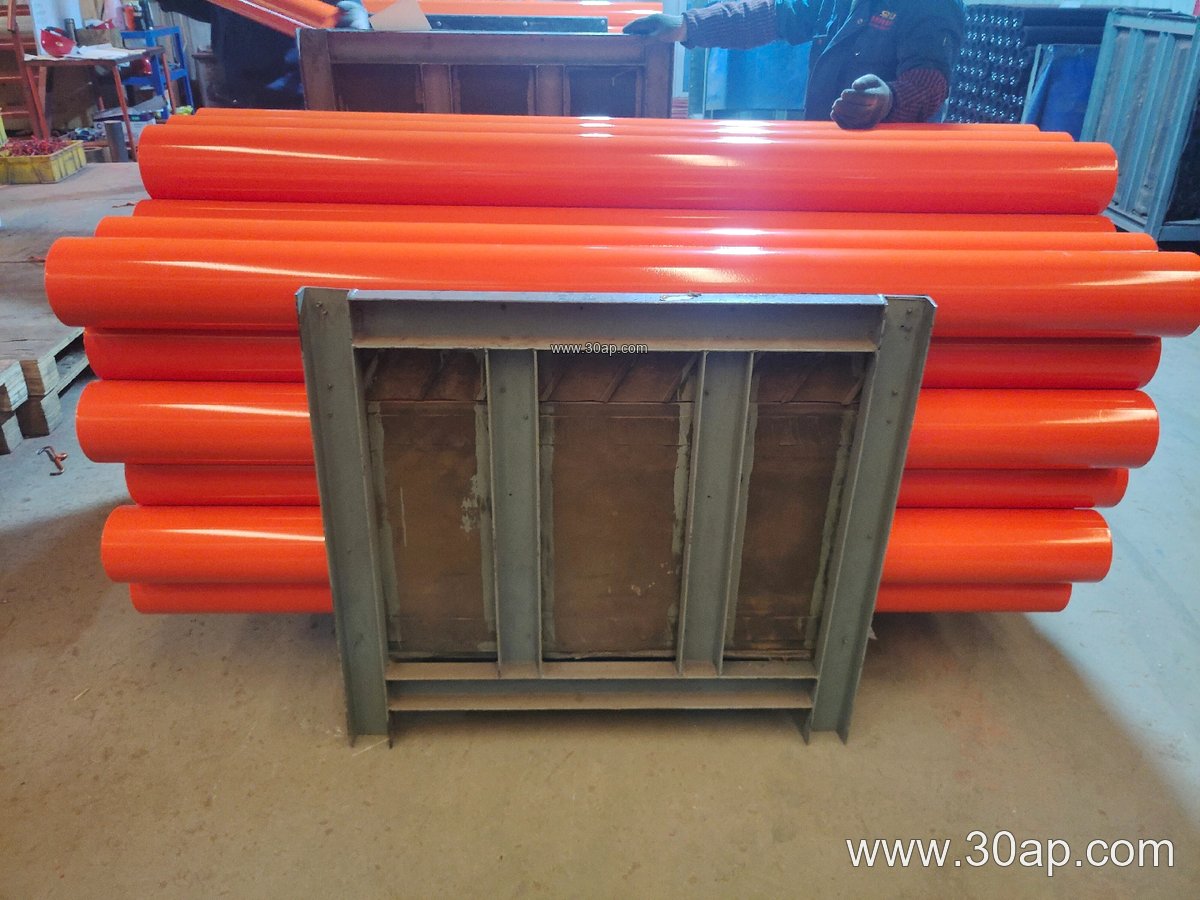
Roller diameter and length are selected from the belt width, the trough angle, and the idler set form. The table below gives common reference values, not fixed combinations. Roller length changes with belt width and set type, and side rollers and center rollers can differ.
| Belt width | Common roller diameter | Typical roller length for three-roll trough |
|---|---|---|
| B500 | Ø76, Ø89 | about 200 mm |
| B650 | Ø89, Ø102 | about 250 mm |
| B800 | Ø89, Ø108 | about 315 mm |
| B1000 | Ø108, Ø127, Ø133 | about 380 mm |
| B1200 | Ø127, Ø133, Ø159 | about 465 mm |
| B1400 | Ø133, Ø159, Ø178 | about 530 mm |
| B1600 | Ø159, Ø178, Ø194 | about 600 mm |
| B1800 | Ø178, Ø194, Ø219 | about 670 mm |
Other diameters such as Ø63 and Ø219 exist for lighter or very heavy positions. A 1200mm wide conveyor belt may use a different roller diameter depending on load and speed, so the table is a starting point for discussion, not a rule.
Buyer Checklist
- Confirm the belt width and the idler set form, because a three-roll trough set and a single-roll set use different roller lengths.
- State the material, lump size, and loading method so impact idlers or rubber-ring rollers can be considered at transfer points.
- Check the shaft end and bracket dimensions against the existing conveyor bracket.
- Ask about bearing size and sealing for dusty or wet service, especially in coal mining or underground mining conveyors.
- For abrasive duty, consider a high abrasion resistant conveyor belt alongside heavy-duty rollers; for hot material, a heat resistant conveyor belt may be needed.
- Keep spare rollers for high-wear positions and inspect for seized bearings or worn shells during scheduled shutdowns.
Heavy-load idlers are a small part of the conveyor cost but a large part of its uptime. Matching the roller to the belt, the load, and the environment is more useful than choosing by diameter alone. Whether the plant handles iron ore, copper ore, cement clinker, or power plant coal, the same principle applies: support the belt steadily, keep dust out of the bearings, and replace worn idlers before they damage the belt.