Conveyor Belt Selection: Material and Construction Matter
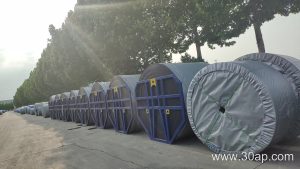
The conveyor belt is the backbone of modern material handling, directly impacting throughput, safety, and maintenance costs. Selecting the wrong belt can lead to frequent downtime, product damage, or even workplace injuries.
Key Factors in Conveyor Belt Purchasing
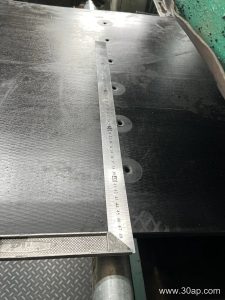
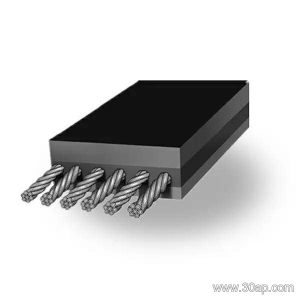
- Belt Material: For abrasive bulk goods, choose rubber with high tear resistance. For food processing, opt for FDA-approved thermoplastic or stainless-steel mesh belts.
- Load and Tension: Calculate the maximum load per meter and the required tensile strength (e.g., EP fabric or steel-cord reinforcement) to avoid stretching or rupture.
- Environmental Conditions: Heat, oil, chemicals, or outdoor UV exposure demand specialized compounds—check temperature ranges and chemical compatibility before ordering.
- Surface Profile: Smooth belts suit flat items; cleated or chevron patterns prevent slippage on inclines. For fragile goods, consider a soft top cover or low-friction underside.
Practical Advice for Buyers
Always request a belt specification sheet and compare belt thickness and splice type. Measure your existing pulley diameters and center distance to ensure correct belt length. Also, ask about anti-static or fire-retardant options if your site has strict safety regulations. Finally, prioritize belts with easy splicing kits and local supplier stock to reduce replacement lead times.
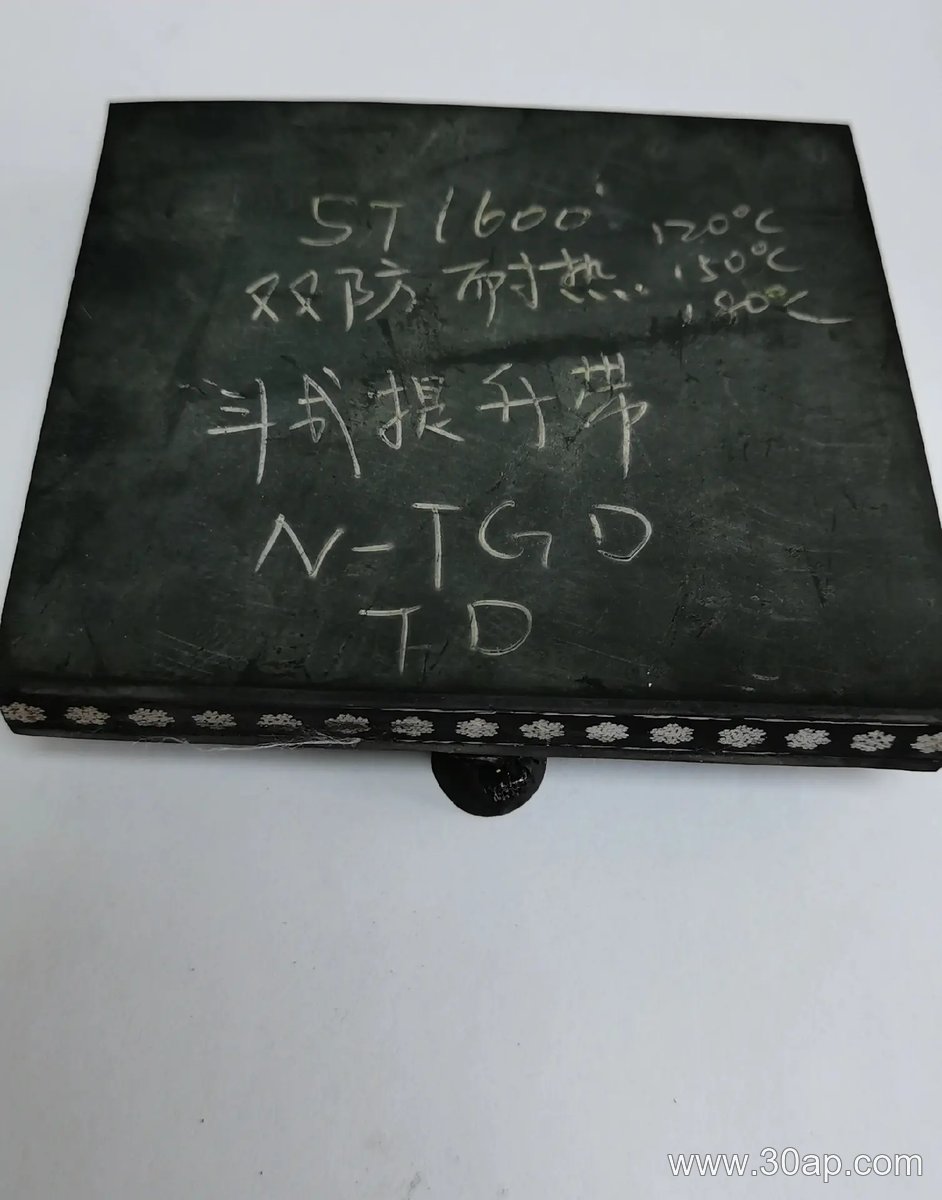
Investing in a high-quality conveyor belt is a long-term decision—test a sample under your actual operating speed and load profile before committing to a full order.
Idler Roller: The Backbone of Your Conveyor System
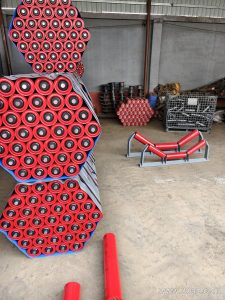
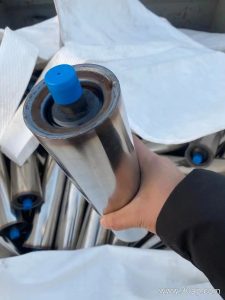
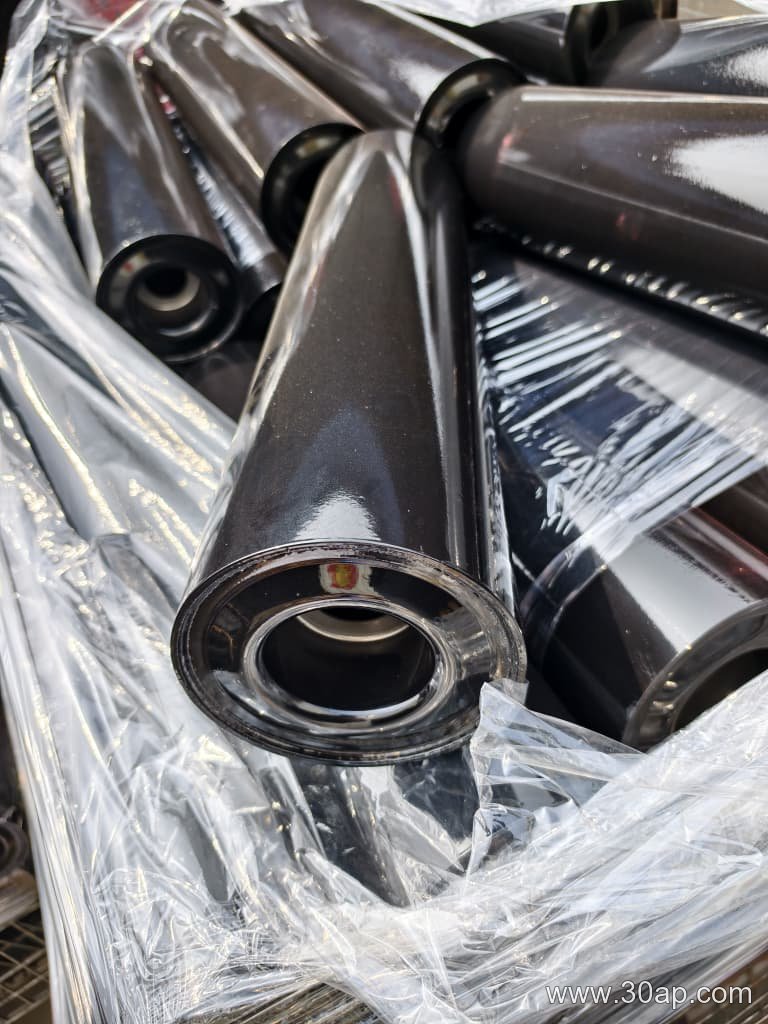
An idler roller may seem like a simple component, but it directly impacts belt tracking, energy consumption, and overall material handling efficiency. Selecting the correct idler roller prevents costly downtime and premature belt wear.
Key Selection Criteria
- Load rating: Match the roller’s dynamic load capacity to your bulk density and belt speed.
- Roller diameter: Larger diameters reduce belt sag and friction, ideal for long conveyors.
- Sealing system: Choose labyrinth or contact seals based on dust and moisture exposure.
Material and Design Options
Steel idler rollers offer high strength, while HDPE or rubber-coated variants are better for corrosive or abrasive environments. For high-speed applications, precision bearings with low runout are essential.
Purchasing Advice
- Always request a troughing angle (20°, 35°, or 45°) that matches your existing frame.
- Verify shaft end dimensions and belt width compatibility before ordering.
- Buy from manufacturers that provide load test data and warranty coverage.
Invest in quality idler rollers with proper maintenance access — they are the most cost-effective upgrade for extending conveyor life.
Why the Conveyor Pulley Demands Your First Attention
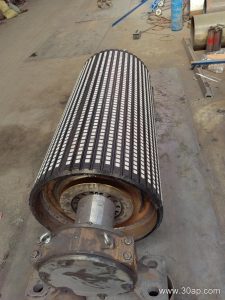
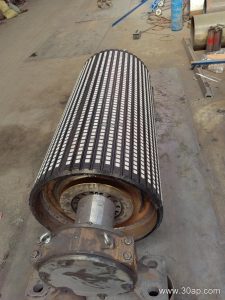
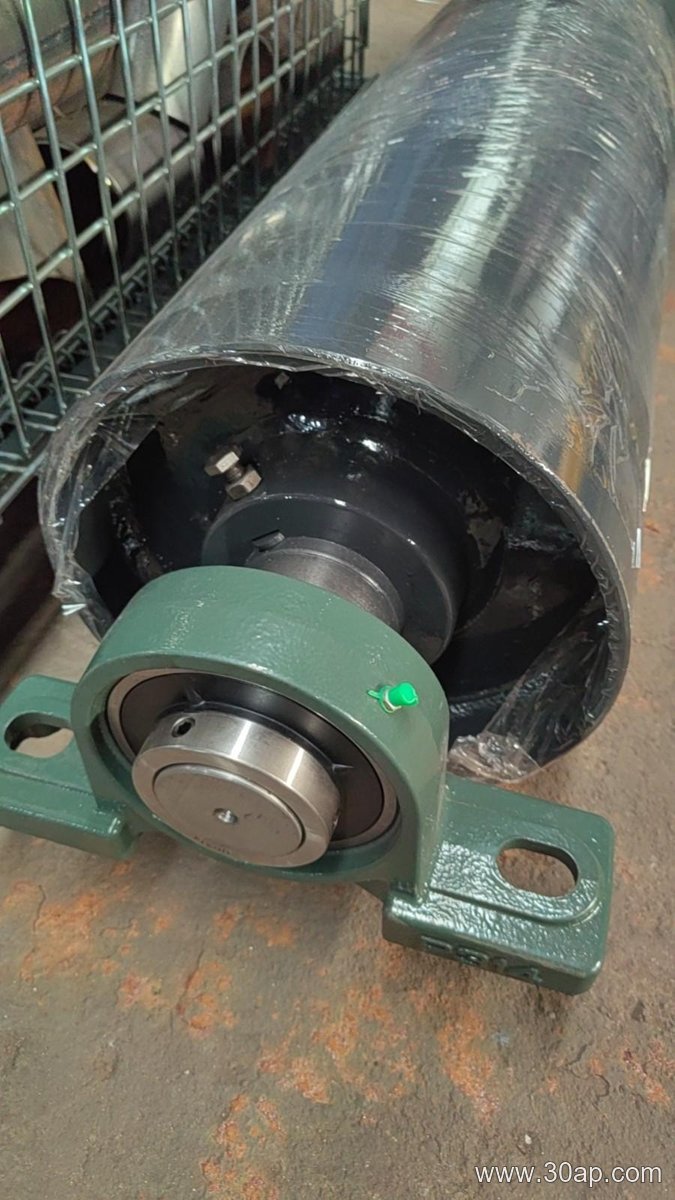
Every bulk handling system leans on its conveyor pulley—the cylindrical component that drives, redirects, or tensions the belt. A poorly chosen pulley causes belt slippage, misalignment, and premature component failure. Before comparing motors or belts, engineer your pulley specification: diameter, face width, shaft strength, and lagging type determine the entire conveyor’s uptime.
Key Technical Considerations for Purchasing
- Diameter and shaft load: Calculate the required minimum diameter from belt tension and wrap angle to avoid excessive bending stress on the shaft and belt carcass.
- Lagging material: For drive pulleys, use ceramic or rubber lagging to increase friction; for non-drive pulleys, plain steel may suffice unless material buildup is an issue.
- Bearing and hub design: Choose self-aligning spherical roller bearings and taper-lock hubs for easy maintenance and accurate concentricity.
Selection and Purchasing Advice
Always request the pulley’s dynamic balancing certificate and confirm the shell thickness meets your impact load. Ask for a crown profile on the face width—a 1–2 mm convexity helps self-centering the belt. For harsh environments, specify stainless steel or epoxy-coated shells. When sourcing, compare not just price but also lead time, warranty, and ability to supply matching bushings. Verify the pulley’s compliance with CEMA or ISO standards for your region. Finally, order one spare pulley for critical conveyors; downtime costs far exceed inventory holding.
Why the Conveyor Bracket Defines System Reliability
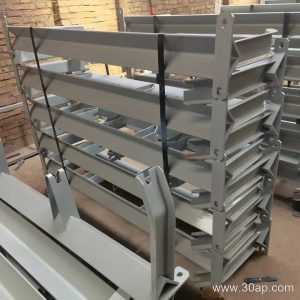
The conveyor bracket is the structural intermediary between your belt or roller path and the supporting frame. Often overlooked, a poorly selected bracket introduces vibration, misalignment, and premature wear on rollers and belts. For industrial buyers, understanding bracket geometry, material grade, and mounting style is as critical as choosing the drive motor.
Key Selection Criteria for Conveyor Brackets
Before purchasing, evaluate three load-bearing factors: static weight, dynamic shock, and environmental exposure.
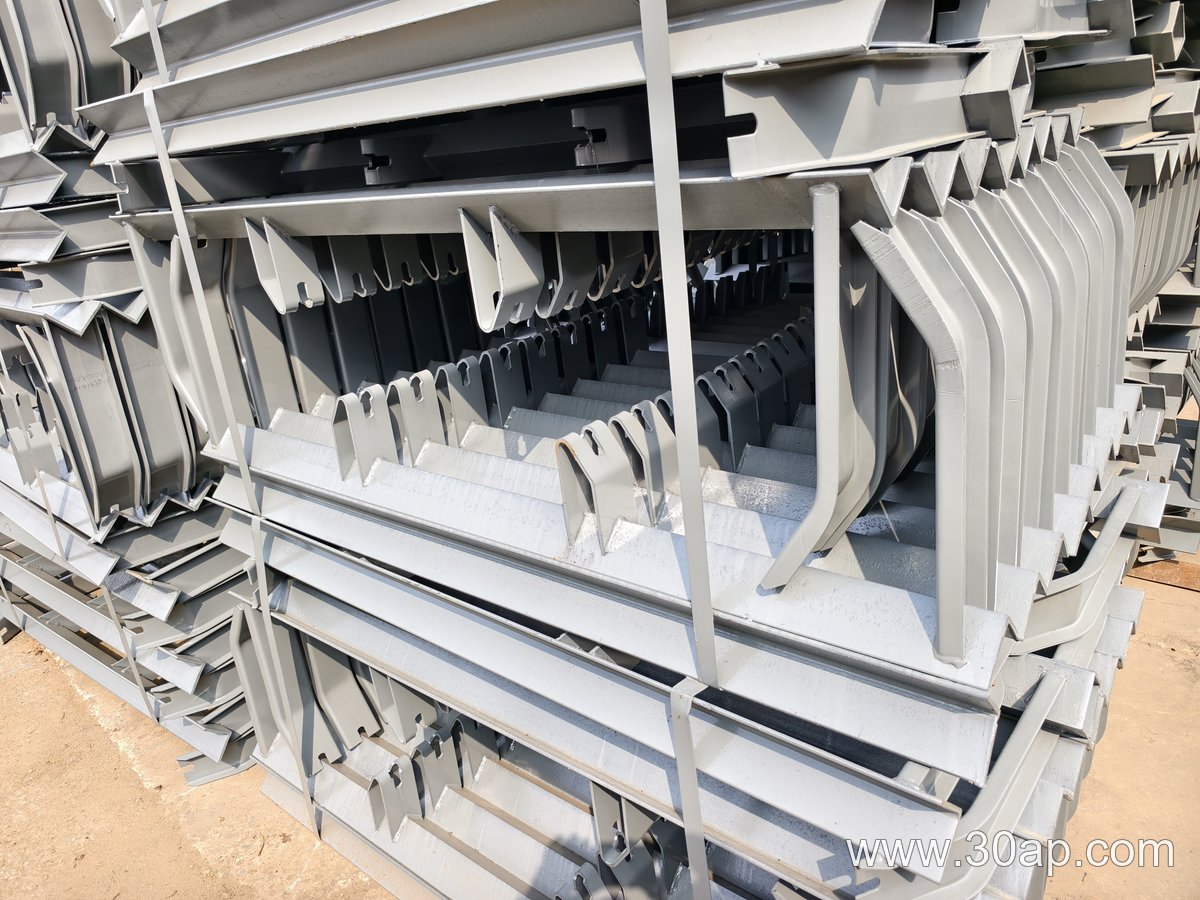
- Material: Powder-coated steel suits dry, indoor lines; stainless steel (304 or 316) is mandatory for washdown or corrosive zones.
- Adjustability: Slotted or pivoting brackets allow fine tracking alignment, reducing belt edge damage by up to 30%.
- Compatibility: Verify C-channel width, bolt pitch, and roller shaft diameter – never assume universal fit.
Installation and Maintenance Advice
Always torque mounting bolts to the manufacturer’s spec – overtightening distorts the bracket seat. For high-cycle lines, use brackets with reinforced gussets to resist fatigue cracking. Inspect monthly for weld pitting or galvanic corrosion, especially where dissimilar metals meet.
When sourcing, request load test certificates and ask about cold-roll versus hot-roll steel forming – cold-rolled brackets hold tighter tolerances for precision roller spacing.