What Pulley Custom Machining Involves
Pulley custom machining is the process of manufacturing conveyor pulleys to match the specific mechanical and dimensional requirements of a conveyor system. Unlike off-the-shelf pulleys, custom-machined pulleys are tailored to fit the belt width, load conditions, and environmental factors of each installation. This approach is common in industries such as mining, cement, power generation, and quarrying, where standard pulleys often fall short. For example, a coal mining conveyor belt system may require a drive pulley with a specific diameter and lagging pattern to handle high torque and abrasive material, while a quarry conveyor belt might need a tail pulley designed to shed debris effectively.
Construction and Key Components
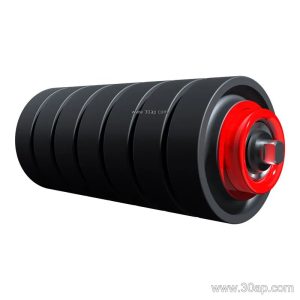
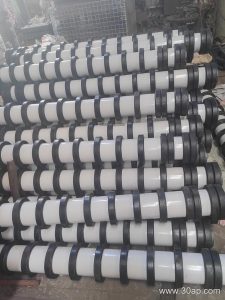
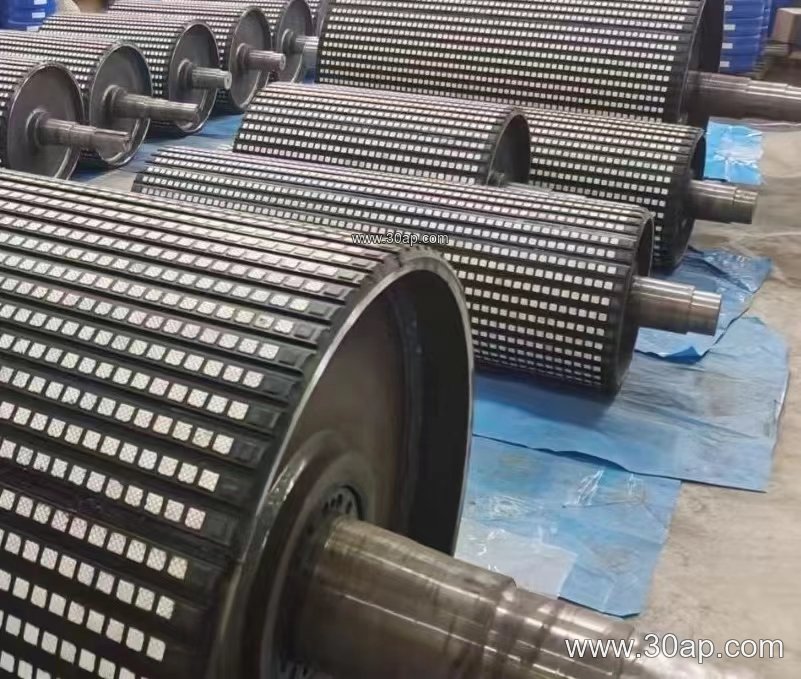
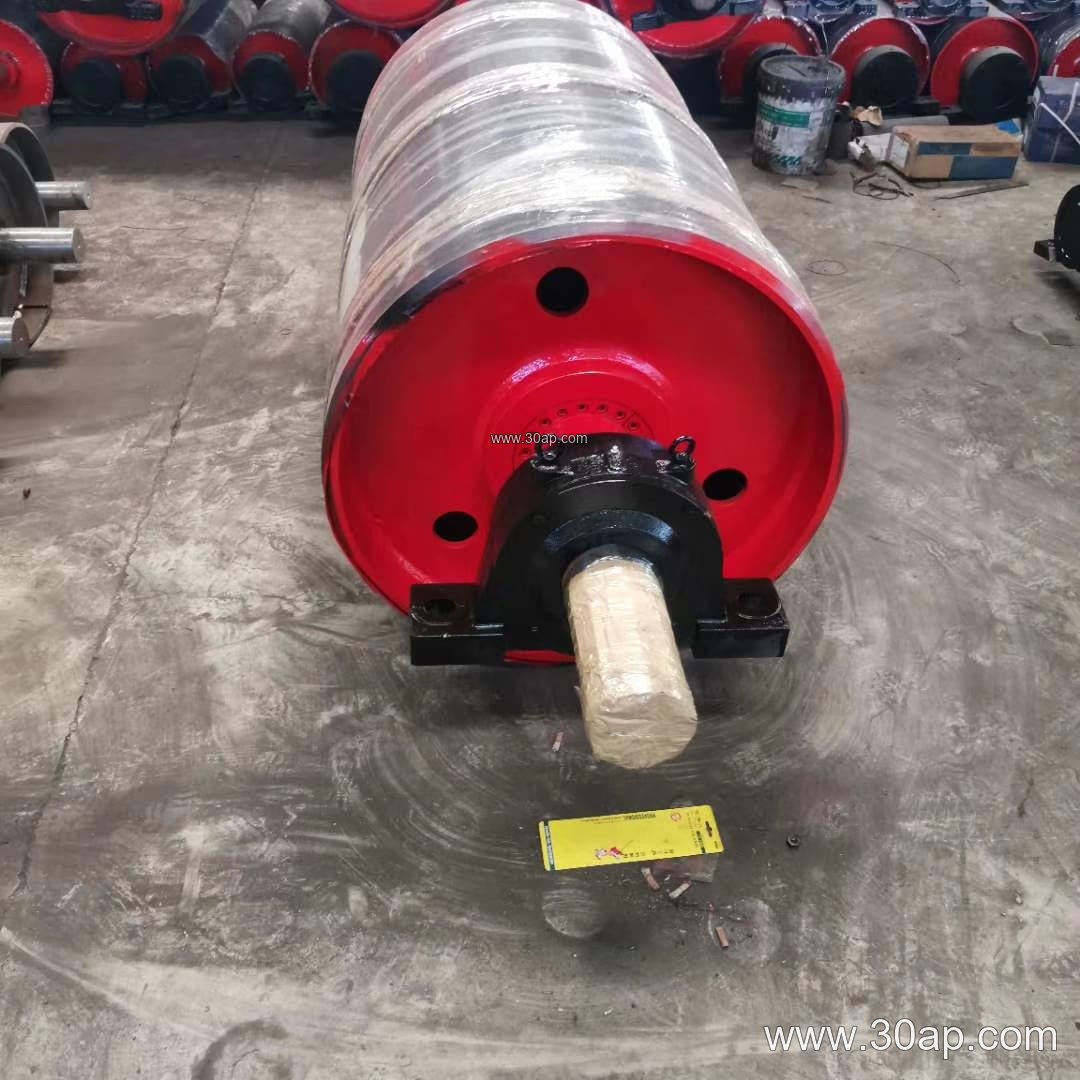
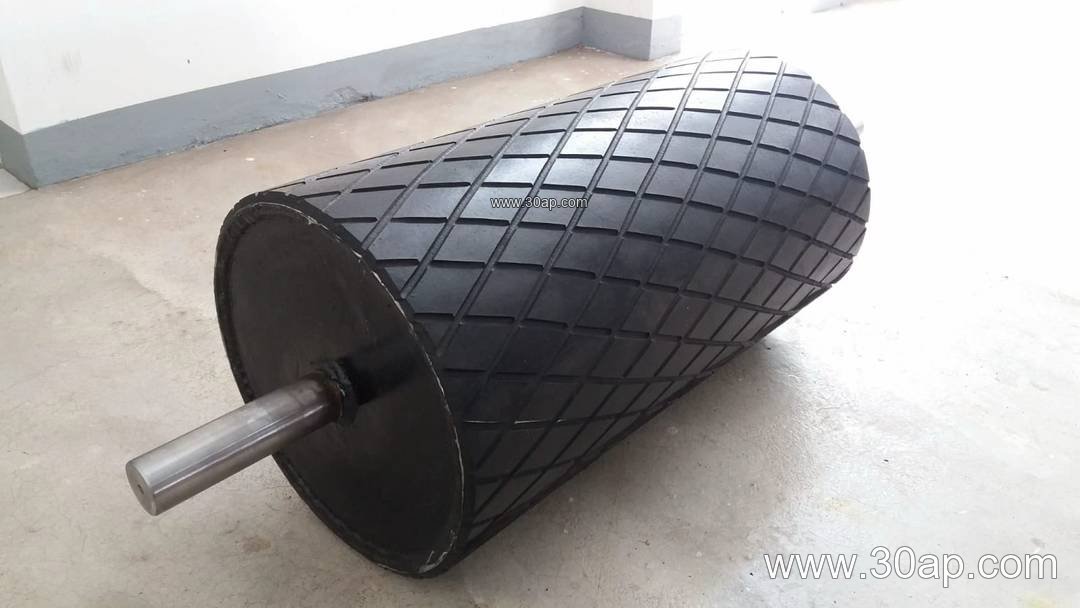
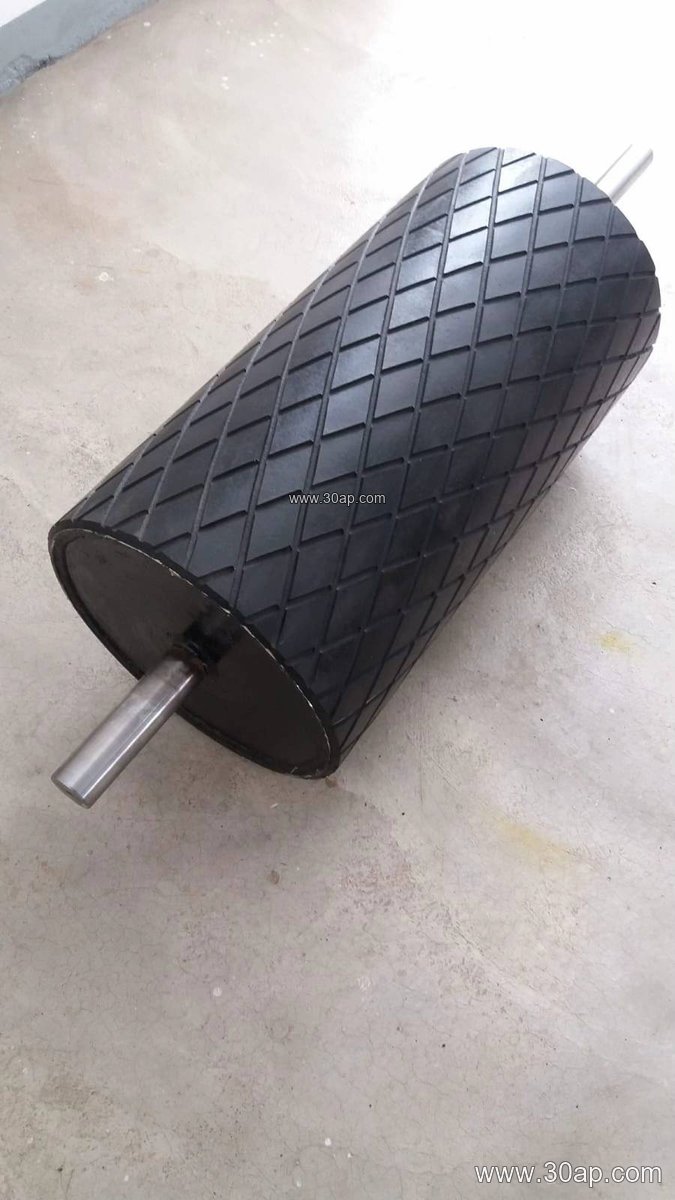
A custom-machined pulley typically consists of a cylindrical shell, end discs, a shaft, and a lagging surface. The shell is usually made from steel pipe or rolled plate, machined to precise tolerances. The shaft is sized based on torque and load, with common diameters ranging from Ø50 to Ø200 mm, though larger sizes are available for heavy-duty applications. The connection between shaft and end discs can be welded or bolted, depending on the design. Lagging, when required, is applied to the shell to improve friction between the pulley and the conveyor belt. Options include plain, cast rubber, cold-bonded rubber, hot-vulcanized rubber, diamond pattern, herringbone, and ceramic lagging, with thicknesses commonly between 8 and 20 mm.
Types and Their Roles
Custom machining applies to several pulley types, each serving a distinct function. Drive pulleys transmit power to the belt, tail pulleys support the belt at the loading end, and bend pulleys change the belt direction. These are not interchangeable; a drive pulley must be designed for torque transmission, while a tail pulley focuses on belt support and material shedding. Other types include tension pulleys for maintaining belt tension, snub pulleys for increasing wrap angle, and wing pulleys for self-cleaning in sticky material applications. When specifying a custom pulley, it is essential to identify the correct type for the position in the conveyor.
Applications Across Industries
Pulley custom machining finds use in a wide range of bulk material handling operations. In the aggregate industry, crusher conveyor belts and screen plants rely on pulleys that withstand constant impact and abrasion. Cement plants use custom pulleys on clinker and raw material conveyors, where heat and dust are concerns. Power plants handling coal require pulleys that resist wear and maintain alignment. Port facilities and ship loading operations demand large-diameter pulleys for high-capacity conveyor belts. Each application dictates specific features: for instance, a pulley for an underground coal mining conveyor belt may need flame retardant lagging and anti-static properties, while a pulley in a food processing plant might require a smooth, cleanable surface.
Specification and Sizing Considerations
When specifying a custom pulley, several parameters must be defined. Belt width is a primary driver, with common widths from B400 to B2400 mm. The pulley face width is usually slightly wider than the belt, for example, a B800 belt might use a pulley with a 950 mm face width. Diameter selection depends on belt speed, torque, and space constraints; typical diameters range from Ø200 to Ø1800 mm. The shaft diameter is determined by the required torque and bending loads, not simply by belt width. Lagging type and thickness are chosen based on the coefficient of friction needed and environmental conditions. For reference, a B1200 conveyor might use a Ø1000 mm drive pulley with 12 mm diamond lagging, while a B1400 system could pair a Ø800 mm bend pulley with plain surface.
| Parameter | Common Options |
|---|---|
| Belt Width (B) | B400, B500, B650, B800, B1000, B1200, B1400, B1600, B1800, B2000, B2200, B2400 |
| Pulley Diameter (Ø) | Ø200, Ø250, Ø315, Ø320, Ø400, Ø500, Ø630, Ø800, Ø1000, Ø1250, Ø1400, Ø1600, Ø1800 |
| Lagging Type | Plain, cast rubber, cold-bonded rubber, hot-vulcanized rubber, diamond, herringbone, ceramic |
| Lagging Thickness | 8, 10, 12, 15, 20 mm |
| Shaft Diameter | Ø50, Ø60, Ø70, Ø80, Ø90, Ø100, Ø120, Ø140, Ø160, Ø180, Ø200 mm |
These values are for reference only; actual specifications should be determined by the conveyor designer based on load calculations and site conditions.
Buyer’s Checklist for Custom Pulley Machining
Before placing an order for a custom-machined pulley, buyers should gather the following information: the conveyor’s belt width and type, the pulley’s position and function, the required diameter and face width, the shaft size and connection details, the lagging preference, and any environmental factors such as temperature, moisture, or corrosive substances. It is also advisable to discuss the conveyor belt specifications, such as whether it is an EP conveyor belt, steel cord conveyor belt, or flame retardant conveyor belt, as these may influence pulley design. Additionally, consider the compatibility with other components like idler rollers and conveyor brackets. Working with a machinist who understands conveyor dynamics ensures that the final product integrates smoothly into the system.
For more information on conveyor components and custom machining, visit our website at www.example.com/conveyor-pulley-custom-machining. Our team can assist with specifications and technical guidance.