What a Sand and Gravel Production Line Idler Does
In a sand and gravel plant, the conveyor system is the backbone that moves crushed stone, washed sand, and aggregate between crushers, screens, and stockpiles. The idler roller, often simply called a conveyor idler, is the rotating component that supports the conveyor belt and the material load along the entire route. A sand and gravel production line idler is designed to handle the abrasive, heavy, and sometimes wet nature of aggregate materials while keeping belt friction low and tracking stable. Unlike a drive pulley or a tail pulley, which transmit power and control belt tension, idlers are passive support elements that rotate freely as the belt passes over them.
Construction and Common Types
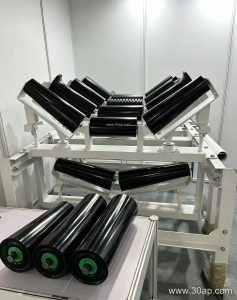
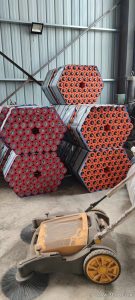
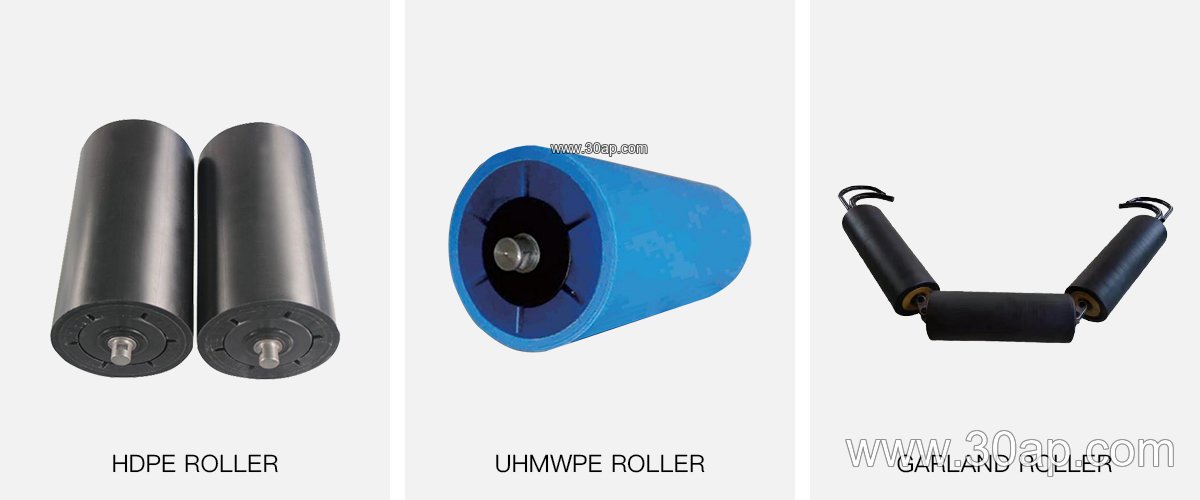
Most idlers consist of a steel tube shell, bearing housings, a shaft, and a sealing arrangement. The shell may be plain steel, nylon-coated, ceramic-lined, or fitted with rubber rings for impact absorption. Bearing sizes such as 6204, 6205, 6305, 6306, 6308, and 6310 are common, but the correct bearing for a given roller diameter and load should be confirmed by the conveyor designer. Roller diameters typically range from Ø63 mm to Ø219 mm, with Ø89, Ø108, Ø127, and Ø159 being frequent choices in aggregate conveyors. The idler length varies with belt width and trough configuration; for example, a three-roll troughing set on a B800 belt often uses rolls around 315 mm long, while a B1200 set may use rolls near 465 mm. These are typical references, not fixed rules, and side rolls can differ from center rolls.
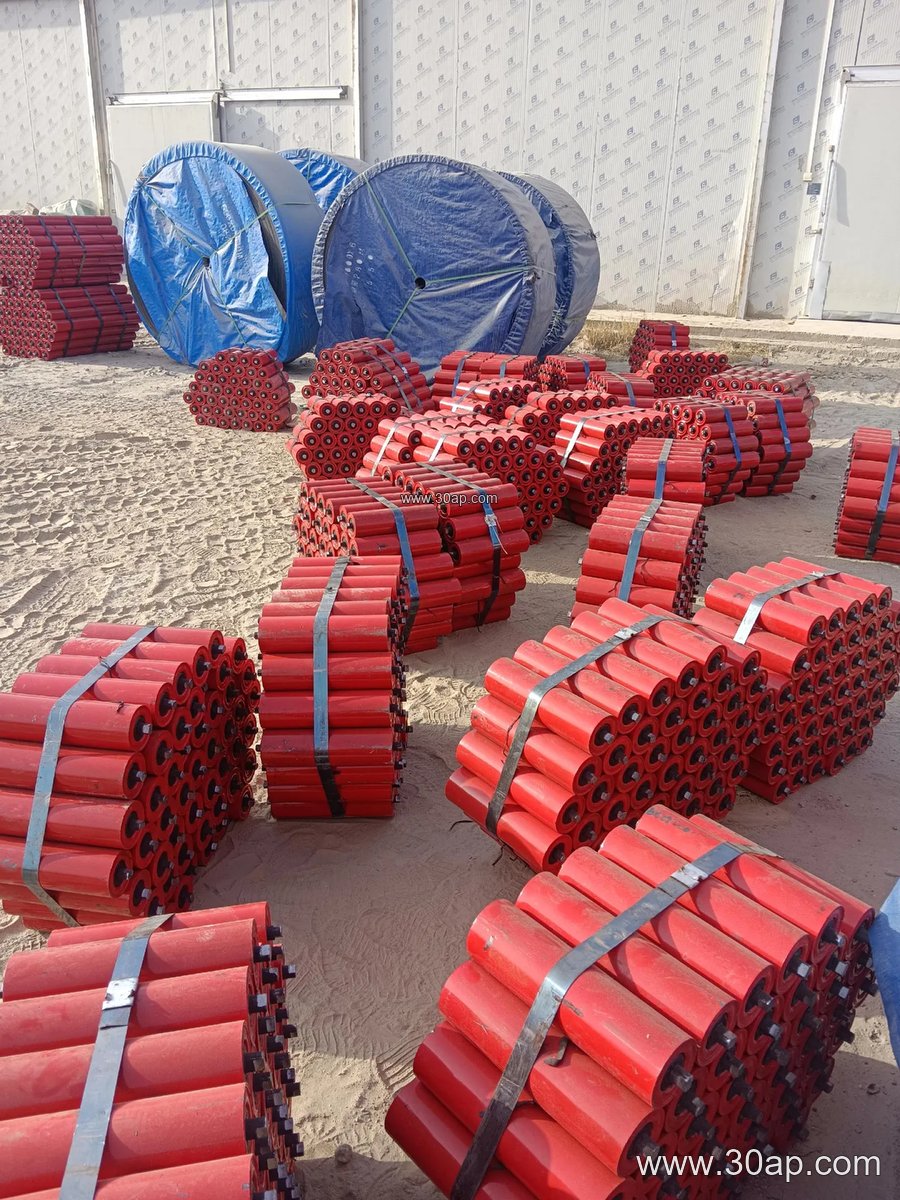
Common idler types in a sand and gravel line include:
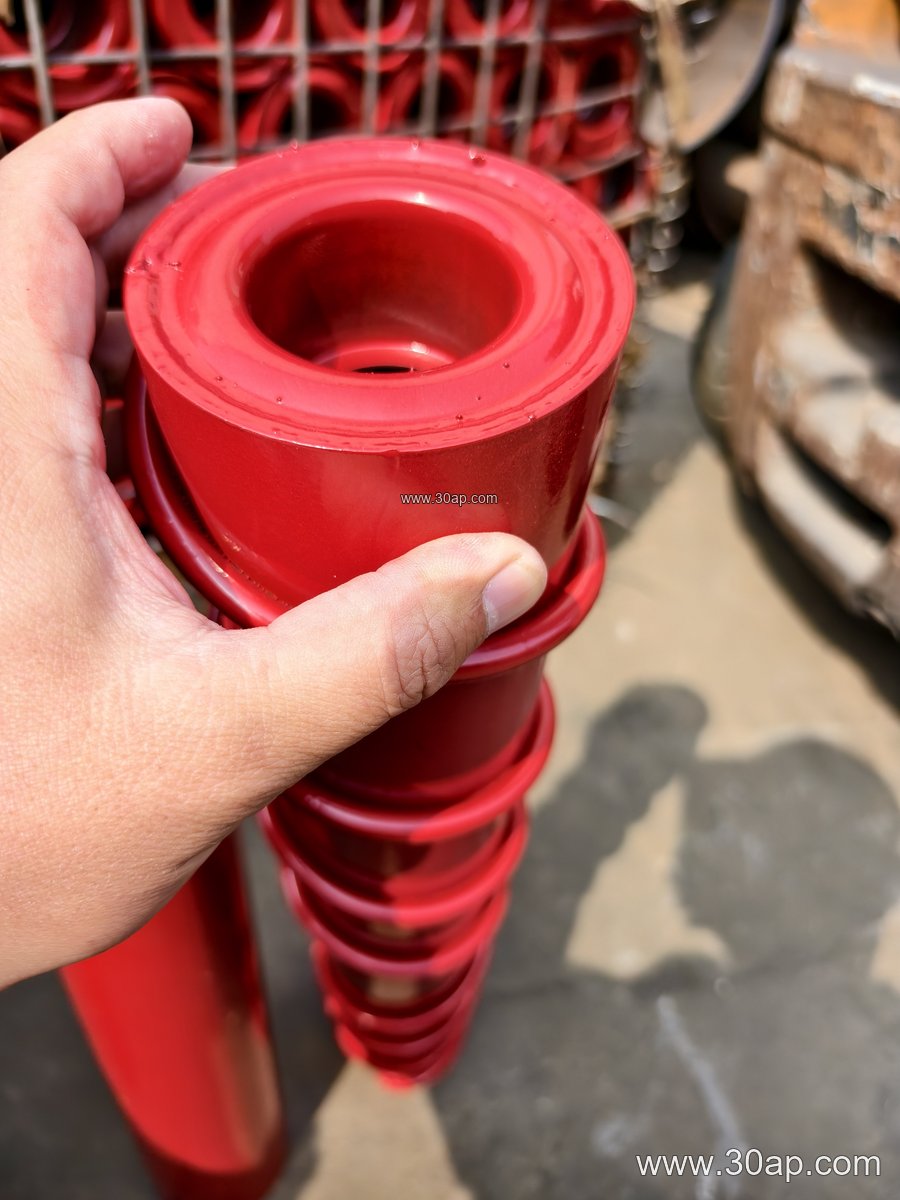
- Troughing idlers (two-roll or three-roll) with trough angles of 20°, 30°, 35°, or 45° to shape the belt and contain the load.
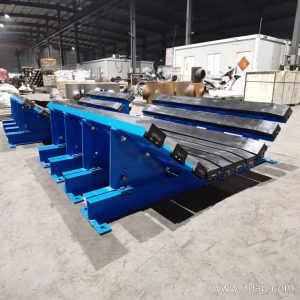
- Impact idlers or rubber-ring impact idlers placed at loading points to absorb the shock of falling rock.
- Return idlers, including flat and V-type, to support the empty belt on the return strand.
- Training idlers, such as friction or tapered self-aligning types, to correct belt misalignment.
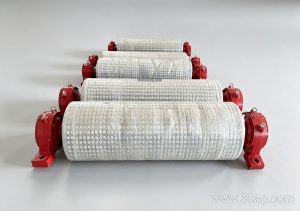
- Spiral or cleaning idlers to reduce material buildup on the return side.
For dusty and abrasive conditions, good sealing is critical. Labyrinth seals and effective bearing caps help keep fine sand and stone dust out of the bearing cavity, extending service life.
Where It Fits in the Aggregate Flow
Sand and gravel production lines are found in quarries, riverbed operations, and construction aggregate plants. Idlers appear on every conveyor segment: from the primary crusher discharge to the screening deck feed, from sand washing returns to the final stockpile conveyor. In a quarry conveyor belt system, troughing idlers maintain the belt profile under heavy rock loads, while impact idlers protect the belt at transfer points where material drops from one conveyor to the next. Return idlers keep the belt from sagging and help prevent spillage. In dusty, high-moisture, or wash-plant environments, the idler seal and shell material often matter as much as the load rating.
Selection Notes for Buyers
Choosing the right sand and gravel production line idler starts with the conveyor specification. Belt width, belt speed, material lump size, throughput, and loading conditions all influence idler diameter, roll length, bearing size, and trough angle. A wider belt does not automatically dictate a single pulley diameter, and one belt width can match different pulley and idler sizes depending on the design. Buyers should ask for the idler’s load rating, seal type, shell thickness, and bearing brand or specification. For abrasive aggregate, a thicker shell and effective sealing are often more important than a low initial cost. When replacing idlers, match the existing mounting dimensions and check that the replacement’s roller diameter and bearing size suit the conveyor frame and belt speed. Idlers work alongside the conveyor belt, conveyor pulley, and conveyor bracket, so compatibility across these components should be verified.
Maintenance is straightforward: listen for squealing bearings, watch for seized rolls, and check for material buildup on return idlers. Replacing a worn idler early prevents belt edge damage and reduces the risk of tracking problems. Keeping a small stock of common sizes, such as Ø108 and Ø127 troughing idlers, can reduce downtime in a busy sand and gravel plant.