What Is an Oil Resistant Conveyor Belt
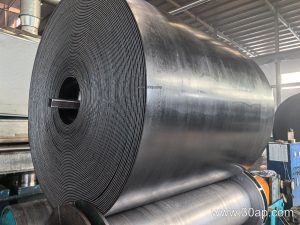
An oil resistant conveyor belt is a rubber conveyor belt built to tolerate contact with mineral oils, vegetable oils, greases, and oily residues that would soften or swell standard rubber covers. In a cement plant, power plant, or metal processing line, stray lubricant, oily scrap, or oil-soaked aggregate can shorten belt life if the cover compound is not formulated for it. This belt is not simply a thicker version of a general-purpose belt; the cover rubber and sometimes the core protection are selected to limit swelling and maintain adhesion under oily conditions.
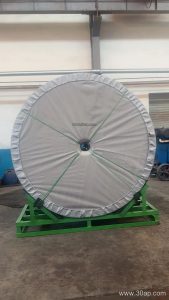
The product is often supplied as a fabric core conveyor belt with oil resistant covers, or as a steel cord conveyor belt where high tension and long center distances are involved. Buyers may see it called an oil resistant rubber conveyor belt, and that is the same product. It should not be confused with a heat resistant conveyor belt or a flame retardant conveyor belt, which address different risks.
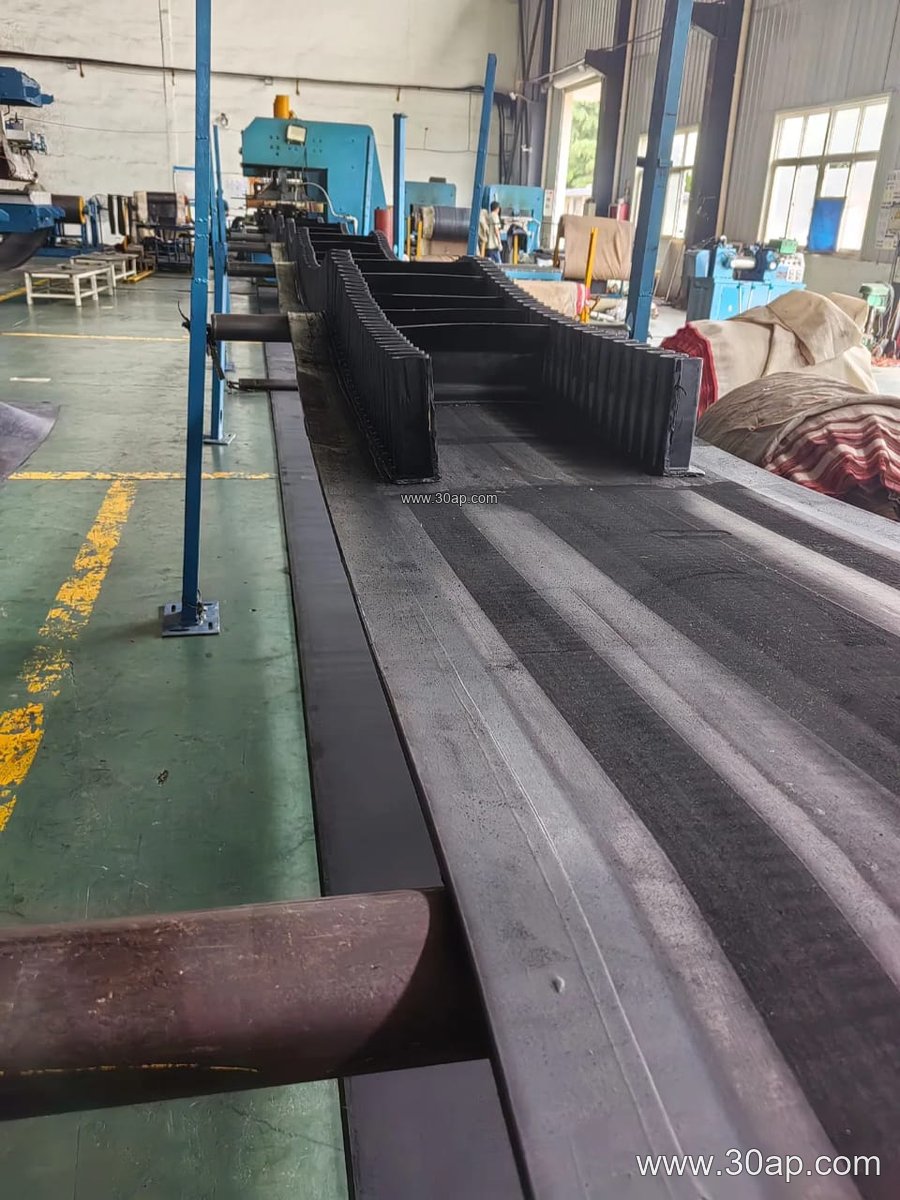
Construction and Compound Choices
The belt body usually combines rubber covers with a carcass of EP or NN fabric plies, or steel cords in heavy-duty designs. For oily service, the top cover is the first line of defense. Compound selection matters more than raw thickness alone, but cover gauges such as 4+2 mm or 6+2 mm are common where abrasion also occurs. A buyer may see an EP conveyor belt with oil resistant covers specified as EP200 or EP315 for moderate tension, while a steel cord belt such as ST1250 or ST1600 may be chosen for long overland runs.
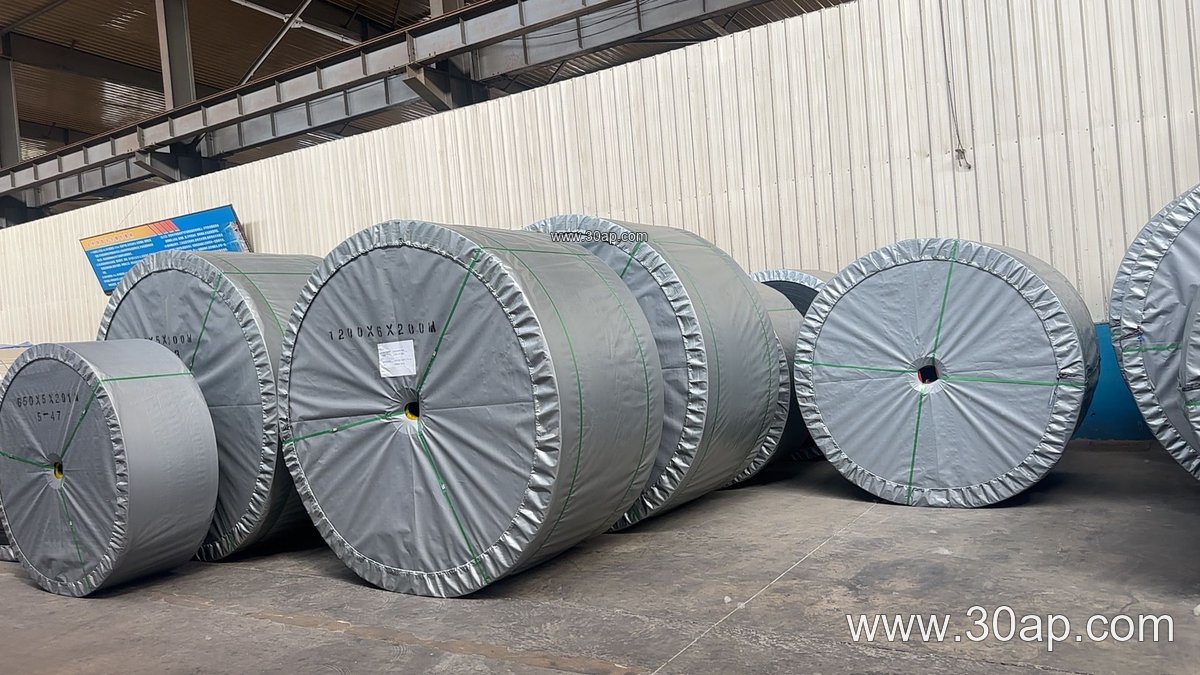
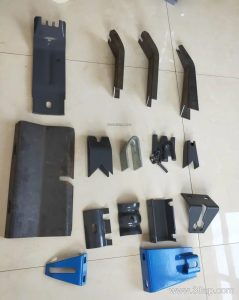
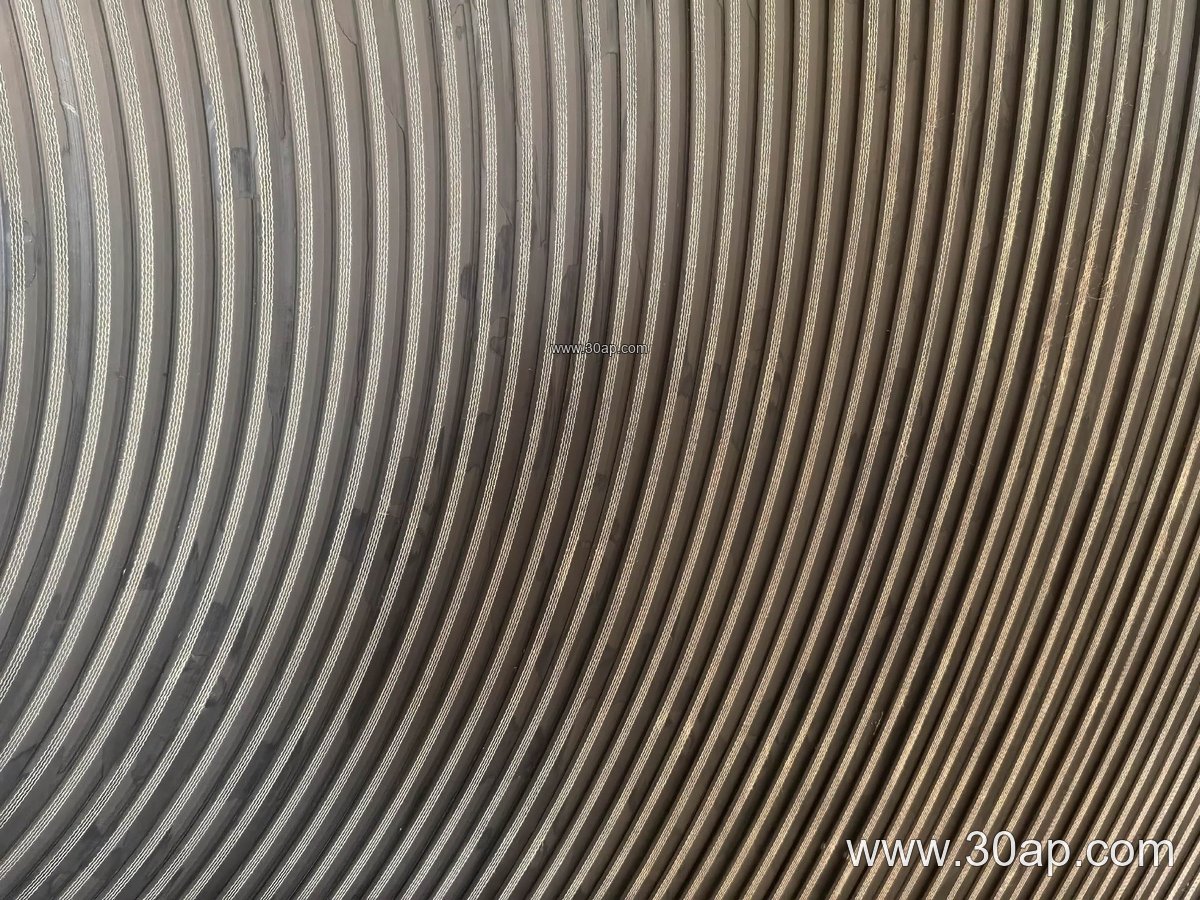
Fabric plies are typically 2 to 6 layers depending on load support and impact. In oily and abrasive service, an abrasion resistant conveyor belt compound may be combined with oil resistance, but the two properties are not identical. Where the belt passes over a drive pulley, tail pulley, and bend pulleys, the cover must also resist gouging and edge wear. Idler roller contact and conveyor bracket alignment affect tracking, so oil resistance alone will not solve misalignment.
Where It Fits in the Plant
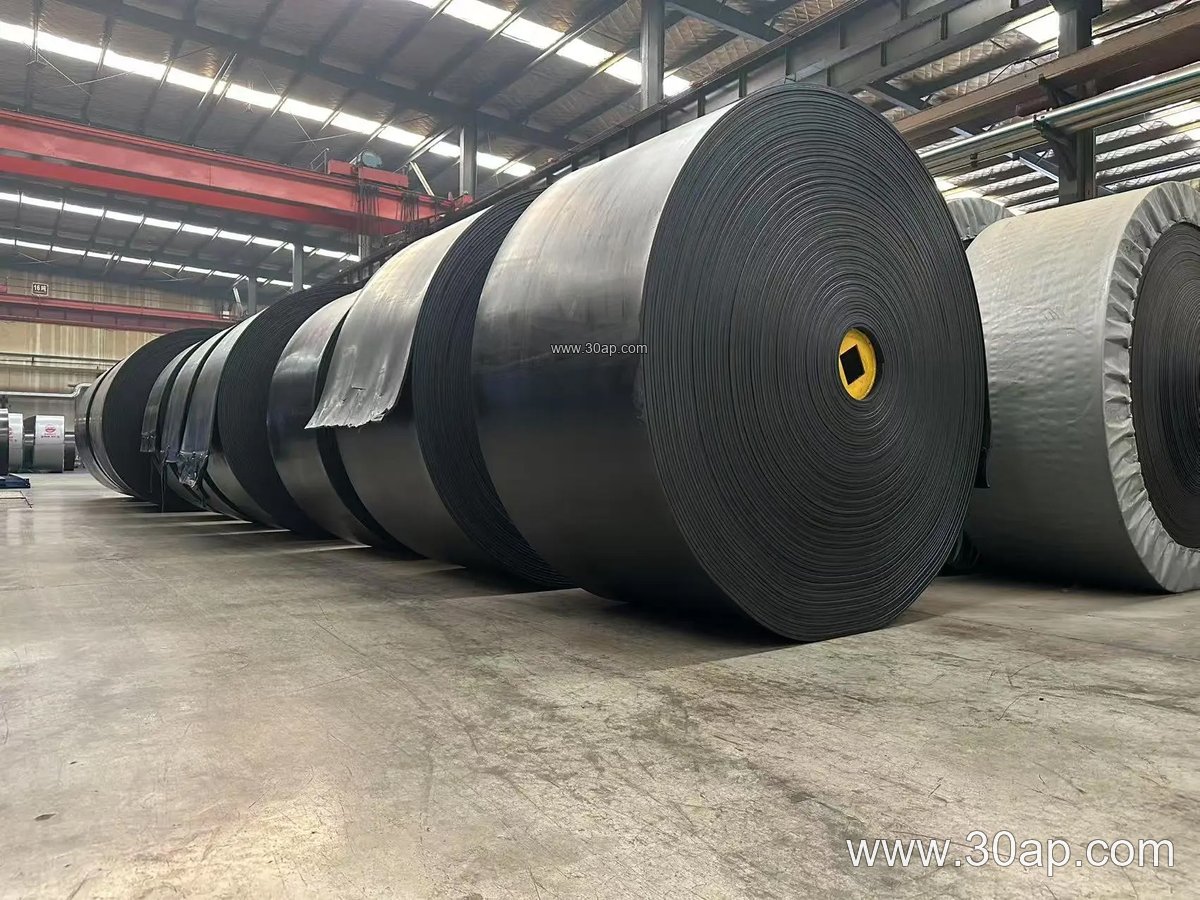
Oil resistant belts appear in recycling lines, scrap handling, machining shops, edible oil processing, and some quarry conveyor belt circuits where equipment leaks or oily feed is present. In a coal mining conveyor belt or underground mining conveyor belt, fire safety usually takes priority, so a flame retardant conveyor belt or fire resistant conveyor belt grade may be required instead. In a cement plant or aggregate conveyor belt line, oil resistance is more often a secondary requirement unless the feed is contaminated.
For food contact, a food grade conveyor belt is a separate specification. For steep inclines, a chevron conveyor belt or corrugated sidewall conveyor belt may be needed to prevent material rollback, but the oil resistance of the cover still needs to be confirmed. A pipe conveyor belt can enclose the material and reduce spillage, yet its cover compound must also suit the oil exposure.
Common Reference Data
The values below are typical reference ranges, not fixed rules. Different manufacturers and belt designs vary, and final selection depends on tension, pulley diameters, load, and environment.
| Parameter | Common reference values |
|---|---|
| Belt width | B500, B650, B800, B1000, B1200, B1400, B1600, B1800 |
| Fabric strength grades | EP200, EP315, EP400, EP500, EP630, EP800, EP1000 |
| Steel cord grades | ST1000, ST1250, ST1600, ST2000 |
| Cover thickness examples | 3+1.5 mm, 4+2 mm, 5+2 mm, 6+2 mm, 8+3 mm |
| Carcass plies | 2 to 6 layers, by design |
A 1000mm or 1200mm wide belt is common in plant conveyors, while 1400mm and 1600mm widths appear in higher-capacity bulk material conveyor belt systems. These widths do not dictate a single pulley diameter or shaft size; those are determined by the conveyor design.
Selection and Maintenance Notes
- Confirm the oil type and exposure level, since mineral oil and vegetable oil affect rubber differently.
- Check whether the belt also needs abrasion resistance, heat resistance, or anti-static properties.
- Review pulley diameters, idler roller spacing, and conveyor bracket condition to avoid edge damage.
- Store belts away from oil, heat, and sunlight, and keep splices clean during installation.
- Inspect covers for swelling or softening, and replace worn sections before the carcass is exposed.
An oil resistant conveyor belt is a targeted solution for oily bulk handling. It works best when the compound, carcass, and conveyor hardware are matched to the actual duty, not chosen from a catalog alone.