What a 315mm Diameter Conveyor Pulley Is
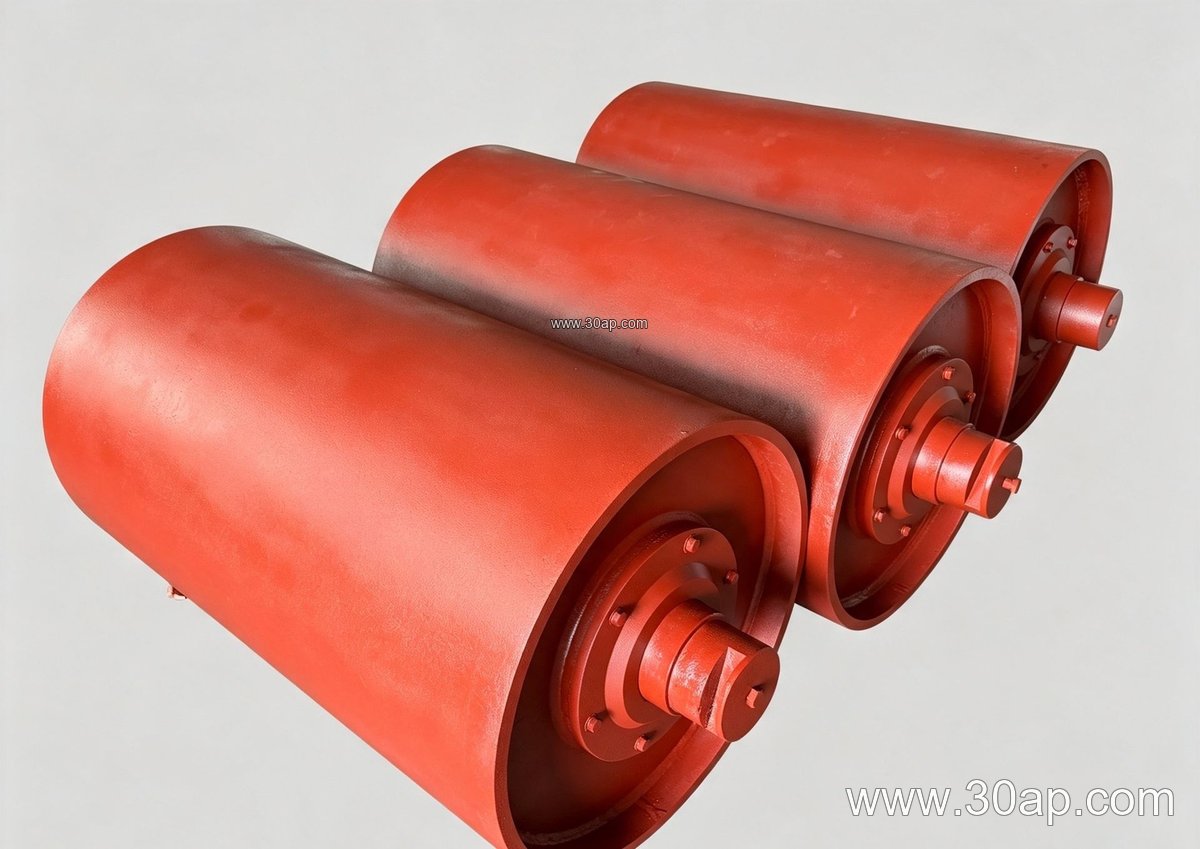
A 315mm diameter conveyor pulley is a mid-sized drum that turns and supports the conveyor belt on a bulk handling line. The 315 mm figure refers to the drum shell diameter, not the shaft or the bearing housing. In a quarry or an aggregate plant, this size often appears as a bend pulley or a tail pulley where the belt changes direction and returns along the lower run. It is a conveyor pulley sized for moderate belt tensions, so it suits lines that move crushed stone, sand and gravel rather than the heaviest ore streams.
Because the shell is compact, the pulley keeps the belt path tight and the frame short. That helps where space around a screen or a transfer chute is limited.
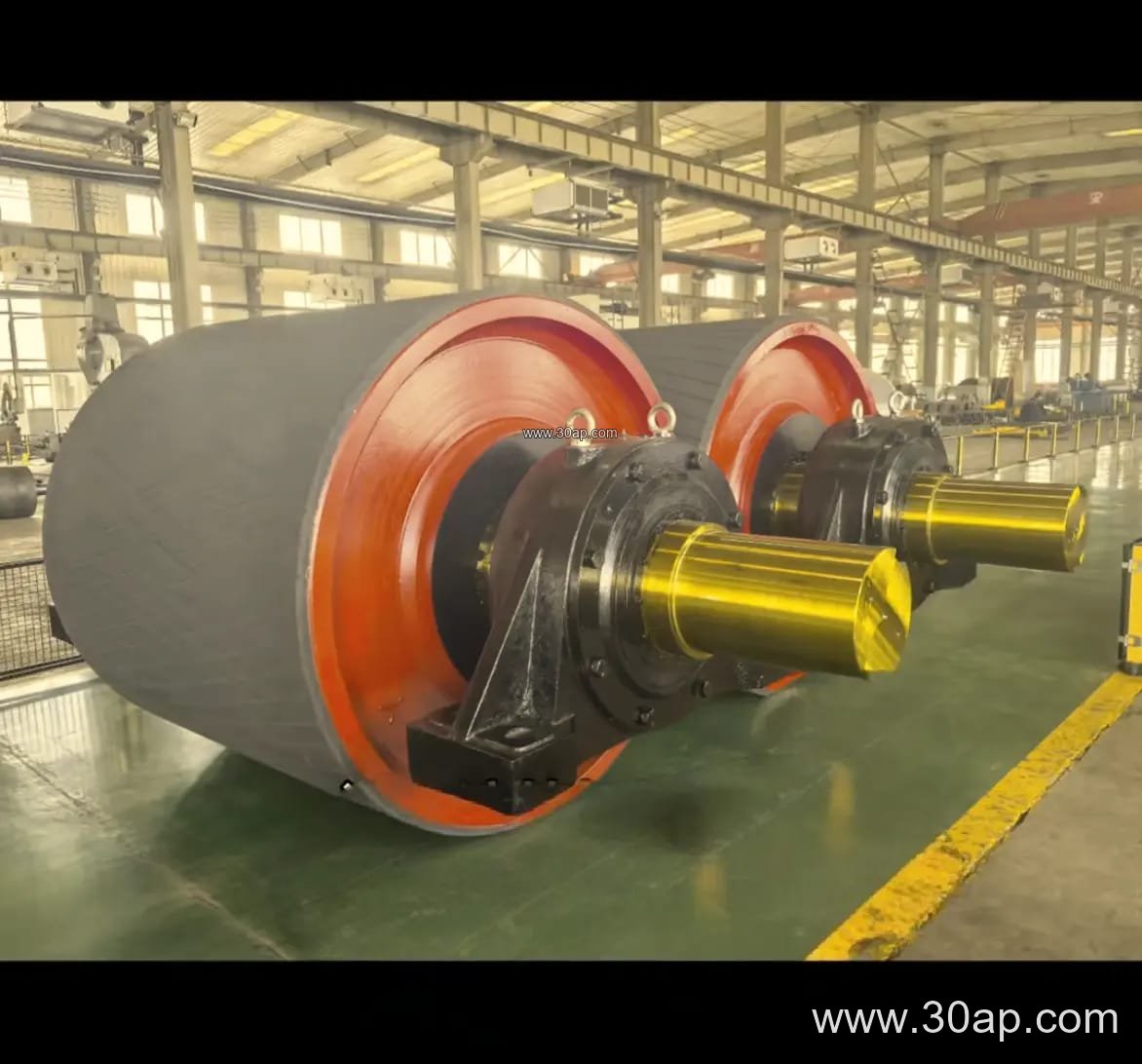
How the Drum Is Built
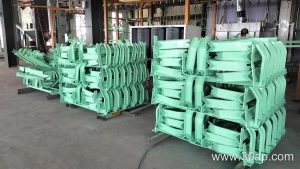
The shell is usually a rolled steel tube, machined at both ends and welded to end discs. The discs connect to a shaft that runs through the pulley on keyed hubs or a shrink-fit arrangement. Bearings sit in plummer blocks or in a self-contained bearing housing, and the whole drum is held by conveyor brackets bolted to the conveyor frame. Shaft ends are often machined to a standard diameter such as Ø80, Ø90 or Ø100, but the final shaft size is set by torque and load, not by belt width alone.
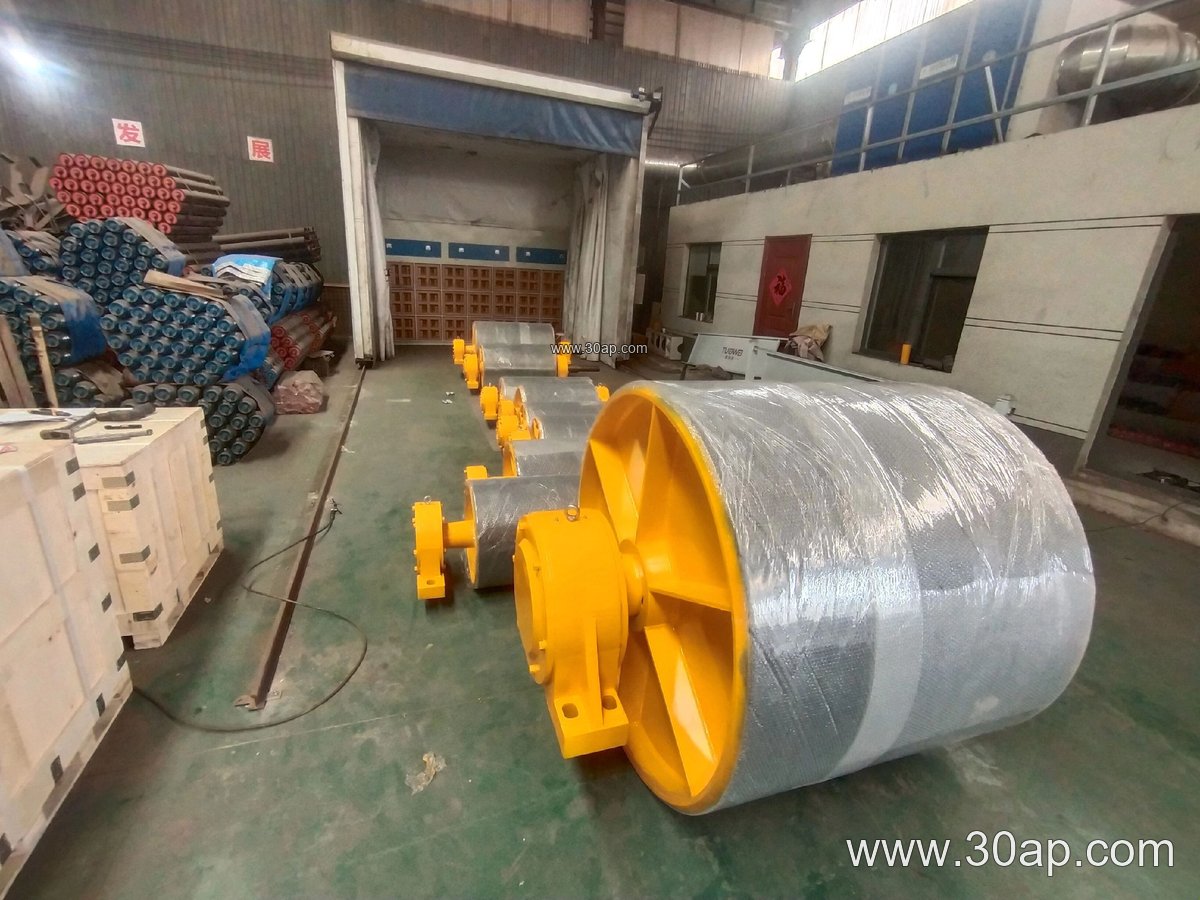
Surface treatment matters as much as the shell. A 315 mm pulley may be supplied plain, or covered with cold-bonded rubber, hot-vulcanised rubber, diamond grooving or ceramic tiles. Common covering thicknesses are 8, 10, 12 and 15 mm. The covering raises friction and protects the shell from abrasive dust.
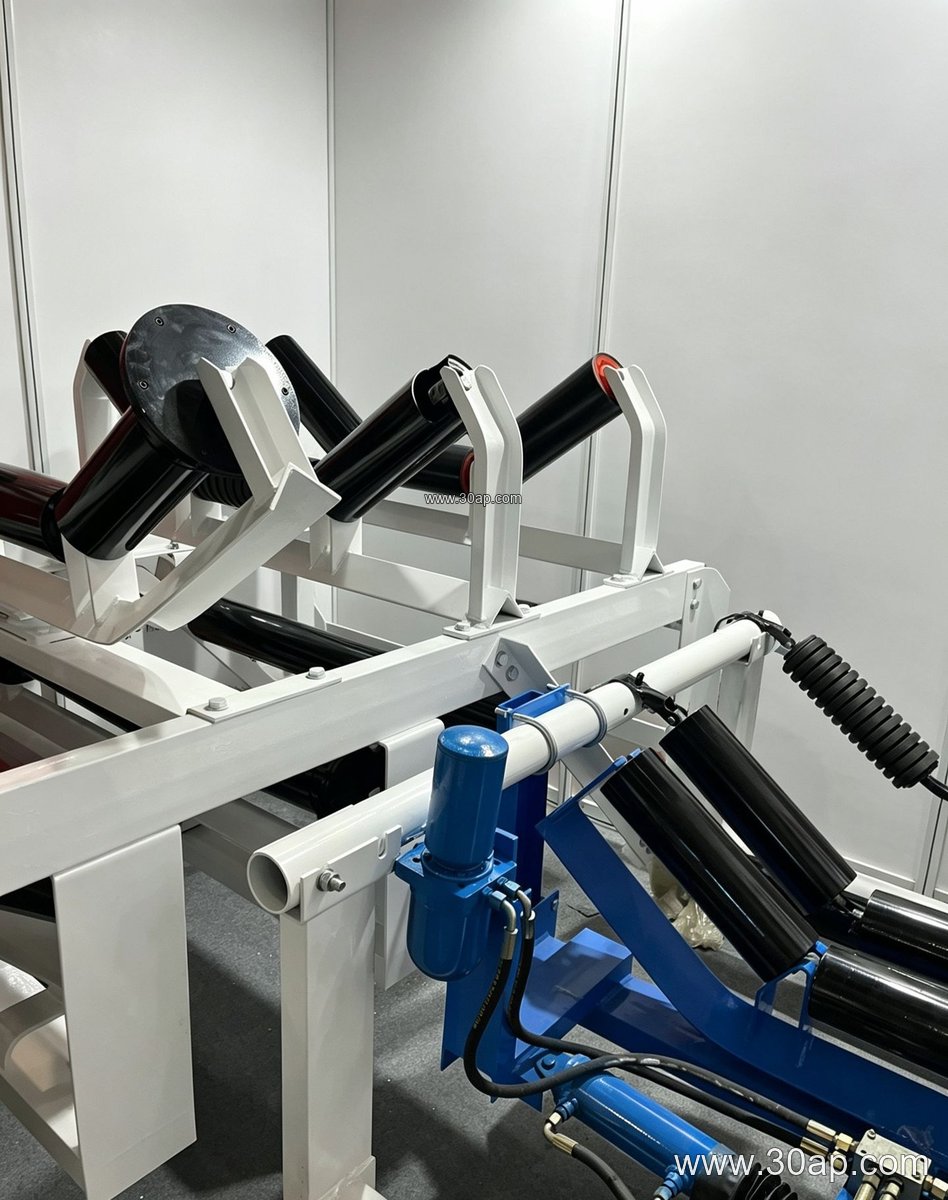
Where It Fits on the Line
The same drum size can serve different duties, and the duty changes the design. A bend pulley in a gravel plant mainly redirects the belt and carries light tension. A tail pulley at the feed end sees impact and fines, so the lagging and the sealing around the bearings deserve attention. A tension pulley on a short take-up frame may need a heavier shaft because the take-up force adds to the belt pull.
Drive pulleys, tail pulleys and bend pulleys are not interchangeable. A drive drum needs enough wrap and friction to transmit power; a bend drum only guides the belt. When a line has a small head drive, a larger head pulley is normal, and a 315 mm drum is more likely found at the return or take-up position.
Matching the Pulley to the Belt
The pulley face width should be wider than the belt so the belt edges do not run off the shell. For a 315 mm diameter drum, typical belt pairings include B650, B800 and B1000 lines, with face widths around 750 mm, 950 mm and 1150 mm. Examples such as B800 x Ø315 or B1000 x Ø315 describe the combination, not a fixed rule. A wider or narrower belt can still be used if the drum face, shaft and bearings are designed for it.
| Item | Common Reference Values |
|---|---|
| Shell diameter | Ø315 mm |
| Belt width pairing | B650, B800, B1000 |
| Face width | about 750 mm, 950 mm, 1150 mm |
| Shaft diameter | Ø80, Ø90, Ø100 (by torque) |
| Lagging thickness | 8, 10, 12, 15 mm |
| Surface options | plain, rubber lagging, diamond, ceramic |
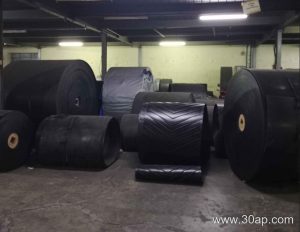
The belt itself sets the load. An abrasion resistant conveyor belt on a quarry line works with a lagged pulley that grips without slipping. A fabric core belt such as an EP conveyor belt or an NN conveyor belt is common on these mid-size lines, while a steel cord conveyor belt usually calls for a larger drum because of its stiffness. In a cement plant or a power plant coal yard, a flame retardant conveyor belt may run over the same size drum, and the lagging should be chosen to suit the local dust and heat.
Buyer Checklist
- Confirm the duty: drive, tail, bend or take-up. The load case differs for each.
- Give the belt width, belt type and the maximum belt tension so the shaft can be sized correctly.
- State the lagging type and thickness, plus whether grooving or ceramic is needed.
- Confirm bearing type, housing style and the mounting centres that match the conveyor bracket.
- Check the pulley face width against the belt and the available space near the chute.
- Ask about balancing, run-out and the surface finish of the shaft ends.
Inspect the drum on arrival for shell roundness, lagging adhesion and free rotation. Keep the bearings greased and check belt tracking after the first weeks of running, because a small misalignment on a 315 mm drum can wear the belt edge quickly. For more on related components such as the conveyor belt, idler roller and conveyor pulley ranges, check the site pages before ordering.