What an Impact Resistant Conveyor Belt Is
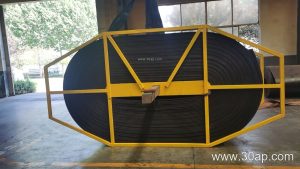
An impact resistant conveyor belt is a heavy-duty rubber belt engineered to absorb the shock of large, sharp, or heavy lumps at loading points. Unlike standard belts that may cut or puncture under sudden drop impact, this belt uses reinforced carcass designs and thickened top covers to spread stress and protect the belt core. It is a specialized variant within the broader family of Rubber Conveyor Belt products, often built on EP or NN fabric cores for a balance of strength and shock absorption.
In aggregate, mining, and cement operations, the belt must survive rocks falling from crushers, chutes, and screens. The impact resistant design reduces downtime from punctures and edge damage, keeping the conveyor system productive.
Construction and Key Components
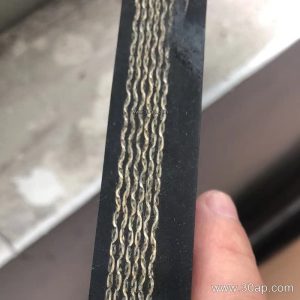
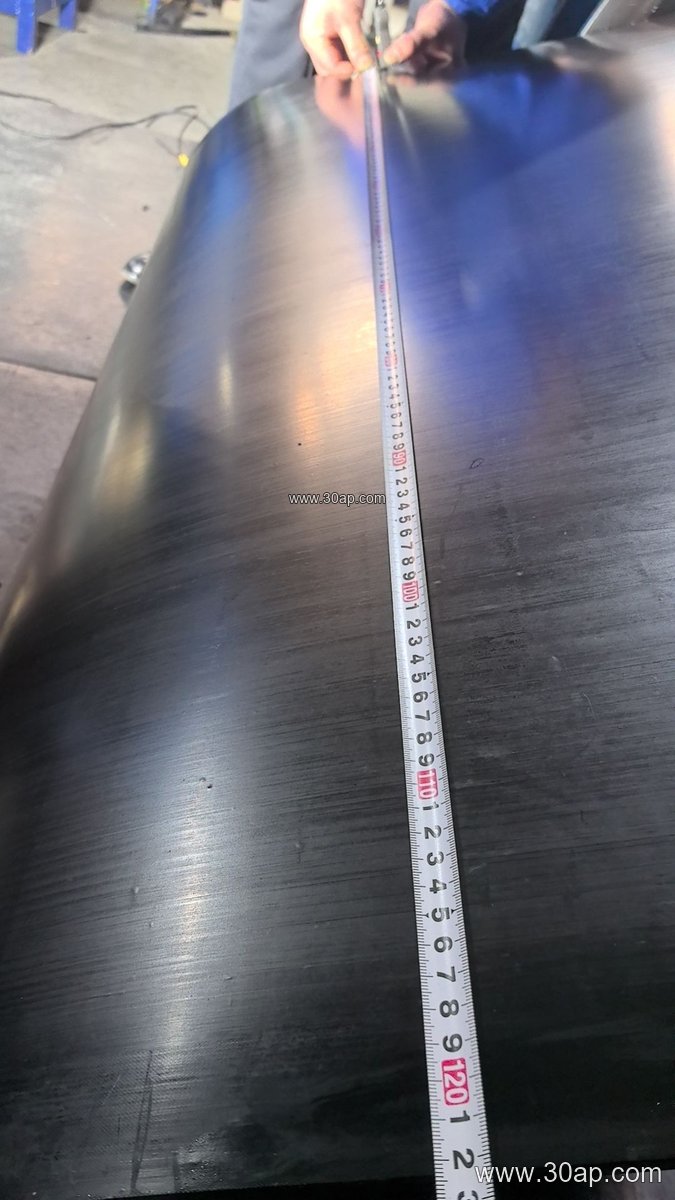
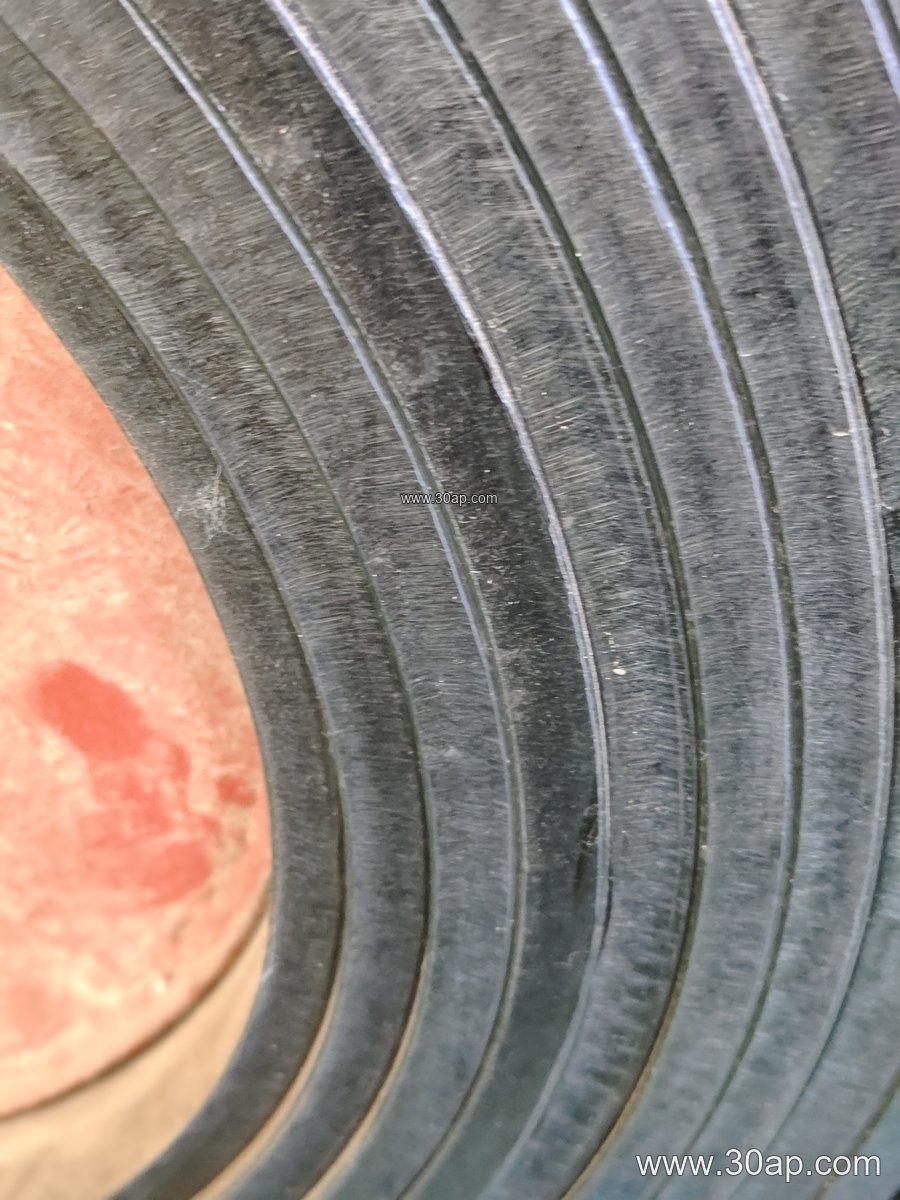
The belt typically combines a multi-ply Fabric Core Conveyor Belt carcass with specialized rubber compounds. Common builds include EP Conveyor Belt or NN Conveyor Belt carcasses with 2 to 6 plies, depending on load requirements. The top cover is usually thicker than standard, often in ranges like 6+2 mm or 8+3 mm, to cushion impact. A breaker layer—such as a woven fabric or steel mesh—can be added beneath the top cover to distribute point loads.
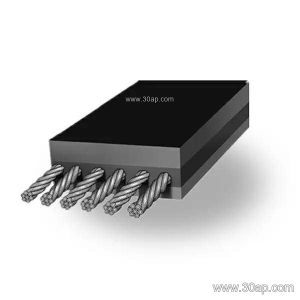
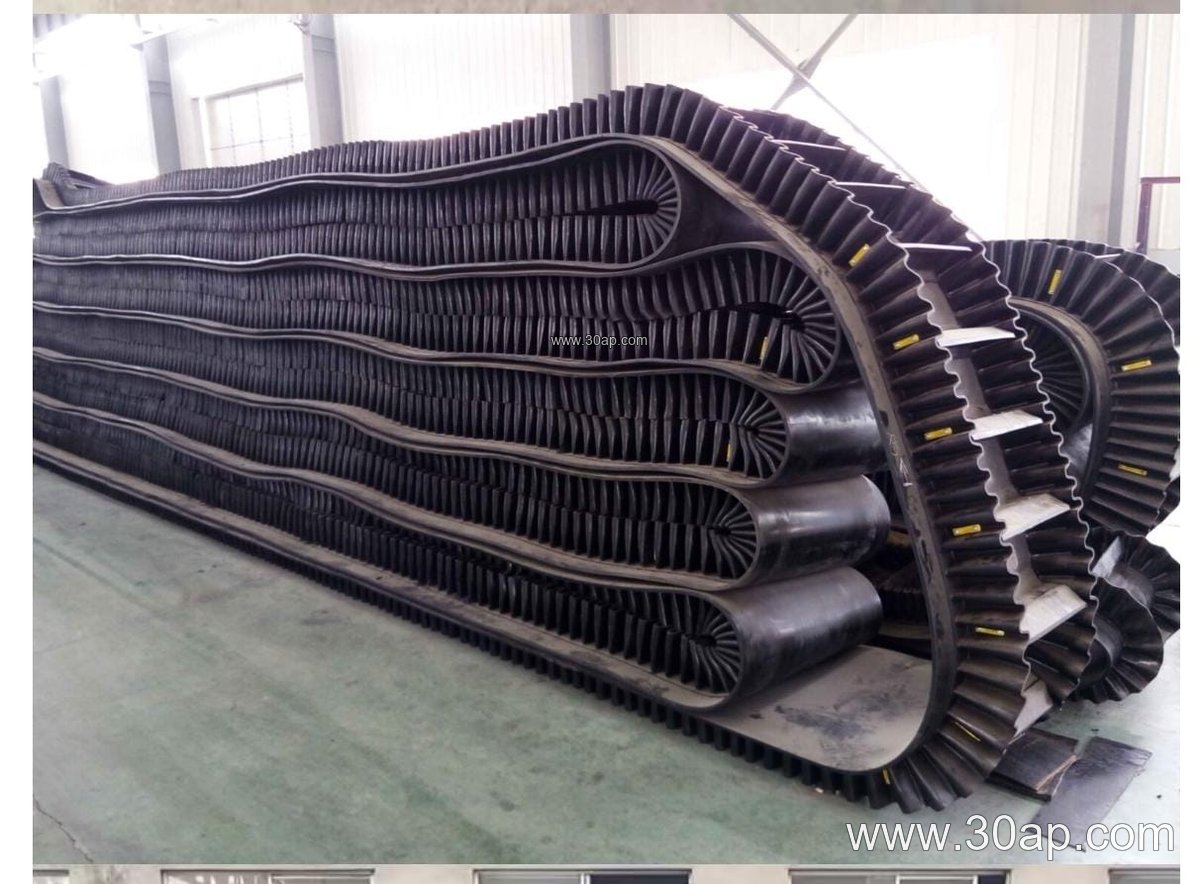
For high-capacity mines, a Steel Cord Conveyor Belt may be chosen when extremely low elongation and high tensile strength are needed, but fabric-core impact belts remain popular for their flexibility and shock absorption. Sidewalls and cleats are not part of the impact-resistant belt itself; however, when material containment is needed, a Corrugated Sidewall Conveyor Belt or Skirted Conveyor Belt is used as a separate solution for steep inclines or spillage control.
Where It Is Used
Impact resistant belts are common in primary crushing circuits, transfer points, and load-out systems. Typical industries include:
- Mining and quarrying: ore, rock, and overburden handling; underground and open-pit operations.
- Cement plants: clinker, limestone, and gypsum transport.
- Power plants: coal and biomass feeding.
- Steel mills: sinter, coke, and slag handling.
- Sand and gravel pits: aggregate and crusher feed.
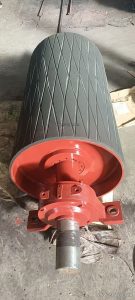
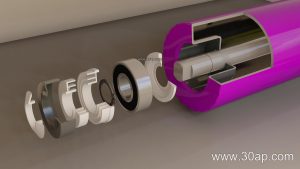
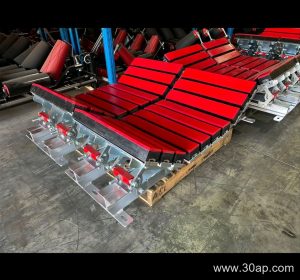
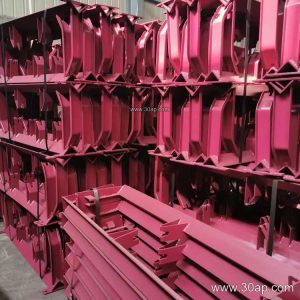
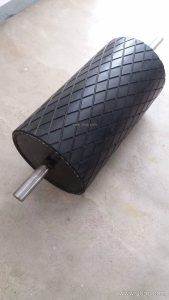
At these sites, the belt works alongside conveyor pulleys, idler rollers, and conveyor brackets. The drive pulley, tail pulley, and bend pulleys each play distinct roles in tension and direction changes; they are not interchangeable, and the belt’s impact resistance does not replace proper pulley selection. A well-matched conveyor pulley and idler roller set helps maintain belt tracking and extend service life.
Specifications and Options
Buyers can choose from a range of strengths, widths, and cover grades. Below are typical reference values; actual supply depends on the manufacturer and application review.
| Parameter | Common Options |
|---|---|
| Belt type | EP200, EP315, EP400, EP500, EP630, EP800, EP1000, EP1250, EP1600, EP2000 |
| Belt width | B500, B650, B800, B1000, B1200, B1400, B1600, B1800, B2000 |
| Cover thickness | 3+1.5 mm, 4+2 mm, 5+2 mm, 6+2 mm, 8+3 mm |
| Carcass plies | 2 to 6 layers (fabric core) |
| Special grades | Flame retardant, anti-static, heat resistant, oil resistant, abrasion resistant |
For coal mining, a Flame Retardant Conveyor Belt or Anti-Static Conveyor Belt grade may be required. In hot clinker service, a Heat Resistant Conveyor Belt is preferred. Where fine abrasive dust is present, an Abrasion Resistant Conveyor Belt cover compound can complement impact protection. These grades are not substitutes for impact resistance but can be combined in a single belt specification.
Buyer Checklist
When selecting an impact resistant conveyor belt, consider the maximum lump size, drop height, material density, and throughput. Confirm the belt width matches the conveyor frame and pulley face, and verify the carcass strength with the actual tension calculation. Check that the top cover thickness suits the impact energy; a thicker cover adds cushioning but also weight. Review the pulley and idler roller condition, as worn components can damage even a robust belt.
Ask for the belt’s recommended minimum pulley diameter—never assume a fixed relationship between belt width and pulley size. Also confirm splice type (mechanical or vulcanized) and whether an Endless Conveyor Belt is needed for the application. Finally, ensure the belt specification aligns with any site safety requirements, such as fire resistance or anti-static properties.
For more information on conveyor belts, pulleys, and rollers, visit our site at belt.xx.com or pulley.xx.com to review compatible components and selection guidance.