What a Ship Loading Conveyor Belt Does
A ship loading conveyor belt is the load-carrying element of a conveying system that moves bulk cargo from shore stockpiles, silos, or rail wagons onto a vessel. In a port, the belt usually runs along a long boom or a ship loader that can luff, slew, and extend, so the belt must handle high tension, tight transition zones, and frequent starts and stops. The same belt type also appears in barge loading and in combined loader-unloader systems.
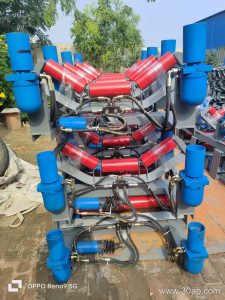
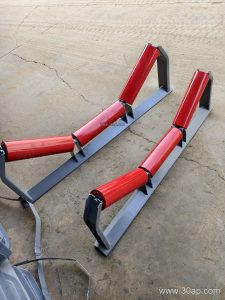
The belt is not a standalone item. It works with a conveyor pulley at the drive, a tail pulley at the intake, and bend pulleys along the route, plus idler rollers and conveyor brackets that keep the line aligned. On a ship loader, the discharge end is often a cantilevered boom, which makes belt tracking and edge condition especially important.
Construction and Common Belt Types
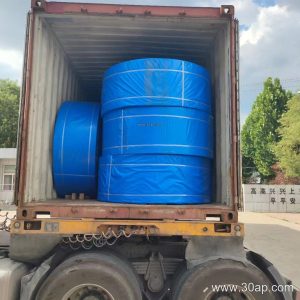
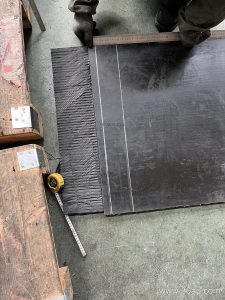
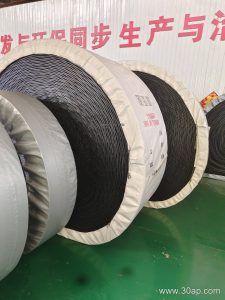
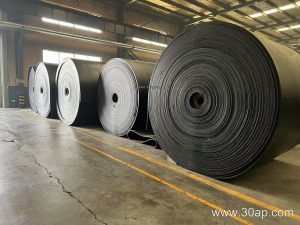
Most ship loading belts are fabric-cored or steel-cord reinforced, with rubber covers on both sides. The carcass provides tensile strength, while the cover compound protects against abrasion, moisture, and in some cases oil or heat. Common constructions include EP conveyor belt (polyester-nylon fabric), NN conveyor belt (nylon-nylon), and steel cord conveyor belt for long booms and high tonnage.
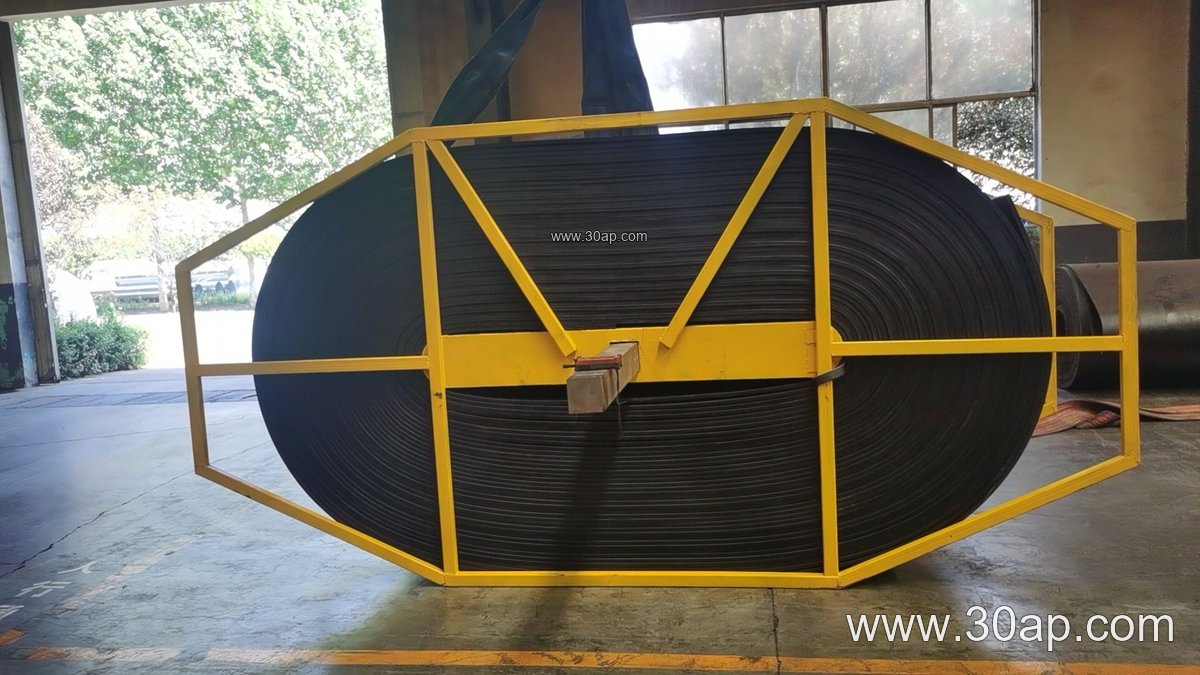
Typical reference data for cargo-handling belts is shown below. Values are indicative only and should be confirmed against the actual conveyor design.
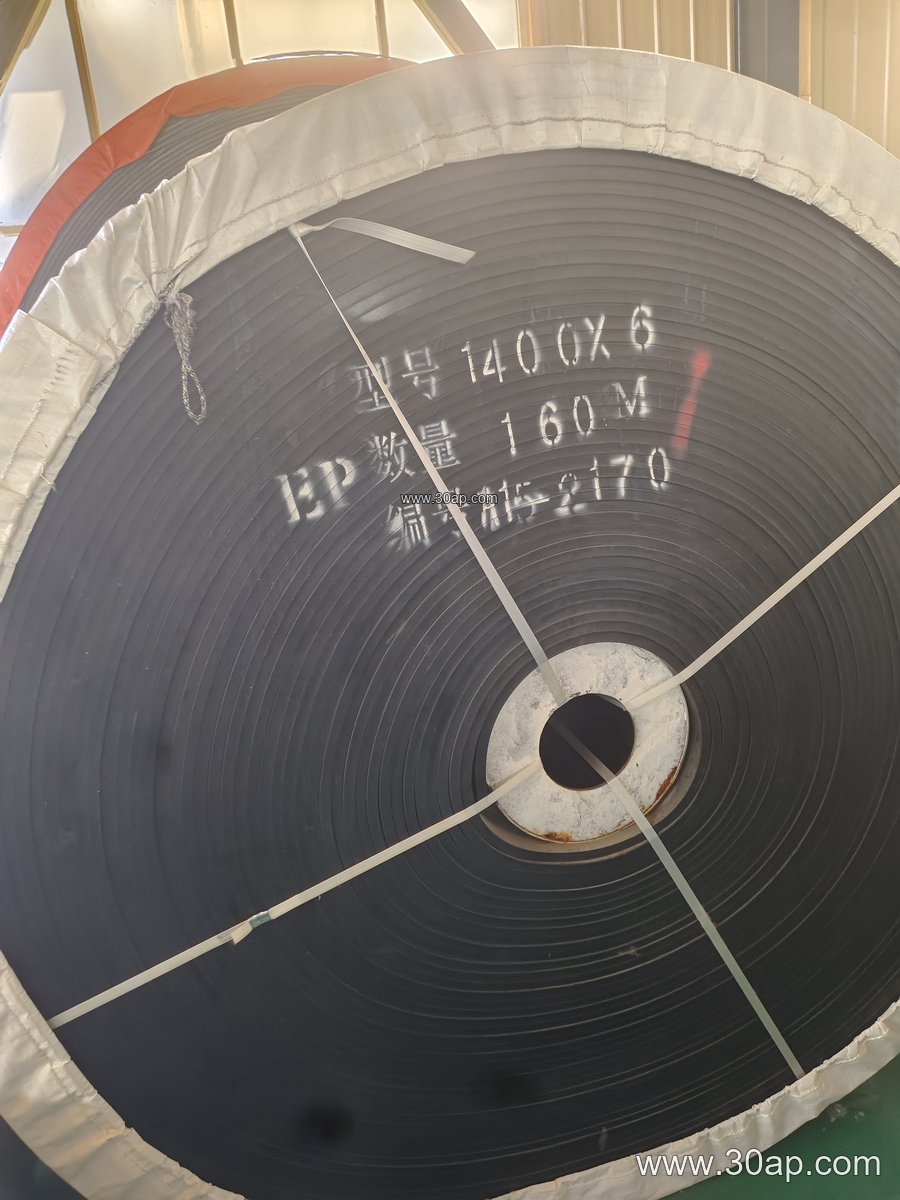
- Fabric core: EP200, EP315, EP400, EP500, EP630, EP800, EP1000, EP1250
- Steel cord: ST1000, ST1250, ST1600, ST2000
- Belt width: B500, B650, B800, B1000, B1200, B1400, B1600, B1800, B2000
- Cover thickness: 4+2 mm, 5+2 mm, 6+2 mm, 8+3 mm
- Ply count: usually 2 to 6 layers for fabric cores
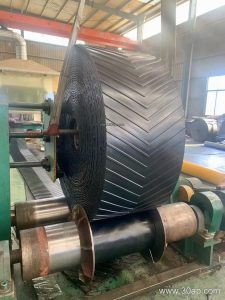
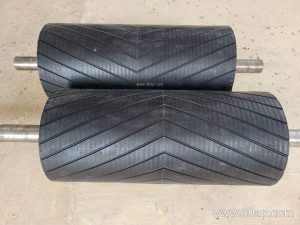
For dusty coal or mineral cargo, a flame retardant conveyor belt or anti-static conveyor belt may be specified. For cement and clinker, an abrasion resistant conveyor belt with a heavier cover is common. Where cargo is carried on an inclined boom, a chevron conveyor belt or corrugated sidewall conveyor belt can help retain material, though these are separate designs from a standard flat ship loading belt.
Where It Is Used
Ship loading belts serve ports, power plants, cement terminals, coal mining export facilities, iron ore and copper ore terminals, and quarry or aggregate operations that ship by water. In a cement plant, the belt may feed a shiploader from a silo; in a coal mining terminal, a heavy-duty mining conveyor belt handles high throughput and abrasive lumps. The same belt family is also used in steel plants and bulk material conveyor systems that link stockyard, crusher, and berth.
Because the boom moves, the belt must tolerate repeated flexing over bend pulleys and maintain steady contact with idler rollers. A worn or mistracked belt can spill cargo into the hold or onto the jetty, so edge quality and splice integrity matter as much as tensile rating.
Buyer Checklist
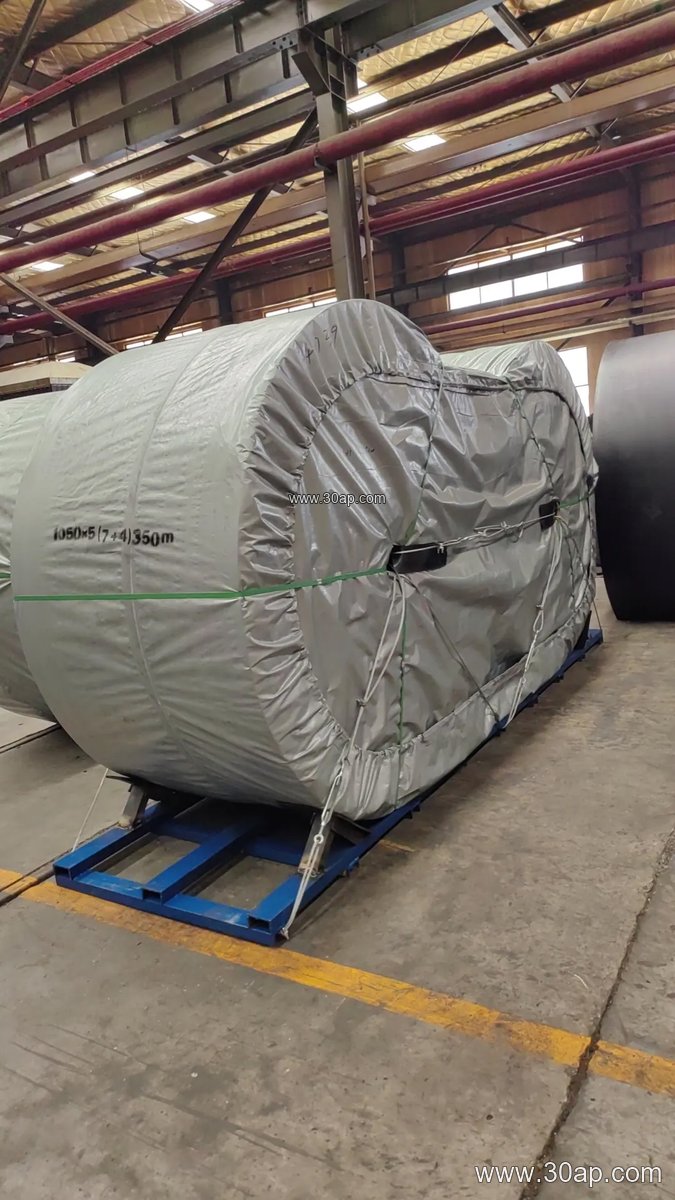
Before ordering, confirm the cargo type, lump size, throughput, boom length, incline angle, and ambient conditions. A buyer should ask for the belt construction, cover grade, ply or cord count, and splice method. Check whether the drive pulley diameter and belt thickness are compatible with the proposed carcass, and verify that the tail and bend pulleys, idler roller spacing, and conveyor bracket layout suit the belt. For cold climates, a cold resistant conveyor belt may be needed; for oily cargo, an oil resistant conveyor belt is preferable.
Also review the discharge trajectory and skirt arrangement, because a skirted conveyor belt or a belt with a larger cover can reduce spillage at the transfer point. Request the manufacturer’s tolerance for width, thickness, and splice strength, and keep spare belt sections for boom repairs.
For related components such as conveyor belting, idler rollers, and pulleys, buyers can compare options at www.beltconveyorparts.com and review ship loader belt data at www.shiploaderconveyor.com.