What a 1800mm Conveyor Belt Is
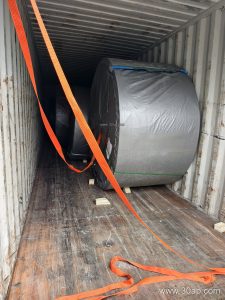
A 1800mm conveyor belt is a wide-format belt designed for conveyor systems that need to move large volumes of bulk material in a single pass. With an 1800mm Wide Conveyor Belt, plants can reduce the number of parallel lines, simplify transfer points, and keep material flowing in a broad, stable stream. This width sits at the upper end of common belt sizes, so it is usually specified for high-capacity mainlines rather than small feeder runs.
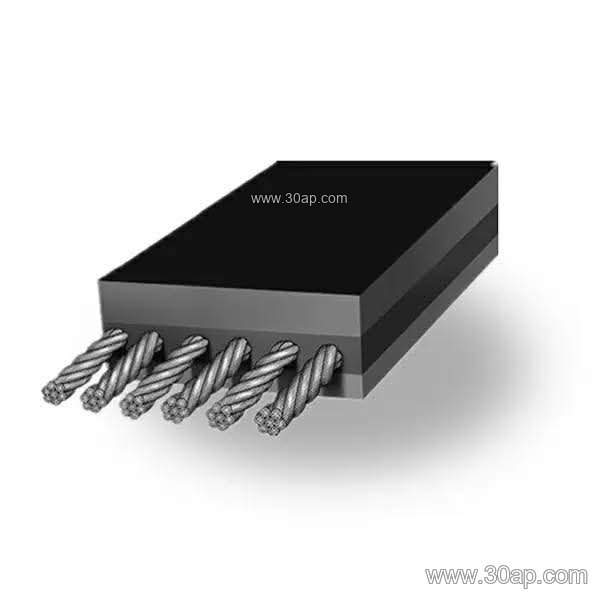
The product is available in several constructions. EP Conveyor Belt and NN Conveyor Belt builds use fabric plies, while Steel Cord Conveyor Belt builds use steel wires for very long, high-tension routes. The right choice depends on the conveyor profile, the material, and the duty cycle.
Construction and Common Specifications
Wide belts are built around a tension-bearing carcass, covered on both faces with rubber or PVC compounds. Fabric cores are usually 2 to 6 plies, and the cover grade is selected for the working environment. Common cover thickness combinations include 3+1.5 mm, 4+2 mm, 5+2 mm, 6+2 mm, and 8+3 mm, though final values are set by design.
The table below shows reference values for an 1800mm belt. These are typical ranges, not universal specifications or supply promises.
| Parameter | Reference values |
|---|---|
| Belt width | B1800 (1800mm) |
| Fabric core types | EP200, EP315, EP400, EP500, EP630, EP800, EP1000, EP1250, EP1600, EP2000 |
| Nylon core grades | NN100, NN200, NN300, NN400 |
| Steel cord grades | ST1000, ST1250, ST1600, ST2000, ST2500, ST3150 |
| Cover thickness | 3+1.5, 4+2, 5+2, 6+2, 8+3 mm |
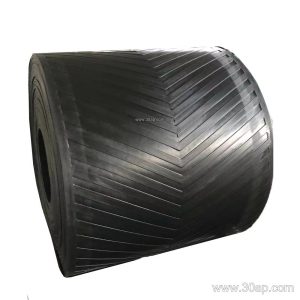
| Surface forms | Smooth, chevron, corrugated sidewall, skirted |
Special grades include Heat Resistant Conveyor Belt, Oil Resistant Conveyor Belt, Flame Retardant Conveyor Belt, Cold Resistant Conveyor Belt, and Anti-Static Conveyor Belt. In underground coal work, PVG Conveyor Belt grades such as PVG800 and PVG800S are often considered alongside fabric and steel cord options.
Where Wide Belts Fit
An 1800mm belt is common in mining, coal preparation, cement, power generation, and quarrying. In a mine, a Heavy-Duty Mining Conveyor Belt of this width can carry run-of-mine ore from a crusher discharge to the main incline. Cement plants use wide belts on clinker and raw meal lines, while power plants apply them to coal handling. Port terminals and ship loading systems also favor wide belts for high throughput.
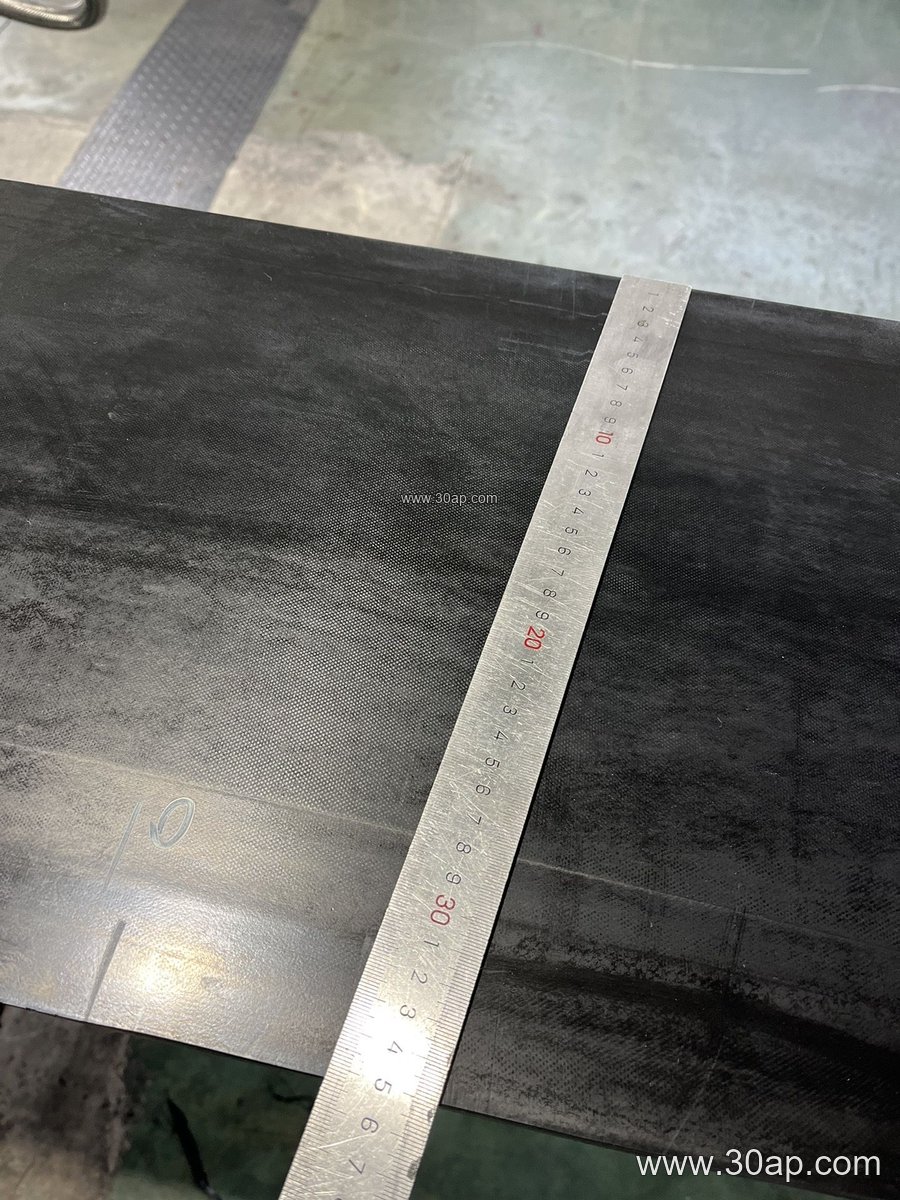
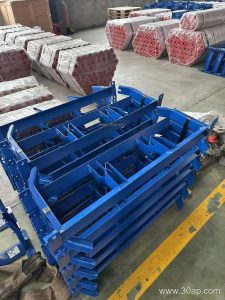
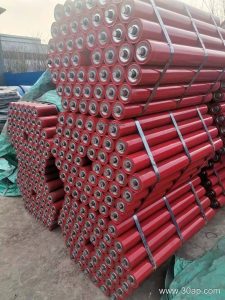
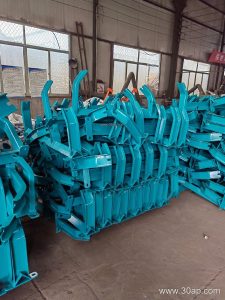
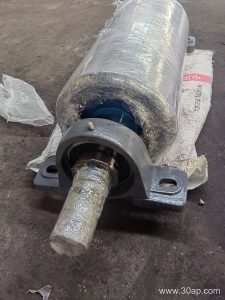
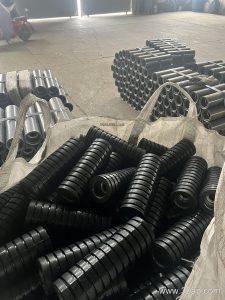
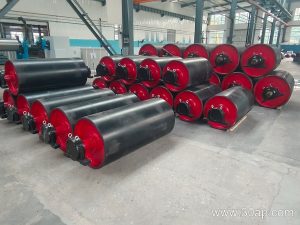
At a sand and gravel operation, an Aggregate Conveyor Belt in 1800mm width handles surges better than narrower belts and reduces spillage at transfer chutes. The belt works with conveyor pulleys, idler rollers, and conveyor brackets, so the whole frame must be rated for the extra width and weight.
Selection Points for Buyers
- Match the carcass grade to the calculated tension, not to belt width alone.
- Choose the cover compound for abrasion, heat, oil, or flame risk.
- Confirm pulley face width and idler roller trough angle for the 1800mm belt.
- Check that conveyor brackets and frames handle the added belt mass.
- For steep inclines, consider Chevron Conveyor Belt or Corrugated Sidewall Conveyor Belt designs.
- For enclosed routes, a Pipe Conveyor Belt may suit dusty or curved paths, but it is a different belt type.
Buyers should ask for the carcass data sheet, cover grade, and splice recommendation. A 1800mm conveyor belt is a major component, so the specification should be confirmed against the actual conveyor design rather than copied from another site.
Maintenance and Handling
Wide belts need careful alignment. Check idler rollers for seized bearings and worn shells, and inspect conveyor pulleys for lagging wear. Keep the belt tracking straight to avoid edge damage, and re-tension splices as recommended. Store spare belting flat and protected from sunlight and ozone.
For more guidance on belt, roller, and pulley selection, visit www.example.com/conveyor-belt and www.example.com/conveyor-pulley. Regular inspection keeps a wide belt running efficiently in demanding plants.