What the EP800 Conveyor Belt Is
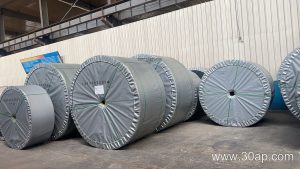
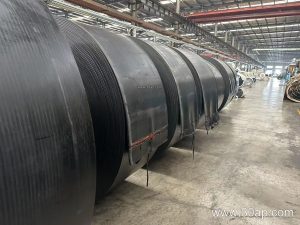
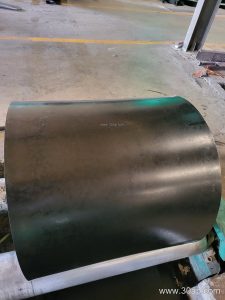
The EP800 Conveyor Belt is a fabric-core rubber belt built around polyester (E) and nylon (P) warp and weft yarns. The designation EP800 refers to a nominal tensile strength of 800 N/mm per ply, making it a mid-to-high strength option within the EP Conveyor Belt family. It sits above EP630 and below EP1000, and it is often chosen when a single-ply or multi-ply construction must carry heavy loads over long distances without the stiffness of a Steel Cord Conveyor Belt. In many plants, this belt is simply called an EP Rubber Conveyor Belt or an EP Fabric Core Conveyor Belt, and those names point to the same product.
The carcass is protected by rubber covers on both sides. A common cover combination is 5+2 mm or 6+2 mm, though 4+2 mm and 8+3 mm are also used depending on the duty. The number of plies usually ranges from two to six. Buyers should treat these figures as reference values, because the final construction is confirmed by the belt designer for each conveyor.
Construction and Material Options
An EP800 belt combines several layers. The top and bottom covers resist abrasion, impact, and environmental attack. The fabric plies carry tension. A skim layer between plies keeps the carcass flexible. The rubber grades can be adapted to the job:
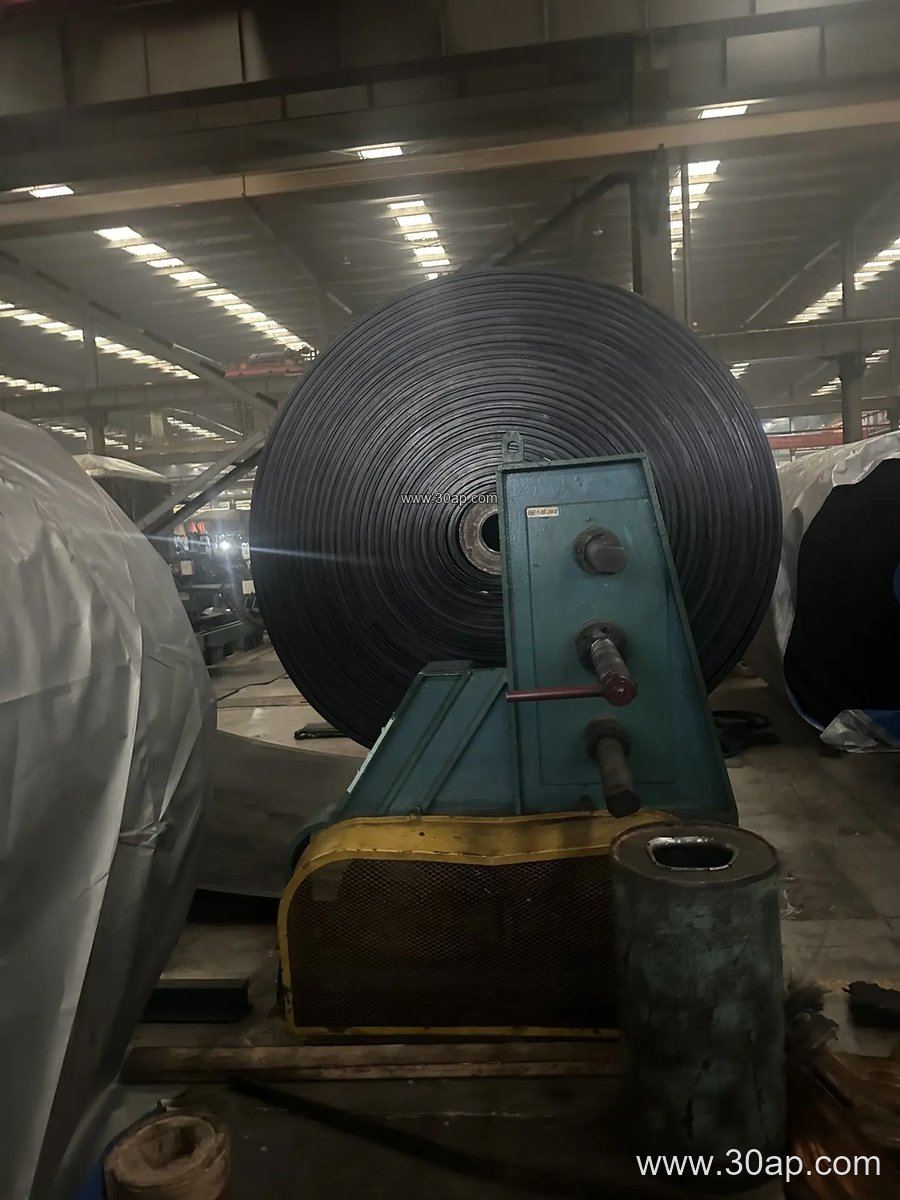
- High Abrasion Resistant Conveyor Belt covers for crusher discharge and quarry duty
- Heat Resistant Conveyor Belt or High Temperature Conveyor Belt grades for cement clinker and sinter
- Flame Retardant Conveyor Belt and Anti-Static Conveyor Belt grades for coal mining and underground coal mining
- Oil Resistant Conveyor Belt grades for recycling and oily scrap
- Cold Resistant Conveyor Belt grades for winter operation in cold climates
- Acid Resistant Conveyor Belt and Chemical Resistant Conveyor Belt grades for fertilizer and chemical plants
Surface forms are also selectable. A Chevron Conveyor Belt profile helps on inclines, while a Corrugated Sidewall Conveyor Belt or Skirted Conveyor Belt suits steep or confined transfers. These are variations on the same EP800 carcass rather than separate products.
Typical Working Environments
Heavy-Duty Mining Conveyor Belt service is the most common home for EP800. It appears in iron ore, copper ore, and gold mining circuits, in coal handling, and in underground mining conveyors where flame resistance is required. Cement plants use it on clinker and raw meal lines. Power plants use it for coal and limestone. Quarries and aggregate operations use it after primary and secondary crushers, where a Crusher Conveyor Belt must survive sharp rock and impact. Ports and ship loading terminals apply it on Bulk Material Conveyor Belt routes. Sand making plants, stone crushing lines, and construction waste recycling also use this belt.
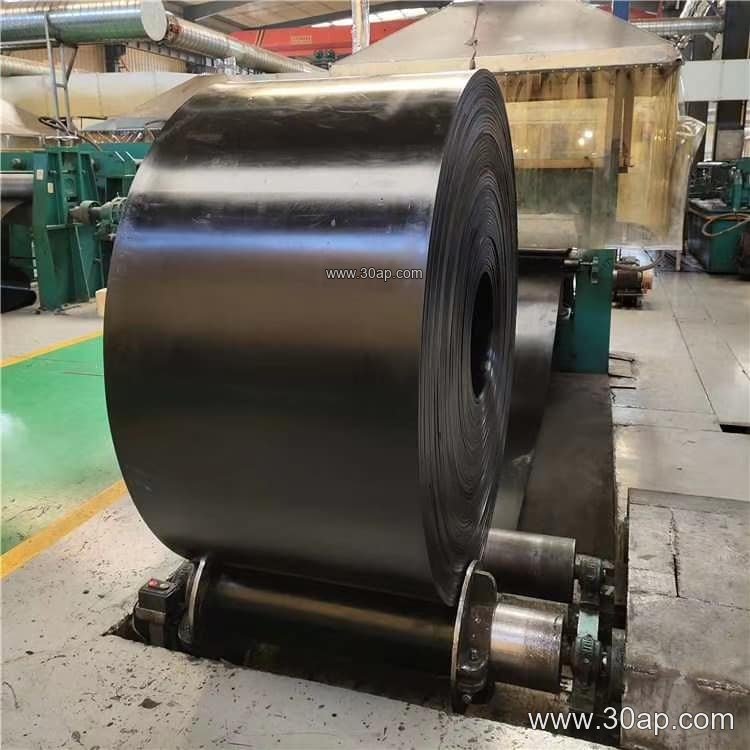
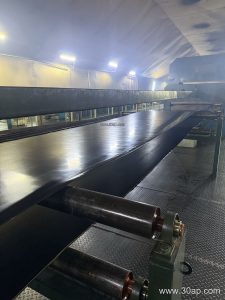
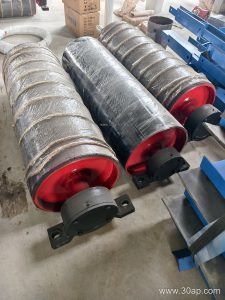
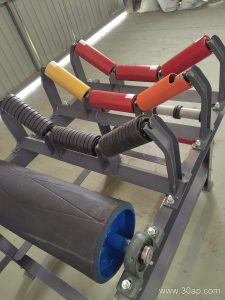
On the conveyor structure, the belt runs over idler rollers and around conveyor pulleys. Drive pulleys, tail pulleys, and bend pulleys each do a different job and are not interchangeable. The belt also needs proper support from conveyor brackets and frames. A well-aligned structure reduces edge damage and extends belt life.
Widths and Related Parameters
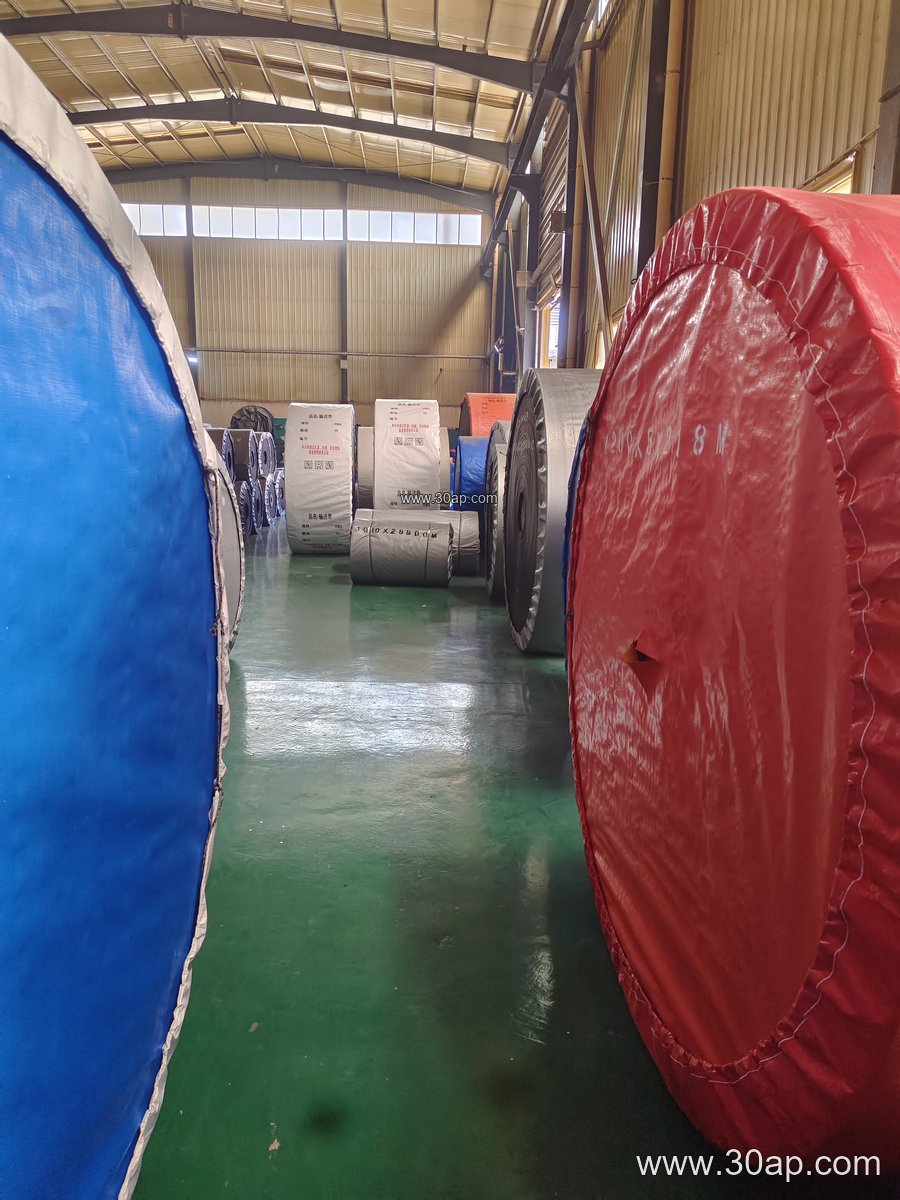
EP800 belts are produced in a range of widths. The table below shows common reference values; actual availability and combination depend on the manufacturer and the conveyor design.
| Parameter | Common reference values |
|---|---|
| Belt width | 500 mm, 650 mm, 800 mm, 1000 mm, 1200 mm, 1400 mm, 1600 mm, 1800 mm, 2000 mm |
| Nominal strength | EP800 (800 N/mm per ply) |
| Number of plies | 2 to 6 |
| Cover thickness | 3+1.5 mm, 4+2 mm, 5+2 mm, 6+2 mm, 8+3 mm |
| Surface options | Plain, chevron, corrugated sidewall, skirted |
Note that belt width does not dictate a single pulley diameter. Pulley sizing follows shaft load, belt tension, and the belt manufacturer’s recommendations, so a 1000 mm wide belt may run on different pulley diameters in different conveyors. Shaft diameter is calculated from torque and load, never from belt width alone.
Selection and Maintenance Notes
When specifying an EP800 Conveyor Belt, gather the following: material type and lump size, capacity in tonnes per hour, conveyor length and incline, ambient and material temperature, and any fire or oil exposure. These inputs decide the cover grade, cover thickness, and ply count. For very long or high-tension routes, compare against a Steel Cord Conveyor Belt or a higher EP grade such as EP1000 or EP1250. For lighter duty, an NN Conveyor Belt or a lower EP grade may be sufficient.
Once installed, check belt tracking at the tail and bend pulleys, inspect idler rollers for seizure, and watch for cover wear at loading points. Use skirt rubber and impact beds where needed. Keep the belt clean and avoid over-tensioning, which shortens splice life. An Endless Conveyor Belt splice may be preferred on critical lines to reduce downtime. Spare belts should be stored away from sunlight, heat, and ozone sources.
For more information on EP800 Conveyor Belt and compatible conveyor components, visit www.example.com/conveyor-belt or www.example.com/idler-roller. Our team can help match the belt grade to your mining, cement, or power plant application.