What a Cement Conveyor Belt Is
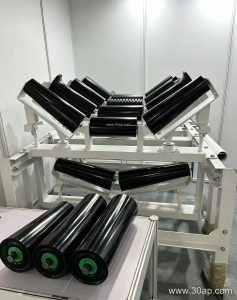
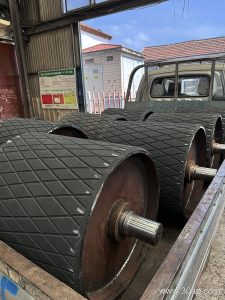
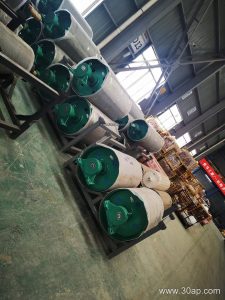
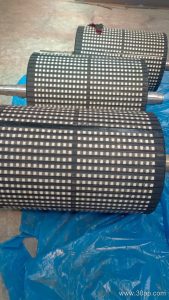
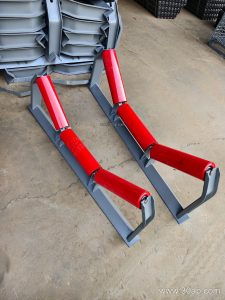
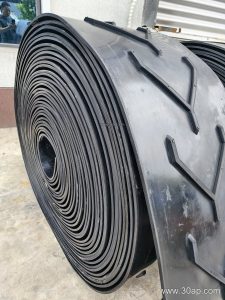
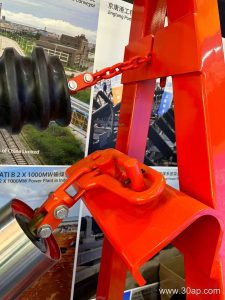
A cement conveyor belt is a heavy-duty rubber belt built to move clinker, limestone, gypsum, raw meal, and finished cement across long distances in cement plants. It is a type of Bulk Material Conveyor Belt used in quarrying, power plants, ports, and sand and gravel yards as well. The belt works together with conveyor pulleys, idler rollers, and conveyor brackets to form a complete conveying line. In cement production, dust, heat, and abrasive fines are constant, so the belt compound and carcass must be chosen for the actual duty rather than for general conveying.
Construction and Common Types
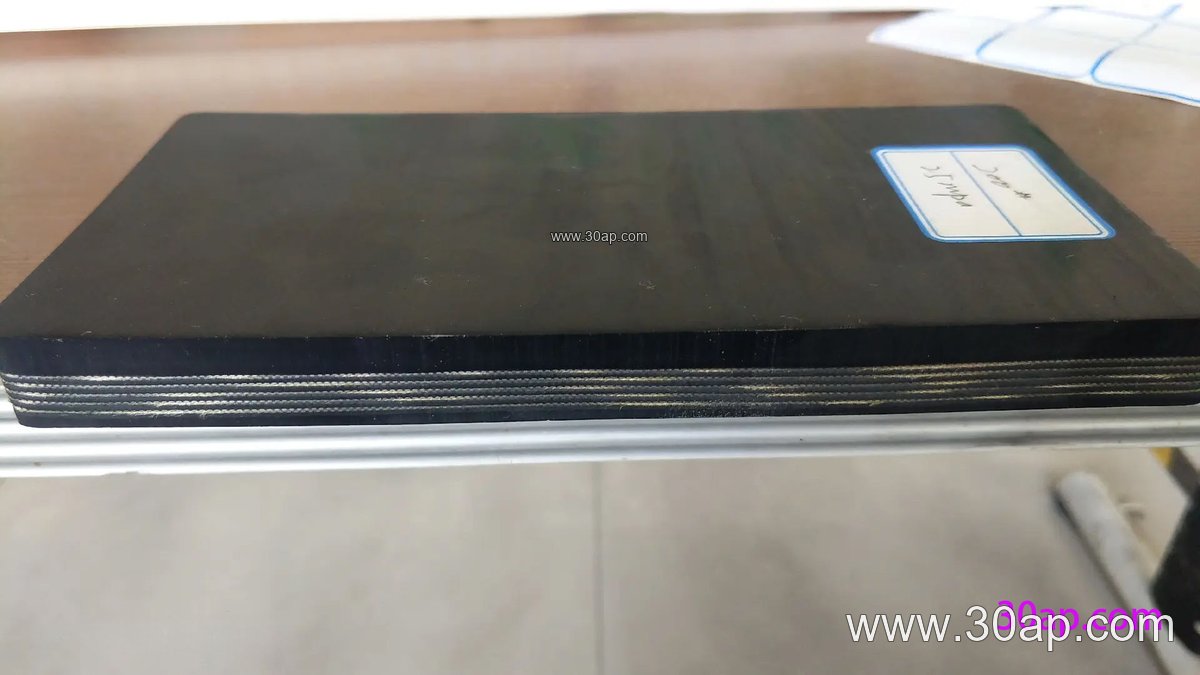
Most cement belts use a fabric core or a steel cord carcass. Fabric Core Conveyor Belt designs are common in medium-duty lines, while Steel Cord Conveyor Belt designs suit long, high-tension routes. EP Conveyor Belt and NN Conveyor Belt are the two main fabric-core families. EP (polyester-nylon) offers low stretch and good moisture resistance; NN (nylon-nylon) gives high flexibility and impact absorption. A Multi-Ply Fabric Core Conveyor Belt with 2 to 6 plies is typical, and the cover rubber is usually an Abrasion Resistant Conveyor Belt compound because clinker and limestone cut and wear the surface.
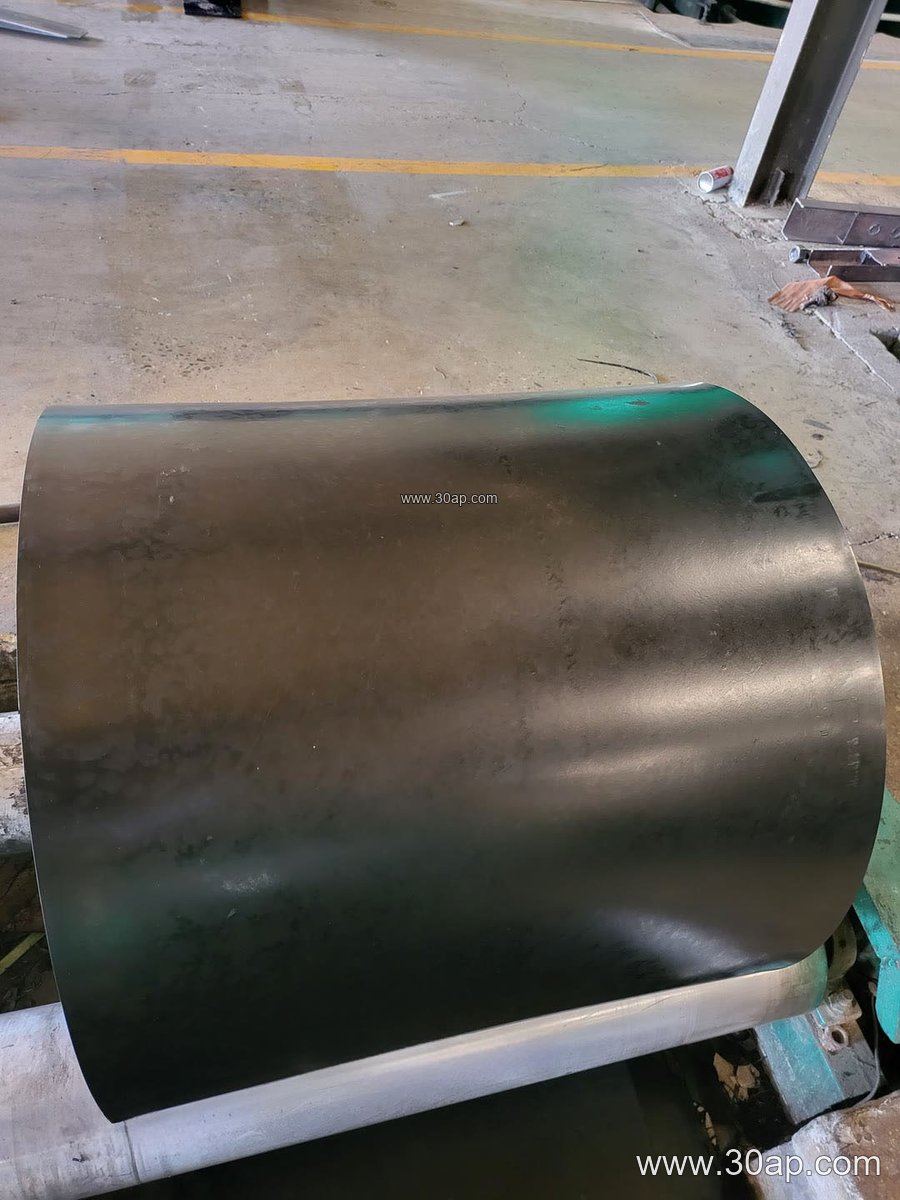
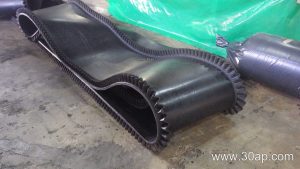
Where material is hot, a Heat Resistant Conveyor Belt grade helps the cover survive clinker discharge. In enclosed transfer points, a Flame Retardant Conveyor Belt or Fire Resistant Conveyor Belt may be specified. For dusty cement operations, an Anti-Static Conveyor Belt reduces static buildup. Steep inclines may call for a Chevron Conveyor Belt, while confined routing can use a Pipe Conveyor Belt to control spillage and dust.
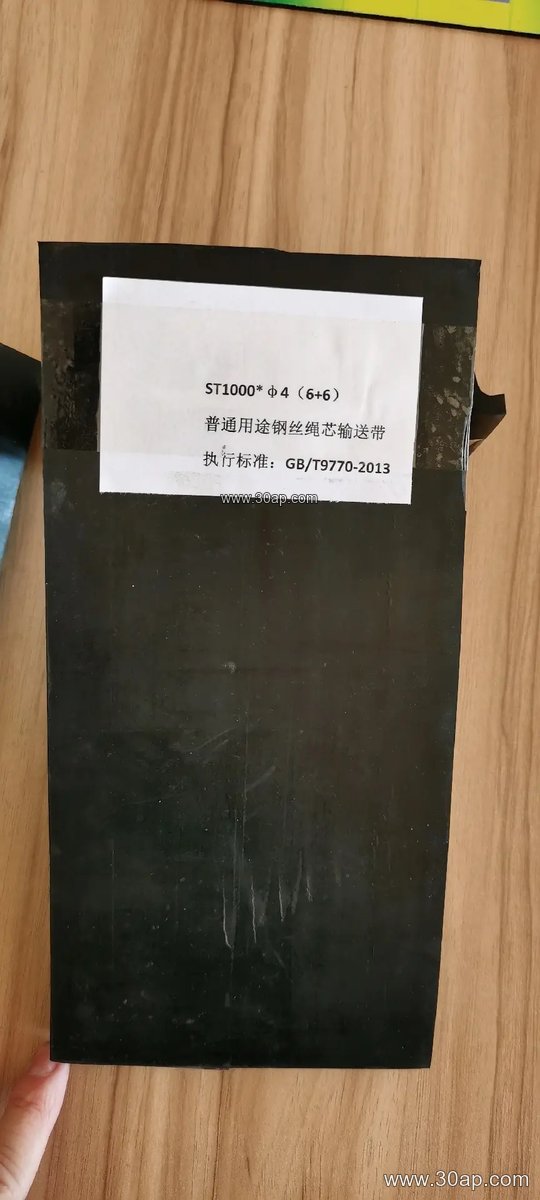
Typical Specifications
The table below shows common reference values. Actual figures depend on the conveyor design, and different manufacturers offer different ranges.
- Belt width: B500, B650, B800, B1000, B1200, B1400, B1600, B1800, B2000
- EP strength grades: EP200, EP315, EP400, EP500, EP630, EP800, EP1000, EP1250, EP1600, EP2000
- Cover thickness: 3+1.5, 4+2, 5+2, 6+2, 8+3 mm
- Carcass plies: usually 2 to 6 layers for fabric-core belts
For example, an EP1000 1200mm Conveyor Belt may be used on a main clinker line, while an EP1250 1800mm Conveyor Belt suits a high-capacity raw material route. These are examples, not fixed pairings; belt width and pulley diameter are matched by the conveyor designer, not by a single rule.
Where It Is Used
Cement plants use these belts from the quarry crusher to the raw mill, kiln feed, clinker cooler, and packing plant. Similar belts serve coal yards, power stations, iron ore and copper ore terminals, and aggregate operations. A Crusher Conveyor Belt or Quarry Conveyor Belt often needs high impact resistance at the loading point, so impact idlers and proper chute design matter as much as the belt itself. In underground coal mining, PVG Conveyor Belt and PVC Conveyor Belt grades are common, but they are a different product family from the cement belt and should not be substituted without checking the duty.
Buyer Checklist
- Confirm material type, lump size, temperature, and moisture before choosing the cover grade.
- Match belt tension to the drive, tail, and bend pulleys; these pulleys are not interchangeable.
- Check idler roller spacing and conveyor bracket condition to avoid edge damage and mistracking.
- Ask for the carcass ply count and cover thickness in writing, since EP200 and EP630 belts can look similar outside.
- Plan splicing: an Endless Conveyor Belt may be preferred for critical lines to reduce joint failure.
Regular inspection of the belt edges, splice, and pulley lagging keeps a cement line running. For more information on conveyor belt, idler roller, and conveyor pulley options, work with a supplier who can match the belt to your actual operating conditions.