What a Crusher Conveyor Belt Does in a Crushing Circuit
A crusher conveyor belt is the heavy-duty belt that carries blasted rock, crushed stone, ore, or aggregate away from a primary, secondary, or tertiary crusher and delivers it to screens, stockpiles, or the next stage of processing. It is not a general-purpose belt chosen by habit; it is a wear part and a production link at the same time. In a quarry, a cement plant, a coal preparation facility, or an iron ore concentrator, a stop in this belt usually means a stop in the whole crushing line.
The working conditions are severe. Material may arrive in large lumps with sharp edges, at high impact, and at temperatures that vary from winter cold to hot clinker or sinter. Dust, water, and oil mist are common. The belt must resist cutting and gouging, keep its carcass intact under repeated flexing over pulleys, and stay on track through transition zones. That is why the specification of a crusher conveyor belt is usually more demanding than the specification of a belt on a clean, light-duty line.
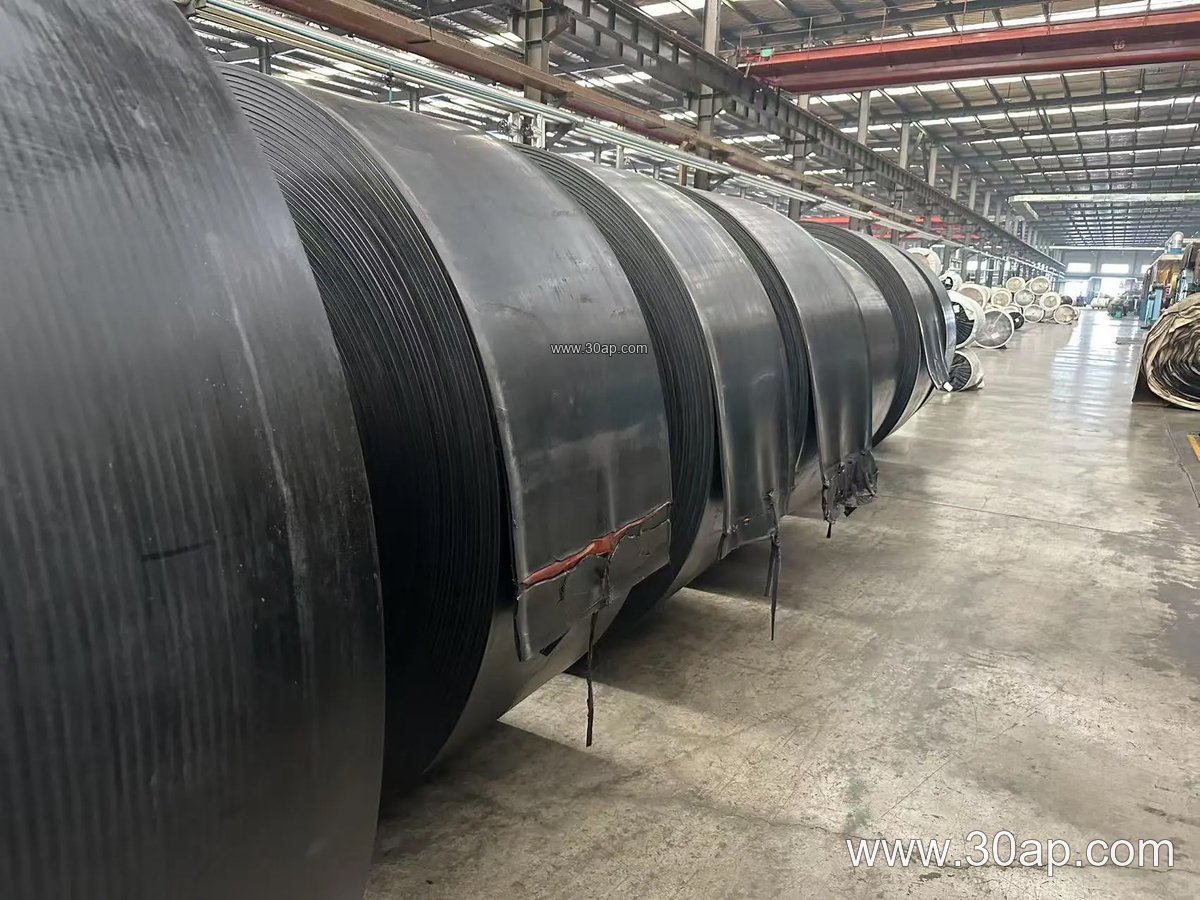
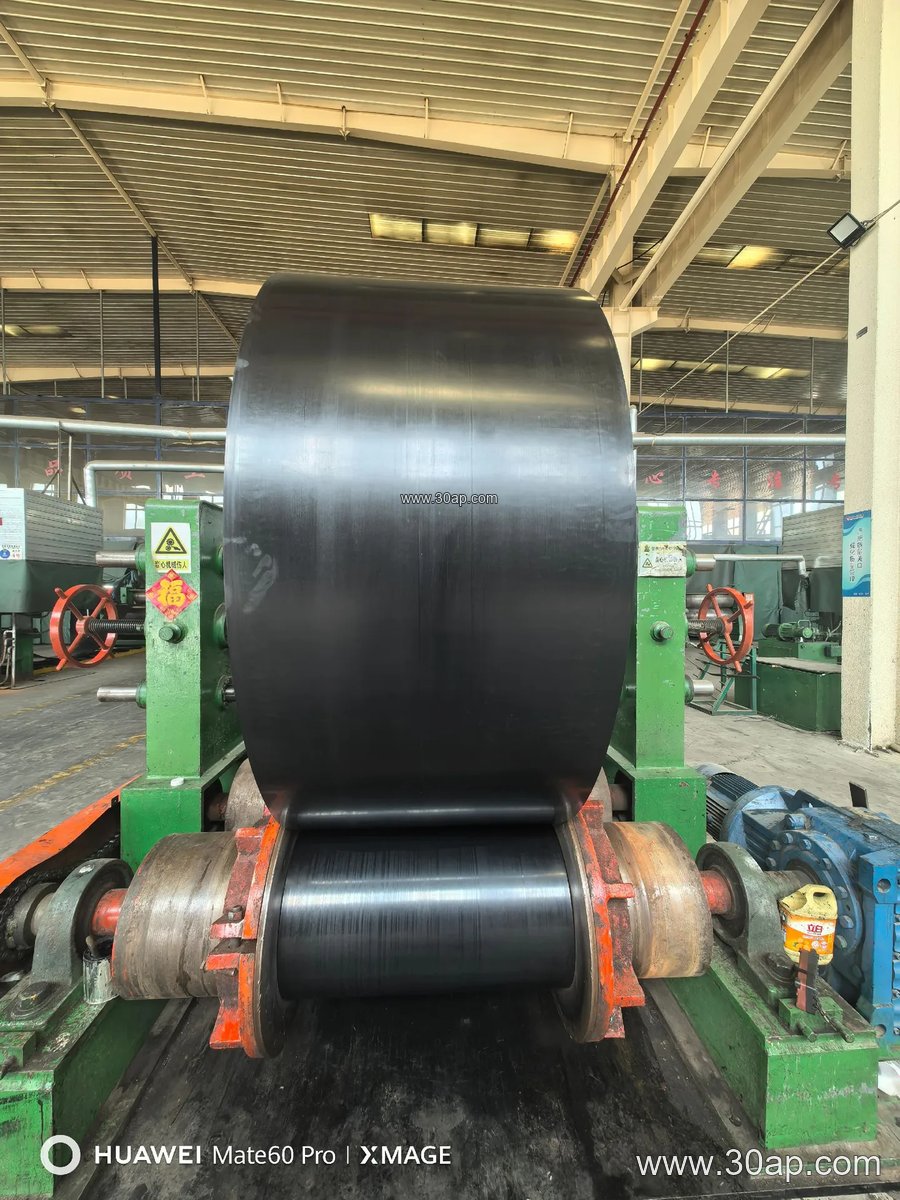
Construction and Common Belt Types
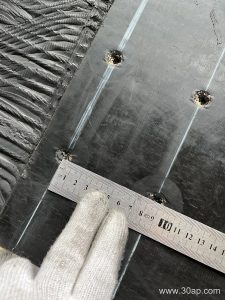
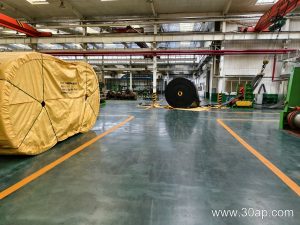
The belt is a composite: a tensile carcass, top and bottom cover rubber, and often an edge treatment. The carcass carries the load and controls elongation; the covers protect the carcass from abrasion, impact, heat, oil, or fire. For crusher duty, the most common carcass options are fabric core and steel cord.
- EP conveyor belt (polyester-nylon fabric core) is widely used because it offers good strength, low stretch, and reasonable cost. Common strength grades include EP200, EP400, EP630, EP1000, and EP1250.
- NN conveyor belt (nylon-nylon fabric core) provides high flexibility and impact resistance, which suits mobile plants and transfer points with tight pulley spacing.
- Steel cord conveyor belt is chosen for very high tension and long center distances, with grades such as ST1000, ST1600, and ST2500. It is less tolerant of small pulleys and sharp transition angles.
- Multi-ply fabric core conveyor belt with 2 to 6 plies is common in aggregate and cement circuits where moderate tension and good troughability are needed.
Cover compounds are selected by the dominant threat. An abrasion resistant conveyor belt is the baseline for crushed stone and gravel. A heat resistant conveyor belt is used after clinker coolers or in sinter service. A flame retardant conveyor belt or fire resistant conveyor belt is specified for coal mining and underground coal mining conveyor systems. Oil resistant and cold resistant grades appear in specific plant areas. For steep inclines, a chevron conveyor belt or a corrugated sidewall belt with skirts can prevent rollback and spillage, but these are separate designs, not replacements for a standard troughed belt.
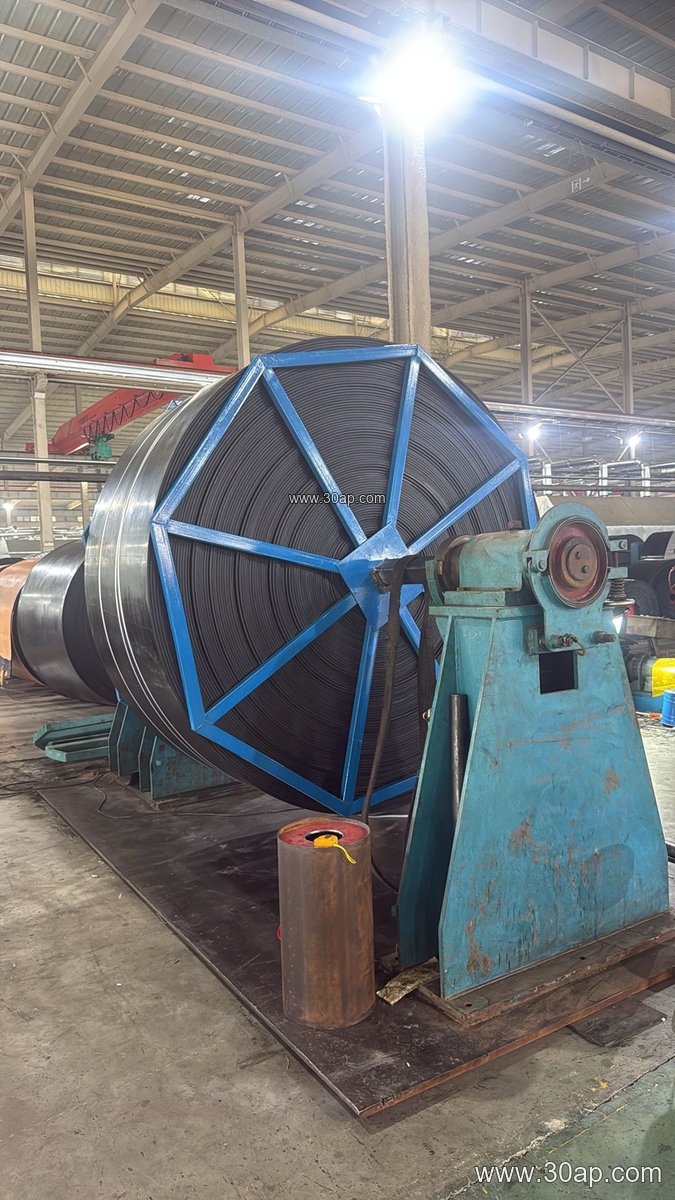
Typical Service Conditions and Belt Sizes
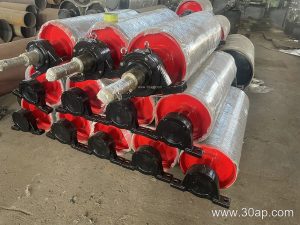
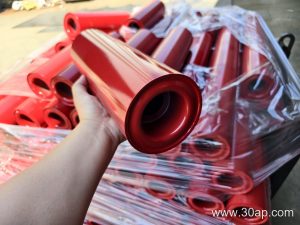
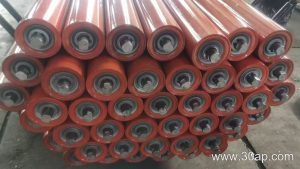
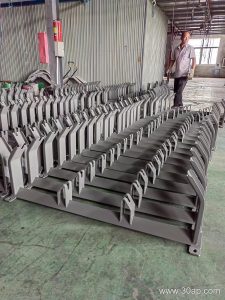
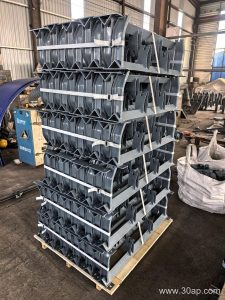
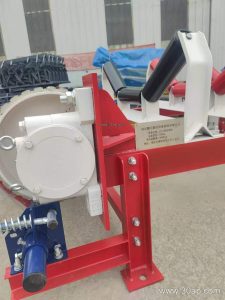
Crusher discharge points are impact zones. The belt at that point should have adequate cover thickness and, where drop height is significant, impact idler rollers or cushioning arrangements under the belt. Further along, the belt runs over carrying idler rollers and returns over return rollers, with a conveyor pulley at the head and tail. The conveyor bracket and frame must align these components so the belt trains correctly.
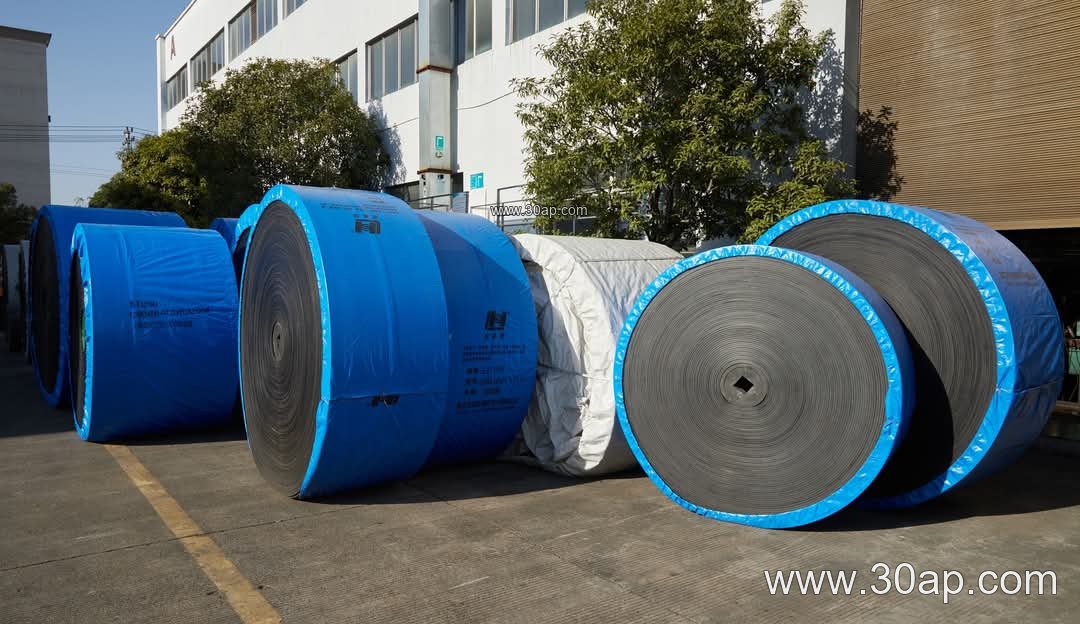
Common belt widths for crusher circuits include B650, B800, B1000, B1200, B1400, and B1600, with wider belts used in high-capacity primary stations. Cover thickness is often expressed as top plus bottom, for example 6+2 mm or 8+3 mm for heavy impact, and 4+2 mm for lighter secondary service. These are common references, not fixed rules; final selection depends on lump size, throughput, drop height, and pulley diameters. Belt width and pulley diameter are matched by conveyor design, and a given width does not dictate a single pulley size.
| Parameter | Common Reference | Notes for Crusher Service |
|---|---|---|
| Belt width | B650, B800, B1000, B1200, B1400, B1600 | Match to lump size and capacity |
| Carcass type | EP, NN, steel cord, multi-ply fabric | Steel cord for high tension and long runs |
| Strength grade | EP200 to EP1250; ST1000 to ST2500 | Confirm by conveyor tension calculation |
| Cover thickness | 4+2, 5+2, 6+2, 8+3 mm | Thicker top cover at impact points |
| Special grades | Abrasion, heat, oil, flame, cold resistant | Select by dominant operating condition |
Selection and Maintenance Notes for Buyers
Start with the duty: material type, maximum lump size, throughput, incline, pulley diameters, and ambient conditions. A belt that is over-specified for abrasion but under-specified for impact will still fail at the chute. Ask for the carcass type, ply count or cord grade, cover compound, and cover thickness in writing. For coal or underground installations, confirm the required flame retardant and anti-static properties with the conveyor designer.
In service, inspect the crusher conveyor belt at the discharge impact zone, the splice, and the edges. Check that idler rollers turn freely and that the conveyor pulley lagging is not worn smooth. Keep the belt cleaner adjusted so carryback does not build up on return rollers. A small tear at an edge can grow quickly under a crusher load, so repair it early. For related components, see conveyor belt, idler roller, and conveyor pulley guidance on our site.