What an EP Conveyor Belt Is
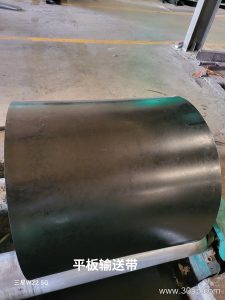
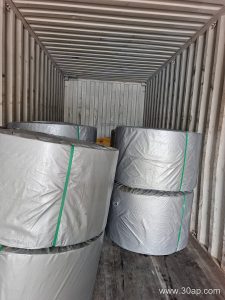
An EP Conveyor Belt is a fabric-core rubber belt whose tensile strength comes from polyester warp yarns and polyamide weft yarns, usually written as EP or polyester-polyamide. The carcass is protected by rubber covers on both faces, and the layers are bonded under heat and pressure so the plies work as one unit. Because the fabric stretches less than all-nylon construction, an EP Rubber Conveyor Belt holds its length well on long centre distances and keeps startup elongation under control.
Buyers often meet this product as an EP Fabric Core Conveyor Belt, and the terms describe the same belt. It should not be confused with an NN Conveyor Belt, which uses nylon in both directions, or with a Steel Cord Conveyor Belt, which relies on steel wires instead of fabric plies.
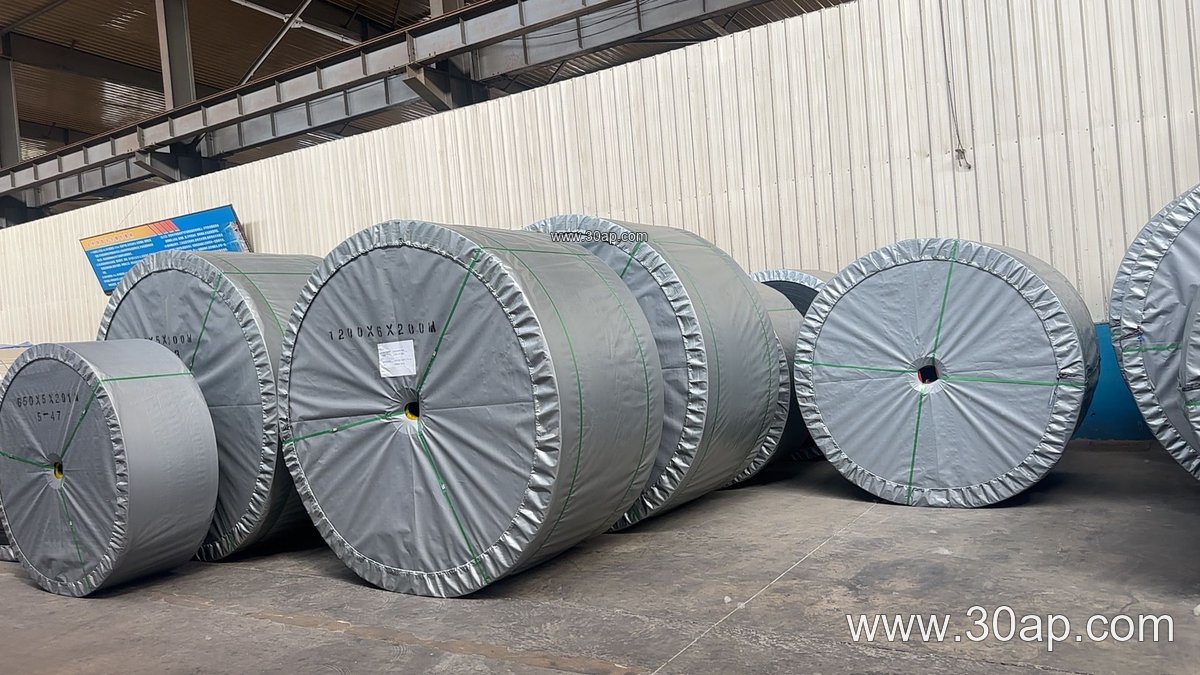
Construction and Cover Options
The carcass usually carries two to six plies, and the cover grade is selected for the cargo rather than for appearance. Common cover thickness combinations include 3+1.5 mm, 4+2 mm, 5+2 mm, 6+2 mm and 8+3 mm, with heavier covers used where sharp rock or hot clinker is present. Strength designations such as EP200, EP400, EP630, EP1000 and EP1250 describe the nominal tensile class of the fabric, while EP1600 and EP2000 sit at the upper end of the range.
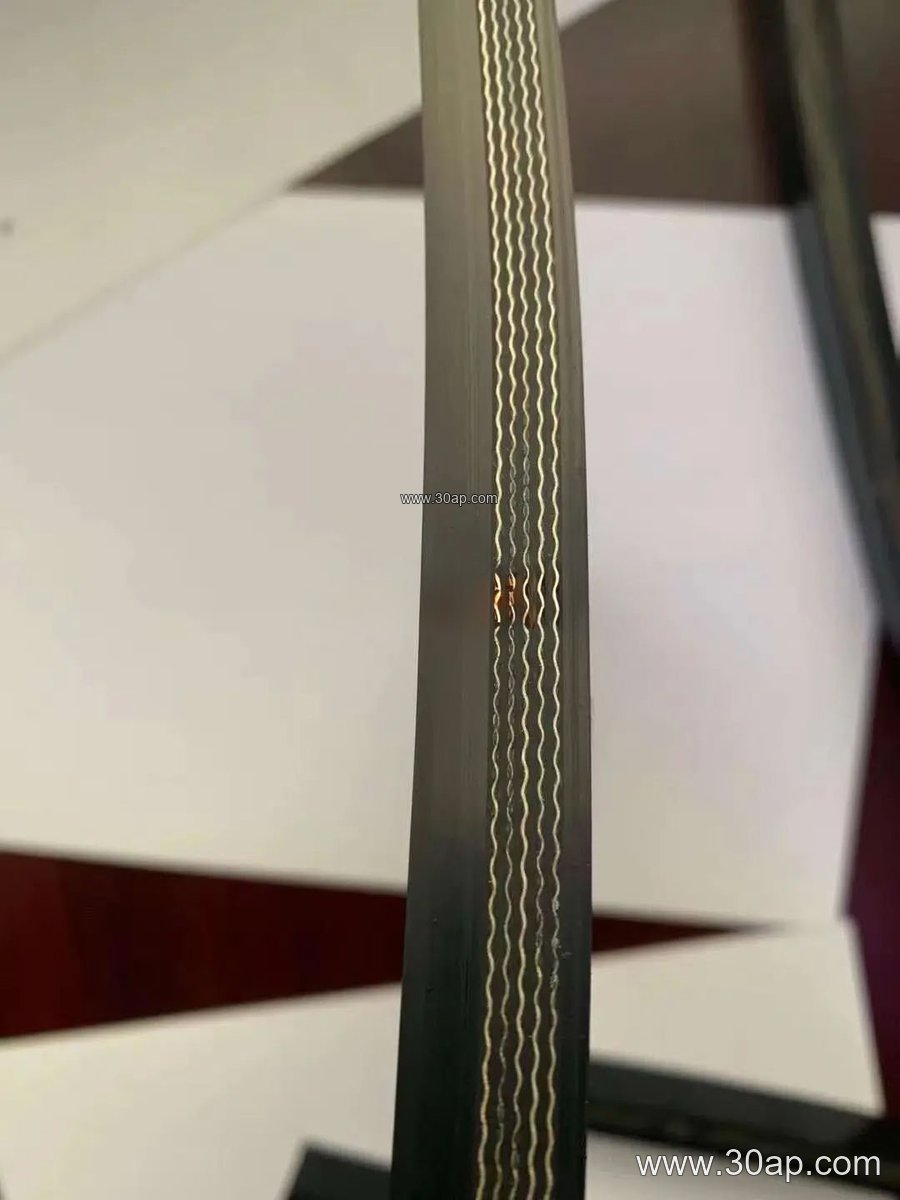
- Abrasion Resistant Conveyor Belt covers for sand, gravel and crushed stone
- Heat Resistant Conveyor Belt compounds for cement and sinter handling
- Flame Retardant Conveyor Belt and Anti-Static Conveyor Belt grades for underground coal work
- Oil Resistant Conveyor Belt covers for recycled material and oily scrap
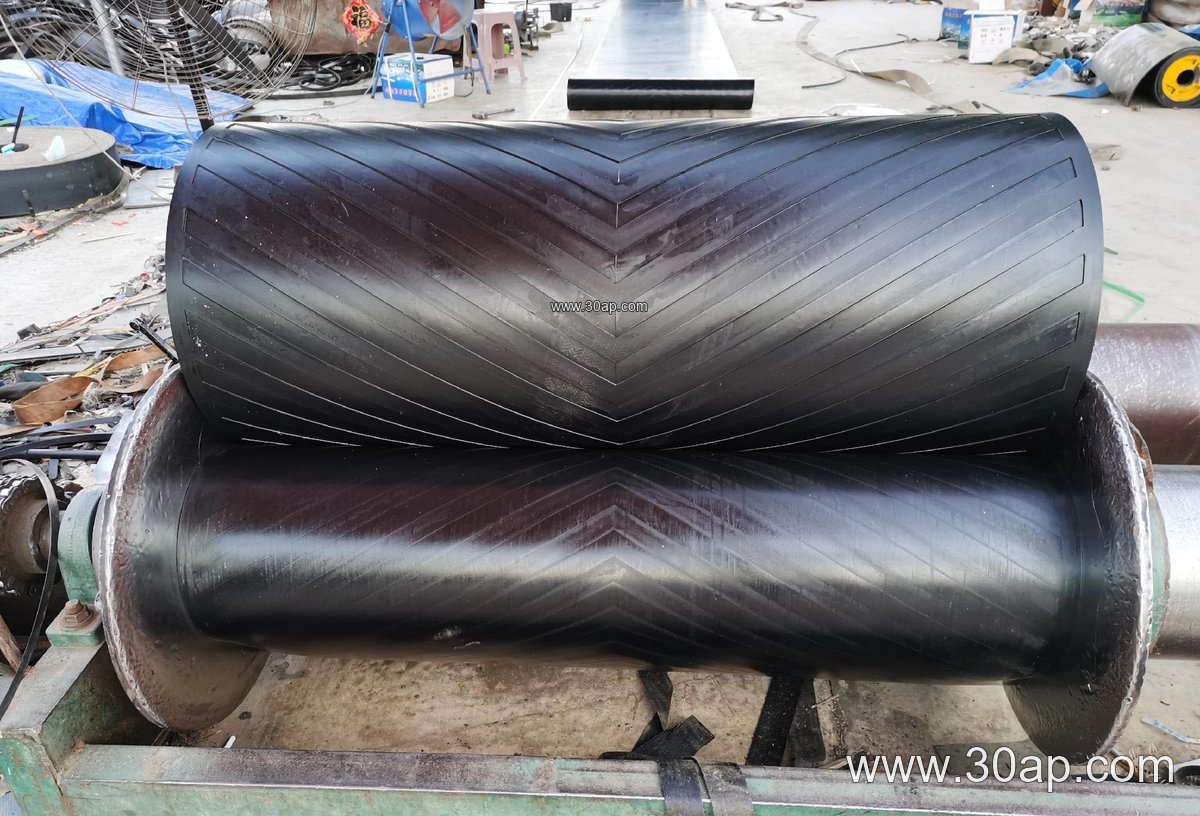
Special profiles are built on the same carcass when the route demands them. A Chevron Conveyor Belt adds raised ribs for steep inclines, a Corrugated Sidewall Conveyor Belt with cleats contains material on tight vertical curves, and a Pipe Conveyor Belt folds the edges into a tube to keep dust enclosed. These are design variants, not substitutes for a plain EP belt on a normal troughed line.
Where the Belt Fits in a Plant
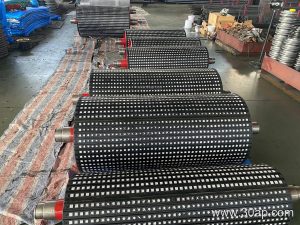
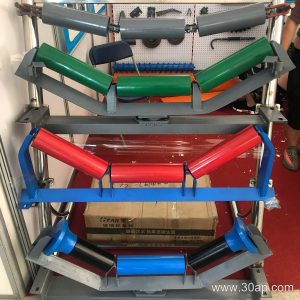
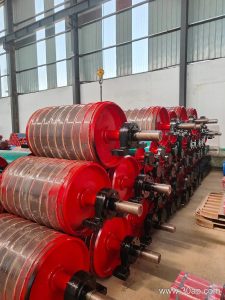
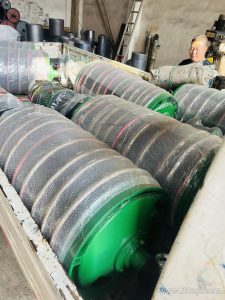
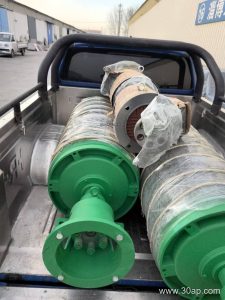
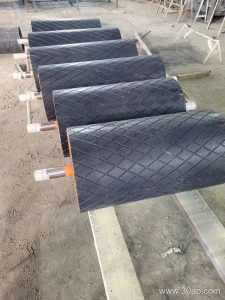
In a mine or quarry, an EP Conveyor Belt typically runs from the crusher discharge to the stockpile, working alongside idler rollers, conveyor pulleys and conveyor brackets that set the trough shape and track alignment. A Coal Mining Conveyor Belt in flame retardant grade is common in underground roadways, while a Cement Conveyor Belt moves limestone, clinker and additives across long inclined galleries. Power plants use the same family for coal and ash lines, and ports rely on wide belts for ship loading.
Widths commonly range from B500 and B650 up to B1200, B1400 and B1800, with wider decks such as B2000 or B2200 used on high-capacity trunk lines. A 1200mm wide belt and an 1800mm wide belt may look similar in a warehouse, but the pulley face, frame clearance and transition distance must be checked before either is ordered. Belt width alone does not fix shaft diameter, so drive, tail and bend pulleys are sized from the actual duty.
Selection Points for Buyers
Start with the peak tonnage, lump size and material temperature, then match the tensile class and cover grade to those figures. Confirm whether the line needs an Abrasion Resistant Conveyor Belt, a Heat Resistant Conveyor Belt, an Oil Resistant Conveyor Belt or a Cold Resistant Conveyor Belt, since the wrong compound shortens service life quickly. Ask for the ply count, cover thickness, edge condition and splice method, and state whether an Endless Conveyor Belt is required for a fixed drive.
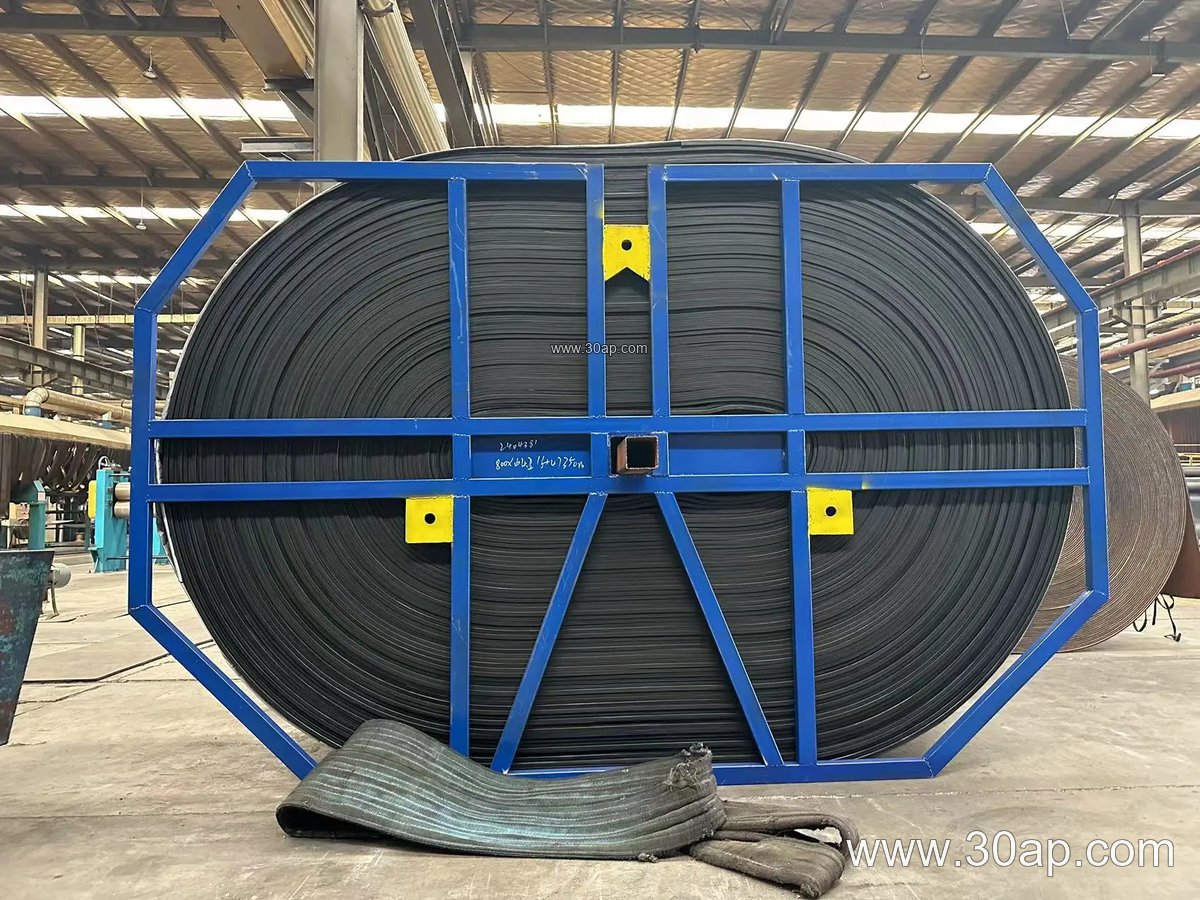
On site, keep the belt tracking straight, check idler roller rotation, and inspect pulley lagging for wear. A loose conveyor bracket or a seized roller can damage an otherwise sound belt within days. When replacing a unit, record the original strength class and dimensions, then verify them against the current conveyor drawing.
For a quick reference, see the typical data below. These are common ranges, not fixed supply promises, and each mill may vary slightly.
| Item | Common Range |
|---|---|
| Tensile class | EP200 to EP2000 |
| Belt width | B500 to B2200 |
| Ply count | 2 to 6 |
| Cover thickness | 3+1.5 to 8+3 mm |
Further details on fabric core belting are available at rubberbeltpro.com, and matching conveyor components can be reviewed at rubberbeltpro.com/conveyor-roller.