What a Mining Impact Idler Does
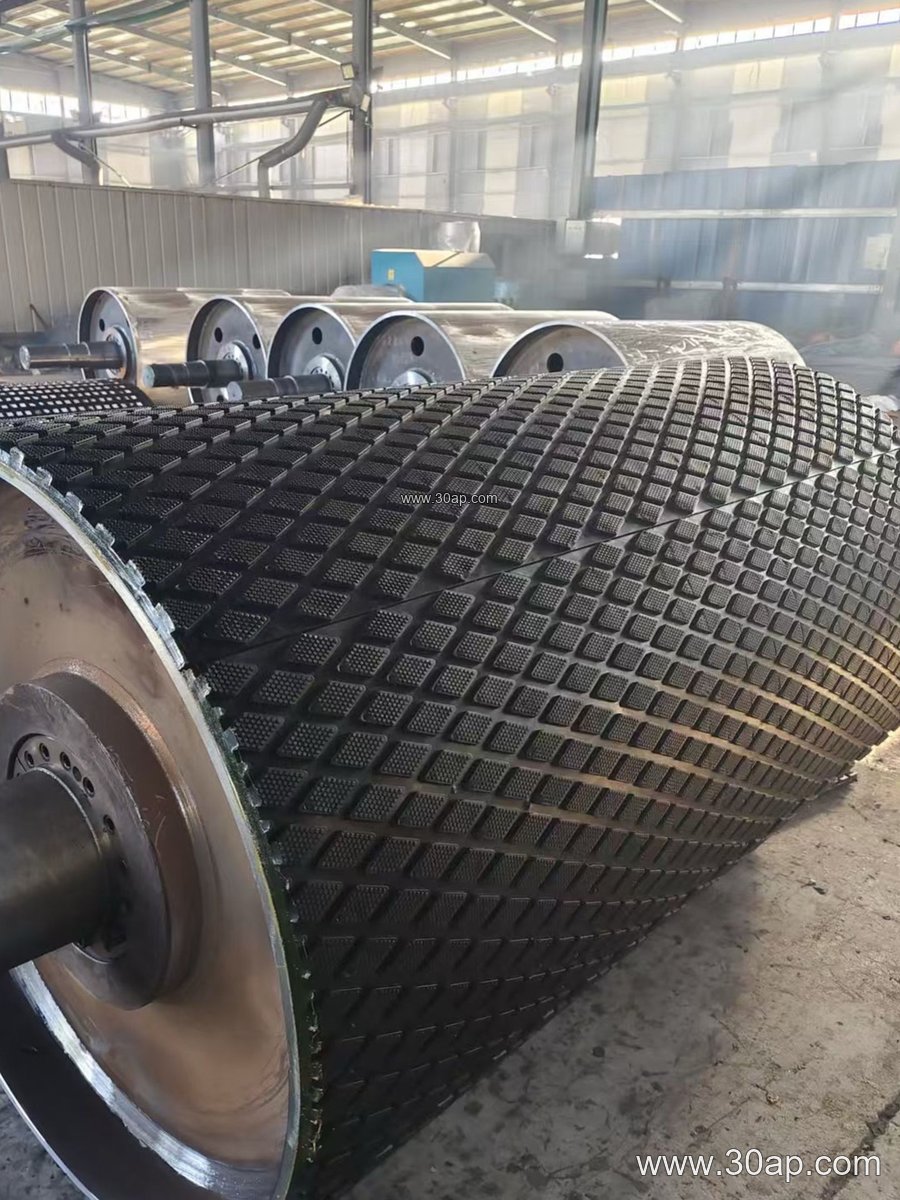
A Mining Impact Idler is a heavy-duty conveyor idler roller placed at transfer points where crushed rock, ore, or coal drops onto the belt. Instead of a standard steel shell, this impact idler roller uses rubber rings or a rubber-covered surface to absorb the falling material’s energy. The goal is simple: protect the conveyor belt from gouging, cutting, and puncturing while keeping the belt line stable under shock loading. In hard-rock mines, quarries, and coal handling plants, the impact idler often sits directly under the chute or crusher discharge, where a standard troughing idler would fail quickly.
Construction and Common Features
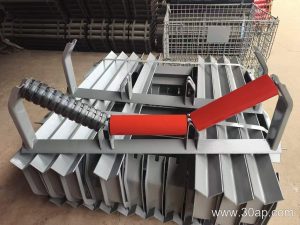
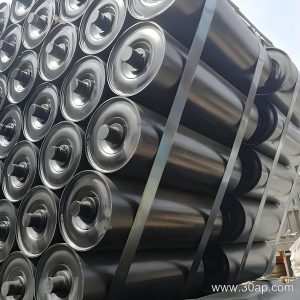
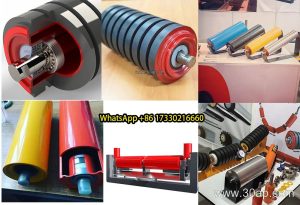
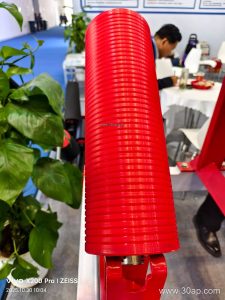
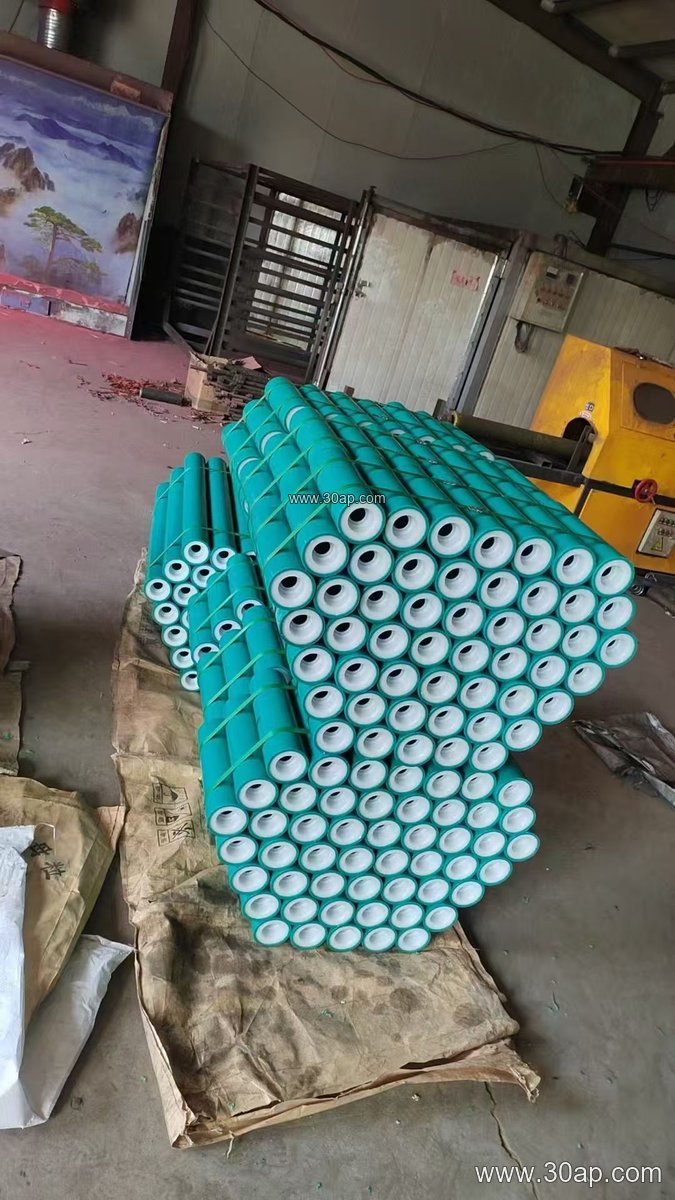
The body usually starts with a steel tube shell, fitted with sealed bearings and a shaft sized to the frame. Rubber rings are mounted along the shell, often in a staggered pattern, to cushion impact and allow fines to fall away. Some designs use a continuous rubber sleeve instead of rings. Bearing seats and seals are critical because dust and water ingress shorten service life. Common bearing numbers in this class include 6205, 6305, 6306, and 6308, but the correct bearing depends on load and shaft design, not on belt width alone. Roller diameters commonly range from Ø89 to Ø159 for impact service, with larger diameters used where lump size and drop height are severe.
Where It Fits on the Conveyor
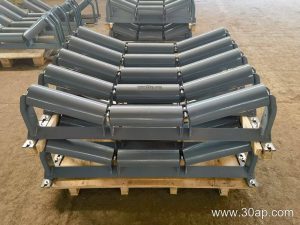
Impact idlers are typically arranged in a group of two or three rolls, forming a trough that supports the belt at the load point. They are not a replacement for carrying idlers along the full conveyor, nor for return idlers underneath. In a typical transfer station, you might see a impact idler group followed by standard troughing idlers and then transition idlers as the belt settles into its profile. The conveyor bracket and frame must be strong enough to resist the repeated shock; otherwise the idler frame itself becomes the weak link. In underground coal mining and surface quarry operations alike, the impact zone is often the first place maintenance crews inspect after a belt stoppage.
Matching the Idler to the Belt and Duty
Selection starts with the conveyor belt width and the material lump size. A 800mm or 1000mm belt handling primary crushed ore will need a different impact idler layout than a 1200mm belt carrying screened aggregate. Trough angle also matters: 20, 30, 35, and 45 degrees are common, and the roll length changes with belt width and trough form. For example, a three-roll trough on a B800 belt often uses rolls around 315 mm long, while a B1200 belt may use rolls near 465 mm. These are typical examples, not fixed rules. The impact idler should be matched to the belt’s rated tension and the conveyor’s load profile. A heavy-duty mining conveyor belt such as an EP200 or EP300 fabric core belt, or a steel cord belt in high-tonnage service, will still suffer impact damage if the idler group is undersized.
Buyer Checklist
- Confirm the drop height and maximum lump size at the transfer point.
- Check the belt width, trough angle, and existing idler frame dimensions.
- Ask for the rubber ring hardness and bonding method, since these affect impact absorption and wear life.
- Review bearing size, seal type, and lubrication approach for dusty or wet conditions.
- Verify that the shaft and bracket mounting match the conveyor structure.
- Consider the belt type: a flame retardant conveyor belt or heat resistant conveyor belt may need different idler spacing and rubber compound compatibility.
For anyone sourcing conveyor components, the Mining Impact Idler is a small line item with a large effect on belt life. Buyers comparing idler roller suppliers should ask for drawings, rubber specifications, and bearing details rather than relying on a single size number. At chinaconveyorbelt.com, impact idler and conveyor pulley inquiries are often reviewed together because the load zone performance depends on the whole transfer point, not just one roller.
Maintenance and Replacement Notes
Inspect impact idlers for flattened rubber rings, loose rings, and seized bearings. A worn impact idler can cause the belt to sag at the load point, which increases spillage and belt edge damage. Replace the group as a set when possible, and check that the replacement rolls turn freely before installation. In cement plants, power plant coal yards, and sand and gravel lines, dust buildup around the idler frame is common, so cleaning access should be part of the maintenance plan. Keep a small stock of the most common roll sizes for your conveyor line to avoid long downtime.