What the Impact Idler Bracket Does
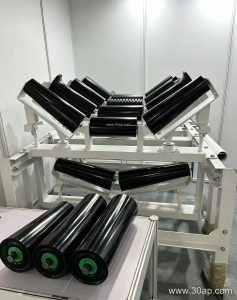
The impact idler bracket is the support frame that sits directly beneath a conveyor belt loading point and holds the impact idler rollers in position. In a quarry, a limestone mine, or a crushing and screening line, material often drops from a chute with significant force. Without a sturdy bracket, that energy transfers straight into the belt and the roller frames, shortening the life of both. The bracket absorbs and spreads the shock, keeps the rollers aligned, and maintains a stable belt profile as the load settles.
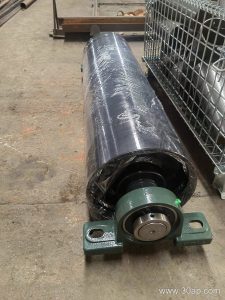
It is useful to separate this component from the parts around it. A conveyor pulley at the drive or tail end pulls and tensions the belt, while the impact idler bracket is a stationary support element in the load zone. The two are not interchangeable, and neither are the various bracket subtypes. An impact bracket is specifically designed for cushioning, unlike a standard carrying bracket used along the steady middle section of the conveyor.
How the Bracket Is Constructed
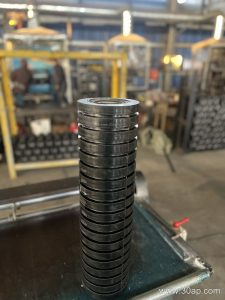
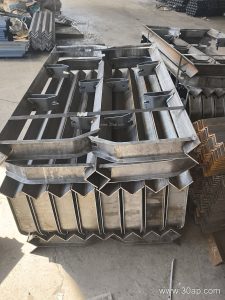
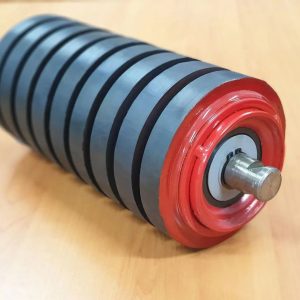
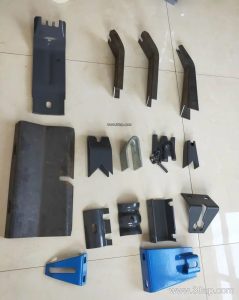
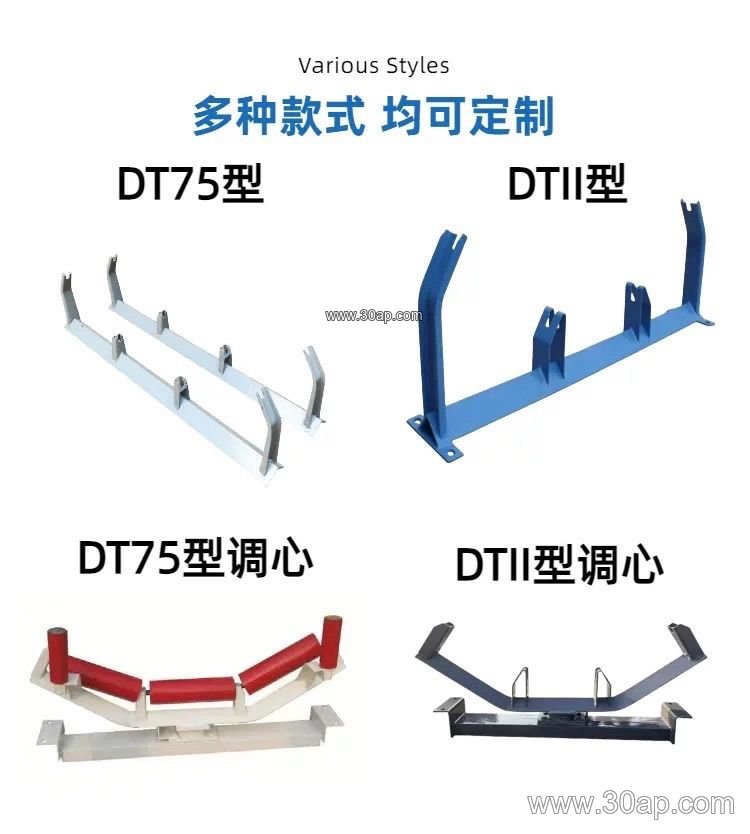
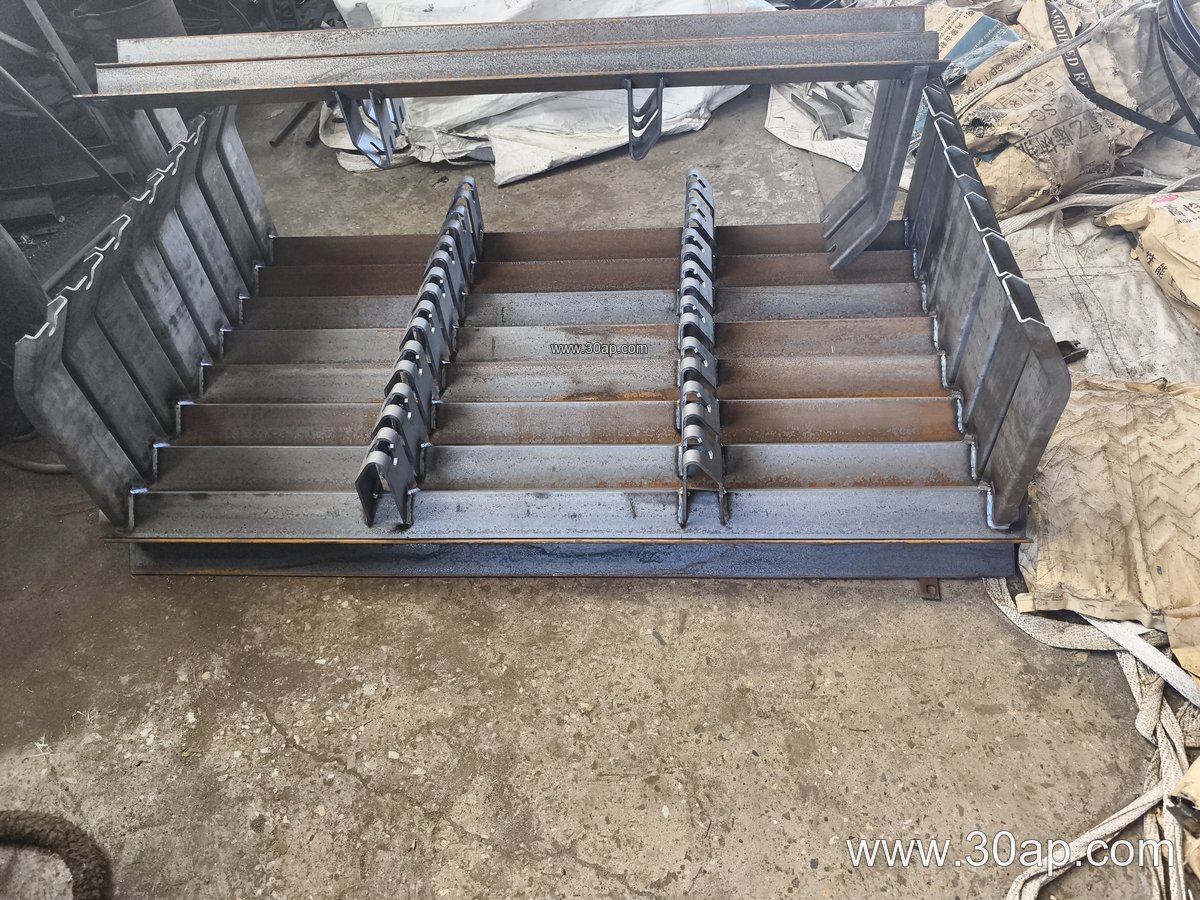
Most impact idler brackets are fabricated from angle steel, channel steel, or folded steel plate. The frame usually carries two or three roller stations, and the impact rollers themselves are commonly fitted with rubber rings or a cushioned shell to soften the drop. The bracket must be rigid enough to resist vibration yet precise enough to keep the roller axes parallel.
Typical build details include:
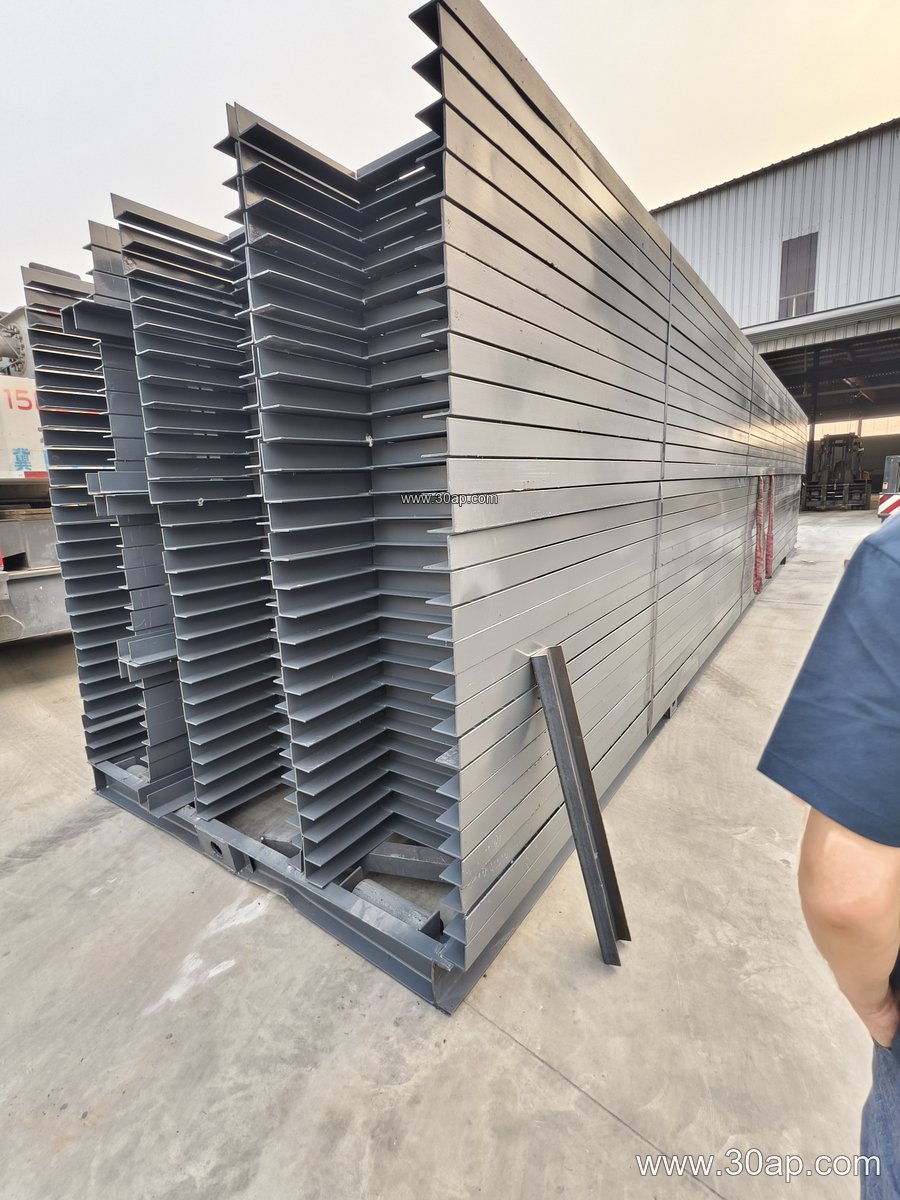
- Welded or bolted crossbeams sized to the belt width and trough angle
- Mounting slots that allow the roller frame to be positioned under the chute
- Reinforced gussets at the load-bearing corners
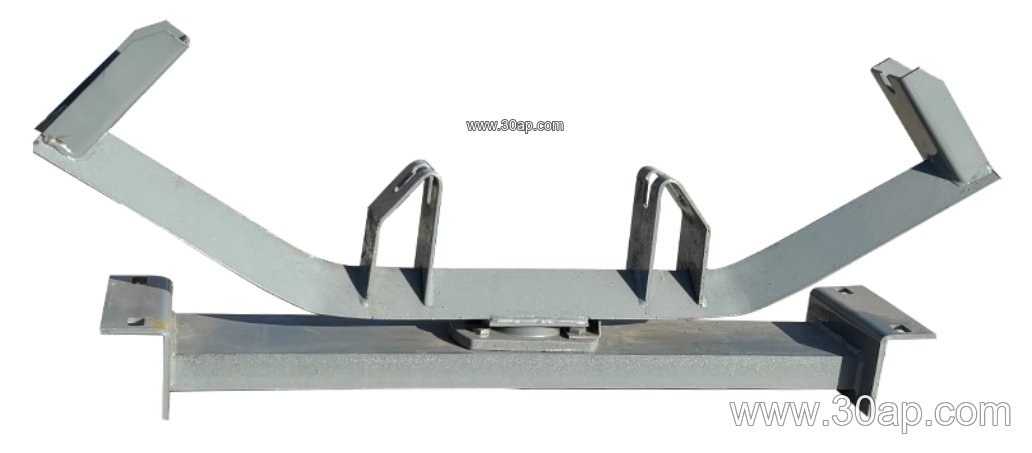
- Adjustable versions that let maintenance staff fine-tune the trough angle
Because loading conditions vary, the bracket is usually specified together with the roller diameter and belt width rather than as a standalone item. A common arrangement might be B800 with a 35 degree trough and Ø108 rollers, or B1200 with a 45 degree trough and Ø133 rollers, but these are examples rather than fixed rules.
Where It Fits in a Conveying System
The bracket belongs at the transfer point, where a belt receives material from a crusher, screen, or chute. In a coal washing plant or a power plant coal yard, it protects the belt from repeated impact. In a cement plant, it is often found under clinker or raw meal loading stations. Sand and gravel operations use it at the head of a primary conveyor, and a port or ship loading facility may rely on it where material falls from a hopper.
The bracket works alongside the conveyor belt and the idler roller set. A well-matched impact zone reduces belt surface damage, which matters when the belt is a heavy-duty mining conveyor belt or an abrasion resistant conveyor belt carrying sharp rock. Users of EP conveyor belt and steel cord conveyor belt constructions also benefit, since impact damage can shorten the service life of any carcass type.
Common Configurations and Reference Dimensions
Brackets are usually grouped by trough angle and by the belt width they serve. The table below shows reference combinations that appear in general design practice; final values should always follow the conveyor design.
| Belt Width | Trough Angle | Typical Roller Diameter | Bracket Note |
|---|---|---|---|
| B500 | 20 to 30 degrees | Ø89 | Compact frame for light duty |
| B650 | 30 degrees | Ø89 or Ø108 | Common in aggregate lines |
| B800 | 35 degrees | Ø108 | General purpose impact station |
| B1000 | 35 to 45 degrees | Ø133 | Heavier crossbeam |
| B1200 | 35 to 45 degrees | Ø133 or Ø159 | Widely used in mining conveyors |
| B1400 | 35 to 45 degrees | Ø159 | Reinforced frame |
| B1600 | 35 to 45 degrees | Ø159 or Ø194 | Heavy load zone |
| B1800 to B2200 | 35 to 45 degrees | Ø159 or Ø194 | Large width, custom fabrication |
Adjustable brackets allow trough angles of 20, 30, 35, or 45 degrees to be set within one frame. Forward-leaning designs, around 1.5 to 2 degrees, are sometimes used to help center the belt. Mounting hole spacing and crossbeam length vary with belt width and trough angle, so they are determined per design rather than treated as universal numbers.
What a Buyer Should Check
Before ordering, confirm the belt width, the impact idler diameter, and the required trough angle. Ask whether the frame is fixed or adjustable, and check that the mounting dimensions suit the existing conveyor structure. Material and welding quality matter in abrasive service, especially in a crusher conveyor belt line or an iron ore conveyor belt installation where dust and fines are present.
Also consider the belt type in use. A flame retardant conveyor belt in an underground coal mining conveyor belt system, or a heat resistant conveyor belt near a sintering plant, may call for different clearances and roller choices. The bracket itself is simple, but matching it to the belt, the roller, and the load zone is what keeps the conveyor running smoothly.