What Is a Non-Standard Conveyor Bracket
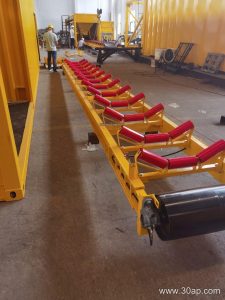
A non-standard conveyor bracket is a support component engineered to fit conveyor layouts where off-the-shelf brackets do not match the belt width, trough angle, roller diameter, or structural interface. In quarry, limestone, and iron ore operations, standard brackets often fail to accommodate transitions, tight curves, or custom frame geometry. This custom conveyor bracket bridges that gap, providing a tailored mounting solution for idler rollers and conveyor pulleys. Unlike a standard off-the-shelf bracket, it is designed around the specific conveyor profile, ensuring proper belt support and alignment. At Shendong Conveyor Components (www.shendongconveyor.com), we manufacture these brackets to order, focusing on dimensional accuracy and material durability.
Construction and Materials
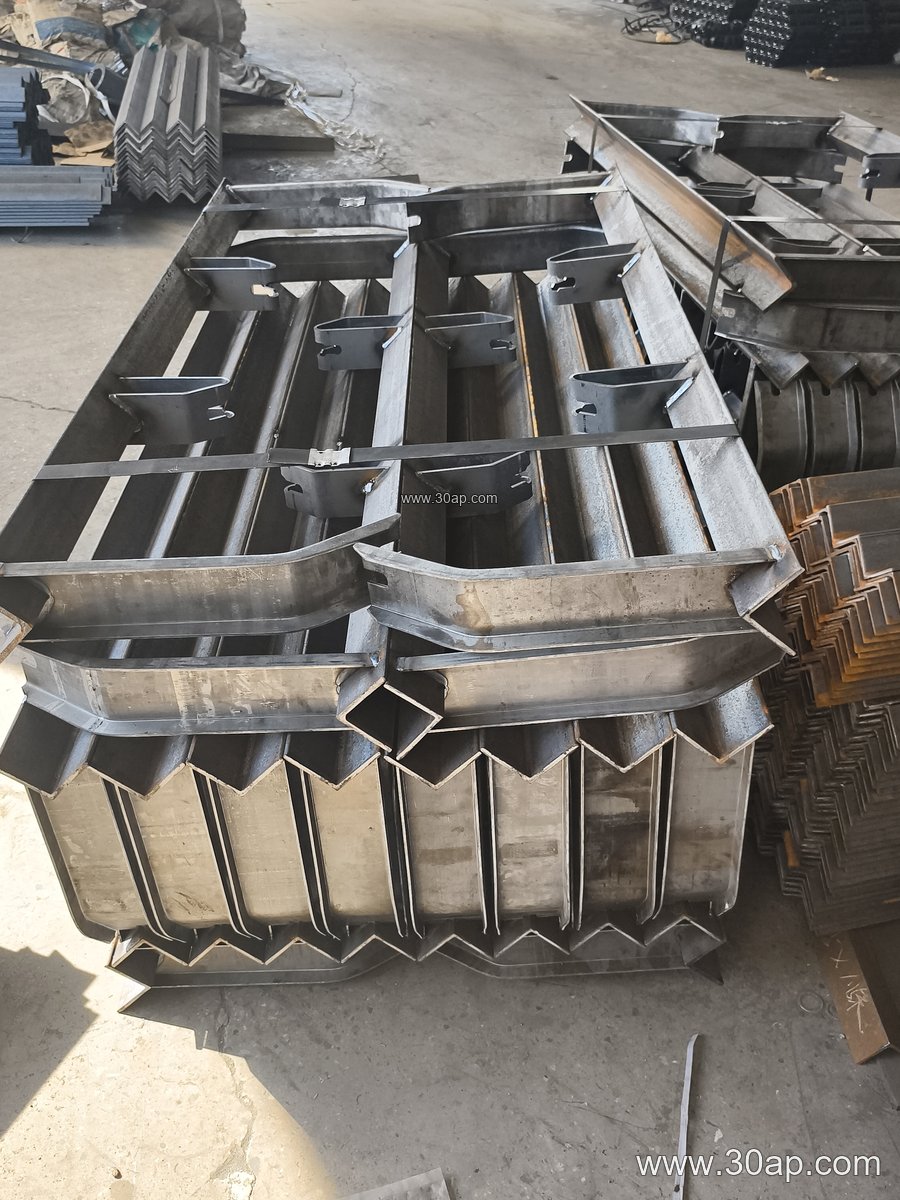
Non-standard conveyor brackets are typically fabricated from angle steel, channel steel, or folded steel plate. The choice depends on load requirements and environmental conditions. For heavy-duty mining conveyor belt systems, thicker channel steel is common to resist impact and vibration. The bracket may include features such as slotted holes for adjustable trough angles, reinforced mounting pads, or integrated transition sections. Welding quality and hole placement are critical; misalignment can cause premature wear on the conveyor belt and idler roller. Surface treatment, such as painting or galvanizing, is often specified for corrosive environments like coal washing plants or fertilizer silos.
Typical Applications and Design Variations
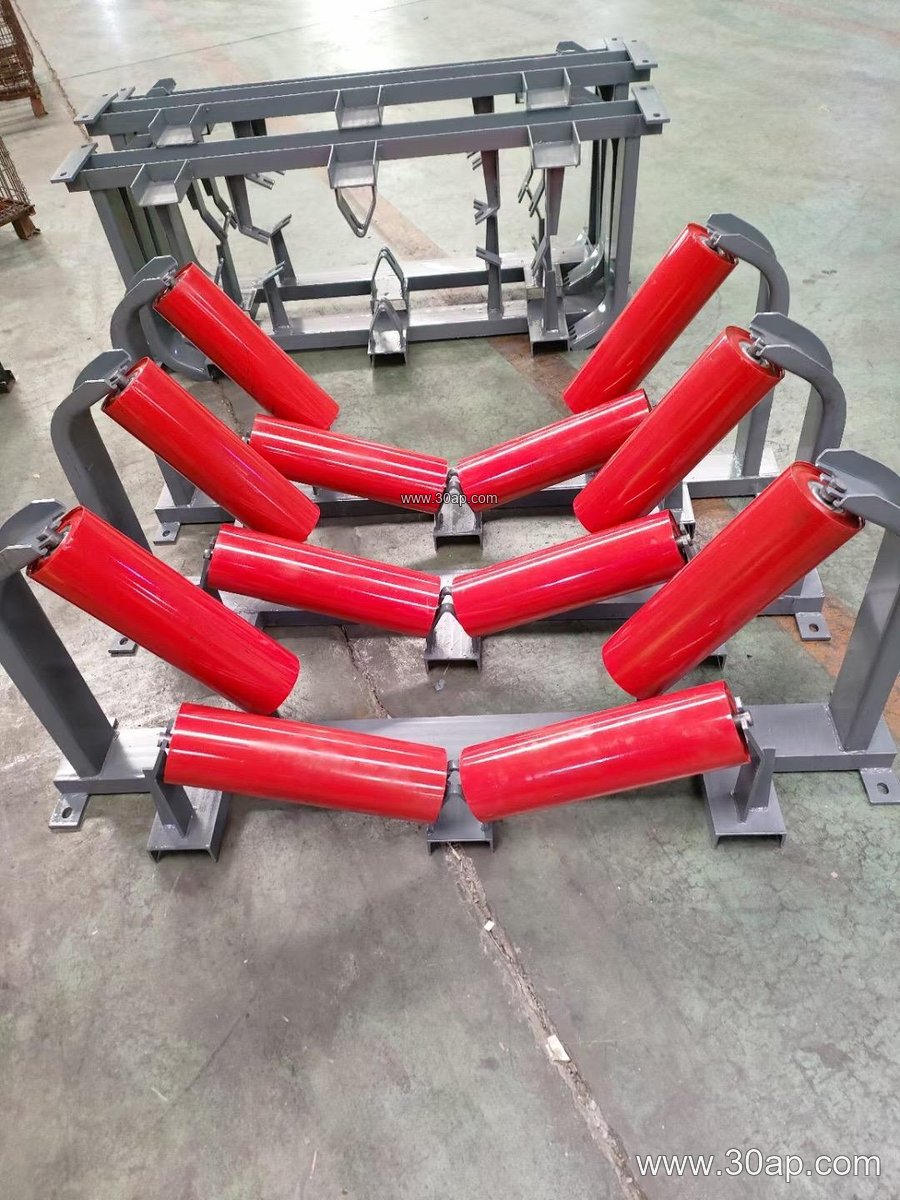
These brackets are used in a variety of industries where standard components fall short. In a limestone quarry, a non-standard trough bracket might be needed to achieve a 45-degree trough angle with a 1200mm wide conveyor belt and Ø133 rollers, a combination not covered by standard catalog items. In a cement plant, transition brackets may be custom-made to guide the belt from a flat pulley to a 35-degree troughing idler roller. Other variations include V-return brackets for improved belt tracking, impact brackets for crusher discharge points, and adjustable brackets that allow angle changes between 20 and 45 degrees. When specifying, consider the belt width (e.g., B800, B1400) and roller diameter (Ø89 to Ø194) to ensure proper fit. The bracket must also align with the conveyor pulley centers and frame bolt patterns.
Key Selection Considerations
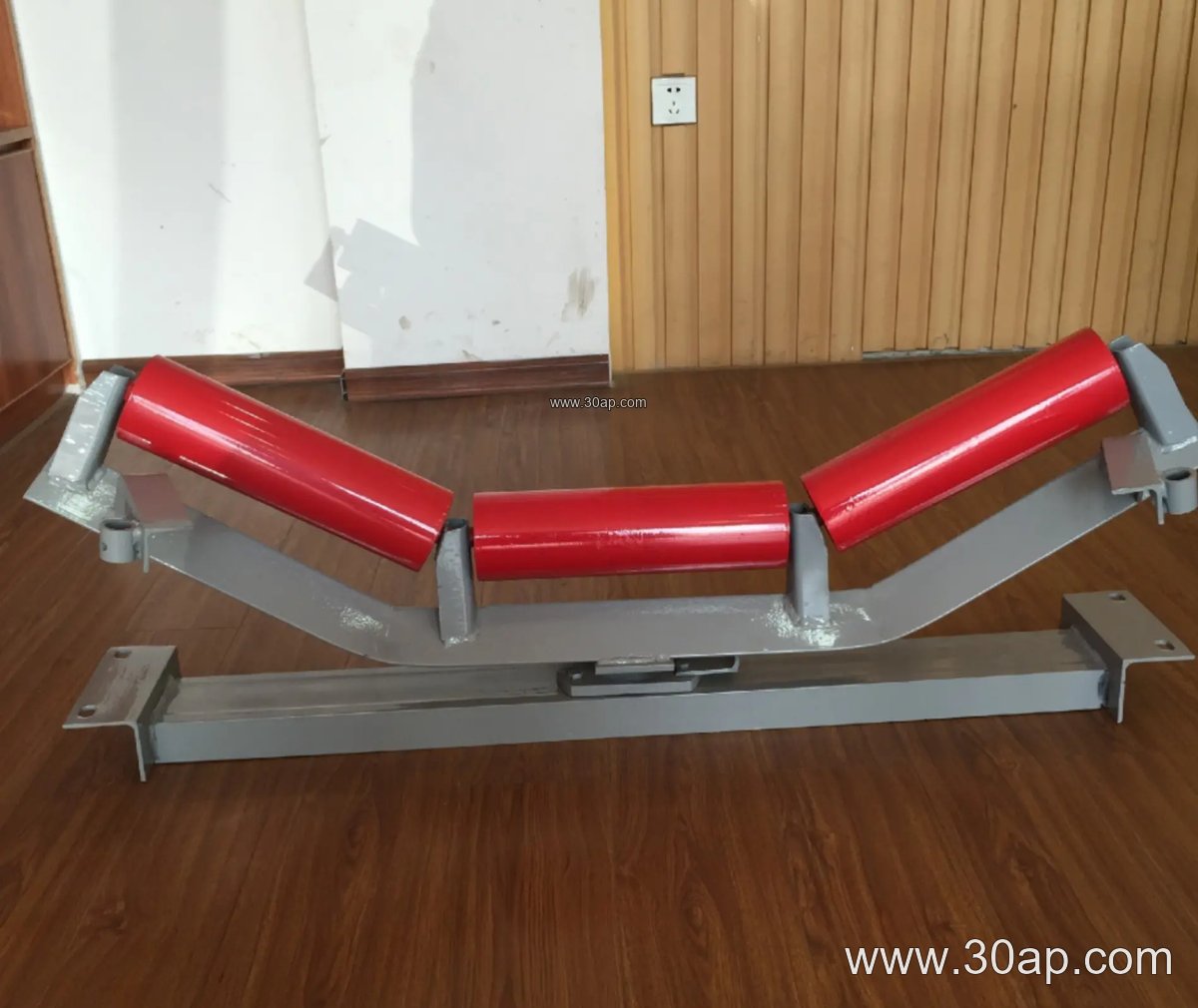
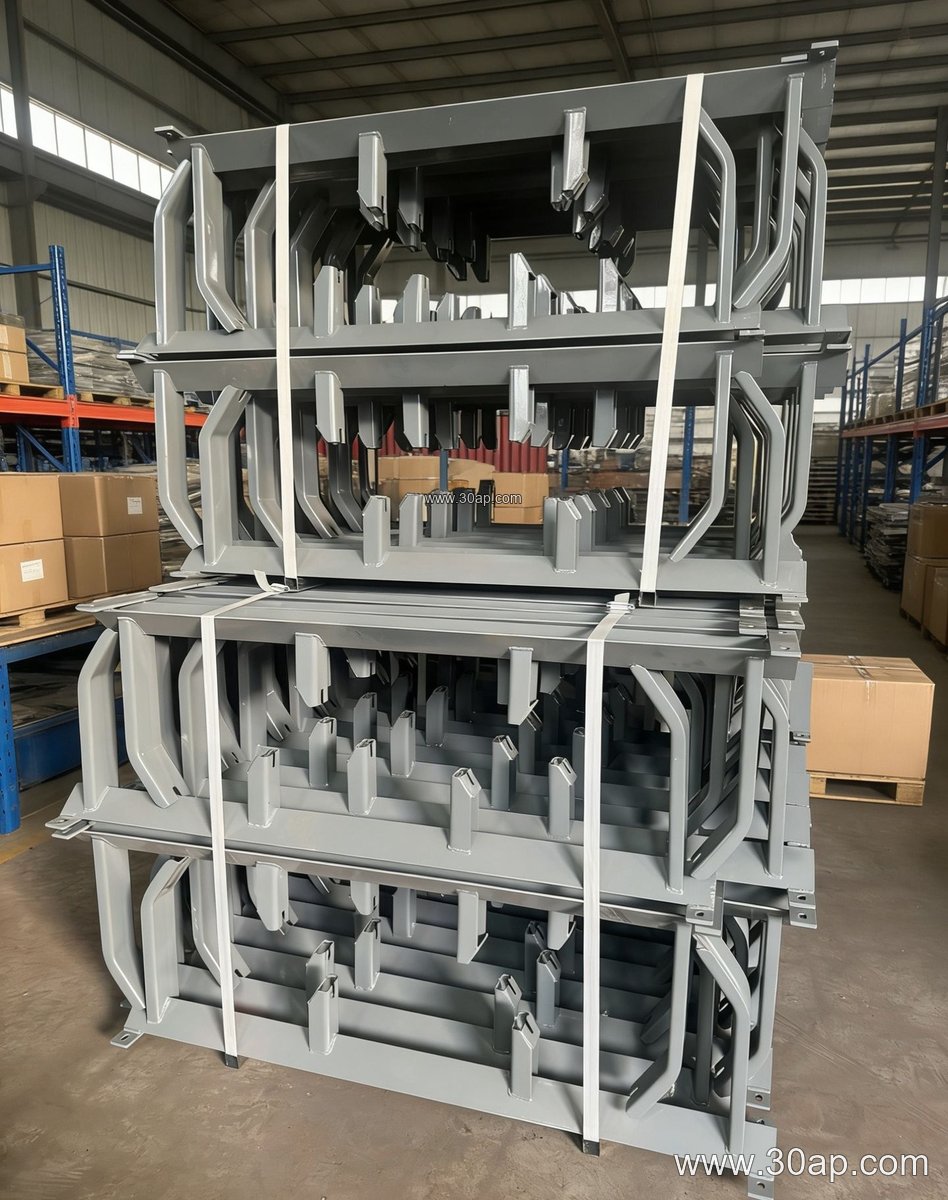
Buyers should provide detailed dimensional drawings or measurements of the existing conveyor structure, including hole spacing, beam size, and required trough angle. The bracket material should match the application: for a coal mining conveyor belt system, flame retardant and anti-static properties may be relevant for the belt, but the bracket itself must resist corrosion and impact. For a port conveyor handling bulk material, stainless steel or galvanized brackets may be preferred. Always confirm that the non-standard conveyor bracket is compatible with the selected idler roller and conveyor pulley series. Avoid assuming that a given belt width dictates a specific roller diameter; each design is validated individually.
Installation and Maintenance Tips
Proper installation ensures the bracket performs as intended. Use torque values recommended for the bolt grade and ensure brackets are shimmed to maintain consistent belt height. Regular inspection for loose bolts, cracks, or deformation is advised, especially in high-vibration areas like crusher conveyor sections. When replacing a bracket, verify that the new unit matches the original mounting interface. For custom brackets, keep a set of drawings for future reference. If the conveyor belt is a pipe conveyor belt or corrugated sidewall type, the bracket design may need additional clearance; consult the belt manufacturer for guidance.
Working with a Manufacturer
Ordering non-standard conveyor brackets requires clear communication. Provide the conveyor layout, belt width (e.g., 800mm, 1200mm, 1800mm), trough angle (20°, 30°, 35°, 45°), roller diameter, and any special requirements such as adjustable features or corrosion resistance. A reputable manufacturer will review the design and may suggest improvements for strength or manufacturability. Remember that parameters like hole spacing and beam length are determined by the specific conveyor design, not by universal standards. For projects involving EP conveyor belt or steel cord conveyor belt, ensure the bracket design accounts for belt tension and load. With accurate specifications, a non-standard bracket can extend the service life of your conveyor system and reduce downtime.