What a Thick Conveyor Belt Is
A thick conveyor belt is a heavy-gauge rubber belt built with a substantial carcass and generous cover rubber, designed to carry dense, abrasive, or sharp-edged bulk materials over long distances. The thickness comes from two parts working together: the fabric or steel cord core that carries the tension, and the top and bottom covers that protect the core from wear, impact, heat, or moisture. In practice, plants refer to this product as a heavy-duty conveyor belt or an abrasion resistant conveyor belt, depending on the duty it is ordered for.
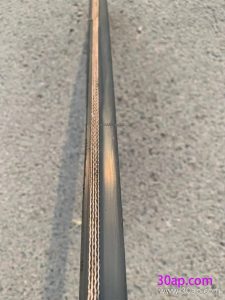
Thickness is not a single number. It is the sum of cover layers plus carcass, so a belt quoted as 10 mm thick may have very different internal construction from another belt with the same overall gauge. Buyers should always confirm the cover thickness split, such as 6+2 mm, 8+3 mm, or 5+2 mm, alongside the total figure.
How the Belt Is Built
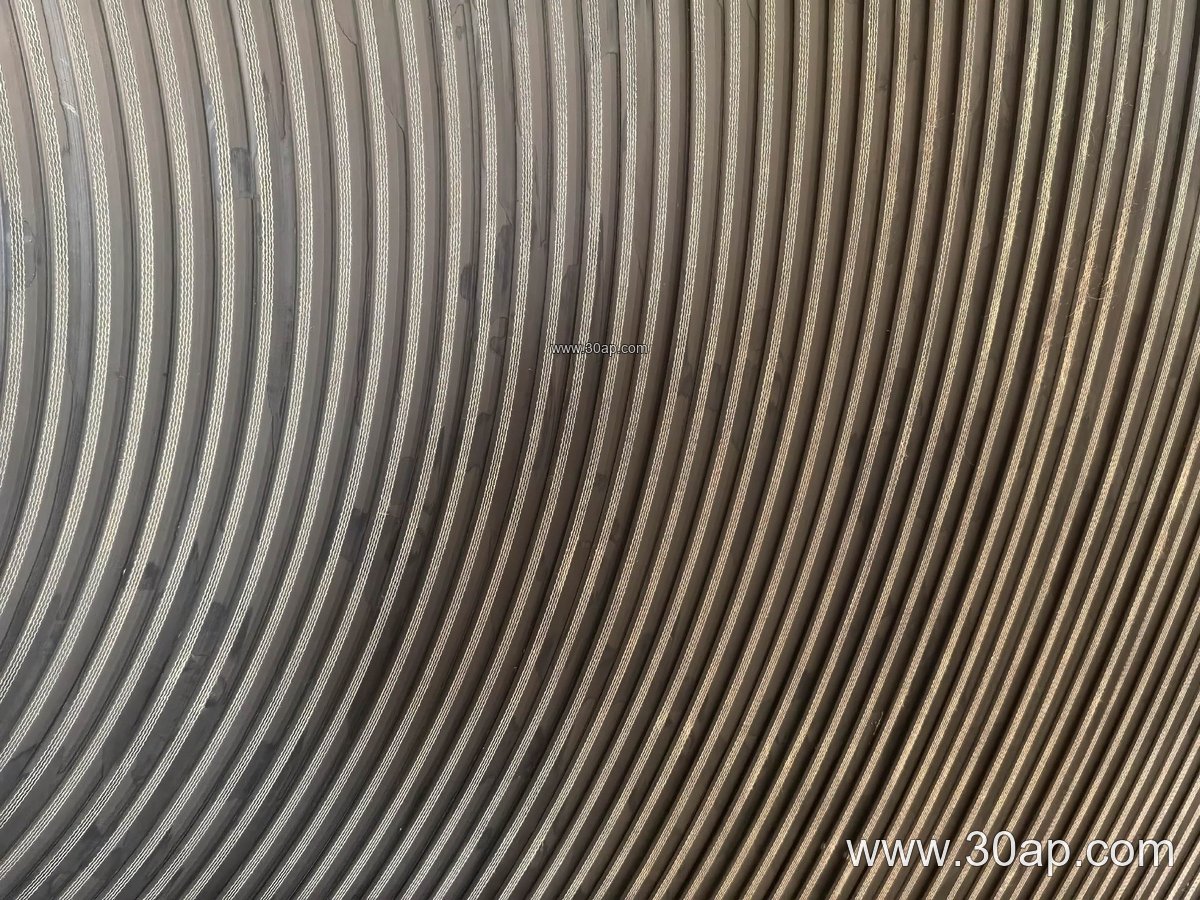
Most thick belts on the market fall into two carcass families. Fabric-core belts use multiple plies of EP or NN fabric, typically 2 to 6 layers, bonded under heat and pressure. Steel cord belts replace the fabric with parallel brass-plated wires for very high tension and low stretch on long routes. A rubber conveyor belt with a multi-ply fabric core is common in cement plants, quarries, and aggregate operations, while steel cord construction appears in long overland lines and main haulage at mines and power plants.
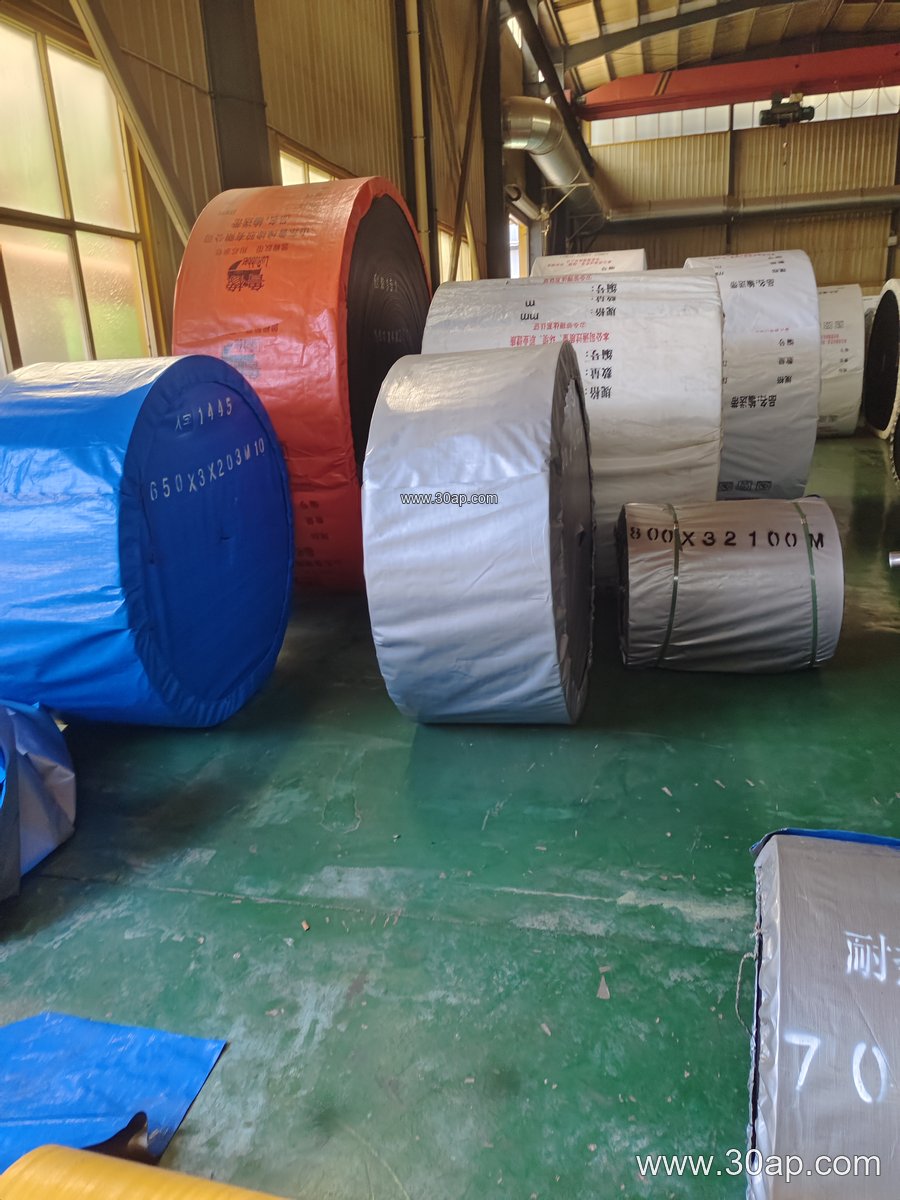
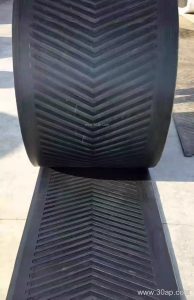
The cover compound determines how the belt behaves in service. An abrasion resistant conveyor belt uses tough rubber for crusher discharge and stone, a heat resistant conveyor belt handles clinker or sinter, and a flame retardant conveyor belt or fire resistant conveyor belt is selected for coal mining conveyor systems and enclosed galleries. Oil resistant, cold resistant, and anti-static grades cover other conditions. A chevron conveyor belt or corrugated sidewall conveyor belt adds profile for inclined runs, but these are different designs and should not be treated as substitutes for a flat thick belt.
Typical Specifications
The table below shows common reference ranges, not fixed supply commitments. Actual values are confirmed by design for each conveyor.
| Parameter | Common Reference Range |
|---|---|
| Carcass type | EP fabric, NN fabric, steel cord |
| Fabric plies | 2 to 6 layers |
| Strength grade | EP200 to EP2000; ST1000 to ST3150 for steel cord |
| Belt width | B500, B650, B800, B1000, B1200, B1400, B1600, B1800 |
| Cover thickness | 3+1.5, 4+2, 5+2, 6+2, 8+3 mm |
| Overall gauge | Often 10 mm and above for heavy duty |
A thick belt is frequently ordered in wide formats such as a 1200mm wide conveyor belt or a 1400mm wide conveyor belt for high tonnage. Width and thickness are independent choices; a given width does not dictate a specific pulley diameter, and shaft sizing follows the conveyor design rather than the belt alone.
Where It Is Used
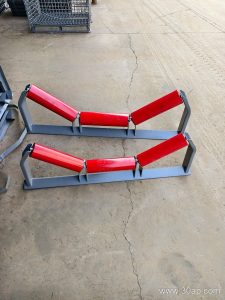
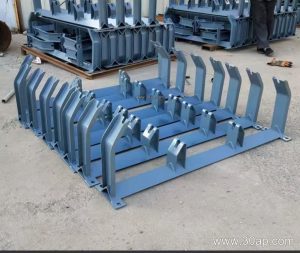
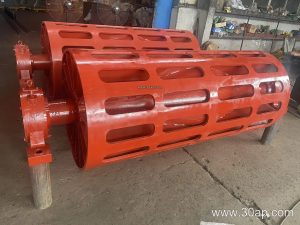
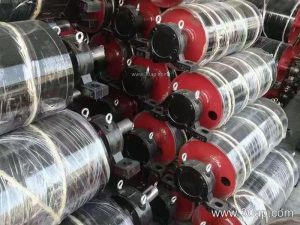
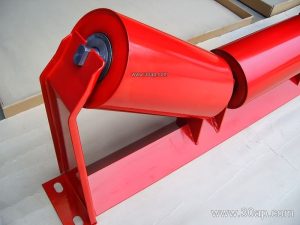
You will find this belt in mines, coal preparation plants, cement works, steel plants, power stations, ports, and sand and gravel yards. It runs on conveyor pulleys, supported by idler rollers mounted in conveyor brackets along the frame. Common duties include iron ore, copper ore, limestone, clinker, coke, crushed rock, and recycled material. In underground coal mining, flame retardant and anti-static properties matter as much as thickness, so the grade must match the environment, not just the load.
For a primary crusher discharge with lumpy rock, an impact resistant conveyor belt with thick top cover reduces cutting and gouging. On a long overland route, a high strength conveyor belt with steel cord may be the better engineering choice. The right answer depends on tension, lump size, incline, and ambient conditions.
Buyer Checklist
- State the material, lump size, and tonnage per hour so the cover grade and carcass can be matched.
- Confirm cover thickness split and total gauge, not just the headline thickness.
- Check tension rating against the actual conveyor profile, including start-up loads.
- Match special grades such as heat resistant, oil resistant, or flame retardant to the real working conditions.
- Ask how the belt ends will be joined, since splice strength depends on carcass type.
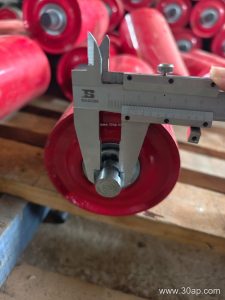
- Review pulley and idler roller condition before fitting a new belt; worn rollers shorten belt life.
Care and Service Life
Thick belts are costly, so maintenance pays back quickly. Keep idler rollers turning freely, check pulley lagging for wear, and correct mistracking early before edges are damaged. Avoid material build-up at transfer points, which abrades the cover and can cut through to the carcass. Store spare belts flat and dry, and inspect splices regularly on high-tension lines. With sensible selection and routine checks, a well-matched thick belt gives long service in the toughest bulk handling duties.