What a Heavy-Duty Conveyor Pulley Does
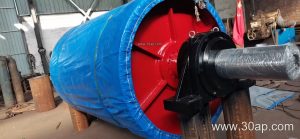
A heavy-duty conveyor pulley is the rotating drum that turns a conveyor belt, carries the belt load, and transfers drive torque at the head of the system. In quarry and aggregate lines, cement plant clinker handling, and power plant coal conveying, this component is often the difference between steady output and repeated downtime. The same product is also called a heavy-duty conveyor drum, and the two terms describe the same assembly. Drive, tail, and bend positions are separate roles, and each one places different demands on the pulley.
Construction and Load Path
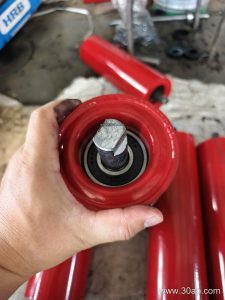
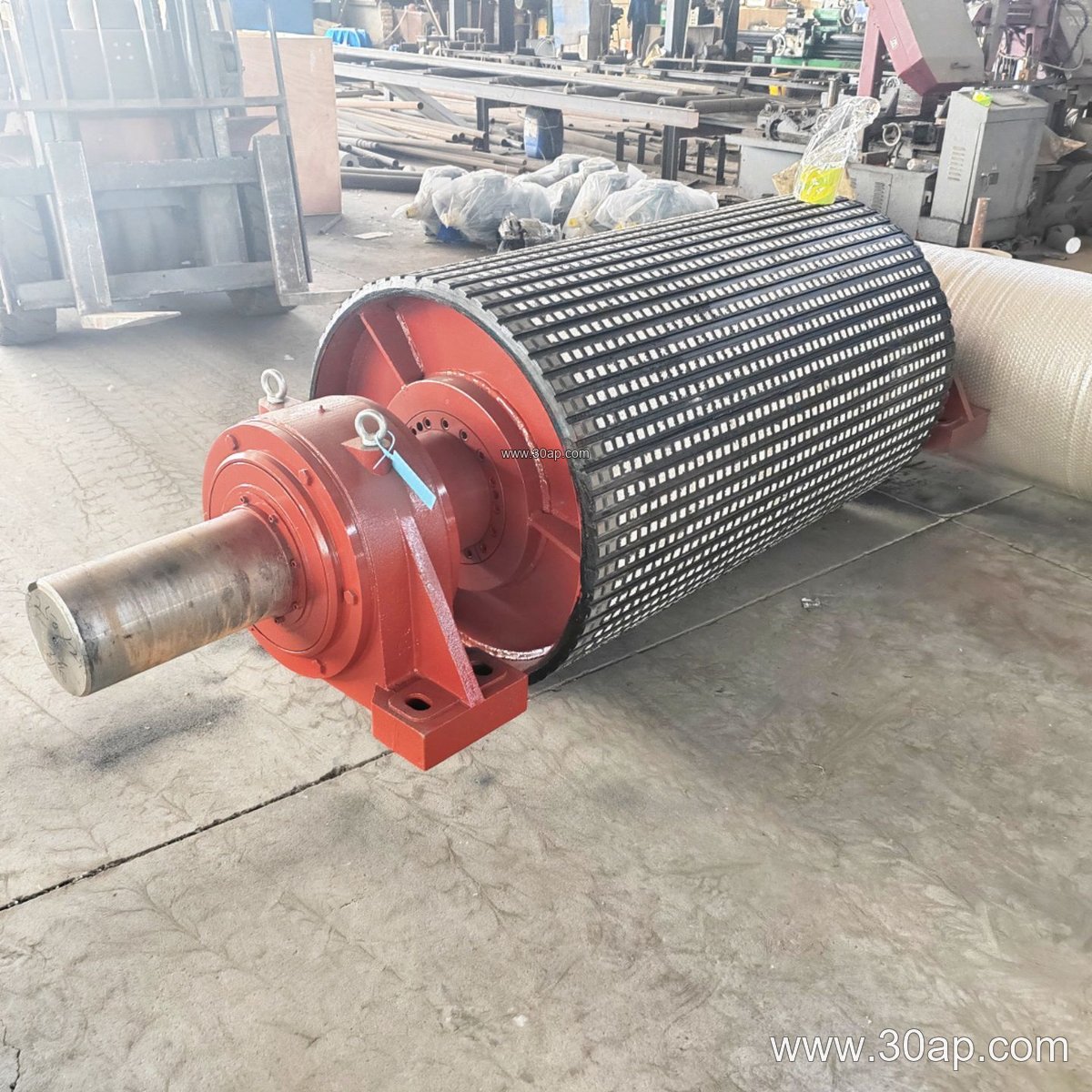
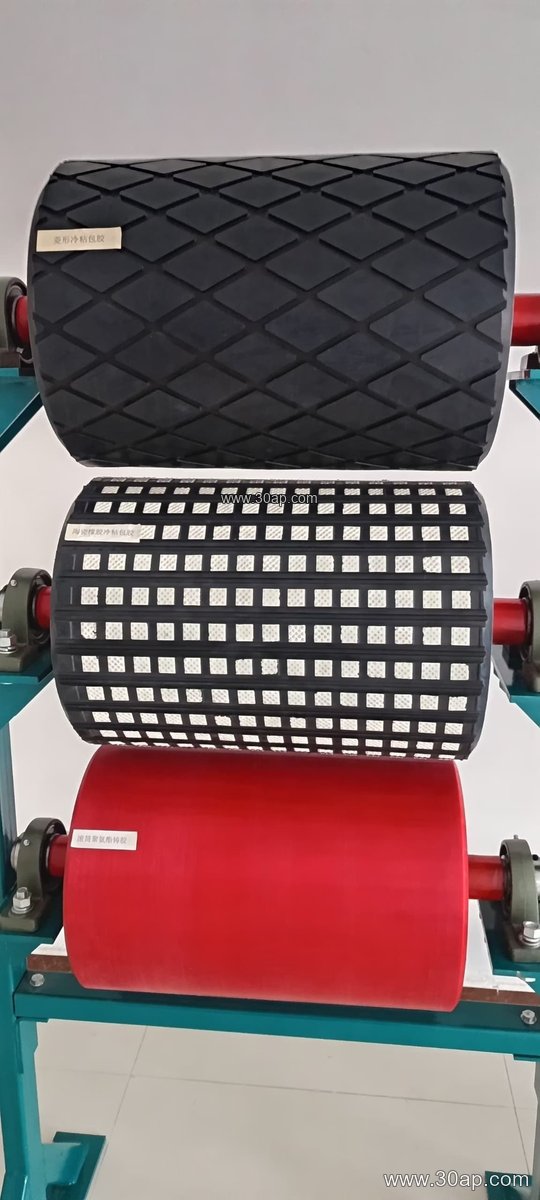
The shell is usually rolled steel, machined and balanced, with end discs welded to the shell and hub. Shafts are sized by torque and bearing load, not by belt width alone. Locking assemblies or keyed hubs connect the shaft to the end disc, and bearing housings sit in a sturdy frame. For abrasive service, the shell may be covered with rubber lagging in plain, diamond, or chevron patterns, typically 8 to 20 mm thick.
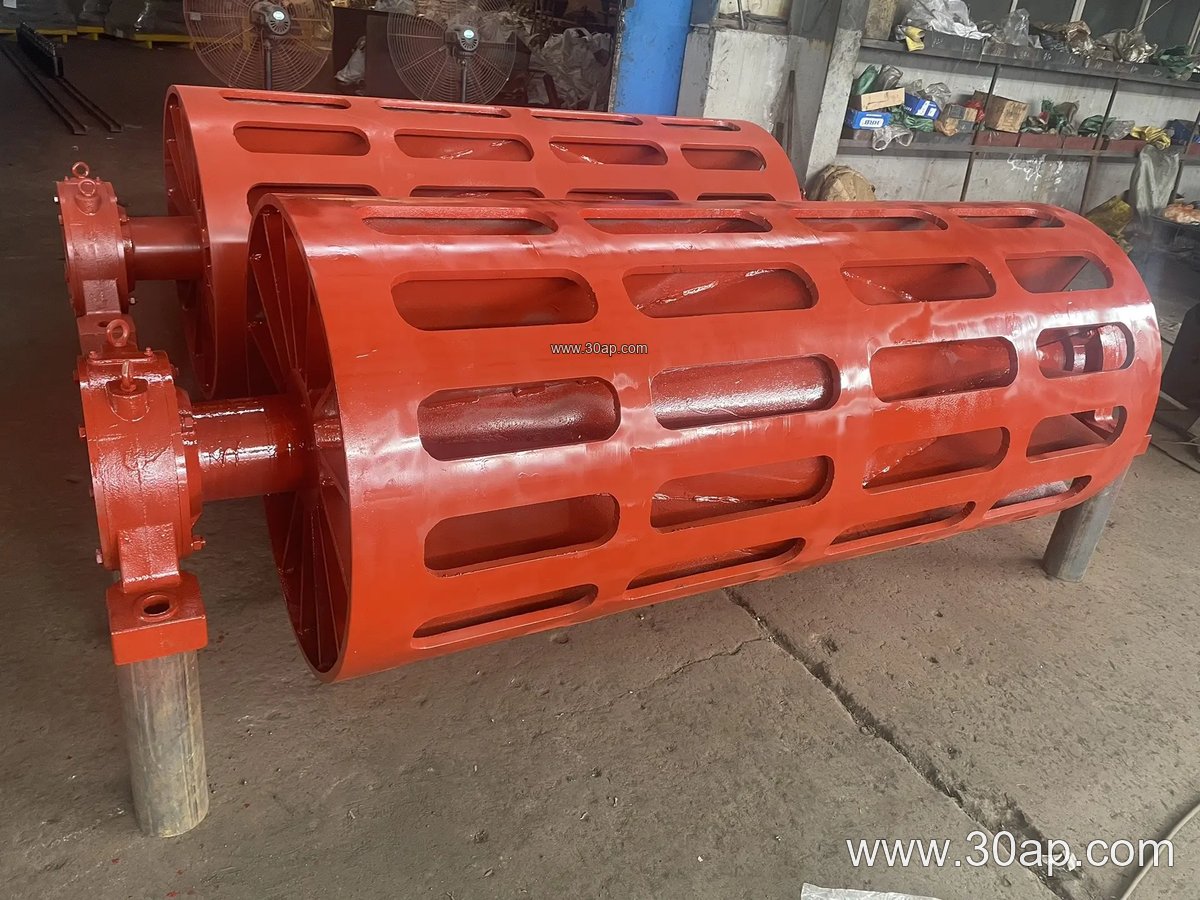
- Shell and end disc welded as one unit, then machined
- Shaft with keyway or locking assembly for torque transfer
- Bearing housing with sealed spherical roller bearings
- Lagging bonded by cold vulcanizing or hot vulcanizing
Where It Fits in the Line
At the head of a crusher conveyor in a stone crushing plant, the pulley drives the belt and discharges material. In a coal mining conveyor, flame retardant and anti-static properties matter for the belt and for the environment around the drum. In a cement plant, dust and heat influence bearing protection and lagging choice. A heavy-duty conveyor pulley also appears at tensioning and take-up points, where it keeps belt tension stable, and at bend positions where the belt changes direction. Each position deserves its own review rather than a shared specification.
Matching the Pulley to the Belt
Belt width and pulley face width are related but not identical. The face is normally wider than the belt so the belt stays supported. Common references include B800 with roughly 950 mm face, B1000 with about 1150 mm, and B1200 with about 1400 mm. Diameter is chosen from belt tension, wrap angle, and the minimum bend radius the belt can accept. Typical combinations such as B800 × Ø500 or B1200 × Ø1000 are starting points, not fixed rules. A heavy-duty conveyor pulley can serve an EP conveyor belt, a steel cord conveyor belt, or a multi-ply fabric core belt, and the belt construction affects the required diameter and lagging.
| Reference | Common Range |
|---|---|
| Belt width B | B400 to B2400 |
| Pulley diameter | Ø200 to Ø1800 |
| Face width example | B1000 about 1150 mm |
| Shaft diameter | Ø50 to Ø200, by torque |
| Lagging thickness | 8, 10, 12, 15, 20 mm |
Surface and Bearing Choices
Lagging raises friction between drum and belt. Plain rubber suits general duty, diamond pattern helps shed water, and ceramic lagging resists wear in iron ore and copper ore service. Heat resistant conveyor belt lines may need a heat-tolerant lagging compound. Bearing selection should account for radial load, speed, and sealing against dust. Grease retention and relubrication intervals are practical maintenance points.
What Buyers Should Check
- Confirm the pulley role and whether it drives, tensions, or redirects
- Provide belt width, belt type, and expected tension to the supplier
- State lagging pattern and thickness, not just “rubber”
- Check shaft diameter against calculated torque, not belt width
- Review bearing housing seals for the site dust and moisture level
- Ask for balance and runout data for high-speed units
At www.ruixindustry.com/conveyor-pulley, specifications should be confirmed against the actual conveyor layout. A heavy-duty conveyor pulley that suits a port ship loader may be oversized for a small recycling line, so the design should follow the duty. Paired with a quality conveyor belt, idler roller, and conveyor bracket, the drum keeps a bulk material conveyor running with fewer stoppages.
Maintenance Notes
Inspect lagging wear at each shutdown, check bolt torque on bearing housings, and watch for belt tracking drift that signals pulley misalignment. Keep the area around the drum clear so material does not build up on the shell. Replacing lagging before the shell is exposed protects both the drum and the belt, and it is far cheaper than an unplanned stop in a busy quarry or power plant.