What a Flame Retardant Conveyor Belt Is
A flame retardant conveyor belt is a rubber conveyor belt whose cover compound and core are formulated to resist ignition and limit flame spread when the belt carries coal, ore, cement clinker, or other bulk material through hot or spark-prone areas. It is also called a fire resistant conveyor belt, and the two names describe the same product family. The belt does not make a conveyor fireproof; it reduces the chance that a small ignition source turns into a travelling belt fire, which is why it is common in underground coal mining, power plants, cement works, and quarry operations where dust and heat meet.
Buyers often meet this belt alongside a general Rubber Conveyor Belt or an abrasion resistant conveyor belt, but the flame retardant grade is a distinct specification. When a project also needs static control, an anti-static conveyor belt construction is frequently combined with the flame retardant compound.
How the Belt Is Built
Most flame retardant belts use a fabric core, either EP Conveyor Belt fabric or NN Conveyor Belt fabric, with two to six plies. Heavier duties may call for a Steel Cord Conveyor Belt, while PVC and PVG constructions are common in underground coal service. The cover compound carries halogenated or halogen-free additives, and the carcass is bonded so that the whole belt behaves as one unit under tension.
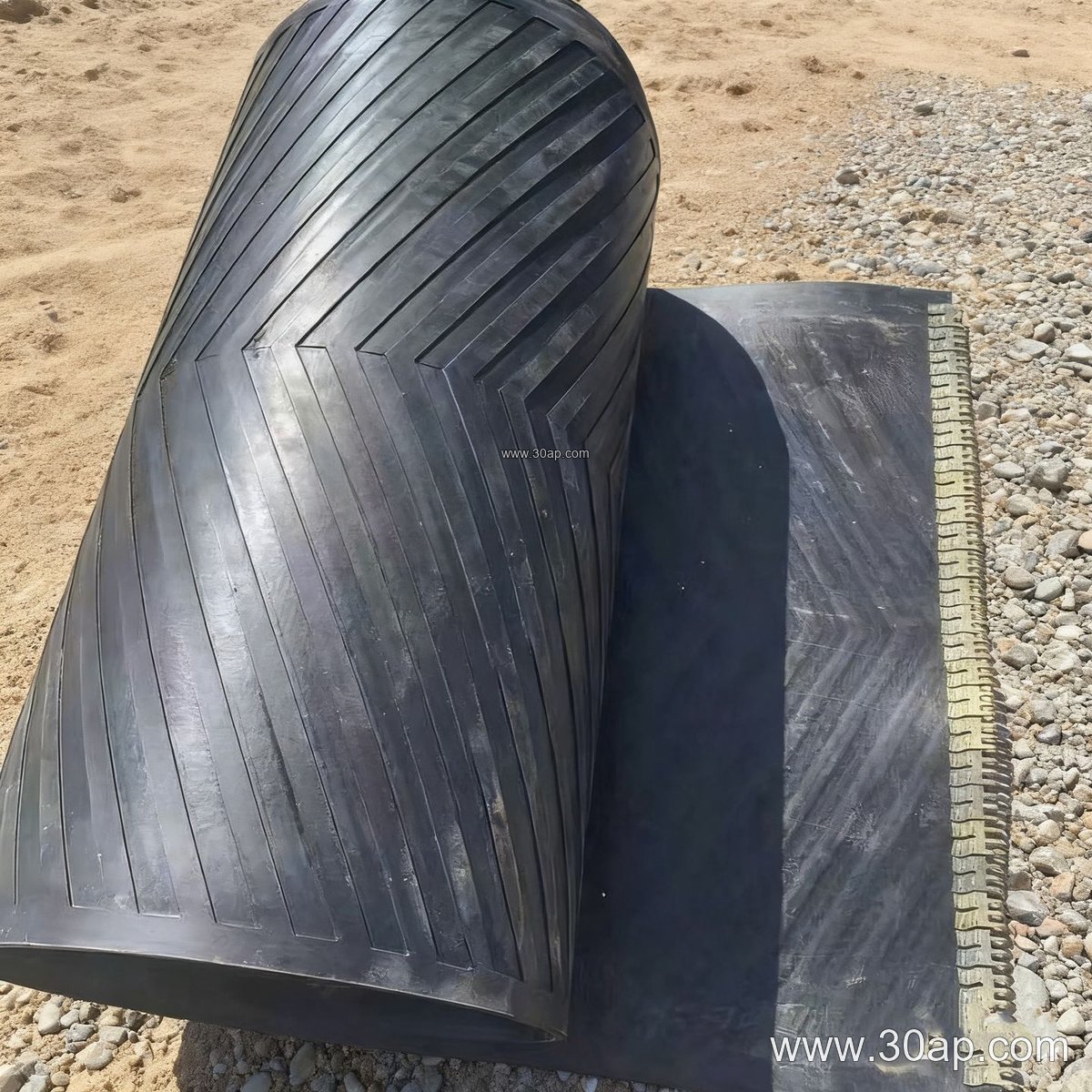
Typical reference data for selection work is shown below. These are common ranges, not fixed supply promises, and every plant should confirm the final construction with its belt supplier.
| Item | Common reference values |
|---|---|
| Strength grades | EP200, EP400, EP630, EP800, EP1000, EP1250 |
| Belt width | B650, B800, B1000, B1200, B1400, B1600 |
| Cover thickness | 4+2 mm, 5+2 mm, 6+2 mm, 8+3 mm |
| Carcass plies | 2 to 6 plies, by design |
| Special constructions | PVG800S, PVC, steel cord ST grades |
The same compound can be applied to a Chevron Conveyor Belt for inclined haulage or to a Corrugated Sidewall Conveyor Belt where steep lifting is needed, but those surface forms are separate choices and should be matched to the actual conveyor layout.
Where It Fits on the Conveyor
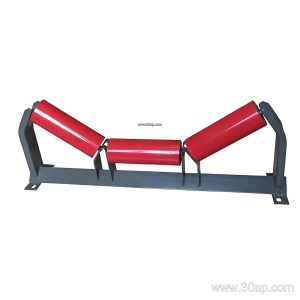
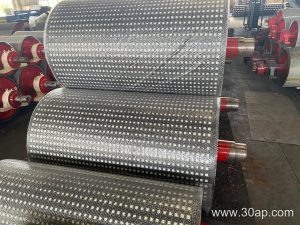
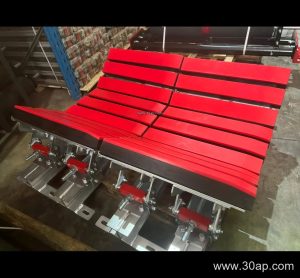
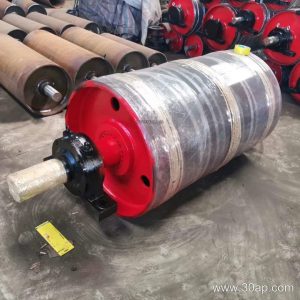
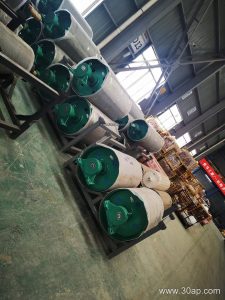
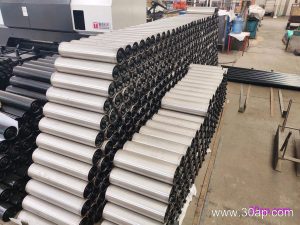
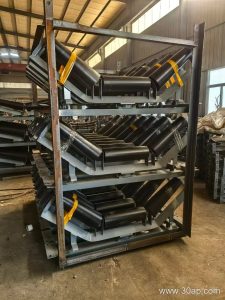
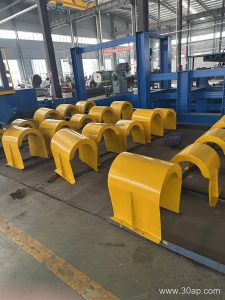
The belt runs over a drive pulley, tail pulley, and bend pulleys, and is supported by idler rollers mounted on conveyor brackets. A flame retardant belt is often specified for the main haulage in a coal mining conveyor belt system, for the feed section of a crusher conveyor belt, and for transfer points in a cement plant conveyor belt or power plant conveyor belt where hot material and dust accumulate. In a port conveyor belt or ship loading line, the same grade may be required by local fire rules even when the cargo is not coal.
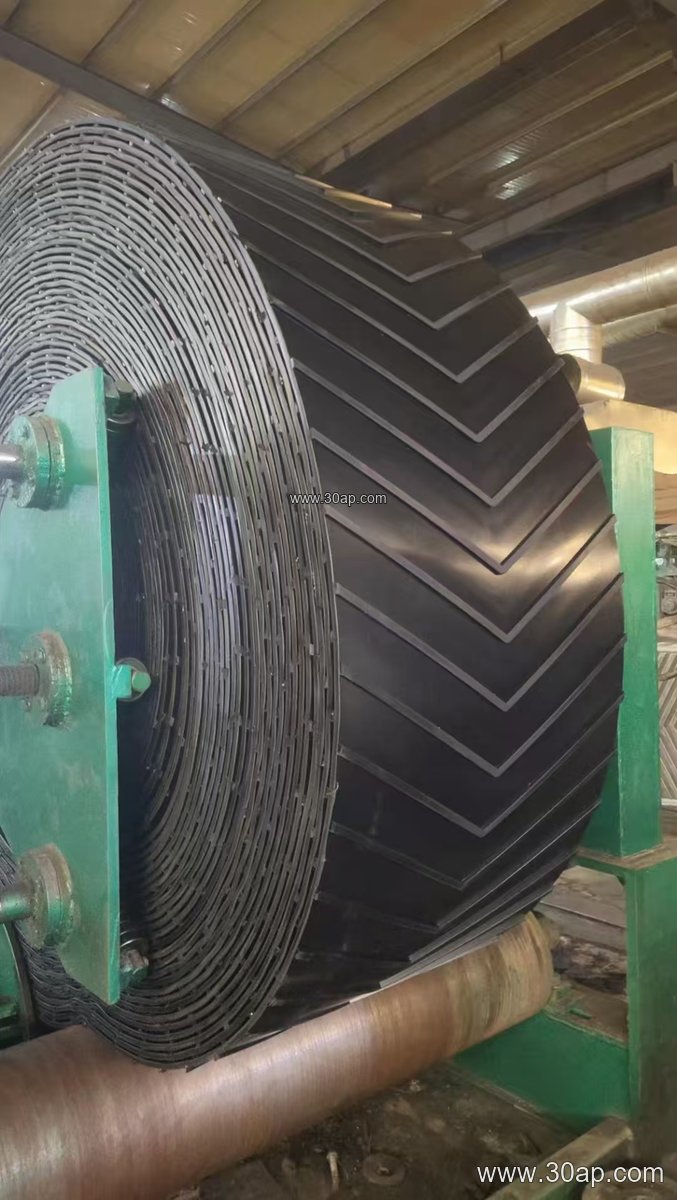
Belt width and pulley size are matched by the conveyor designer. A 1000mm or 1200mm belt does not dictate one shaft diameter, and pulley dimensions should come from the tension and shaft load calculation, not from the belt width alone.
Selection Points for Buyers
- Confirm the actual fire requirement with the site safety team, then state it in the inquiry.
- Give belt width, strength grade, cover thickness, and the material carried, including lump size and temperature.
- Describe the conveyor, including pulley sizes, idler roller spacing, incline, and whether a skirted conveyor belt or pipe conveyor belt profile is used.
- Ask how the belt will be joined. An endless conveyor belt splice needs compatible cover stock and cure conditions.
- Check whether heat resistant conveyor belt or oil resistant conveyor belt properties are also needed at the same transfer point.
On site, keep the belt free of spilled coal and dust, check idler rollers for seized bearings, and inspect the drive pulley lagging and bend pulleys for material build-up. A flame retardant conveyor belt will last longer when the conveyor is aligned and the loading point is controlled.
Maintenance and Replacement
Inspect the cover for cuts, gouges, and exposed fabric, especially near the tail pulley and load zone. Small repairs with a compatible flame retardant patch are preferable to running a damaged belt. Track wear on the idler rollers and conveyor brackets as well, because a rough-running frame accelerates edge damage. When a replacement is ordered, repeat the full specification rather than only the width, so the new flame retardant conveyor belt matches the original fire performance and strength class.