What a Striped Lagged Pulley Does
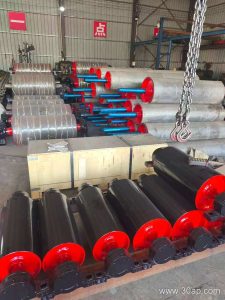
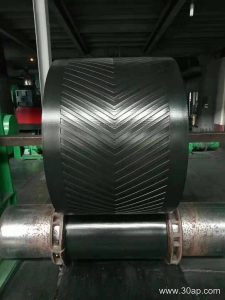
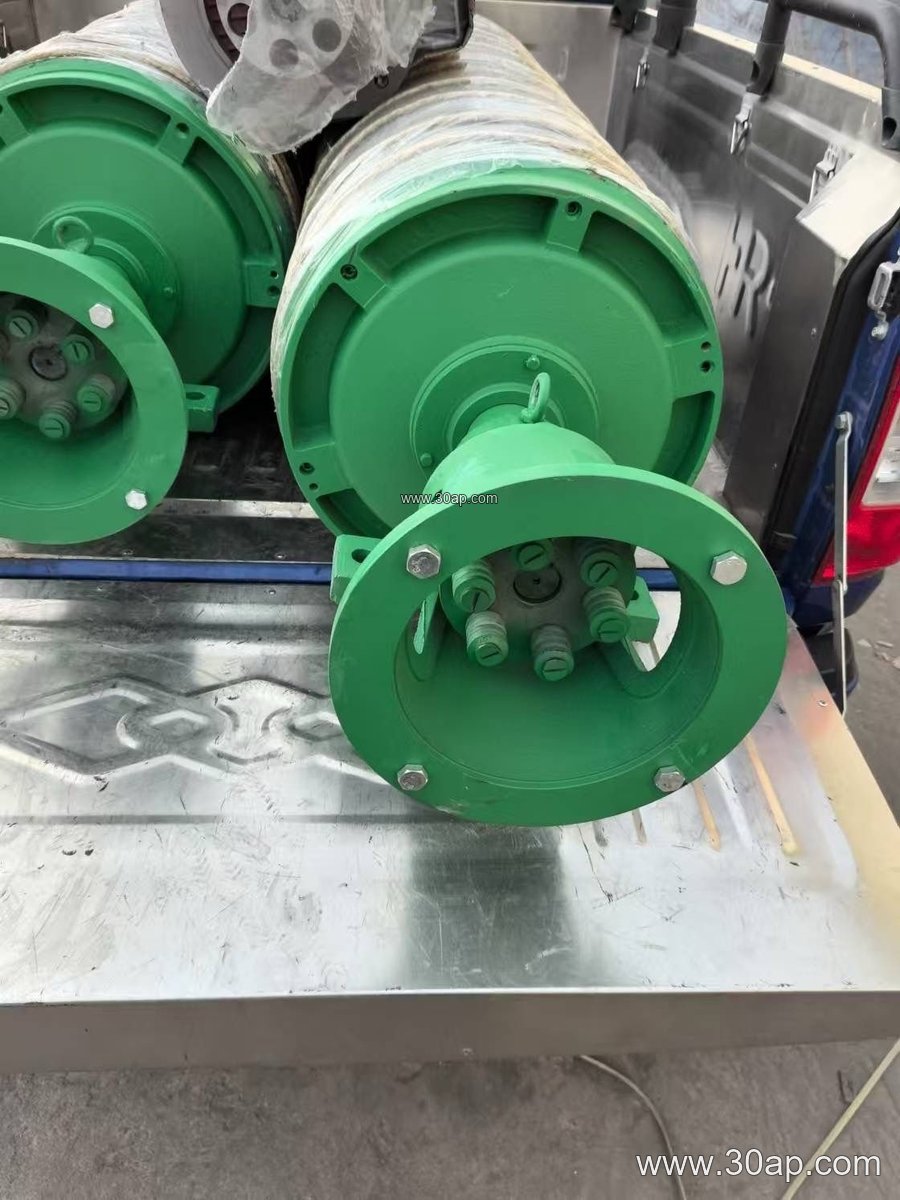
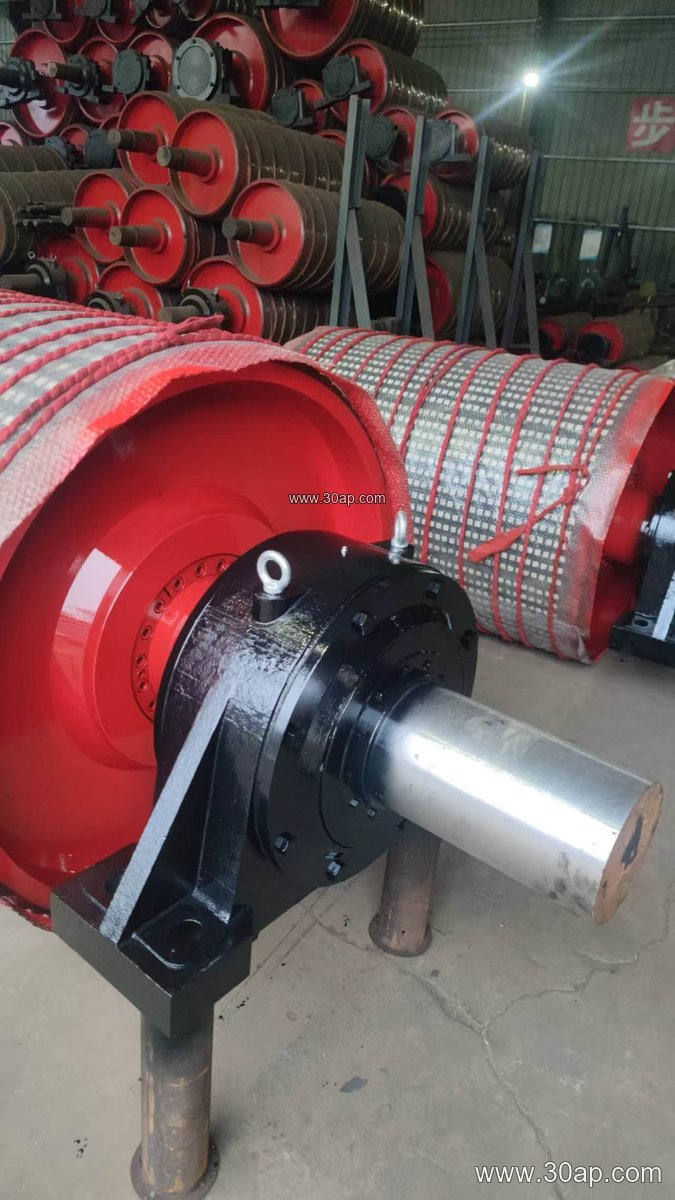
A striped lagged pulley is a conveyor pulley whose shell is covered with a rubber or polymer lagging that carries a raised striped pattern. The stripes are usually arranged in a chevron or diagonal layout, and their main job is to improve friction between the pulley face and the conveyor belt while helping to shed water, fines and carryback. In a drive position, this striped lagging helps transmit torque without excessive belt slip; in a bend or tail position, it can assist with belt tracking and reduce material build-up on the shell.
The product is also known as a striped rubber lagged pulley or a chevron lagged pulley, depending on the surface pattern. It is not the same as a plain lagged pulley, and it is not a substitute for a drive pulley, tail pulley or bend pulley as a category. The striped lagging is a surface option that can be applied to different pulley positions according to the conveyor design.
Construction and Surface Details
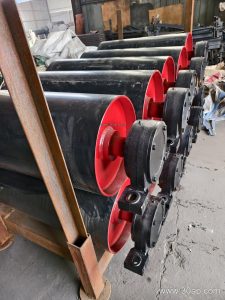
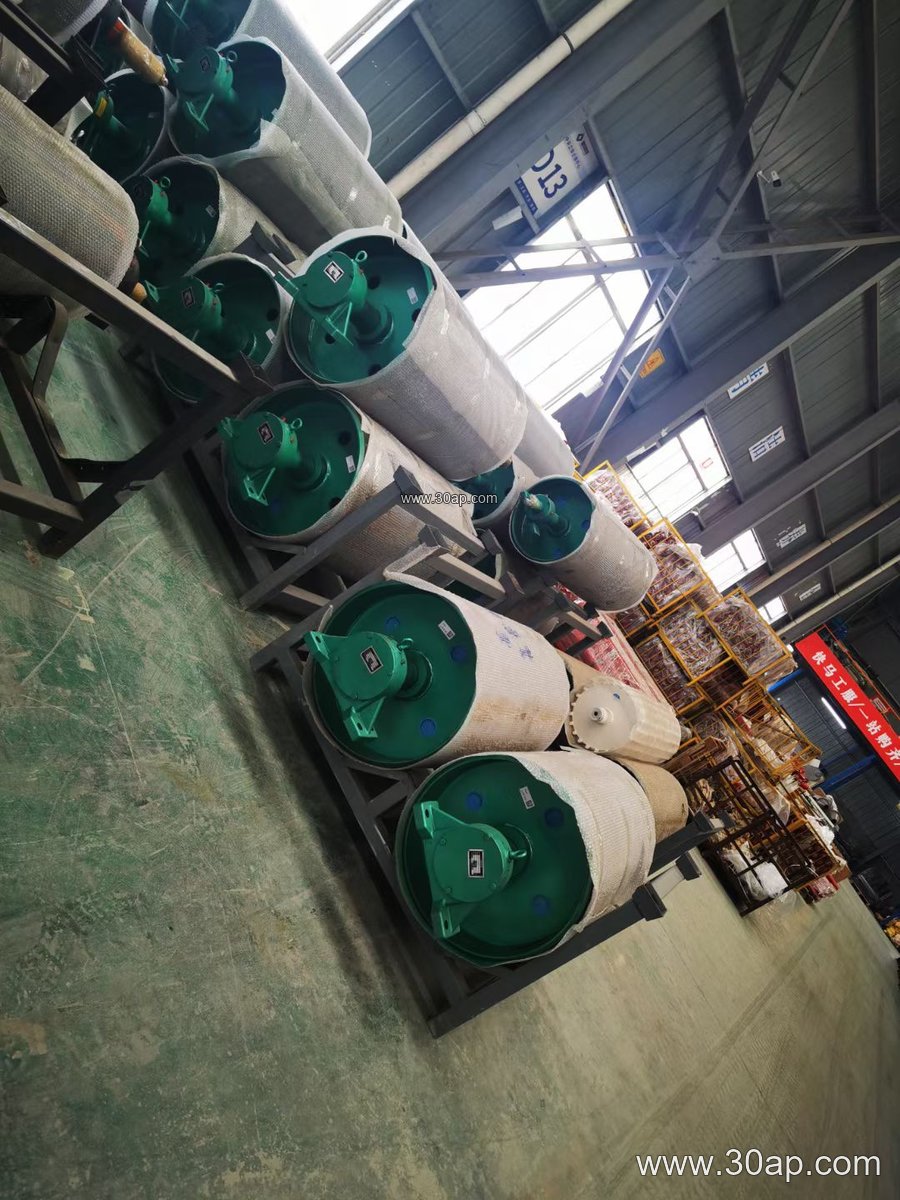
Behind the stripes, the pulley is a fabricated steel drum with a shaft, hub and end discs. The lagging is bonded to the shell, and the stripe pattern is either molded during vulcanization or cut after the rubber layer is applied. Common lagging thicknesses are 8 mm, 10 mm, 12 mm, 15 mm and 20 mm, with the final choice depending on belt tension, pulley diameter and the amount of abrasive material in the area.
Striped surfaces are often selected where the belt carries wet or sticky bulk material. The grooves between the stripes give water and fine particles somewhere to go, which can improve grip compared with a smooth rubber surface in the same conditions. For very abrasive service, a plain abrasion resistant rubber lagging may be preferred, while a striped pattern is more about traction and cleaning than about wear resistance alone.
Where It Fits in a Conveyor
You will see striped lagged pulleys in quarry and aggregate lines, cement plants, coal handling systems and power plant coal yards. In a sand and gravel plant, a striped lagged tail pulley can help keep the return belt centered when the material is wet. In a cement plant, the same surface may be used on a bend pulley near a transfer point where dust and fines tend to cling to the shell.
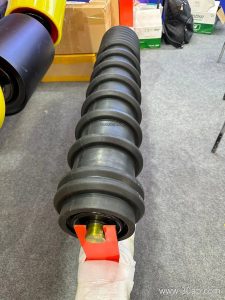
The pulley works together with the conveyor belt, idler roller and conveyor bracket. A heavy-duty mining conveyor belt or a flame retardant conveyor belt may run over the same pulley, but the lagging pattern should be matched to the belt cover and the environment rather than chosen by belt type alone. For example, a steel cord conveyor belt and an EP conveyor belt can both use a striped lagged pulley, but the pulley diameter and shaft size are determined by the actual belt tension and torque.
Common Sizes and Combinations
Pulley dimensions are usually written as belt width × diameter, and the shell face is normally wider than the belt. The following table shows reference combinations that appear in conveyor design; they are not fixed rules, and a narrower or wider pulley may be correct for a given conveyor.
| Belt Width | Typical Pulley Face Width | Example Diameter |
|---|---|---|
| B400 | about 500 mm | Ø200 to Ø315 |
| B500 | about 600 mm | Ø250 to Ø400 |
| B650 | about 750 mm | Ø315 to Ø500 |
| B800 | about 950 mm | Ø400 to Ø630 |
| B1000 | about 1150 mm | Ø500 to Ø800 |
| B1200 | about 1400 mm | Ø630 to Ø1000 |
| B1400 | about 1600 mm | Ø800 to Ø1250 |
| B1600 | about 1800 mm | Ø1000 to Ø1400 |
Shaft diameters commonly range from Ø50 to Ø200, but the shaft size is set by torque and load, not by belt width alone. A B800 conveyor may use a Ø500 pulley with a Ø80 shaft in one layout and a larger shaft in another, depending on the drive arrangement and belt tension.
Buyer Checklist
- Confirm the pulley position: drive, tail, bend, take-up or snub. The striped lagging is a surface choice, not a replacement for the position type.
- Match the lagging pattern and thickness to the material. Wet, sticky or fine bulk material may benefit from a striped surface, while very abrasive rock may call for a different rubber compound.
- Check the belt width and pulley face width together, and verify the shaft diameter from the actual torque and bearing load.
- Consider the belt type in the same system, such as an abrasion resistant conveyor belt or a heat resistant conveyor belt, but do not assume the belt cover alone determines the lagging.
- Ask for the lagging bond method and stripe profile so the pulley can be inspected and maintained consistently.
For more conveyor components, visit www.beltconveyorparts.com for conveyor pulley and idler roller reference information.