What an Impact Idler Bracket Does at the Load Point
In a quarry, a coal preparation plant, or a cement plant, the conveyor belt takes its hardest hits right where material drops onto it. The impact idler bracket is the structural element that holds the impact idlers in place beneath that load zone, absorbing and distributing the shock so the belt and the frame are not punished by every lump of rock or clinker. Without a properly built bracket, even the toughest abrasion resistant conveyor belt can develop edge damage or cover gouges in a matter of weeks.
This bracket is not simply a generic conveyor bracket. It is a dedicated support designed for the cushioning idlers that sit under the chute or transfer point, and its geometry, material thickness, and mounting pattern are chosen to cope with repeated dynamic loading rather than steady carrying load alone.
How the Bracket Is Built
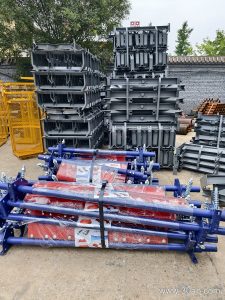
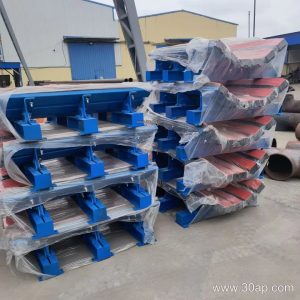
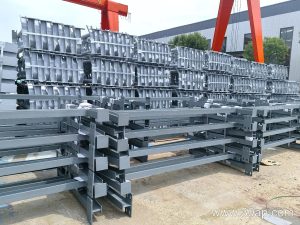
Most impact idler brackets are fabricated from angle steel, channel steel, or folded steel plate. The choice depends on the belt width, the weight of the material, and the drop height at the transfer point. A heavy-duty mining conveyor belt carrying large ore lumps will demand a more robust bracket than a lightweight aggregate conveyor belt on a short yard conveyor.
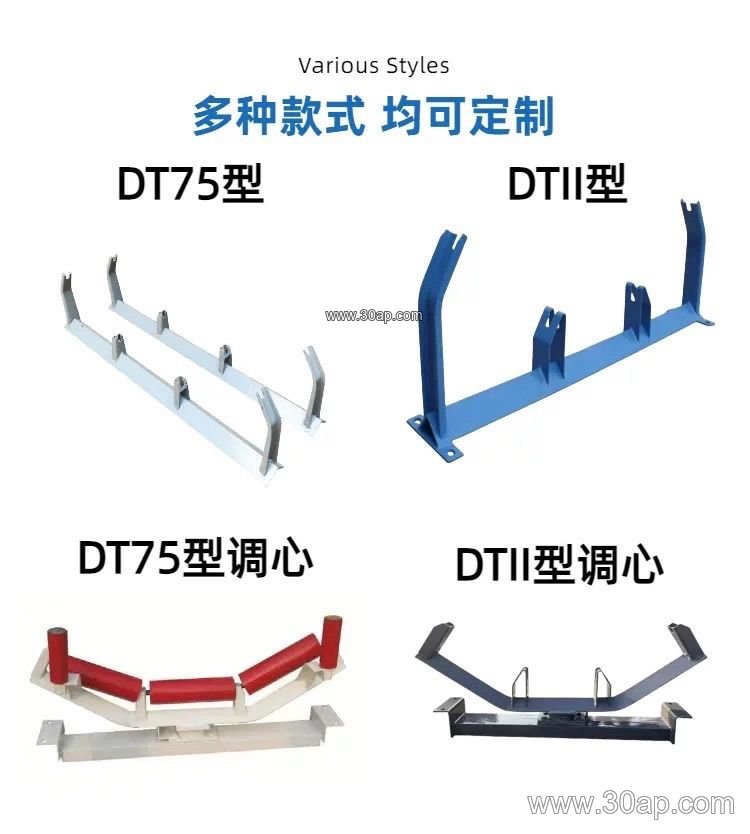
The bracket typically consists of a crossbeam or a pair of side frames with mounting slots for the idler shafts. Some designs use a fixed cradle that holds three idlers at a set trough angle, while others are adjustable. The adjustable version allows the maintenance team to fine-tune the trough angle and the idler spacing as the belt settles or as the load profile changes.
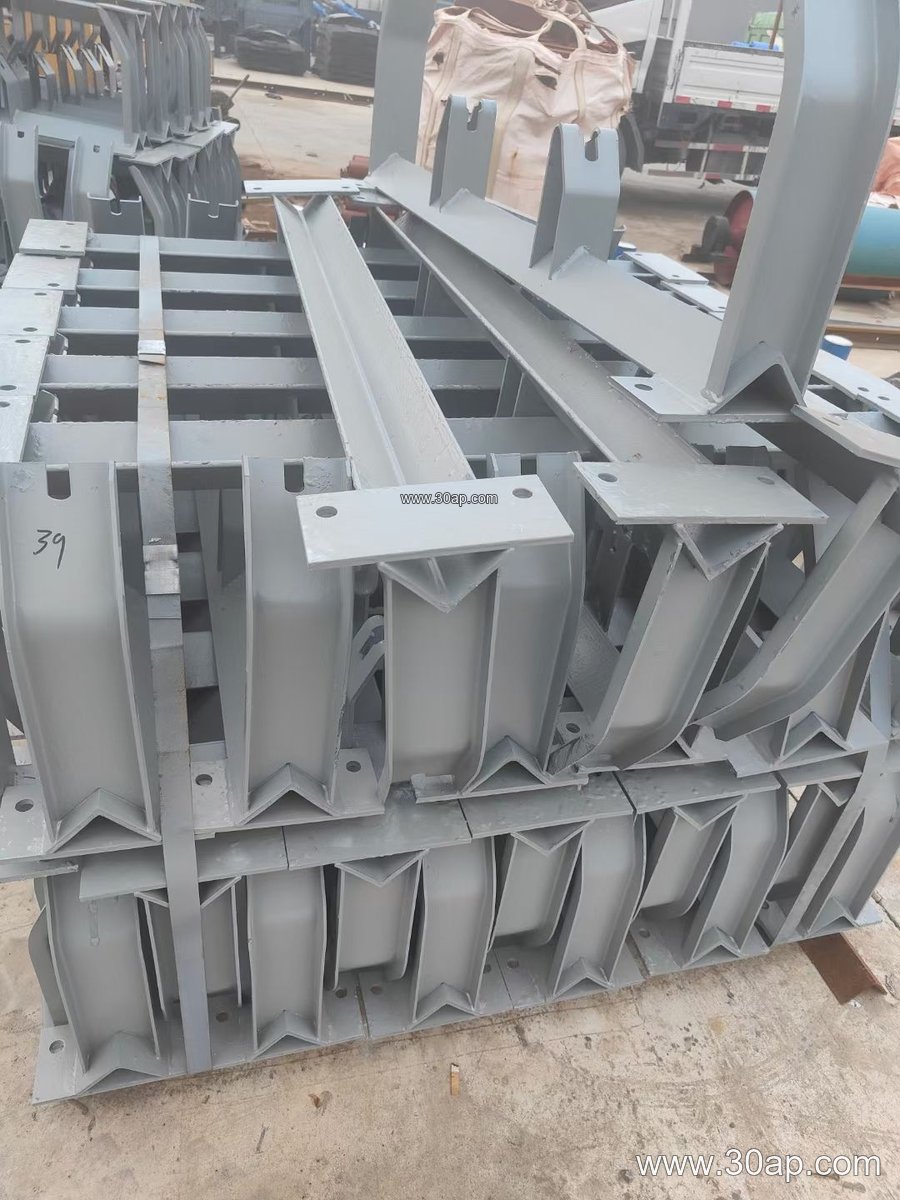
Surface treatment matters too. In a wash plant or a port terminal with humid air, a painted or galvanized finish helps the bracket resist corrosion. In a power plant coal yard, the bracket may be specified with a flame retardant conveyor belt in mind, but the bracket itself is usually plain carbon steel unless a special coating is requested.
Where It Fits in the Conveyor Structure
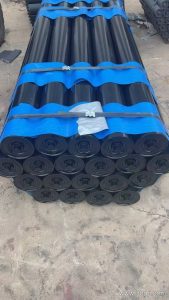
The impact idler bracket is installed in the loading zone, usually just downstream of the tail pulley or under a transfer chute. It is often paired with a skirted conveyor belt or a corrugated sidewall conveyor belt to contain the material as it lands. The bracket sits on the conveyor stringer or on a separate impact frame, and it carries the impact idlers that support the belt at the point of impact.
In an underground coal mining conveyor belt system, the bracket may be mounted on a compact frame to fit within restricted headroom. On a large port conveyor belt handling iron ore, the same function is performed by a heavier bracket spanning a wider belt. The principle is the same, but the dimensions and the steel section change with the duty.
Matching Bracket, Belt Width, and Idler Diameter
Buyers often ask for a bracket to suit a specific belt width and idler diameter. The table below gives common reference combinations, but these are examples, not fixed rules. A B800 belt can be run with different trough angles and idler diameters depending on the conveyor design, and the bracket mounting holes must match the actual idler shaft and frame spacing.
| Belt Width | Typical Trough Angle | Common Idler Diameter | Bracket Note |
|---|---|---|---|
| B500 | 20°–30° | Ø89 | Light-duty frame, folded plate |
| B650 | 30° | Ø89 or Ø108 | Angle steel frame |
| B800 | 35° | Ø108 | Channel steel crossbeam |
| B1000 | 35°–45° | Ø133 | Adjustable or fixed cradle |
| B1200 | 45° | Ø133 or Ø159 | Heavy-duty impact frame |
| B1400 | 35°–45° | Ø159 | Reinforced side plates |
| B1600 | 45° | Ø159 or Ø194 | Wide span, extra ribs |
| B1800 | 35°–45° | Ø194 | Heavy mining duty |
| B2000 | 45° | Ø194 | Custom mounting pattern |
For a belt wider than 2000 mm, the bracket is usually made to order. The mounting hole spacing and the crossbeam length are determined by the belt width, the trough angle, and the idler frame design, so they should never be assumed from a catalogue alone.
Selection and Maintenance Pointers
- Check the drop height and lump size before choosing the bracket section. A high drop of large rock calls for a stiffer bracket and impact idlers with rubber cushioning.
- Decide between fixed and adjustable brackets. Adjustable brackets are useful where the conveyor may be re-tensioned or where the material profile changes, but they need periodic checking for loosened bolts.
- Confirm the idler shaft diameter and the frame mounting holes. A bracket drilled for Ø108 idlers will not accept a Ø133 shaft without modification.
- Inspect the bracket for bent crossbeams or elongated holes after a belt jam. A distorted bracket can misalign the impact idlers and cause the belt to track poorly.
- When replacing a belt, check that the new belt thickness and cover grade suit the existing impact idlers and bracket height. A thick conveyor belt may need a slightly different idler setting to keep the skirt rubber in contact.
For more information on matching brackets with conveyor belt and idler roller selections, or to discuss a specific impact idler bracket for your quarry, coal mine, or cement plant conveyor, contact our engineering team at www.example.com/impact-idler-bracket.