What an Anti-Impact Idler Does
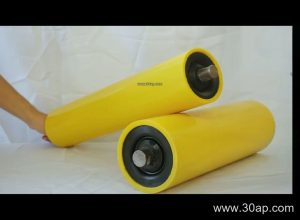
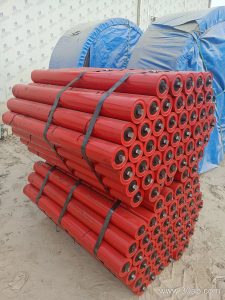
An anti-impact idler is a conveyor idler built to absorb the shock of falling material at transfer points, loading zones and crusher discharges. Instead of a plain steel shell, the roller carries rubber rings or a rubber-covered surface that cushions the drop, spreads the load over a longer section of the conveyor belt and reduces the chance of punctures, edge damage and splice fatigue. In heavy industries such as mining, quarrying, cement plants and coal handling, this idler roller is often the first line of defence where ore, rock or clinker hits the belt at speed.
The same product is also called an impact idler or rubber-disc impact roller. These are equivalent names for the same item, and the cushioning principle stays the same regardless of what it is called.
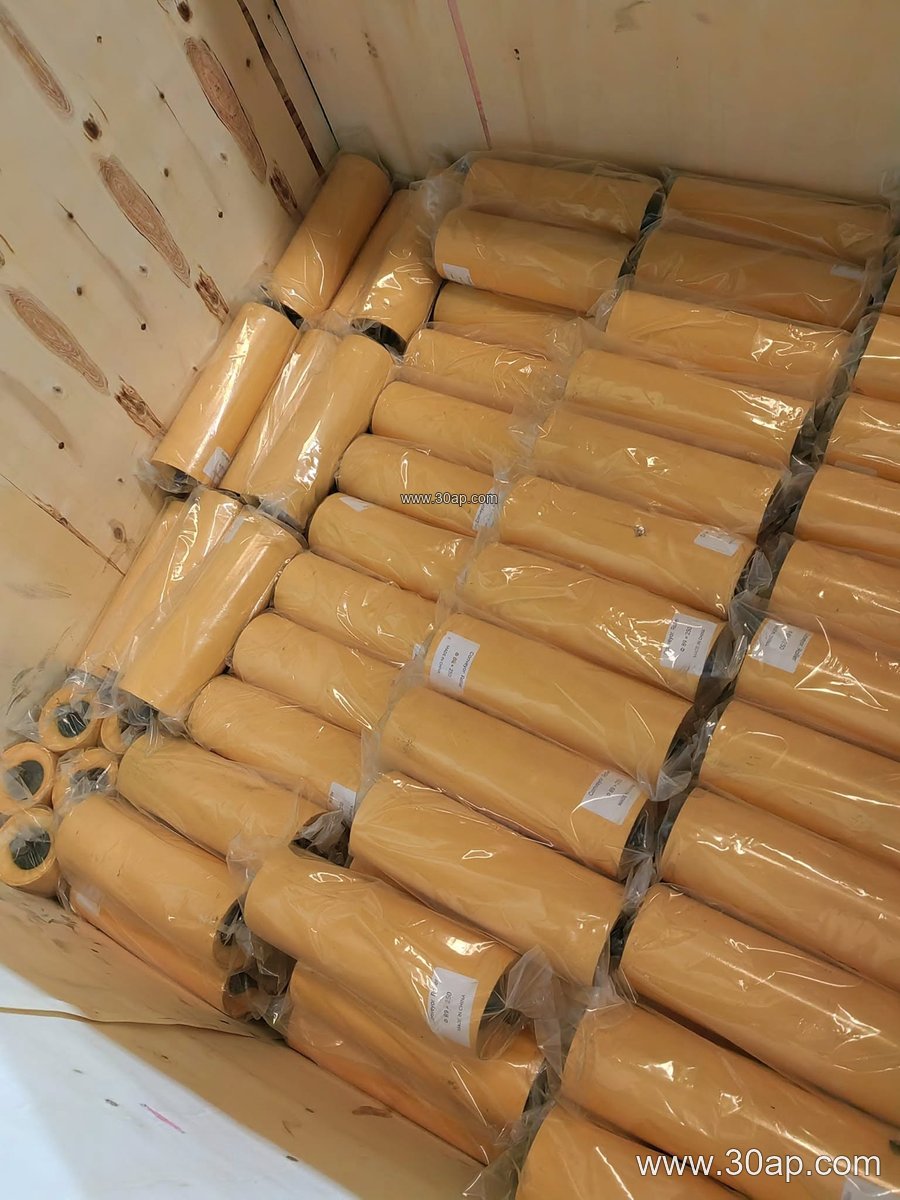
How the Roller Is Built
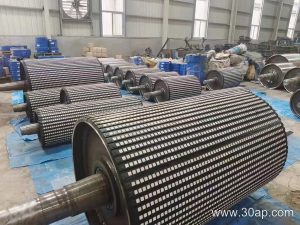
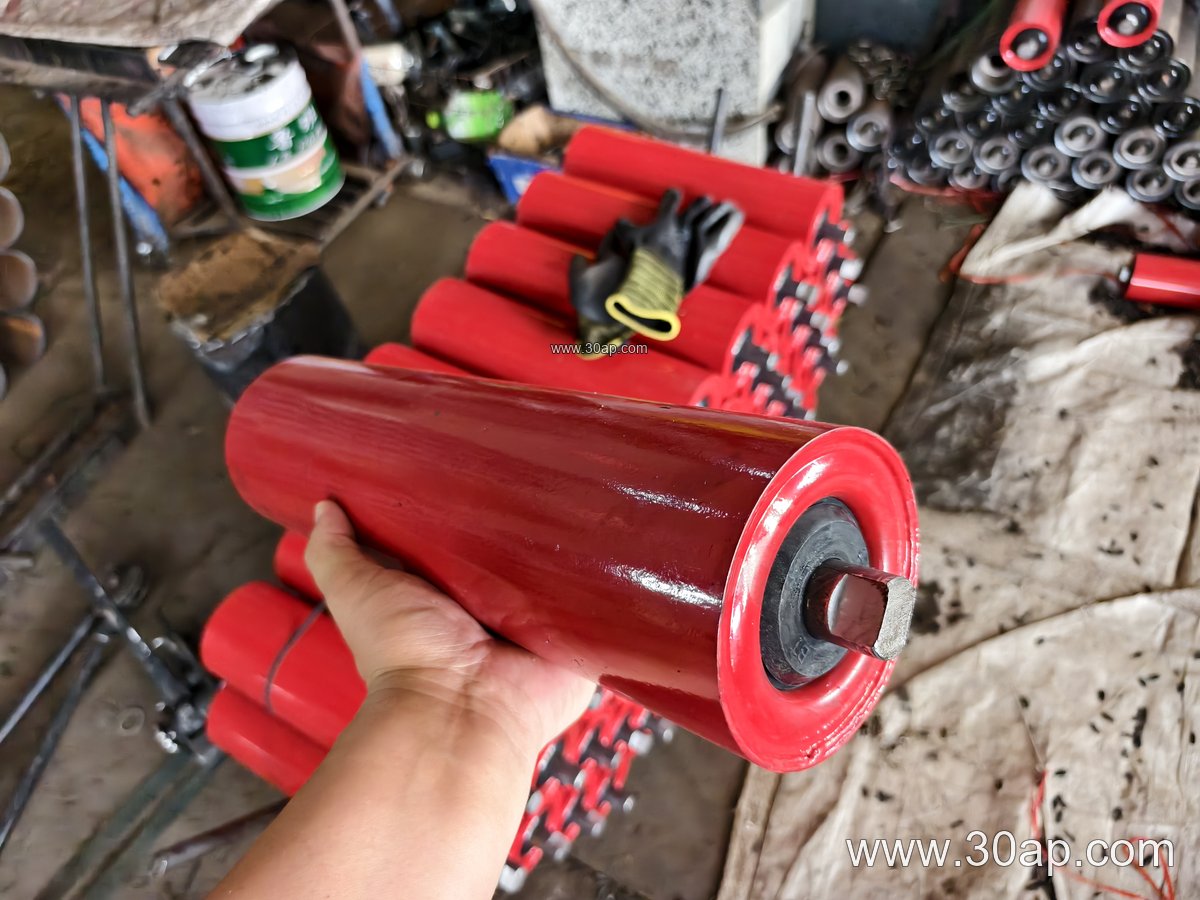
A typical anti-impact idler uses a steel tube body fitted with a series of rubber rings, discs or a continuous rubber sleeve. The rubber rings are spaced along the shell so that the belt rests on a flexible, slightly compliant surface rather than hard steel. Inside, the shaft runs through sealed bearings, usually deep-groove ball bearings such as 6204, 6205, 6305, 6306, 6308 or 6310 depending on load and roller diameter. The bearing housing and seal arrangement matter as much as the rubber, because dust and water ingress at a loading point will shorten service life quickly.
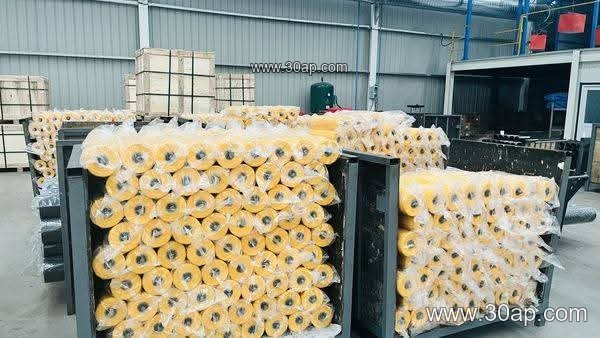
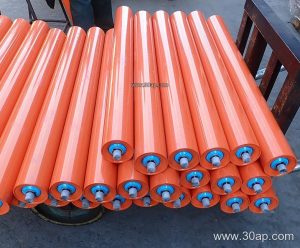
Common roller diameters for this family include Ø89, Ø102, Ø108, Ø127, Ø133, Ø159 and Ø178 mm, with larger sizes used where the belt is wide and the drop is severe. Roller length follows belt width, trough angle and idler arrangement; for a three-roll troughing set, typical roll lengths are roughly 200 mm at B500, 250 mm at B650, 315 mm at B800, 380 mm at B1000, 465 mm at B1200 and 530 mm at B1400. These are reference examples, not fixed pairings, and the centre roll and side rolls may differ.
Where It Fits on the Conveyor
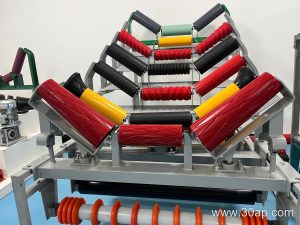
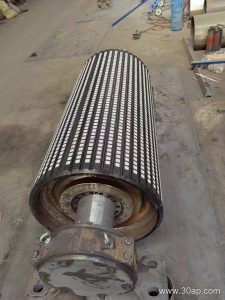
The anti-impact idler normally sits in the troughing position directly under the loading chute, skirtboard or crusher outlet. It may be supplied as a single roll, a two-roll set or a three-roll troughing set, with trough angles of 20, 30, 35 or 45 degrees. In many installations a short impact section of several idlers is used, followed by standard troughing idlers. A conveyor bracket or frame holds the set in place, and the whole assembly works together with the conveyor pulley at the head and tail to keep the belt tracking and tensioned.
Where material is particularly abrasive or hot, the rubber grade should be selected to suit the duty. A heat resistant conveyor belt in a cement plant or a flame retardant conveyor belt in a coal mining conveyor line will have different demands from an abrasion resistant conveyor belt carrying sharp aggregate. Matching the idler rubber to the belt compound helps both components last longer.
Applications Across Industries
Anti-impact idlers are common in quarry and aggregate lines below primary crushers, in iron ore and copper ore transfer houses, in coal mining conveyor systems, in power plant coal handling, and in cement plants at clinker and limestone drop points. They are also used in ship loading and port bulk terminals where material falls from a great height. In each case the goal is the same: protect the conveyor belt at its most vulnerable point.
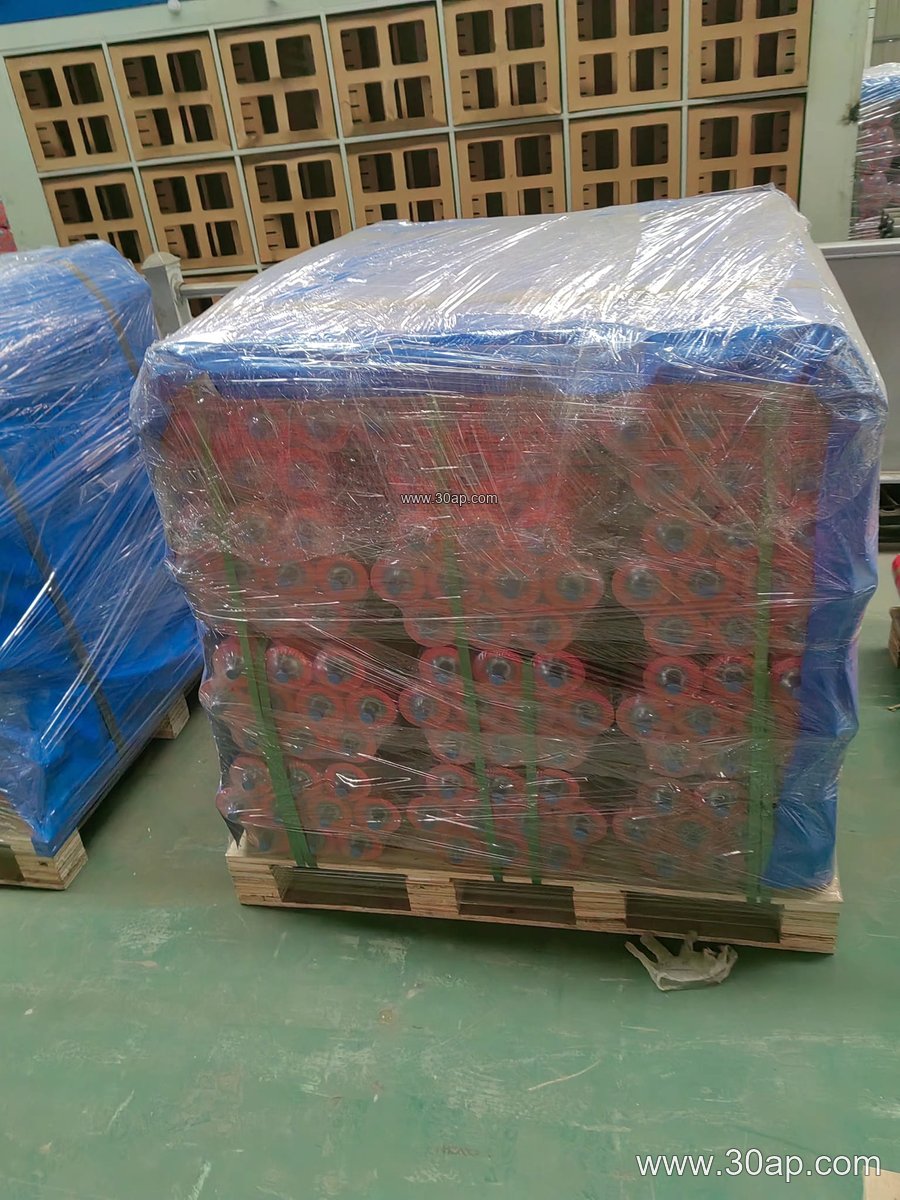
For wider belts, such as an 1800mm wide conveyor belt or a 2000mm wide conveyor belt, the impact section may need more idlers and heavier bearings. Steel cord conveyor belt and multi-ply fabric core conveyor belt constructions respond differently to impact, so the idler spacing and rubber hardness should be reviewed with the belt supplier.
Buyer Checklist
- Confirm belt width, trough angle and whether a single, two-roll or three-roll set is required.
- Check the drop height and lump size to judge rubber ring thickness and roller diameter.
- Match bearing size to load and speed; do not assume one bearing fits every roller diameter.
- Review seal type for dusty or wet conditions, especially underground mining conveyor applications.
- Confirm mounting dimensions with the conveyor bracket and frame drawing.
- Consider rubber grade for heat, oil or abrasion exposure.
Anti-impact idlers are a small part of the conveyor but a decisive one at the loading point. Selecting the right roller diameter, rubber form and bearing for the duty is more useful than choosing by price alone. A well-matched impact idler roller protects the conveyor belt, reduces downtime and keeps bulk material moving through the plant.