What an EP Conveyor Belt Is
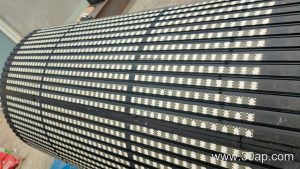
An EP Conveyor Belt is a fabric-core rubber belt built on polyester (E) and nylon (P) warp and weft yarns. The carcass gives the belt its tensile strength and troughability, while the rubber covers protect the fabric from abrasion, moisture, heat or oils depending on the compound chosen. Because the EP fabric stretches less than all-nylon construction, this belt holds tension well on long inclined runs and keeps take-up travel within reasonable limits. In many plants the same product is simply called an EP rubber conveyor belt or an EP fabric core conveyor belt, and all three names describe the same article.
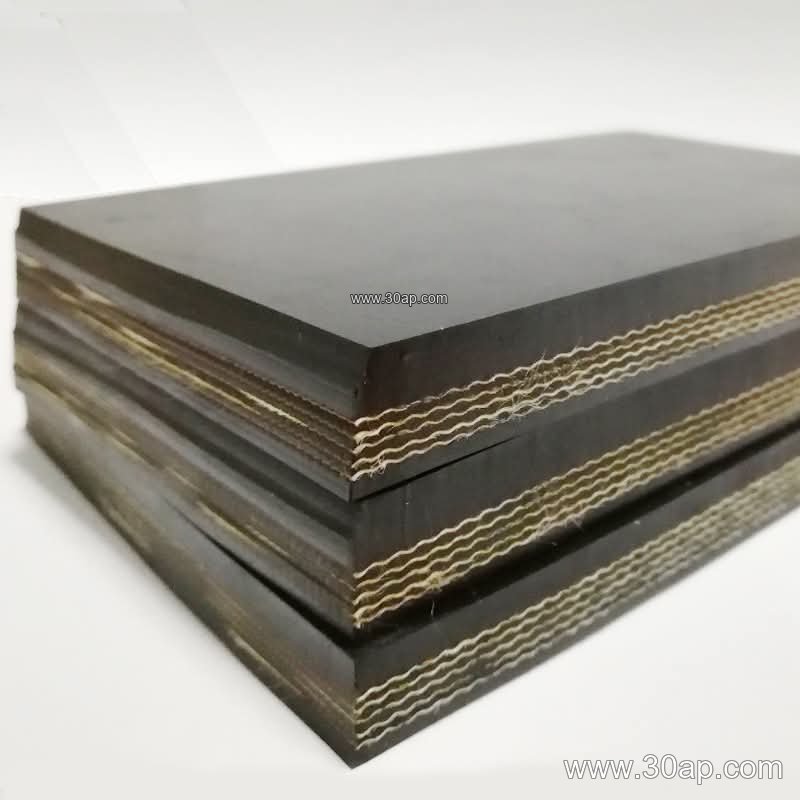
The carcass is usually protected by skim rubber between plies and edged with a rubber selvedge to keep moisture out. Cover thickness, ply count and compound grade are the three variables a buyer usually has to settle first.
Construction and Typical Grades
EP fabric is woven from polyester warp yarns and nylon weft yarns, then calendered and assembled into a multi-ply construction, commonly 2 to 6 plies. A Multi-Ply Fabric Core Conveyor Belt of this family can reach high strength levels without the stiffness of steel cord reinforcement. Typical tension grades run from EP200 up to EP2000, though designers select a grade from the actual working tension and safety factor rather than from a catalogue maximum.
| Property | Common range | Notes |
|---|---|---|
| Tension grade | EP200, EP315, EP400, EP500, EP630, EP800, EP1000, EP1250, EP1600, EP2000 | Confirm with the belt maker’s data sheet |
| Belt width | B500, B650, B800, B1000, B1200, B1400, B1600, B1800, B2000 | Match to troughing idlers and pulley face |
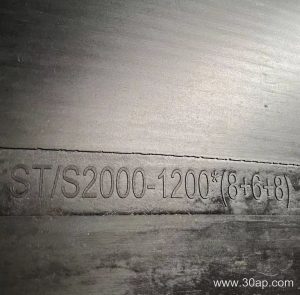
| Cover thickness | 3+1.5, 4+2, 5+2, 6+2, 8+3 mm top+bottom | Top cover sized to lump size and drop height |
| Ply count | 2 to 6 plies | Higher grades generally use more plies |
Special compounds are available for heat, oil, flame, cold, abrasion and static dissipation. A Heat Resistant Conveyor Belt and a Flame Retardant Conveyor Belt are separate specifications, not interchangeable, and each should be ordered against the actual temperature or fire-safety requirement of the site.
Where It Fits in a Plant
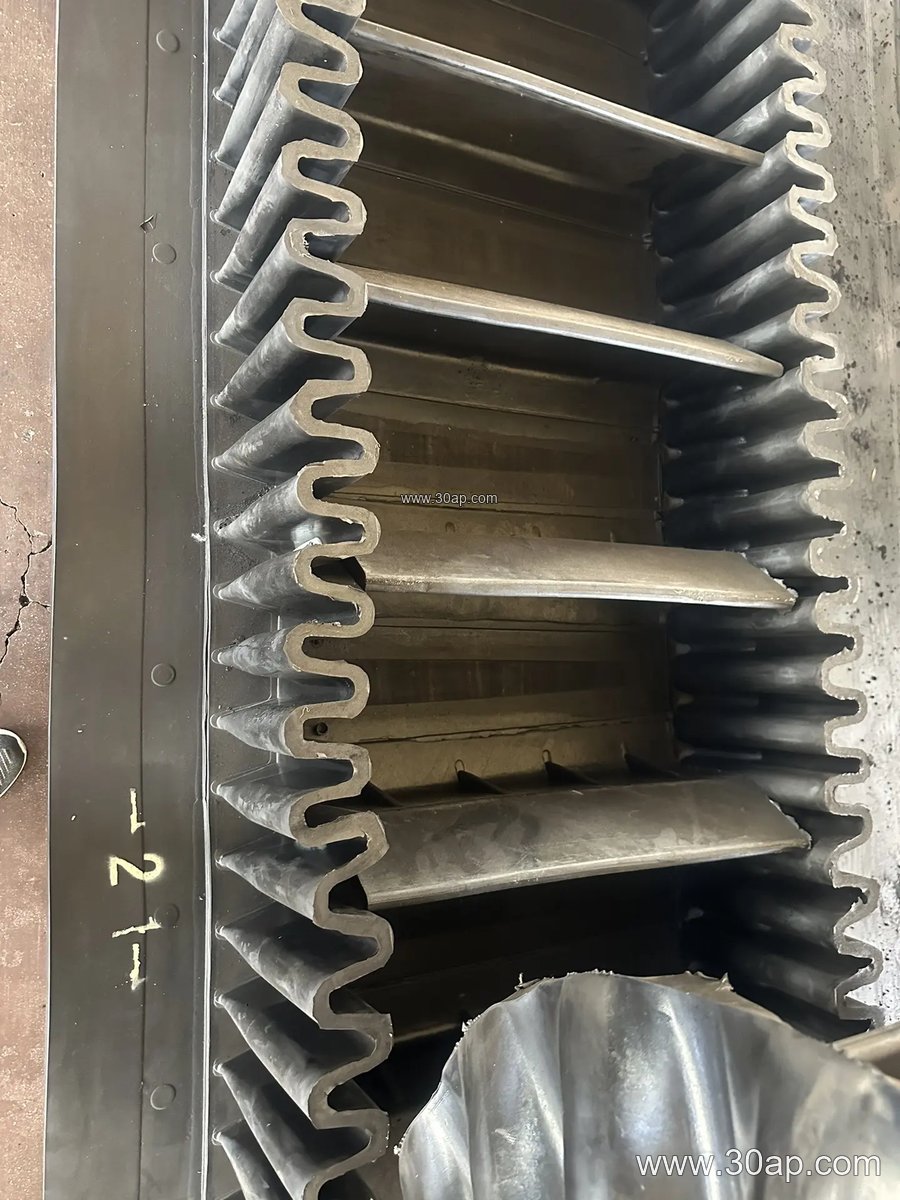
This belt type appears across a wide spread of bulk handling operations. In mining and quarry work it carries run-of-mine rock from the crusher to the stockpile, and a heavy-duty variant is often chosen for primary haulage. Cement plants use it on clinker and raw meal lines, power plants on coal and ash handling, and ports and ship loading terminals on high-capacity transfer booms. Sand and gravel yards, recycling lines and steel plants also run it. Options such as a Chevron Conveyor Belt, a Corrugated Sidewall Conveyor Belt or a Pipe Conveyor Belt solve steep-angle or spillage problems, but they are separate designs and should not be substituted for a flat EP belt without a fresh calculation.
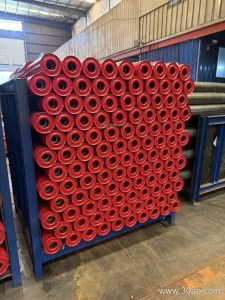
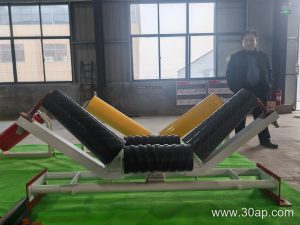
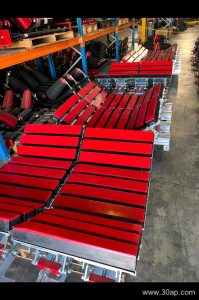
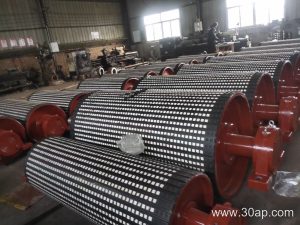
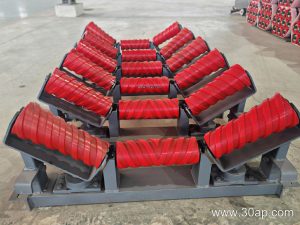
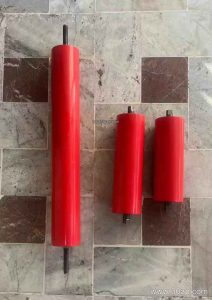
The belt does not work alone. Troughing idler rollers support the loaded strand, a drive pulley transmits torque, a tail pulley sets the return point, and bend pulleys guide the belt around take-up and tensioning arrangements. Conveyor brackets hold the idlers and pulleys in alignment. A misaligned frame or a worn pulley lagging will shorten belt life whatever the cover grade.
Points a Buyer Should Check
- Confirm the calculated working tension and select the grade from it, not from the widest belt the supplier stocks.
- State the material, lump size, temperature, moisture and oil content so the cover compound is chosen correctly.
- Check pulley diameters against the carcass thickness and ply count recommended by the belt maker; a thin belt on a small pulley flexes harder and may crack.
- Decide the joint method early. A vulcanised splice usually suits long, permanent runs, while mechanical fasteners suit short or frequently moved lines.
- For underground coal work, order a flame retardant and anti-static specification and keep the test documents with the delivery.
On site, keep the belt tracking straight, clean spillage from return idlers, and inspect the splice at each shutdown. Most EP belt failures start at the edge or the splice rather than in the middle of the carcass.
Related Equipment and Further Reading
When specifying a full conveyor line, buyers often look at the belt together with troughing and impact idler roller sets, the head and tail conveyor pulley assemblies, and the supporting conveyor bracket layout. Our pages on EP conveyor belt grades and on conveyor roller selection explain how these parts are matched. For abrasive stone and ore duty, see our notes on abrasion resistant conveyor belt covers, and for drive end hardware, the conveyor pulley guide.