What an Aggregate Production Line Idler Does
In a sand and gravel plant or quarry, the conveyor system moves crushed rock, sand, and screened stone continuously. The idler roller—often called a conveyor idler—is the rotating component that supports the conveyor belt and the material load along the entire route. On an aggregate production line, these idlers are exposed to abrasive dust, heavy impact from large lumps, and frequent washdown. Selecting the right aggregate production line idler means balancing load capacity, wear life, and maintenance access. Whether the belt carries primary crusher output or finished aggregate, the idler set directly affects belt tracking, energy draw, and downtime.
Construction and Common Configurations
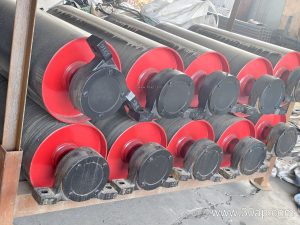
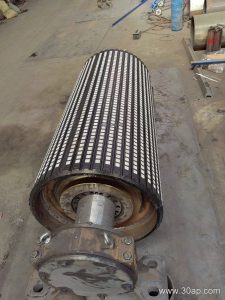
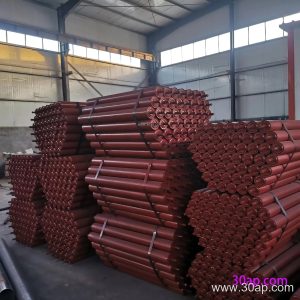
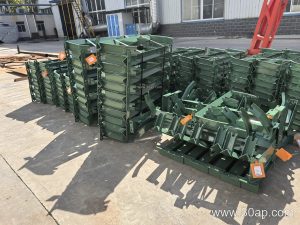
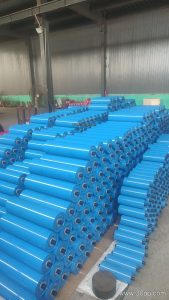
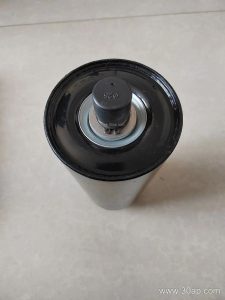
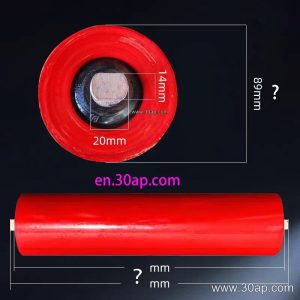
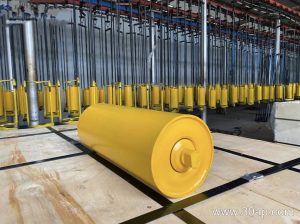
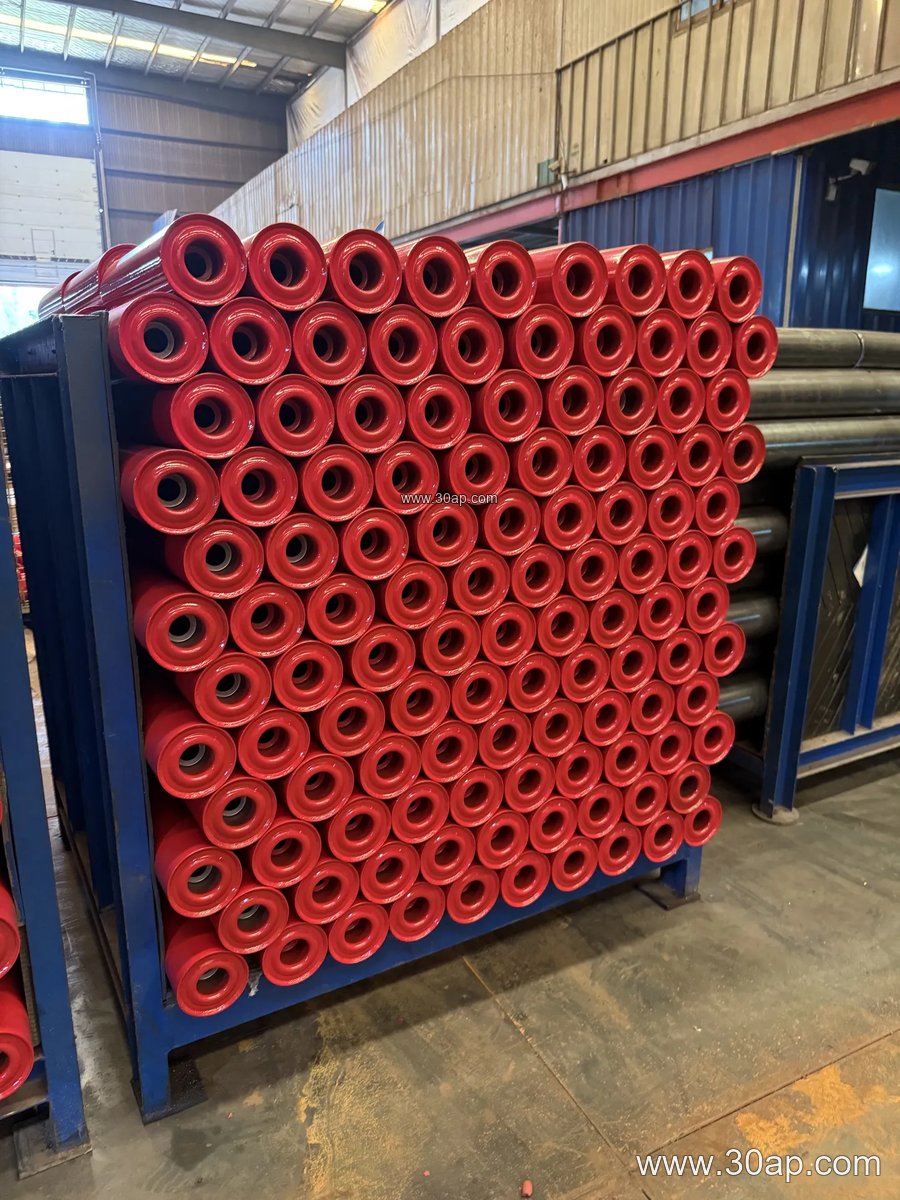
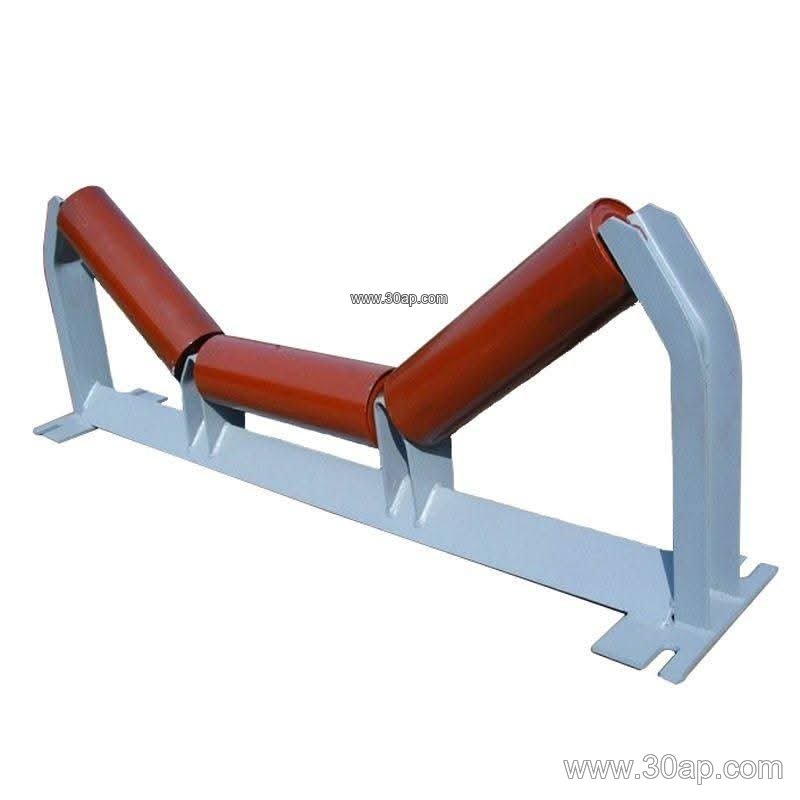
A typical idler roller consists of a steel tube shell, bearing housings, a shaft, and seals. For aggregate duty, the roller surface may be plain steel, nylon, or covered with rubber rings for impact absorption. The idler set is mounted on a conveyor bracket or frame, and the assembly supports the conveyor belt. Common troughing sets use three rolls with a trough angle of 20, 30, 35, or 45 degrees. The roll diameter is often matched to belt width and load; typical diameters include 89 mm, 102 mm, 108 mm, 127 mm, 133 mm, and 159 mm. Bearing sizes such as 6204, 6205, 6305, 6306, and 6308 are common, but the correct bearing depends on the specific idler design, not on belt width alone. Roll length varies with belt width and trough configuration—for example, a three-roll troughing set on a 1000 mm belt may use rolls around 380 mm long, while an 800 mm belt often uses 315 mm rolls. These are reference examples, not fixed rules.
Where It Fits in the Plant
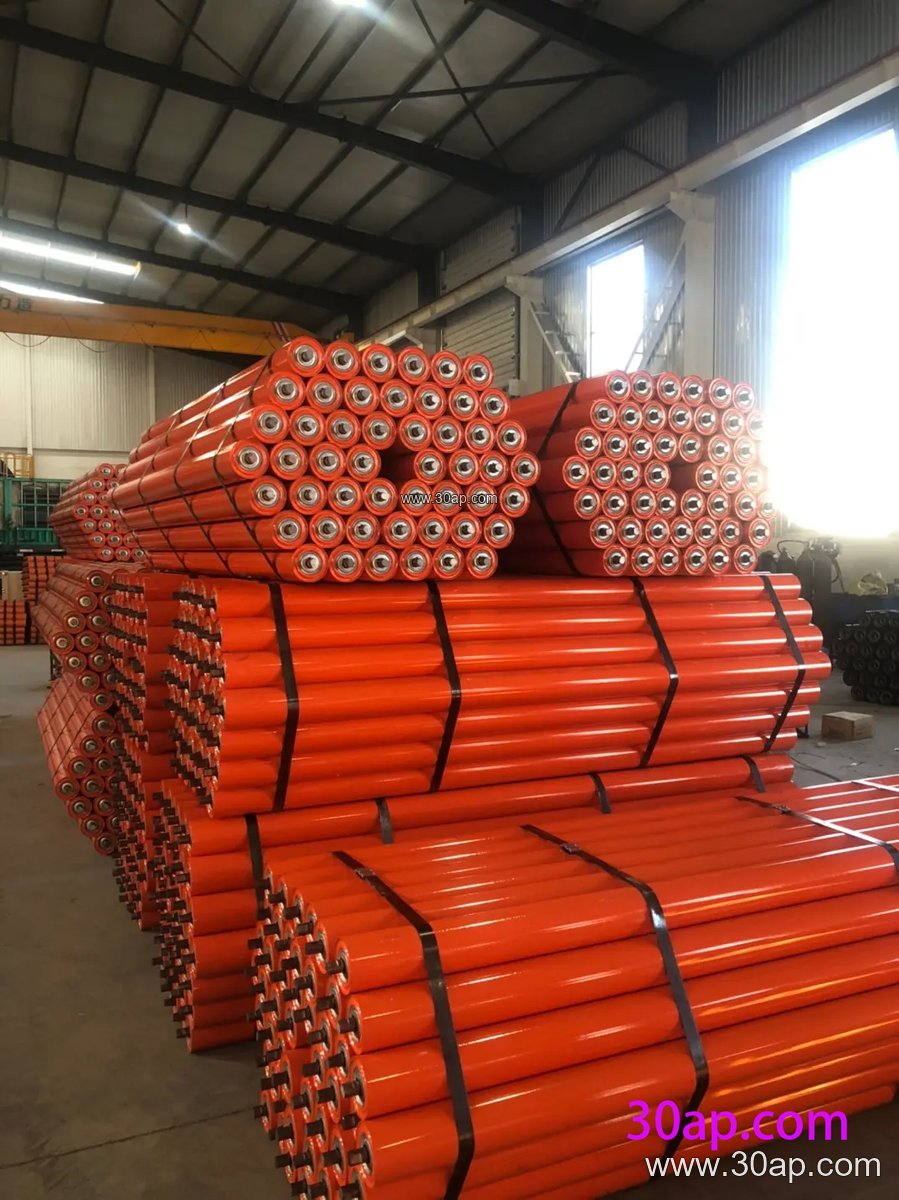
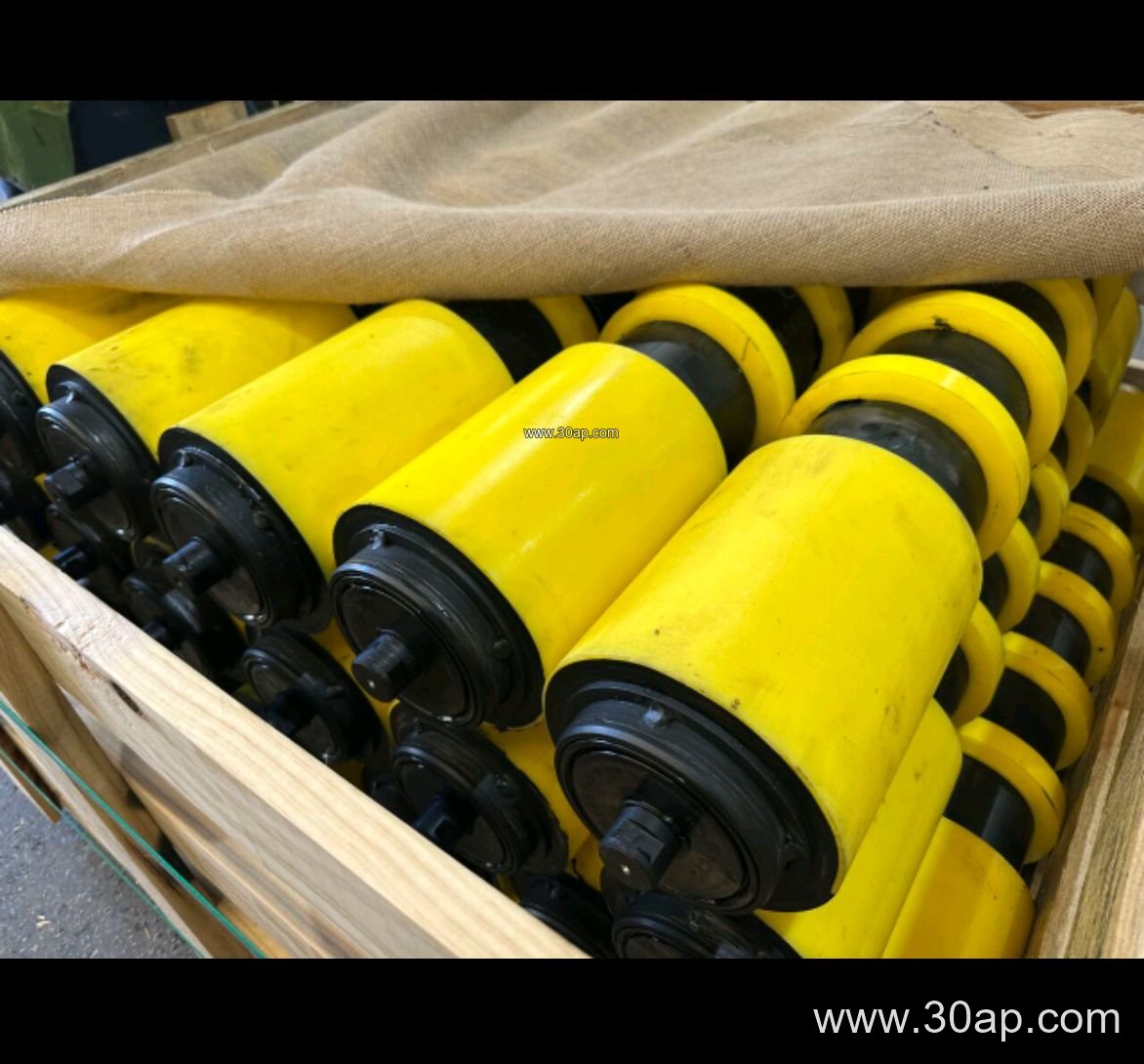
Aggregate production line idlers appear at several points. Impact idlers with rubber rings are placed under the loading zone where crusher discharge drops onto the belt. Troughing idlers carry the main load along inclined and horizontal sections. Return idlers support the empty belt on the return strand, and self-aligning idlers help correct misalignment on long conveyors. In a quarry or stone crushing plant, dust and moisture are constant, so sealed bearings and abrasion-resistant roll surfaces extend service life. The same idler principles apply in cement plants, coal handling, and power plant fuel systems, but the aggregate line emphasizes impact resistance and dust protection. A worn idler can cause belt edge damage, spillage, and increased power consumption, so routine inspection pays off.
Specification Pointers for Buyers
When specifying an aggregate production line idler, consider belt width (B400 to B2400 are common), trough angle, roll diameter, bearing type, and roll surface. The table below lists typical reference values; actual selection follows the conveyor design and duty condition.
| Parameter | Common Reference Range |
|---|---|
| Belt width | B500, B650, B800, B1000, B1200, B1400, B1600, B1800, B2000 |
| Roll diameter | Ø63, Ø76, Ø89, Ø102, Ø108, Ø127, Ø133, Ø159, Ø178, Ø194, Ø219 mm |
| Trough angle | 20°, 30°, 35°, 45° |
| Roll surface | Steel, nylon, ceramic, rubber rings |
| Bearing (examples) | 6204, 6205, 6305, 6306, 6308, 6310 |
| Roll length (example) | B500 ≈ 200 mm; B800 ≈ 315 mm; B1000 ≈ 380 mm; B1200 ≈ 465 mm; B1400 ≈ 530 mm |
Also check the conveyor bracket dimensions and mounting hole spacing. The idler must fit the existing frame without modification. For dusty aggregate lines, labyrinth seals or contact seals are preferred. Avoid mixing idler types from different suppliers on the same conveyor, as slight dimensional differences can affect belt tracking.
Maintenance and Replacement Notes
Inspect idlers regularly for seized bearings, worn shells, and material buildup. A seized roller can rub through the conveyor belt quickly, especially on a heavy-duty mining conveyor belt or an abrasion resistant conveyor belt carrying sharp rock. Replace idlers in sets when several in a row show wear. Keep spare idlers for common diameters and belt widths on hand. During washdown, avoid directing high-pressure water at bearing seals. Proper alignment of the conveyor bracket and frame reduces uneven loading. When replacing a belt, check idlers for flat spots and replace any that no longer rotate freely. For conveyors using an EP conveyor belt or steel cord conveyor belt, smooth idler rotation protects the belt cover and extends splice life.