What a Power Plant Conveyor Belt Does
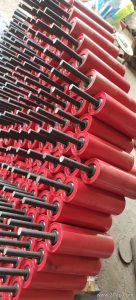
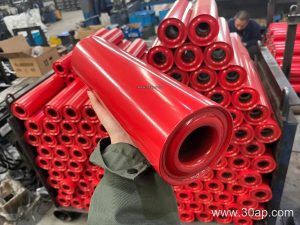
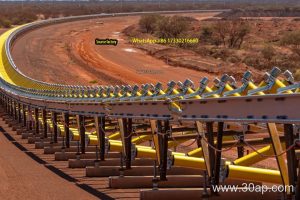
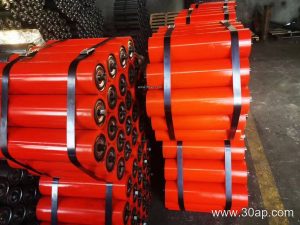
A power plant conveyor belt is the continuous loop that moves coal, limestone, biomass, or ash between unloading, stockyard, boiler, and disposal points. In a coal-fired unit, it often runs from the wagon tippler or ship unloader to the crusher house, then to the boiler bunkers; in a biomass or waste-to-energy plant, it may handle wood chips or refuse-derived fuel. The belt works with conveyor pulleys, idler rollers, and conveyor brackets to form a stable trough or flat path, so the right belt specification keeps the whole line running.
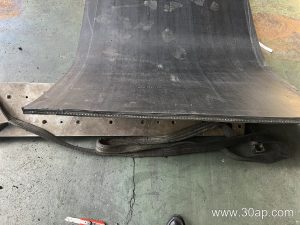
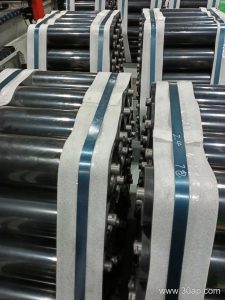
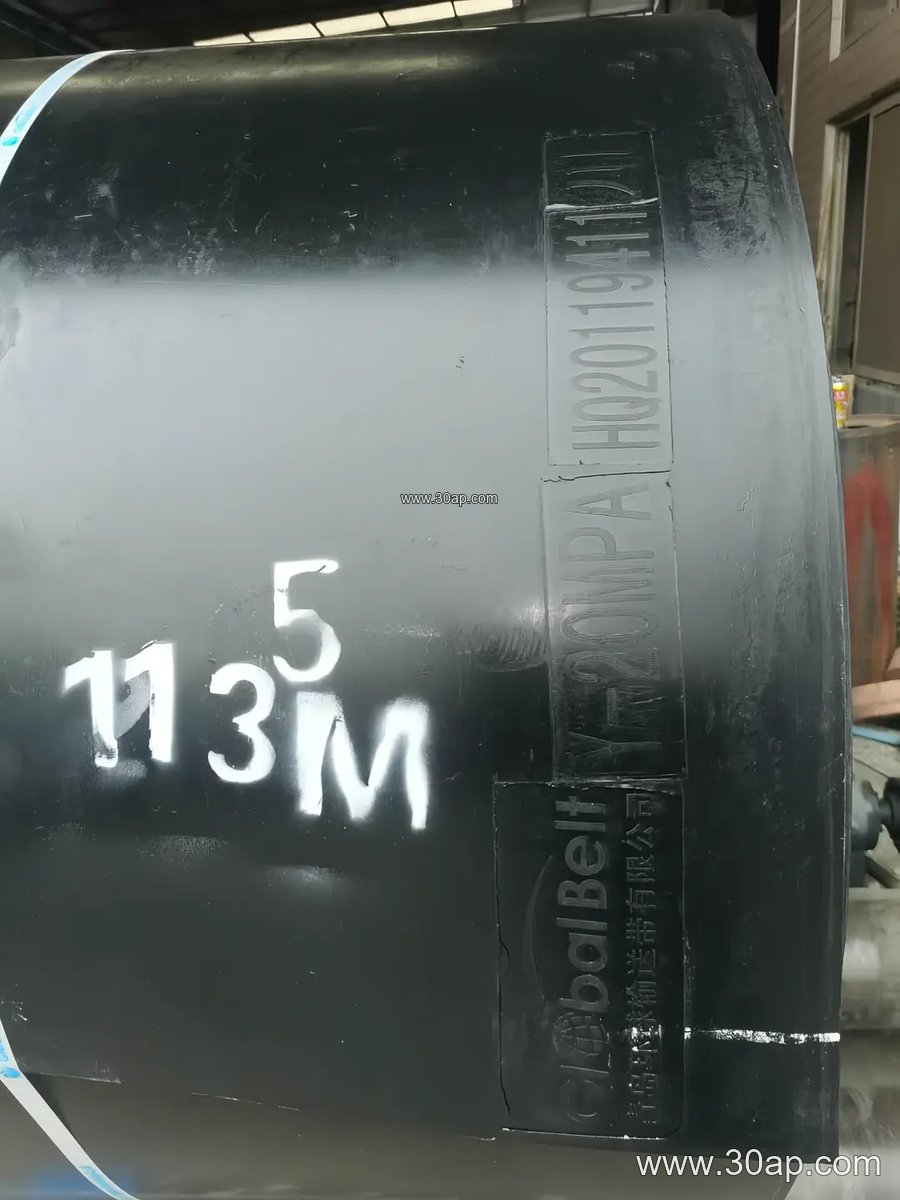
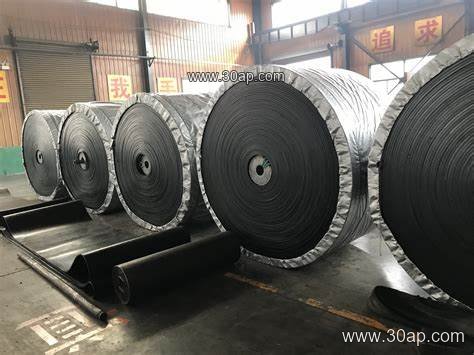
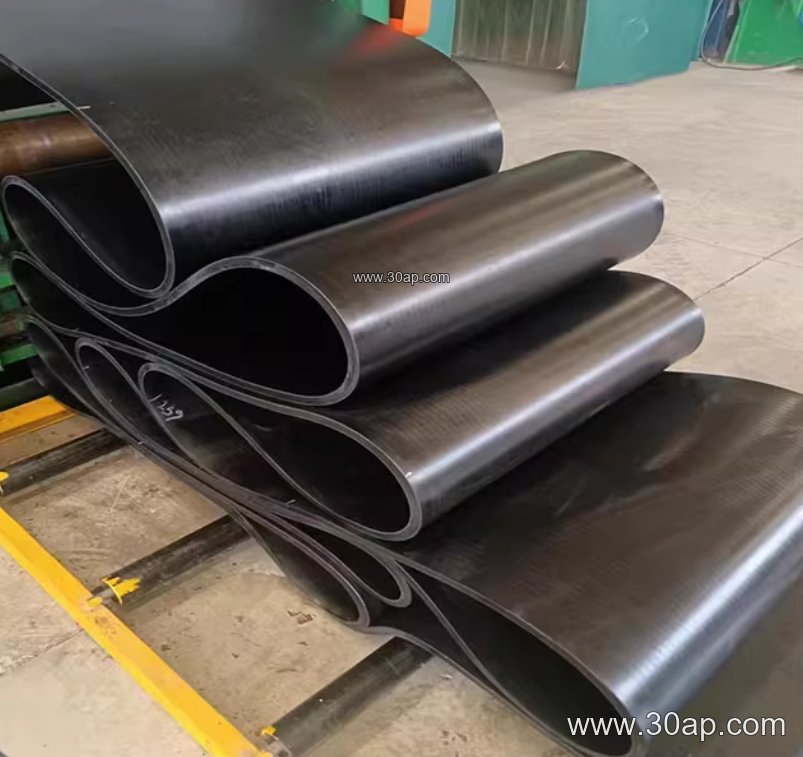
The belt itself is a composite: a tension-carrying carcass, top and bottom rubber covers, and sometimes a special surface profile. The carcass can be fabric core or steel cord. Cover compounds are chosen for abrasion, heat, oil, flame, or static control. A power plant often needs a mix of properties, because one belt may carry coal, another limestone, and a third fly ash.
Construction and Common Types
Fabric core belts use multiple plies of EP (polyester-cotton) or NN (nylon-nylon) fabric. EP conveyor belt and NN conveyor belt are common in medium-duty coal handling, where moderate impact and flexibility matter. Steel cord conveyor belt is used for long, high-tension runs, such as a main coal conveyor from stockyard to boiler. For underground or enclosed galleries, flame retardant and anti-static properties are often specified; PVC and PVG belts are also seen in mining and tunnel applications.
Surface forms matter in power plants. A chevron conveyor belt or corrugated sidewall belt can handle inclined transfer points without spillage. A skirted conveyor belt helps contain coal dust at loading zones. Heat resistant conveyor belt is relevant near boiler feed or ash handling where material temperature is elevated. Oil resistant and abrasion resistant covers are common where coal is oily or where ash is abrasive.
Typical Specifications and How They Are Written
Belt specifications usually combine carcass type, strength, width, cover thickness, and special properties. The table below shows common reference values; actual selection depends on conveyor design, material lump size, lift, and loading conditions.
| Parameter | Common Reference Range | Notes |
|---|---|---|
| Belt width | B500, B650, B800, B1000, B1200, B1400, B1600, B1800, B2000 | Wider belts are used for high tonnage; a 1200mm wide conveyor belt is common in medium-size coal handling. |
| EP strength grades | EP200, EP315, EP400, EP500, EP630, EP800, EP1000, EP1250, EP1600, EP2000 | Higher grades suit longer or higher-lift conveyors; EP1000 and EP1250 appear in main coal lines. |
| Steel cord grades | ST1000, ST1250, ST1600, ST2000, ST2500, ST3150 | Used for long-distance, high-tension conveyors; final grade is set by belt tension calculation. |
| Cover thickness | 3+1.5, 4+2, 5+2, 6+2, 8+3 mm | Top cover protects against impact and abrasion; bottom cover runs on idler rollers. |
| Carcass plies | 2 to 6 layers for fabric core | Multi-ply fabric core is common in coal and limestone handling. |
When writing a purchase request, state the carcass type, strength grade, width, cover thickness, and any special requirement such as flame retardant or heat resistant. For example, an EP1000 1200mm conveyor belt with 6+2 mm covers might be specified for a coal stockyard conveyor, while a steel cord belt might be chosen for a longer main line.
Where It Is Used Across Industries
Power plants are not the only users. The same belt families appear in coal mining, cement plants, quarries, sand and gravel yards, steel plants, and port terminals. A coal mining conveyor belt often needs flame retardant and anti-static properties; a cement plant conveyor belt may need heat resistance for clinker or abrasion resistance for limestone. A quarry conveyor belt and aggregate conveyor belt handle sharp rock, so high abrasion resistant covers are common. In a steel plant, coke and ore transfer may call for impact resistant and heat resistant grades. Port ship loading conveyors may use wide belts, such as 1800mm or 2000mm, to move bulk material quickly.
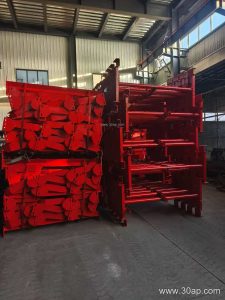
Supporting components are selected together with the belt: conveyor pulleys at the head and tail, idler rollers along the carry and return sides, and conveyor brackets to hold the structure. These parts are not interchangeable with the belt, but their condition affects belt life. Misaligned idlers or worn pulleys can damage the carcass and covers.
Buyer Checklist for Power Plant Conveyor Belts
- Confirm material: coal, limestone, biomass, ash, or mixed duty, and note lump size and temperature.
- Check the conveyor tension calculation before choosing EP or steel cord; do not assume one width fits every pulley diameter.
- Specify cover thickness and grade for abrasion, heat, oil, or flame resistance as needed.
- Ask for the belt’s static and flame properties when the gallery is enclosed or underground.
- Review splice method and edge condition, since a power plant belt is only as strong as its joint.
- Keep spare idler rollers and pulley lagging in mind, because belt performance depends on the whole conveyor line.
A well-chosen power plant conveyor belt balances carcass strength, cover compound, and surface form against the actual coal or ash duty. The goal is steady material flow with fewer stoppages, not a single universal specification.