What a High-Capacity Trough Idler Does
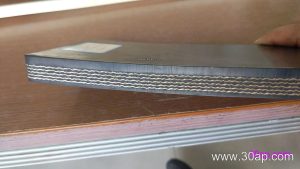
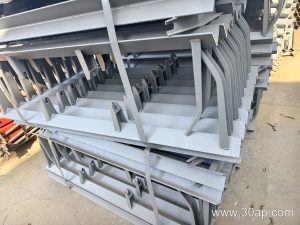
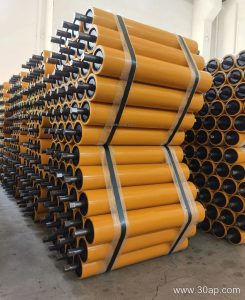
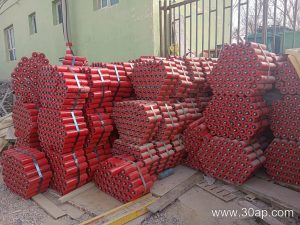
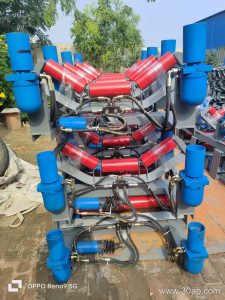
A high-capacity trough idler is the carrying idler that supports the loaded run of a conveyor belt and forms it into a trough so bulk material stays centered. In heavy-duty conveying, the trough idler is the component that carries the weight of the belt plus the material, so its bearings, shaft and shell have to be chosen for the load. A high-capacity trough idler is built for high tonnage, wide belts and abrasive or dense material, and it is usually specified together with the conveyor belt, idler roller and conveyor bracket that share the same frame.
Heavy-duty mining conveyor belts, quarry conveyor belts and cement plant belts all rely on this style of idler to keep the belt aligned and the material contained. On a long overland or plant conveyor, one weak idler can stop the whole line, so many buyers treat the trough idler as a wear part worth specifying properly.
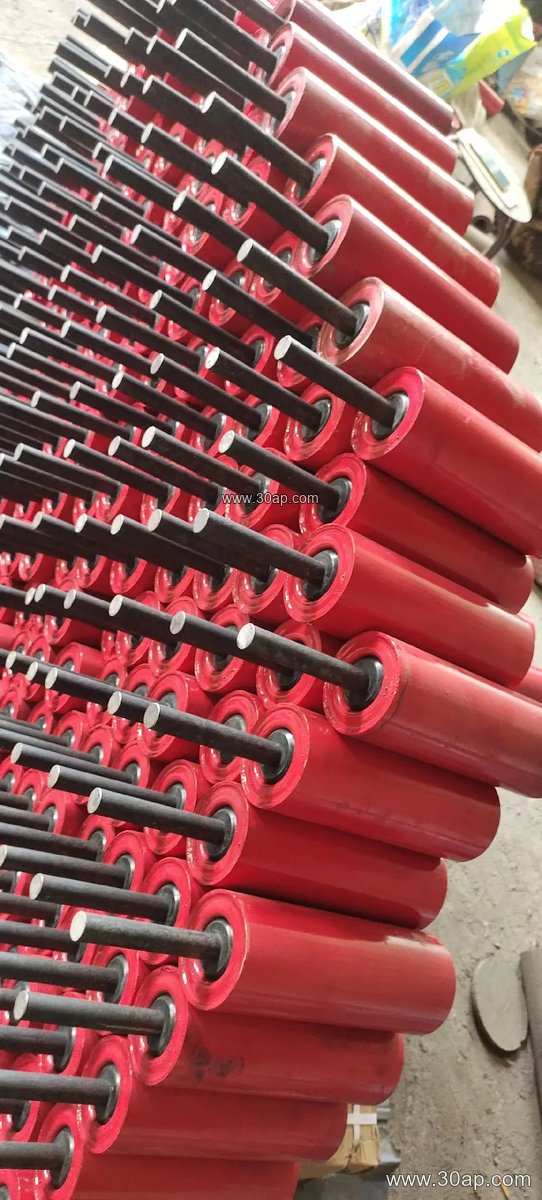
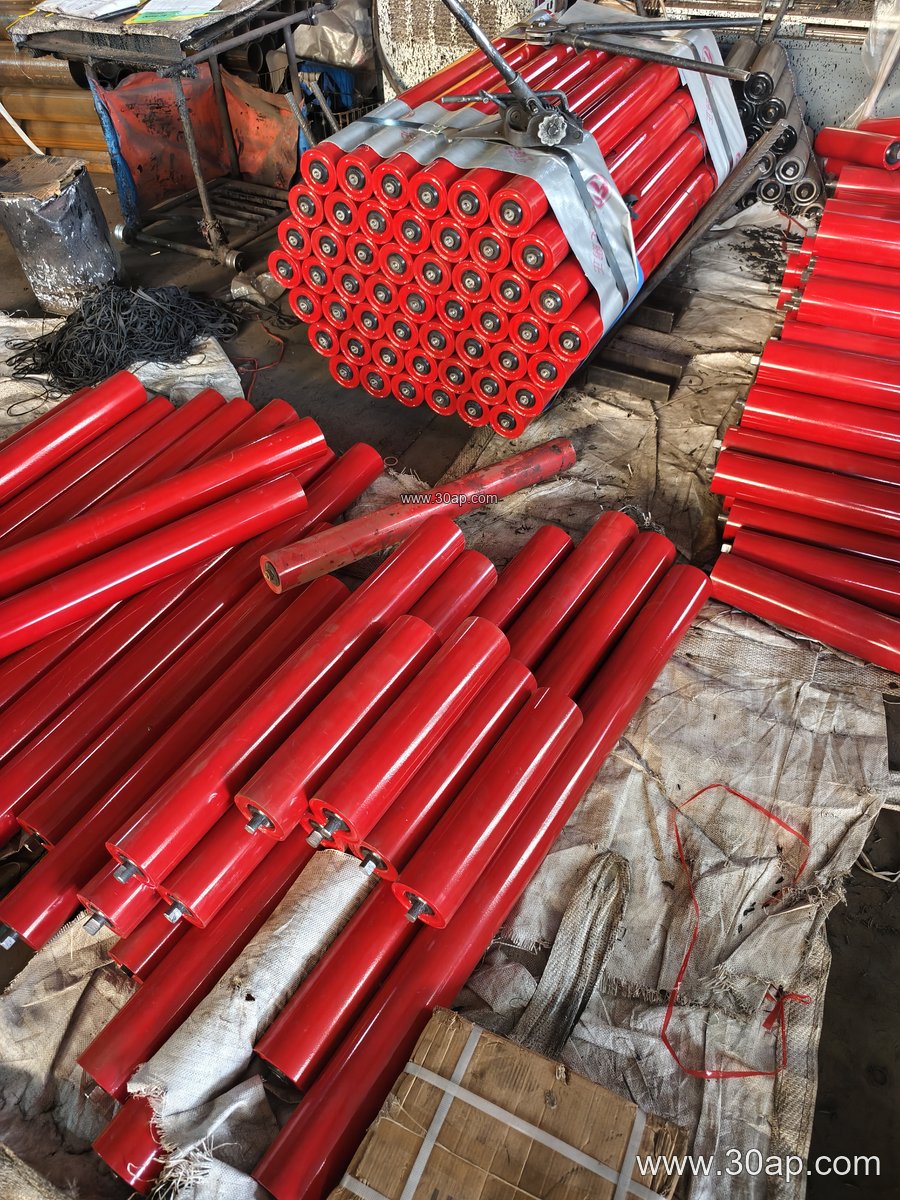
Construction Details
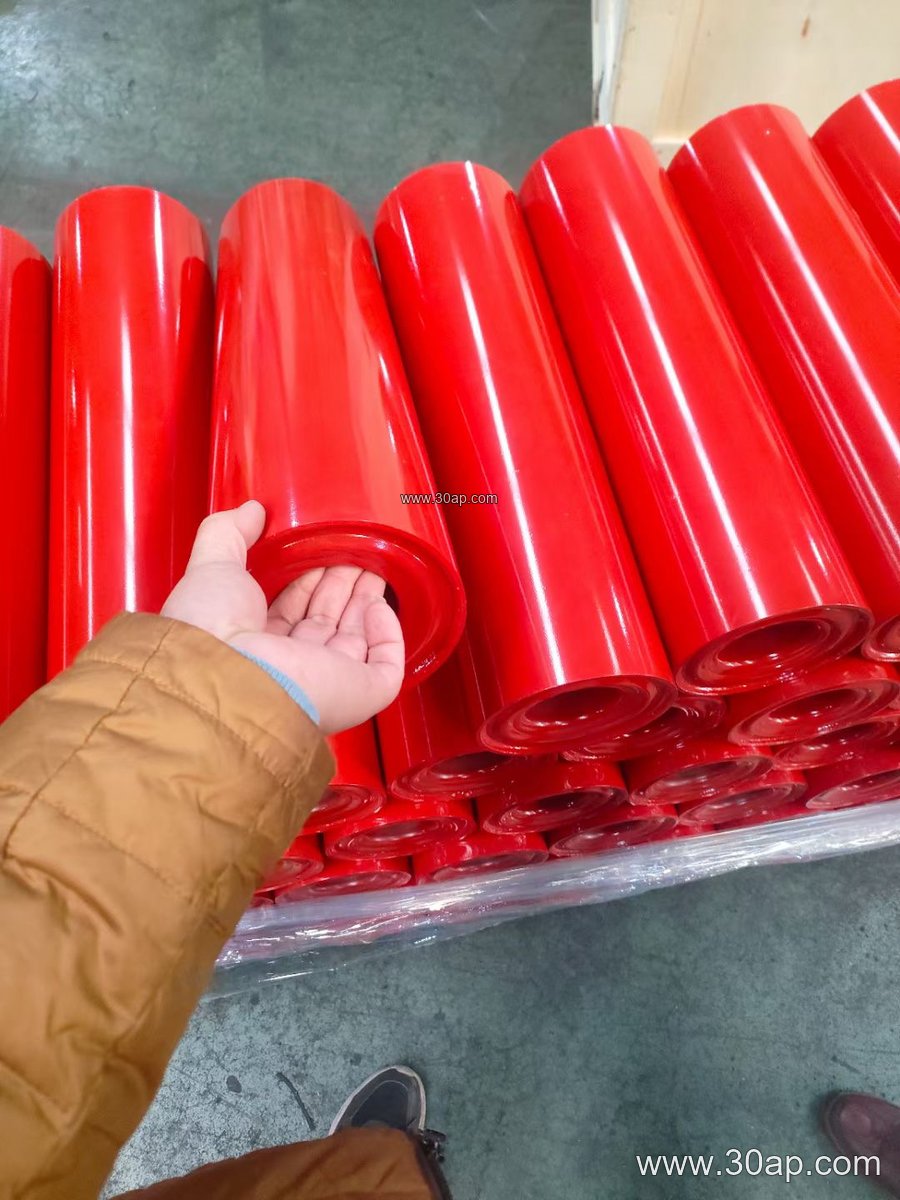
The core of a high-capacity trough idler is a steel tube shell with machined end caps, a through shaft, and sealed ball bearings. Roller diameter and bearing size are selected together; a larger roller and a heavier bearing are common where loads are high. Typical roller diameters range from about Ø89 up to Ø219, while bearing sizes such as 6205, 6305, 6306, 6308 and 6310 appear across the range. The bearing choice is not fixed to a single roller diameter, and the shaft diameter should be confirmed by the idler maker from the actual load, not guessed from belt width.
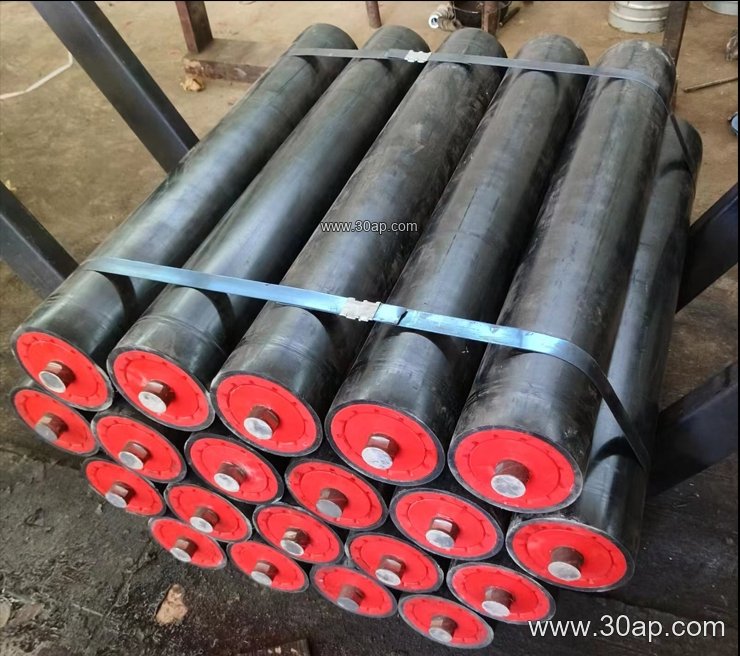
The shell surface may be plain steel, nylon, ceramic or rubber-ringed. Rubber rings are common on impact sections, while ceramic or nylon covers are used where sticky material builds up. Sealing is the other key point: a labyrinth or multi-stage seal keeps dust and water out of the bearing, which matters in wash-down plants, tunnels and coastal ports.
Trough Angles and Belt Widths
The trough angle, usually 20, 30, 35 or 45 degrees, sets how deep the belt sits in the idler set. A deeper trough holds more material and reduces spillage, but it also increases belt stress at the edges. Three-roll trough sets are the standard arrangement for most bulk lines, while two-roll and single-roll sets suit narrower belts or special frames. Roll length changes with belt width, trough angle and set type; the figures below are common examples, not fixed matches.
| Belt width | Common roll length (three-roll set) | Typical idler diameter range |
|---|---|---|
| B500 | about 200 mm | Ø63 to Ø108 |
| B650 | about 250 mm | Ø76 to Ø127 |
| B800 | about 315 mm | Ø89 to Ø133 |
| B1000 | about 380 mm | Ø89 to Ø159 |
| B1200 | about 465 mm | Ø102 to Ø178 |
| B1400 | about 530 mm | Ø108 to Ø194 |
| B1600 | about 600 mm | Ø127 to Ø219 |
| B1800 | about 670 mm | Ø133 to Ø219 |
| B2000 | about 750 mm | Ø159 to Ø219 |
Where It Is Used
Two common settings show the range. In a coal preparation plant or underground coal mining conveyor, the trough idler runs under a flame retardant conveyor belt or PVG conveyor belt and must tolerate coal dust and moisture. In a limestone quarry or aggregate line, the same idler carries crushed rock under an abrasion resistant conveyor belt, where fines and sharp edges wear the shell and seals.
The same component appears in cement plants, power plant coal handling, steel plants, ports and crushing and screening circuits. Where the belt is a steel cord conveyor belt or a heavy fabric core belt such as EP200 or NN300, the idler spacing and load rating are usually checked against the belt tension and material weight. Special belts like a corrugated sidewall conveyor belt or a pipe conveyor belt run on different idler arrangements, so the trough idler is matched to the belt type rather than assumed.
What Buyers Should Check
- Confirm the trough angle, roll length and set type against the frame drawing, not just the belt width.
- Ask for the bearing size, shaft diameter and seal design; these drive service life more than appearance.
- Match the shell surface to the material: rubber rings for impact zones, ceramic or nylon for sticky loads.
- Check that the idler fits the existing conveyor bracket and that spacing suits the belt and load.
- For heat, oil or fire risk, confirm the idler and belt are compatible; a heat resistant conveyor belt still needs a suitable idler position.
A high-capacity trough idler is a simple part, but the right diameter, seal and shell make the difference between a line that runs and one that keeps stopping. Buyers who check the load, the belt and the frame together usually get the longest service life.