What a High-Speed Conveyor Idler Does
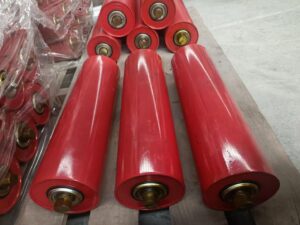
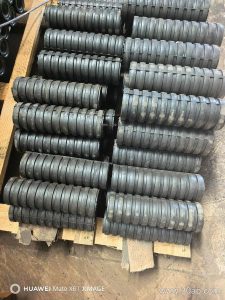
A high-speed conveyor idler is the rotating support under a fast-moving conveyor belt. In a quarry, power plant, or iron ore terminal, belt speeds can climb well above the usual range, and the idler must keep the belt stable without adding unnecessary drag. The idler roller itself is a steel tube fitted with bearings and a shaft, held in a conveyor bracket or frame. At high speed, balance, seal quality, and bearing fit matter more than they do on a slow yard conveyor. The goal is simple: keep the belt tracking, protect the conveyor belt, and avoid vibration that shortens bearing life.
Construction Details That Matter at Speed
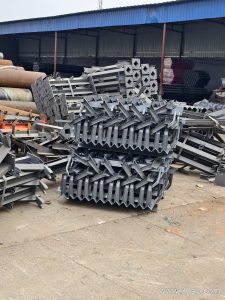
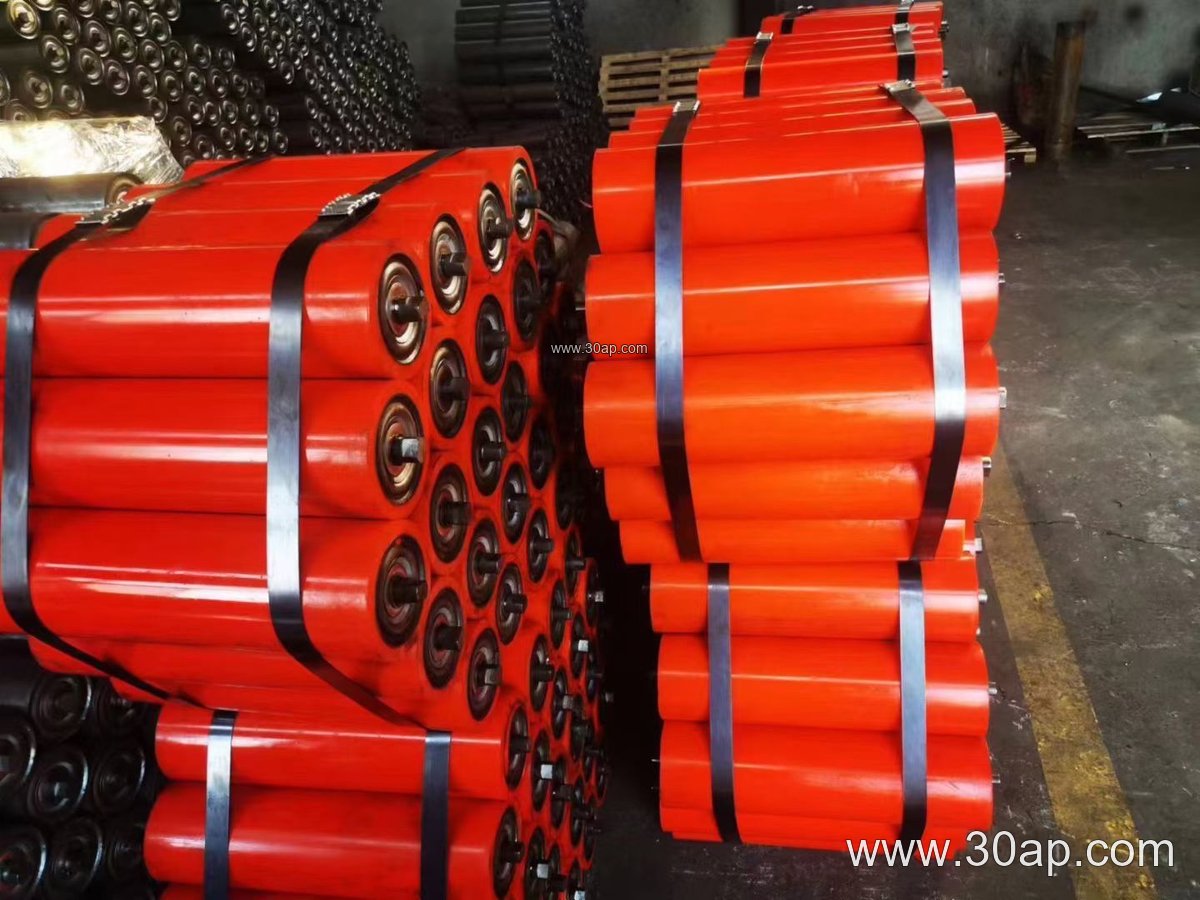
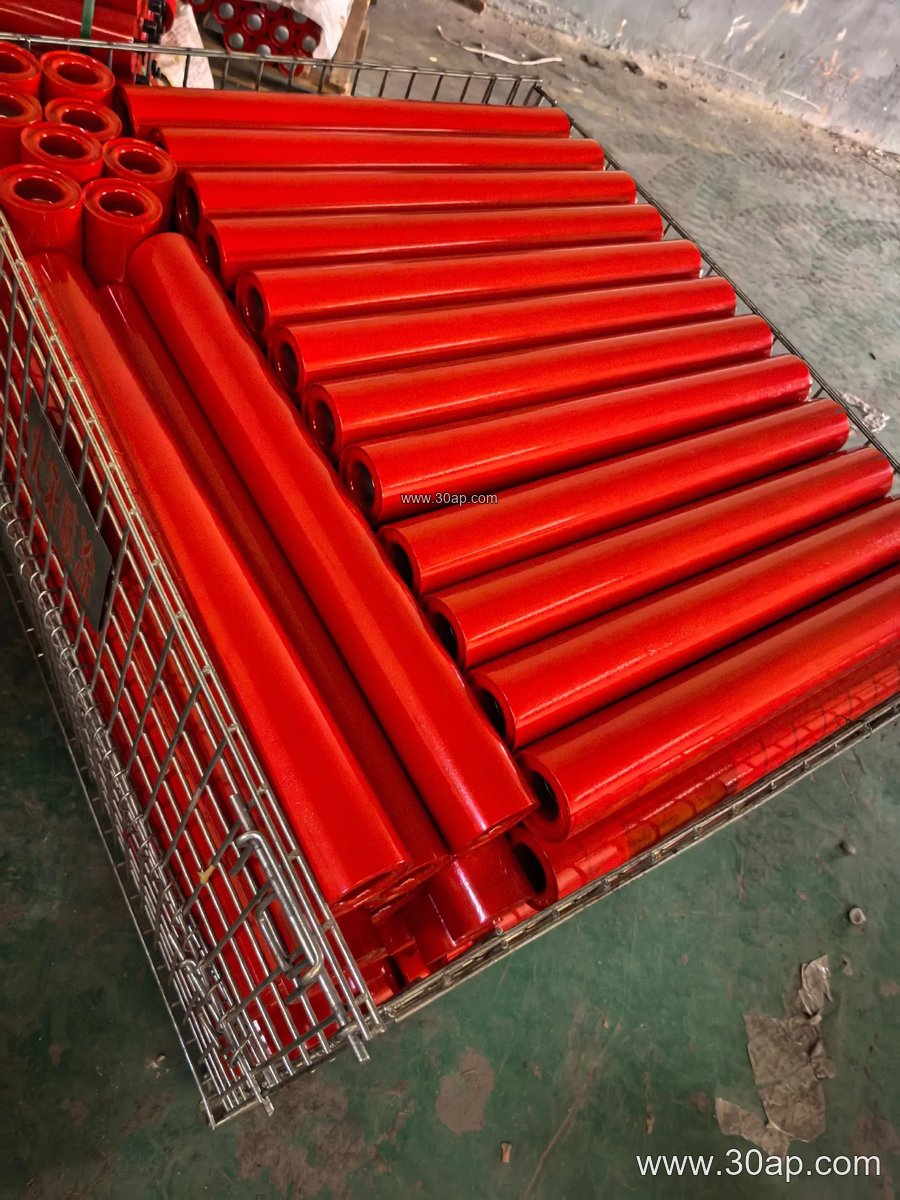
A high-speed conveyor idler usually starts with a seamless or welded steel tube, machined at both ends to hold the bearing housing. Common roller diameters include Ø89, Ø108, Ø127, Ø133, Ø159, and Ø178 mm, with larger sizes used on wider, heavier belts. The shaft is sized by the load and the bracket, not by belt width alone, so a Ø108 mm roller might carry a 20 mm or 25 mm shaft depending on the design. Bearing choices such as 6205, 6305, 6306, or 6308 are balanced against speed and load. Rubber or nylon seals, and in some cases labyrinth seals, keep dust out of the bearing cavity. A high-speed idler also needs good dynamic balance; an unbalanced roller will vibrate the whole conveyor frame and wear the belt edges.
Where Fast Belts Rely on These Idlers
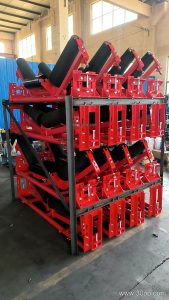
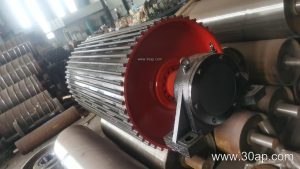
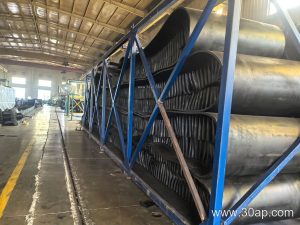
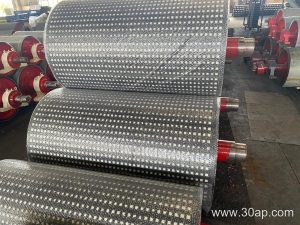
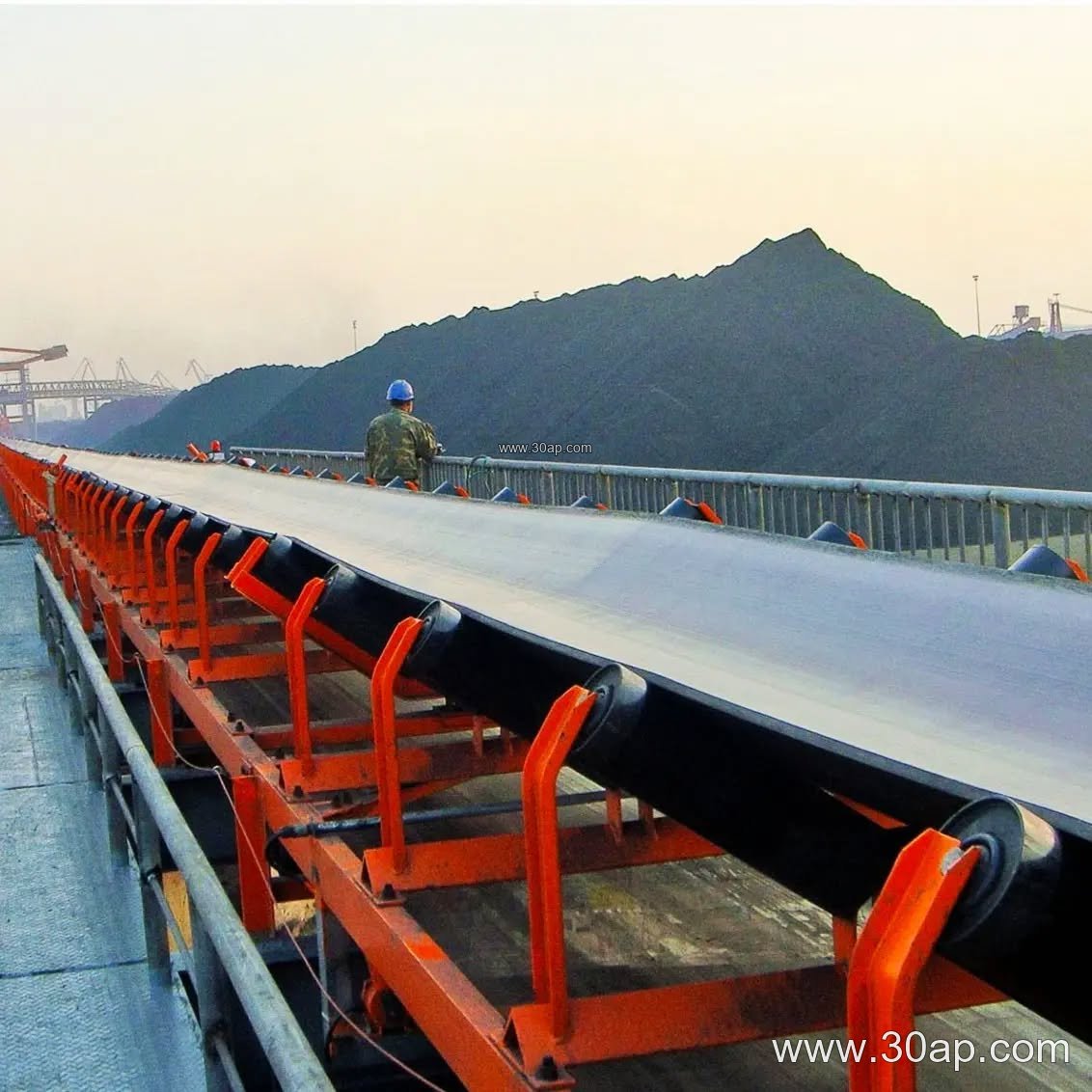
Fast belts appear in coal handling at power plants, in limestone and aggregate lines, and in port ship-loading systems. A typical three-roll troughing set on a B1200 or B1400 belt may use rollers around 465 mm or 530 mm long, but side rollers and center rollers can differ. Trough angles of 30° or 35° are common, and 45° is used where material containment is important. On the return side, a flat or V-return idler supports the belt after discharge. The conveyor pulley at the head and tail drives and tensions the belt, while the idlers carry it in between. At high speed, impact zones after a crusher often use impact idlers with rubber rings, but that is a separate duty from the standard high-speed carrying idler.
Choosing the Right Roller for a Fast Line
Buyers should match the idler to belt speed, belt width, and material load. A wider belt such as B1600 or B1800 needs a larger roller diameter and a stronger frame than a B650 line. The table below shows common reference values, not fixed rules.
| Belt width | Common three-roll troughing roller length | Typical roller diameter range | Typical trough angle |
|---|---|---|---|
| B650 | 250 mm | Ø89–Ø108 mm | 20°–35° |
| B800 | 315 mm | Ø89–Ø127 mm | 30°–35° |
| B1000 | 380 mm | Ø108–Ø133 mm | 30°–35° |
| B1200 | 465 mm | Ø108–Ø159 mm | 30°–45° |
| B1400 | 530 mm | Ø127–Ø159 mm | 35°–45° |
| B1600 | 600 mm | Ø133–Ø178 mm | 35°–45° |
| B1800 | 670 mm | Ø133–Ø194 mm | 35°–45° |
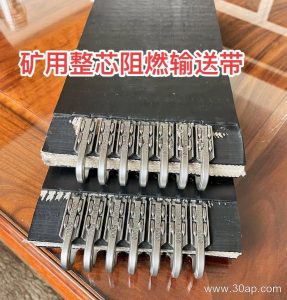
These lengths and diameters are common examples, and the final choice depends on the conveyor design, belt tension, and material weight. A high-speed line carrying abrasive ore may use a heavy-duty idler with thicker tube walls. In a cement plant or a coal mining conveyor, dust and fines make seal quality especially important. For the belt itself, an EP conveyor belt or a steel cord conveyor belt is often selected to match the load, while a flame retardant conveyor belt may be required underground.
Installation and Maintenance Notes
Proper alignment of the idler frame and brackets reduces belt wander. Idlers should be set square to the belt centerline, and troughing sets should be checked after the belt has run for a few hours. Lubrication-free sealed bearings are common, but they still need protection from water and fine dust. Listen for squealing or rumbling, and look for a roller that stops turning or runs hot. Replacing a worn idler early protects the conveyor belt and avoids a breakdown on a fast line. When ordering, state the belt width, the roller diameter, the shaft size, the bracket type, and the working environment; those details let the supplier match the idler to the duty.