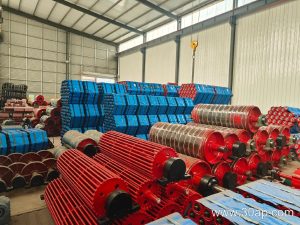
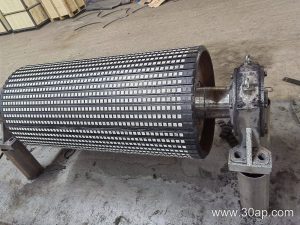
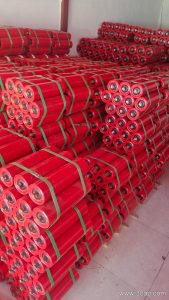
What the 1250mm Drive Pulley Does
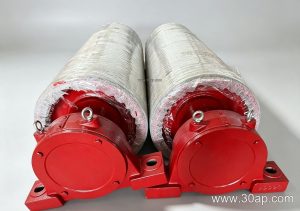
The 1250mm drive pulley is the power-transmitting drum at the head of a belt conveyor. Its 1250 mm cylindrical face width is often matched to a 1200 mm conveyor belt, giving the belt enough lateral room to track without rubbing the drum edges. As the motor and gearbox turn the shaft, the pulley surface grips the belt and pulls the loaded strand forward. In a quarry, cement plant, or coal handling line, this single component sets the pace for the entire transfer point.
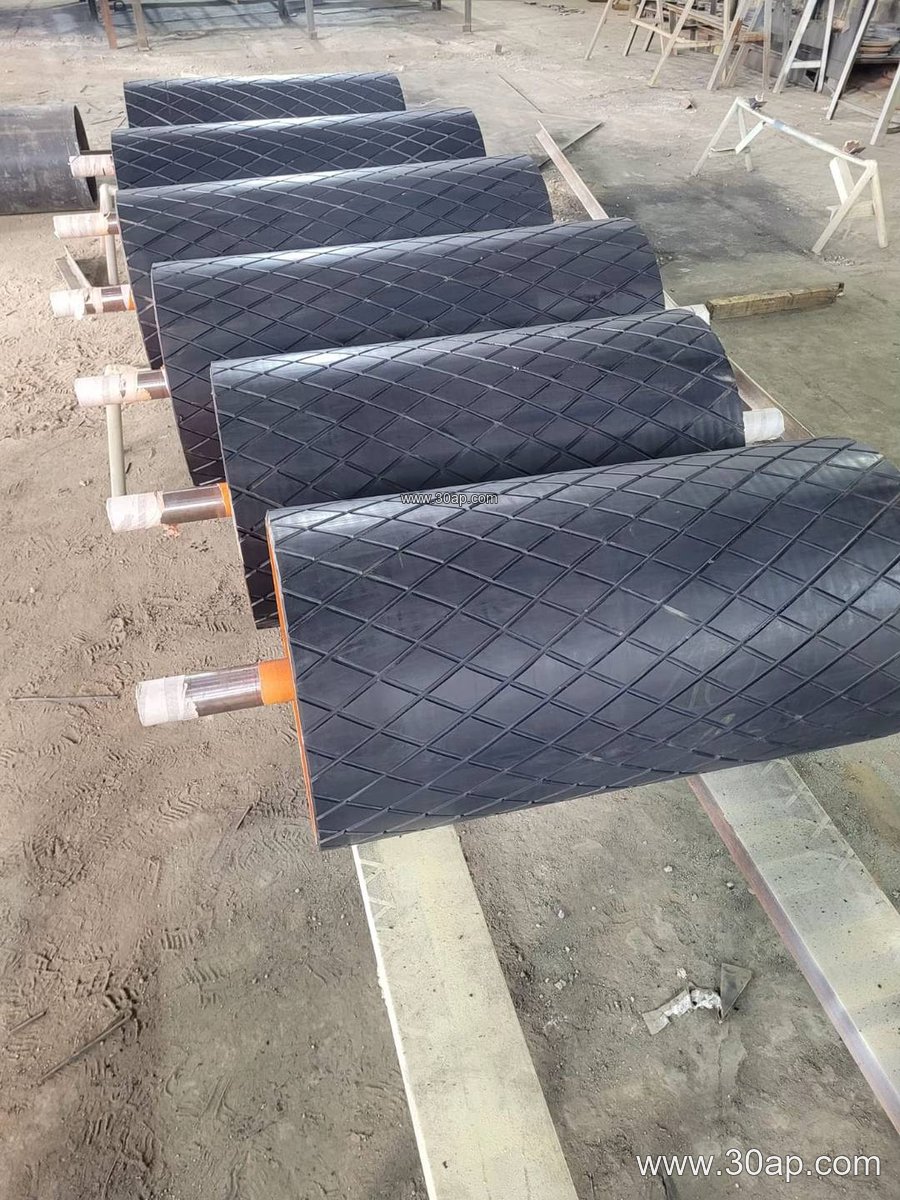
Construction and Surface Options
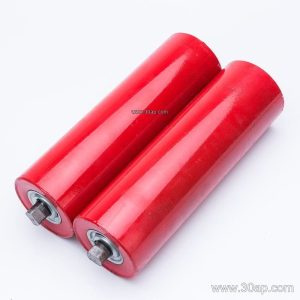
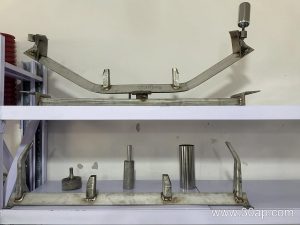
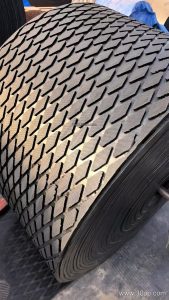
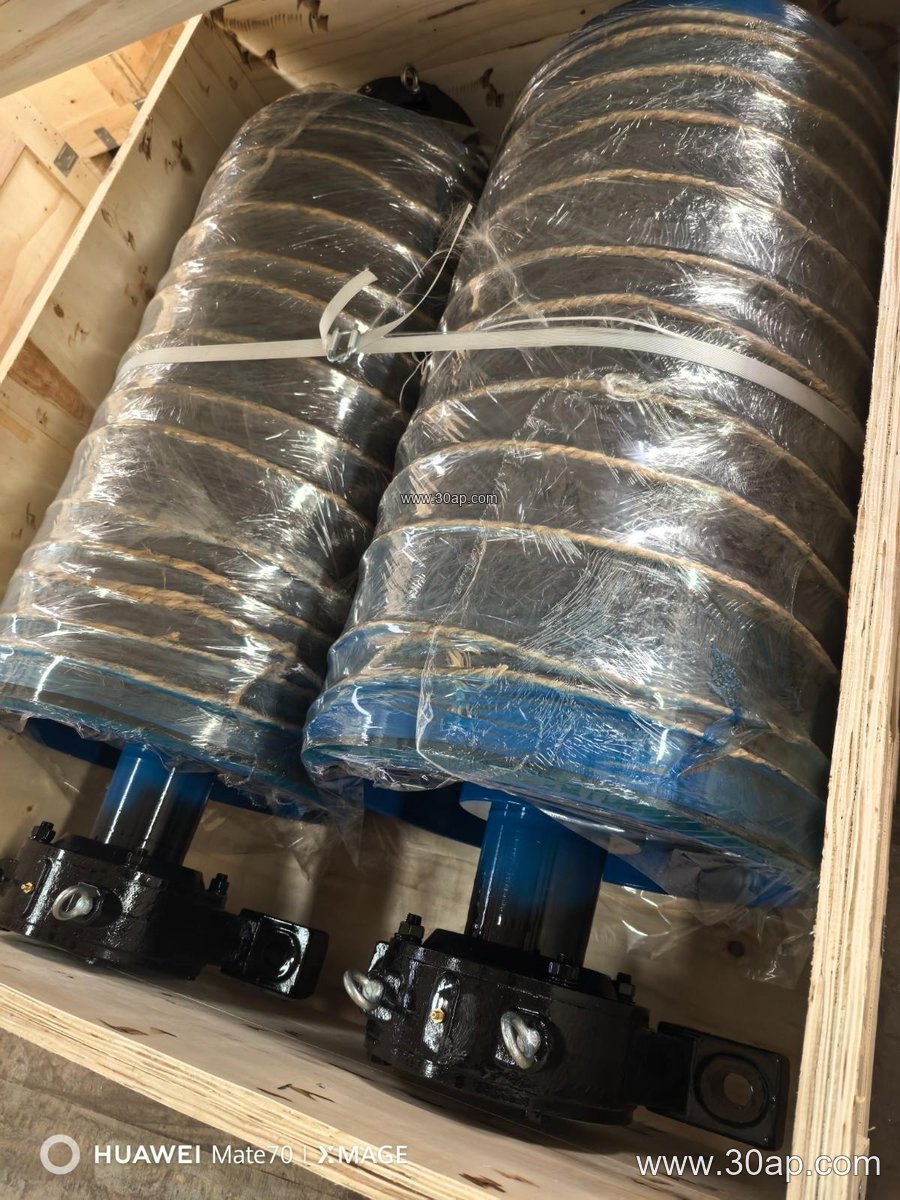
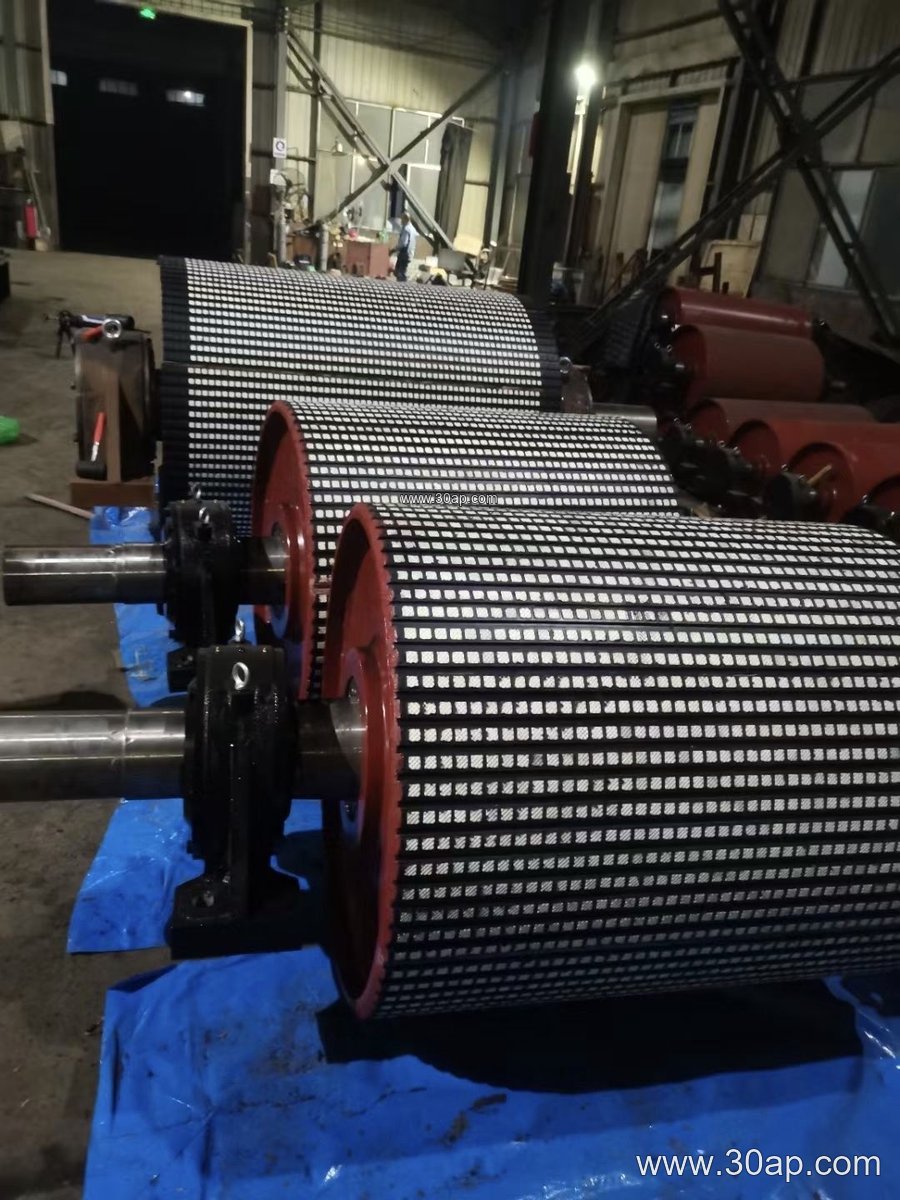
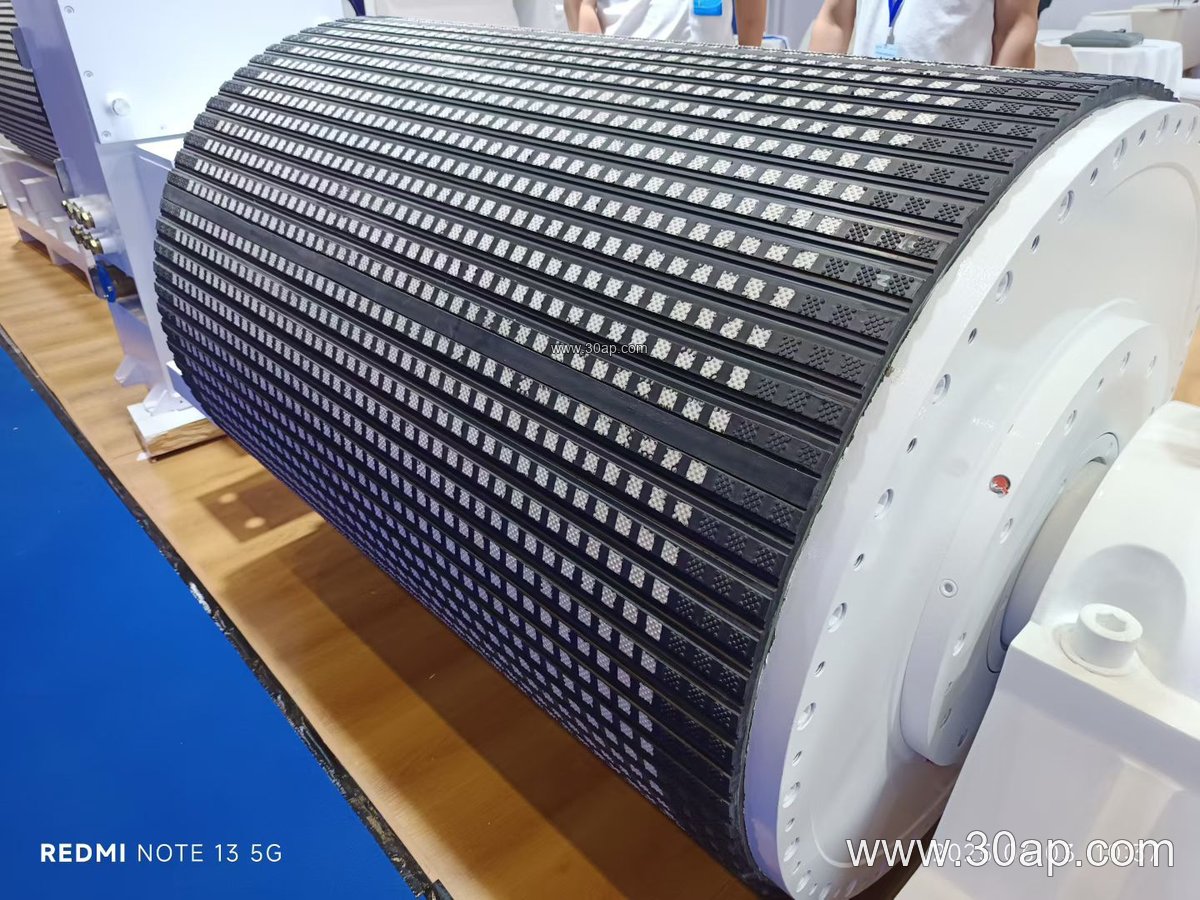
A typical 1250mm drive pulley is built from a rolled steel shell, welded end discs, and a shaft sized by torque rather than belt width alone. Common shaft diameters for this class of drum include Ø160, Ø180, and Ø200 mm, but final selection depends on the drive load and bearing arrangement. The surface may be plain steel, cast rubber, cold-bonded rubber, or hot-vulcanized rubber. Diamond grooving and ceramic lagging are also used where slip is a concern. Lagging thickness is often 8, 10, 12, 15, or 20 mm. The pulley works together with the conveyor belt, idler roller, and conveyor bracket to keep the belt centered and moving.
Where It Fits in the Conveyor Layout
This drum is normally installed at the head or discharge end, where it also throws off material. It should not be confused with a tail pulley, which turns freely at the loading end, or a bend pulley, which changes belt direction without driving. In a crushing and screening circuit, a 1250mm drive pulley may run behind a primary crusher discharge belt; in a power plant coal yard, it may sit at the transfer tower. The same drum size can appear in a bulk material conveyor belt system handling limestone, clinker, or ore, provided the belt width and tension are compatible.
Matching Belt Width and Pulley Dimensions
Face width is usually wider than the belt. For reference, a B1200 belt often pairs with a pulley face around 1400 mm, while a 1250 mm face may suit narrower belts or specific design choices. Diameter is a separate decision: Ø800, Ø1000, and Ø1250 mm are all possible for heavy-duty service, and no single belt width locks in one diameter. The table below shows common reference combinations, not fixed rules.
| Belt Width (B) | Typical Pulley Face Width | Example Diameter Range |
|---|---|---|
| B1000 | about 1150 mm | Ø500 to Ø1000 mm |
| B1200 | about 1400 mm | Ø630 to Ø1250 mm |
| B1400 | about 1600 mm | Ø800 to Ø1400 mm |
When specifying a 1250mm drive pulley, confirm the belt width, the required diameter for wrap angle and tension, the lagging type, and the shaft size. A rubber conveyor belt with high abrasion resistance may need more grip, while a flame retardant conveyor belt in an underground coal mine may call for specific lagging and grounding provisions. The pulley must also align with the conveyor bracket and take-up system.
Buyer Checklist
- Verify the actual belt width and the pulley face width, not just the nominal 1250 mm figure.
- Confirm the drive torque and shaft diameter with the conveyor designer.
- Choose lagging based on material and slip risk: plain, diamond, or ceramic.
- Check that the pulley is a drive pulley, not a tail or bend pulley, for the intended duty.
- Review compatibility with the conveyor belt, idler roller, and bracket dimensions.
Whether the plant handles quarry rock, cement clinker, or coal, the 1250mm drive pulley is a wear part that rewards correct sizing and regular inspection. Look for lagging wear, shell cracks, and bearing condition during scheduled shutdowns. For more on conveyor components, visit www.example.com/conveyor-pulley and www.example.com/drive-pulley.