What a Rotating Self-Aligning Idler Does
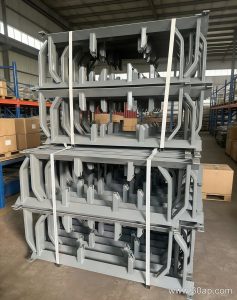
A rotating self-aligning idler is a training idler that steers a drifting conveyor belt back toward the center line. In practice, it is a self-aligning idler roller mounted in a pivoting frame or bracket, so the roller set can rotate slightly around a vertical axis. When the belt edges contact the steering rollers or when friction shifts the frame, the assembly angles itself and creates a small lateral force that corrects the misalignment. This is why the same component is often called a self-tracking idler or a training idler roller.
Tracking problems are common where belts carry uneven loads, where structures settle, or where material builds up on rollers. In a quarry, a cement plant, or a coal-fired power station, a wandering belt can rub the frame, spill material, and shorten belt life. A rotating self-aligning idler is one of the simplest mechanical answers to that problem.
Construction and Layout
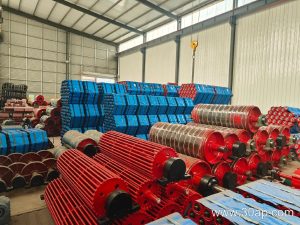
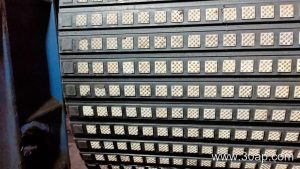
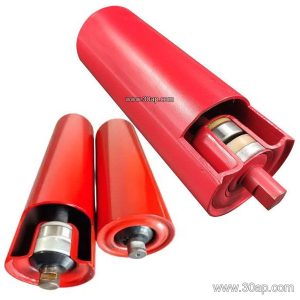
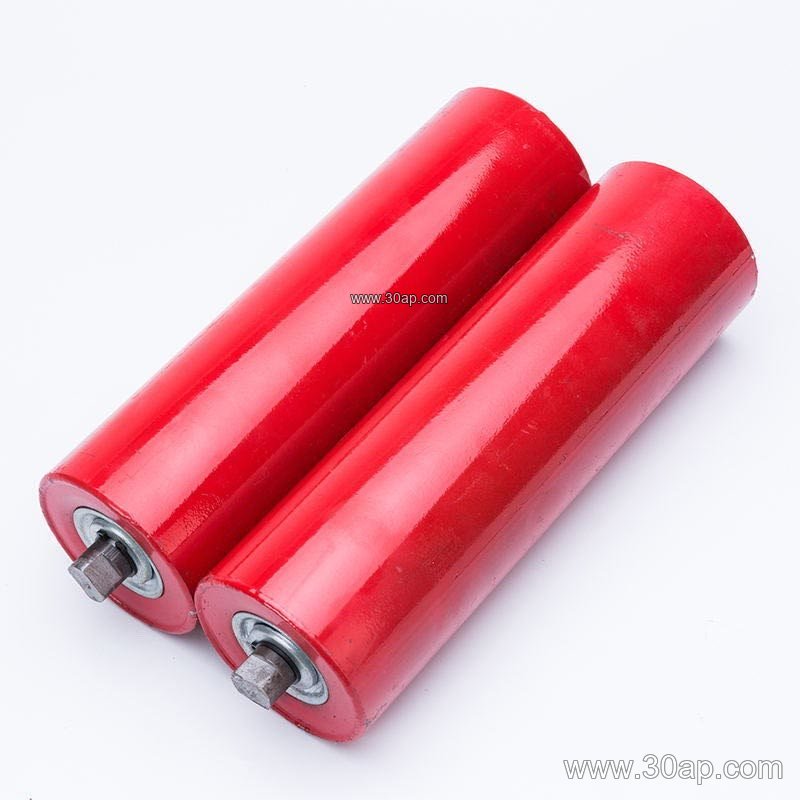
A typical unit combines a steel frame, two or more rollers, and a vertical pivot. The roller surface may be plain steel tube, nylon, rubber-covered, or ceramic-faced, depending on the duty. Bearings are usually sealed deep-groove ball bearings; common sizes include 6204, 6205, 6305, 6306, 6308, and 6310, matched to the shaft and load by the manufacturer rather than by belt width alone.
Two main designs appear in the field:
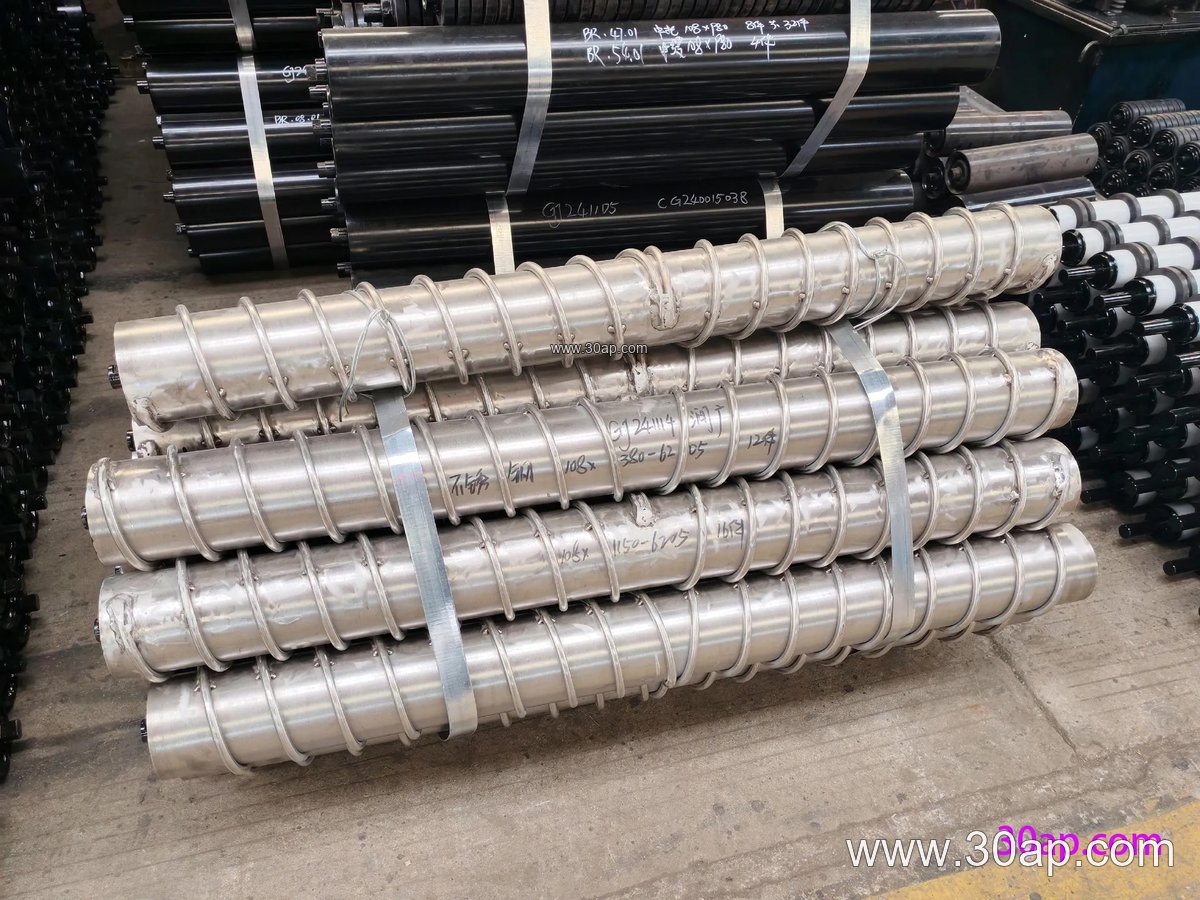
- Pivot-frame trainer — the whole idler set swings on a central pivot, often with a small forward tilt of about 1.5 to 2 degrees to encourage self-correction.
- Friction or conical trainer — small conical or rubber steering rollers at the belt edges sense drift and rotate the frame.
Return-side training is also possible, using a V-return or flat return frame with the same pivoting principle. For comparison, a fixed troughing idler only supports the belt and does not correct it; a buffer idler absorbs impact at the load point; neither performs the steering function of a self-aligning unit.
Common Sizes and Fit
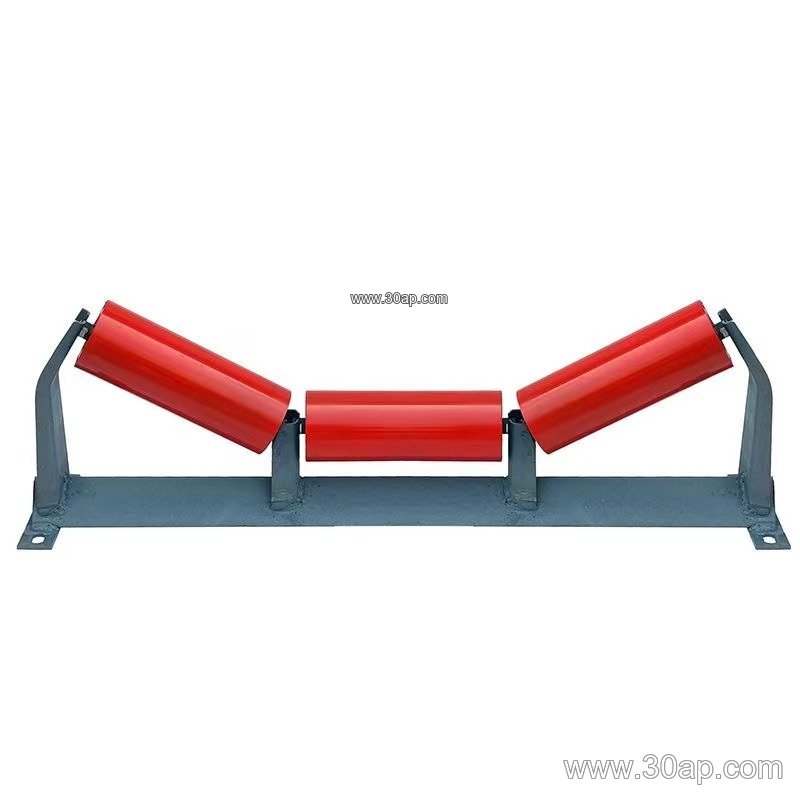
Dimensions follow the conveyor design. Roller diameters commonly include Ø63, Ø76, Ø89, Ø102, Ø108, Ø127, Ø133, Ø159, Ø178, Ø194, and Ø219 mm. Belt widths range from B400 up to B2400, and trough angles are usually 20, 30, 35, or 45 degrees. The table below shows typical reference values only; final sizes depend on the belt, load, and frame design.
| Belt width | Typical three-roll length (middle roll, reference) | Common trough angle |
|---|---|---|
| B500 | about 200 mm | 20–35 degrees |
| B650 | about 250 mm | 20–35 degrees |
| B800 | about 315 mm | 30–35 degrees |
| B1000 | about 380 mm | 30–35 degrees |
| B1200 | about 465 mm | 30–45 degrees |
| B1400 | about 530 mm | 30–45 degrees |
| B1600 | about 600 mm | 35–45 degrees |
These figures are examples, not fixed pairings. Side rollers and middle rollers can differ, and a wide belt does not dictate one shaft diameter. Buyers should confirm roller length, shaft end type, bracket hole spacing, and bearing size against the existing conveyor bracket before ordering.
Where It Is Used
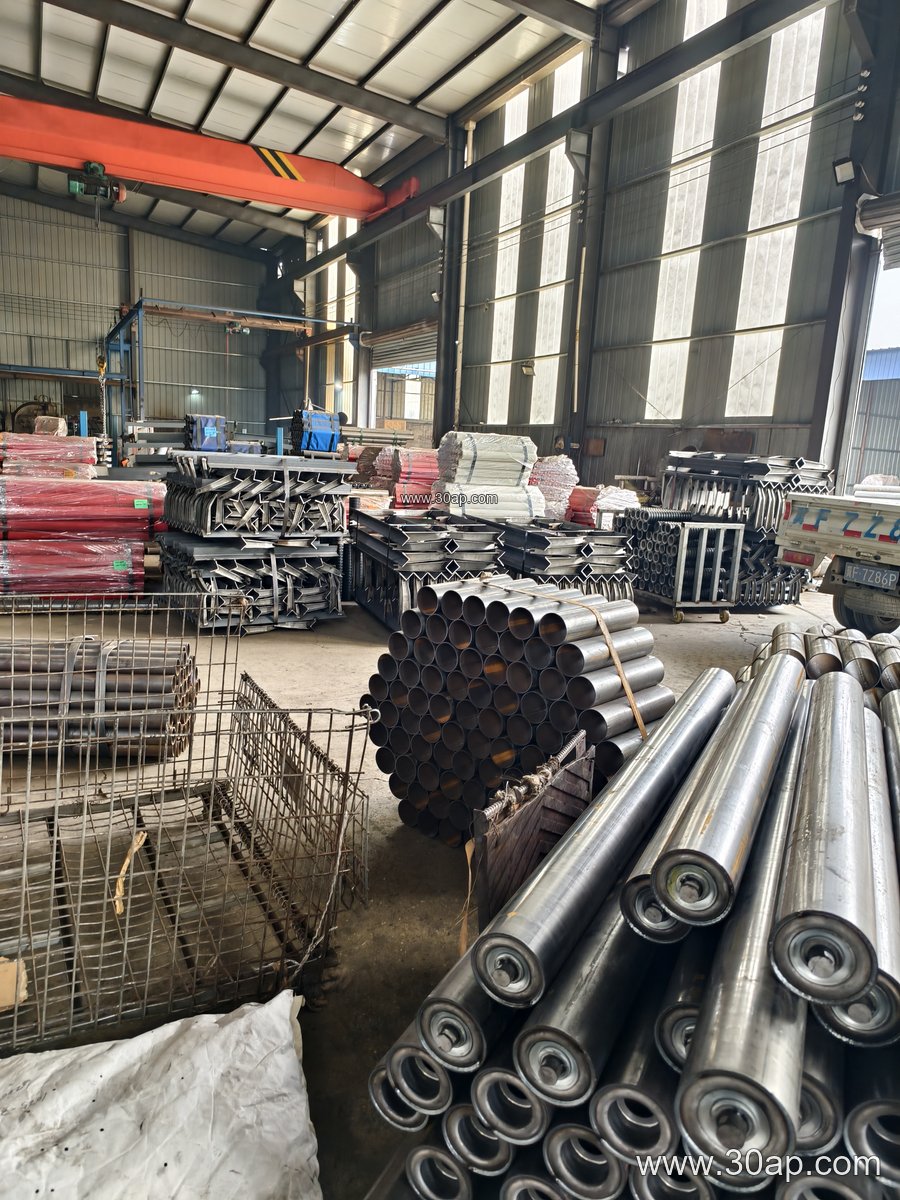
Self-aligning idlers suit long overland lines, plant conveyors with variable loading, and transfer points where the belt is likely to shift. In a limestone quarry or an iron ore concentrator, they are often placed after the load point and before the head pulley. In a coal handling system, they help keep a flame retardant conveyor belt centered on the structure. In cement plants and aggregate lines, they work alongside troughing and impact idlers to protect an abrasion resistant conveyor belt from edge damage.
They are less useful on very short conveyors or where the belt is already guided by other means. On steep or heavily loaded lines with a steel cord conveyor belt, the trainer must be sized for the higher tension and stiffness of the belt.
Selection and Maintenance Notes
Choose the trainer by belt width, belt speed, load, and the space available in the frame. Check that the pivot moves freely and that the steering rollers sit correctly relative to the belt edges. Installation should be square to the conveyor center line; a trainer that is itself misaligned will not correct anything.
In service, inspect for seized bearings, worn roller surfaces, and material buildup that restricts pivoting. Sealed bearings and smooth roller faces reduce sticking, especially in dusty conditions. On a fabric core conveyor belt or a multi-ply fabric core conveyor belt, edge wear from a badly set trainer can lead to premature failure, so periodic alignment checks are worthwhile. Matching the idler to the belt, the frame, and the duty remains the practical rule.