Understanding the High-Capacity Trough Idler
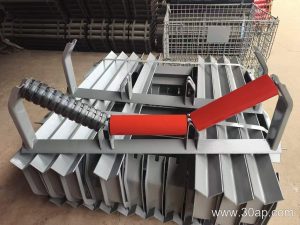
A high-capacity trough idler is a heavy-duty carrying roller assembly designed to support and shape the conveyor belt on the load-carrying side of a bulk material handling system. Its primary function is to maintain the belt in a trough profile, which increases the material cross-section and reduces spillage, while absorbing the impact and weight of large tonnages. Unlike standard trough idlers, high-capacity versions are built with thicker shells, larger bearings, and reinforced frames to withstand continuous high-load operation in demanding environments such as iron ore mines, coal preparation plants, and power station coal yards.
Construction and Key Components
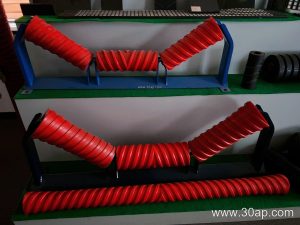
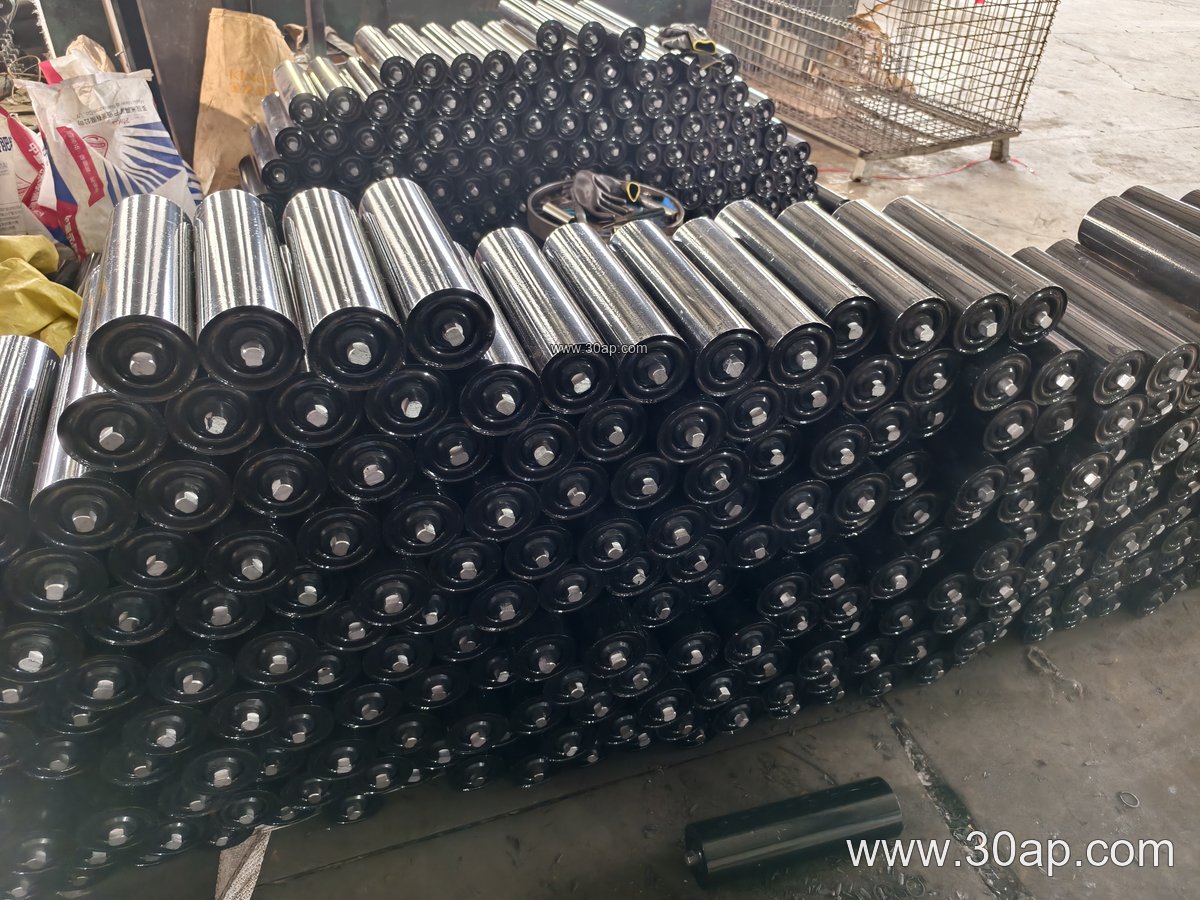
The high-capacity trough idler typically consists of three rolls arranged in a trough angle, usually 20, 30, 35, or 45 degrees. Each roll is constructed from a seamless steel tube with precision-machined bearing housings. The shaft is often made from high-strength steel, and the bearings are selected from heavy-duty series such as 6305, 6306, 6308, or 6310 to handle radial and axial loads. Sealing is critical: multi-labyrinth seals or contact seals protect against dust and water ingress, extending service life in gritty conditions. The roll surface may be plain steel, nylon-coated, or fitted with rubber discs for impact absorption. The frame, or conveyor bracket, is fabricated from robust steel and bolted or welded to the conveyor stringers.
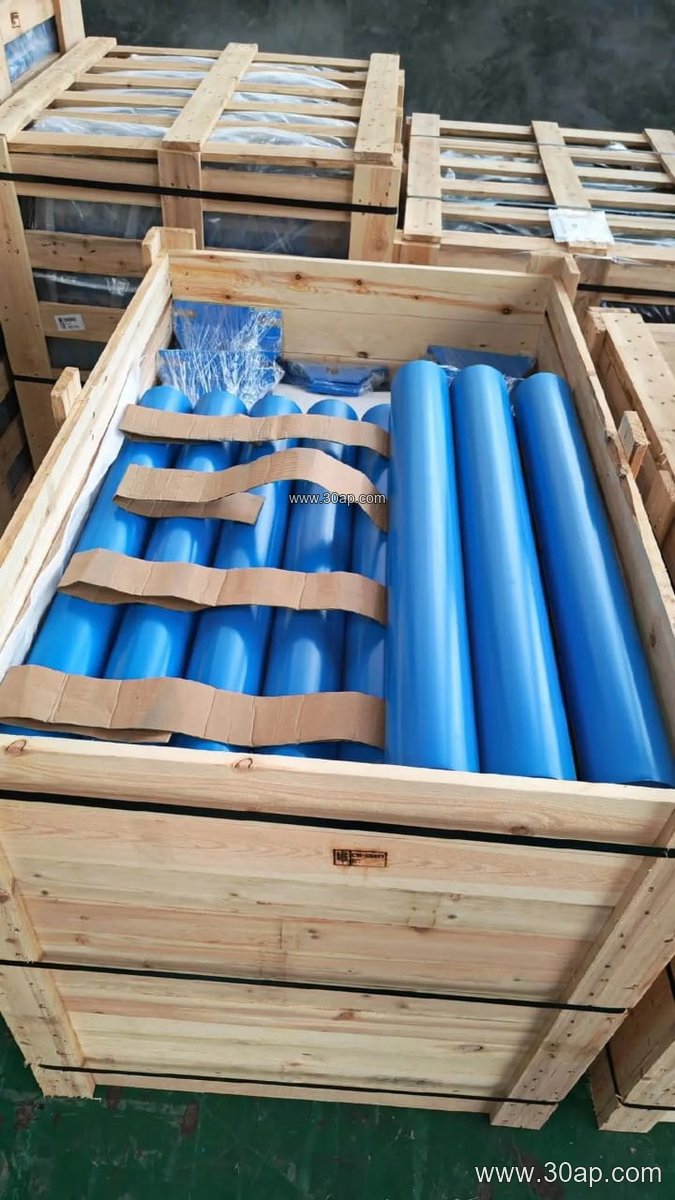
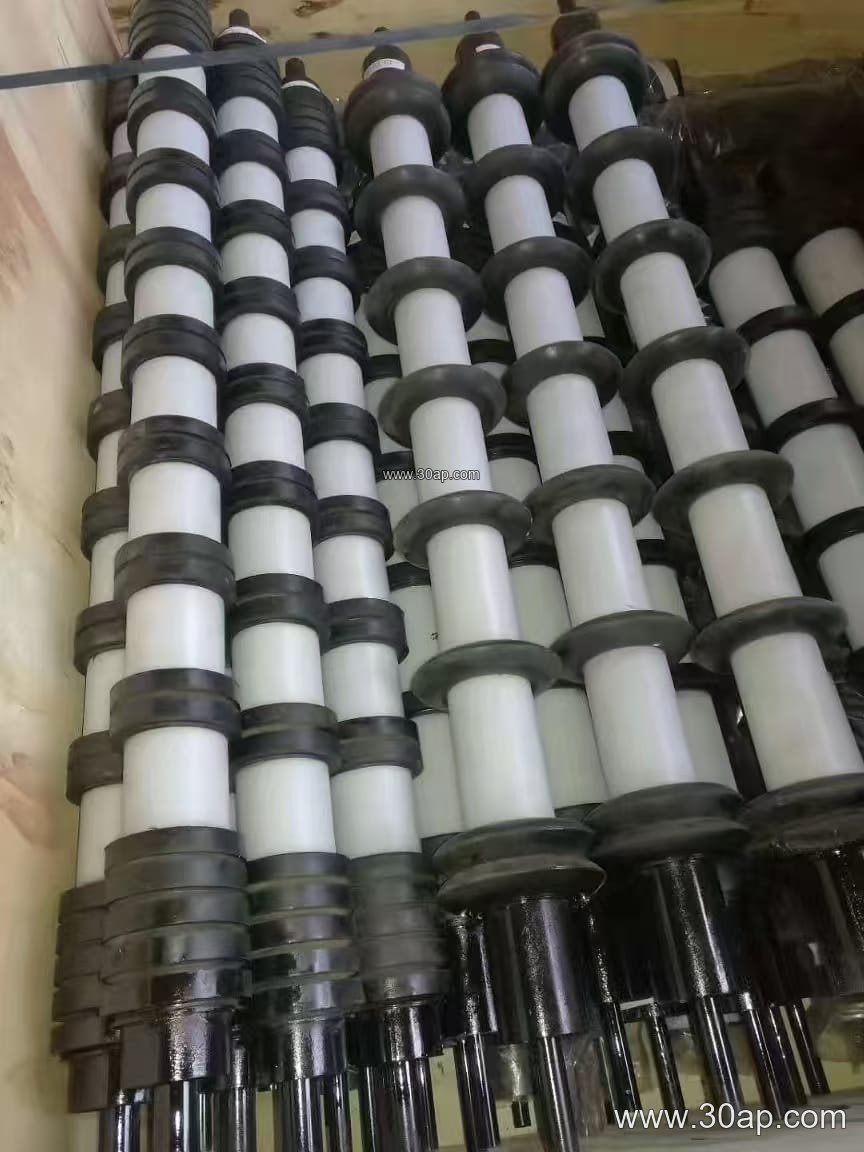
Where High-Capacity Trough Idlers Are Used
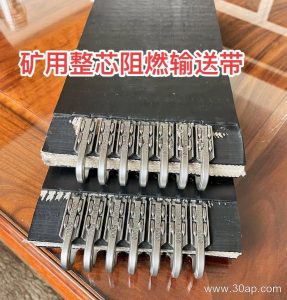
These idlers are essential in primary crushing circuits, where large lumps of rock or ore drop onto the belt. In a copper mine, for example, a high-capacity trough idler set just after the crusher discharge point helps manage impact and keeps the conveyor belt centered. Similarly, in a cement plant, they support clinker and limestone on long overland conveyors. The high-capacity design is also common in coal mining conveyor systems, where flame retardant conveyor belts and fire resistant conveyor belts are mandatory, and the idlers must endure continuous operation with minimal maintenance. Port facilities handling iron ore or coal rely on them for ship loading conveyors, where belt widths can reach 1800 mm or 2000 mm and trough angles of 35 or 45 degrees are typical to maximize capacity.
Specifications and Selection Guidelines
Selecting a high-capacity trough idler involves matching the roll diameter, bearing size, and trough angle to the belt width and material characteristics. Common roll diameters for high-capacity applications include 127 mm, 133 mm, 159 mm, and 178 mm, though smaller or larger sizes may be used depending on load. The table below shows typical examples of roll length for three-roll trough sets at a 35-degree trough angle; these are reference values and actual dimensions should be confirmed with the conveyor designer.
| Belt Width | Typical Roll Length (three-roll trough, 35°) | Common Roll Diameter Range |
|---|---|---|
| B800 | 315 mm | 89–127 mm |
| B1000 | 380 mm | 108–133 mm |
| B1200 | 465 mm | 127–159 mm |
| B1400 | 530 mm | 133–159 mm |
| B1600 | 600 mm | 159–178 mm |
| B1800 | 670 mm | 159–194 mm |
Bearing selection is not solely determined by roll diameter; factors such as belt speed, load, and environmental conditions influence the choice. For instance, a 159 mm roll might use a 6308 bearing in one application and a 6310 in another. Buyers should also consider the conveyor belt type: a steel cord conveyor belt (e.g., ST1600 or ST2000) may require closer idler spacing and higher load capacity than an EP conveyor belt (e.g., EP1000) of the same width. The trough angle affects material stability; 45-degree troughs are common for high-capacity lines handling free-flowing materials, while 20-degree troughs suit wider belts or materials prone to compaction.
Maintenance and Buyer Checklist
High-capacity trough idlers are designed for long service intervals, but regular inspection of seals and bearing play is advisable, especially in dusty or wet conditions. When specifying, buyers should provide the belt width, belt type (such as abrasion resistant conveyor belt or heat resistant conveyor belt), trough angle, roll diameter, bearing series, and any special surface requirements like rubber discs for impact zones. It is also important to confirm the mounting dimensions and bracket compatibility with the existing conveyor structure. Avoid assuming that a given belt width automatically dictates a specific shaft diameter; the shaft size depends on the load calculation and idler design. For high-tonnage operations, consider using high-capacity idlers with reinforced frames and larger bearings to reduce downtime and maintenance costs.