What a 500mm Conveyor Belt Is
A 500mm conveyor belt, often written as B500, is a belt with a nominal width of 500 millimeters. It is the narrow end of the common range that also includes B650, B800, B1000, B1200, B1400, B1600, B1800 and B2000. In practice, a 500mm conveyor belt is chosen for compact transport lines where the material stream is modest and the conveyor frame is light. It appears in sand and gravel plants, small cement packing lines, coal preparation areas, power plant ash handling, and workshops that move parts or bulk additives. Because the belt is narrow, the whole conveyor can be kept slim, which helps in tight galleries and mobile crushing or screening units.
Construction and Common Specifications
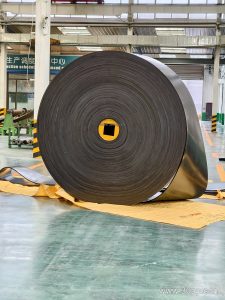
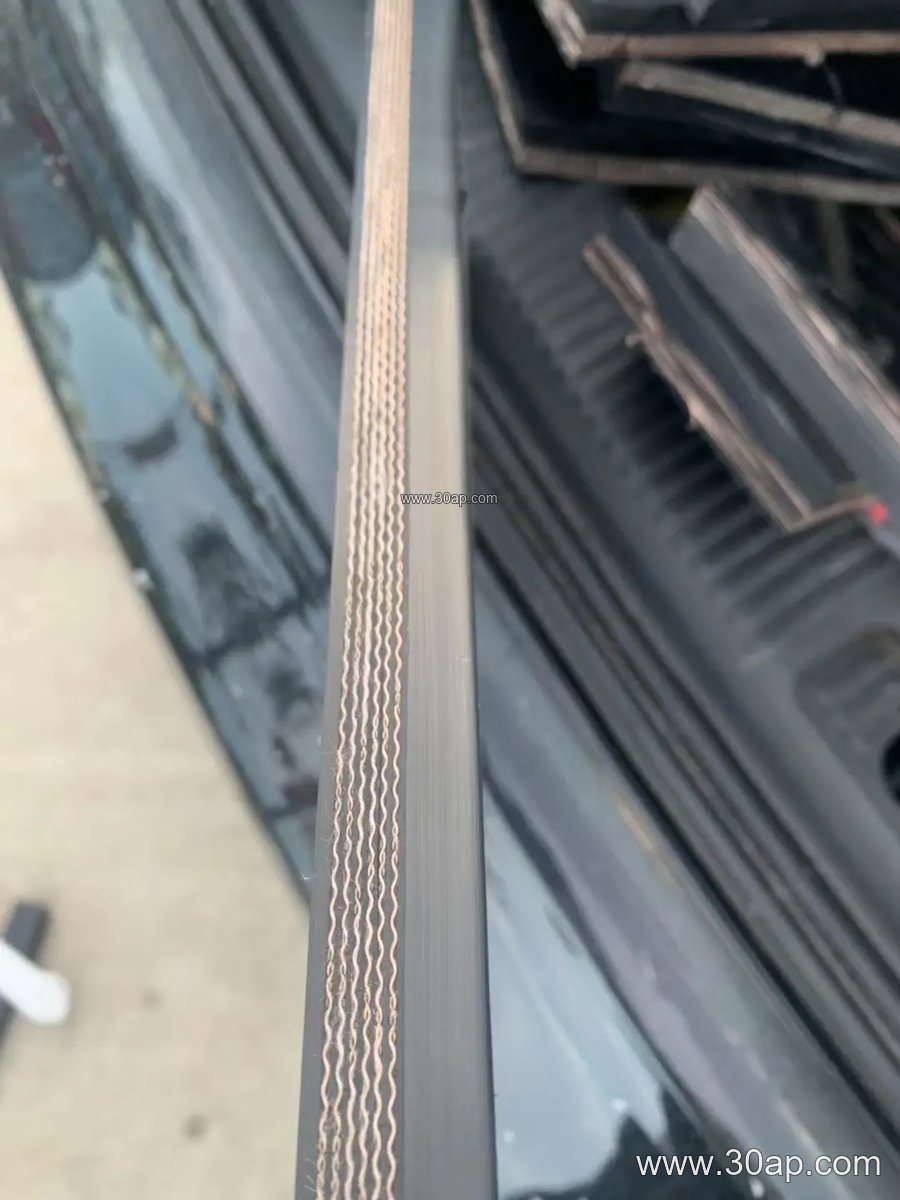
A 500mm conveyor belt is built around a carcass and covered with rubber or PVC on both sides. The carcass can be EP fabric, NN nylon, steel cord, or a solid PVC/PVG body for lighter duties. For a 500mm conveyor belt, common EP grades include EP200, EP315, EP400 and EP500; heavier grades such as EP630 or EP800 are less typical at this width but may be specified for short, high-tension runs. The cover rubber is usually quoted as top plus bottom thickness, for example 3+1.5 mm, 4+2 mm or 5+2 mm. Carcass layers are commonly 2 to 6 plies, depending on the duty. A buyer comparing a 500mm conveyor belt with a wider B650 or B800 belt should note that the narrower belt carries less load per meter, so the belt rating and cover thickness must match the actual tonnage.
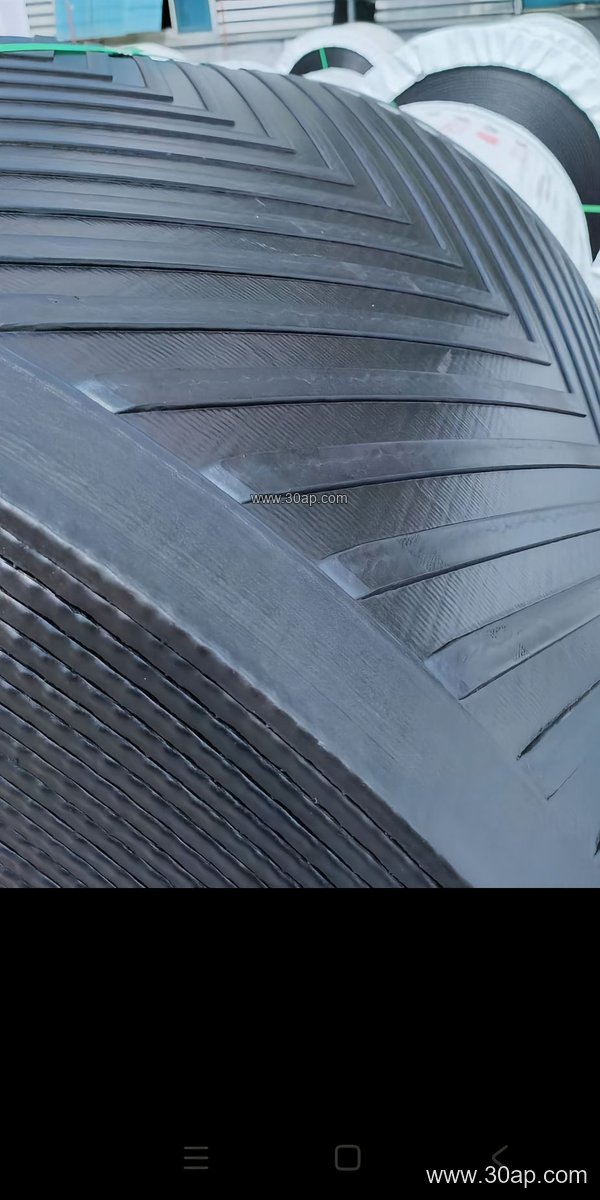
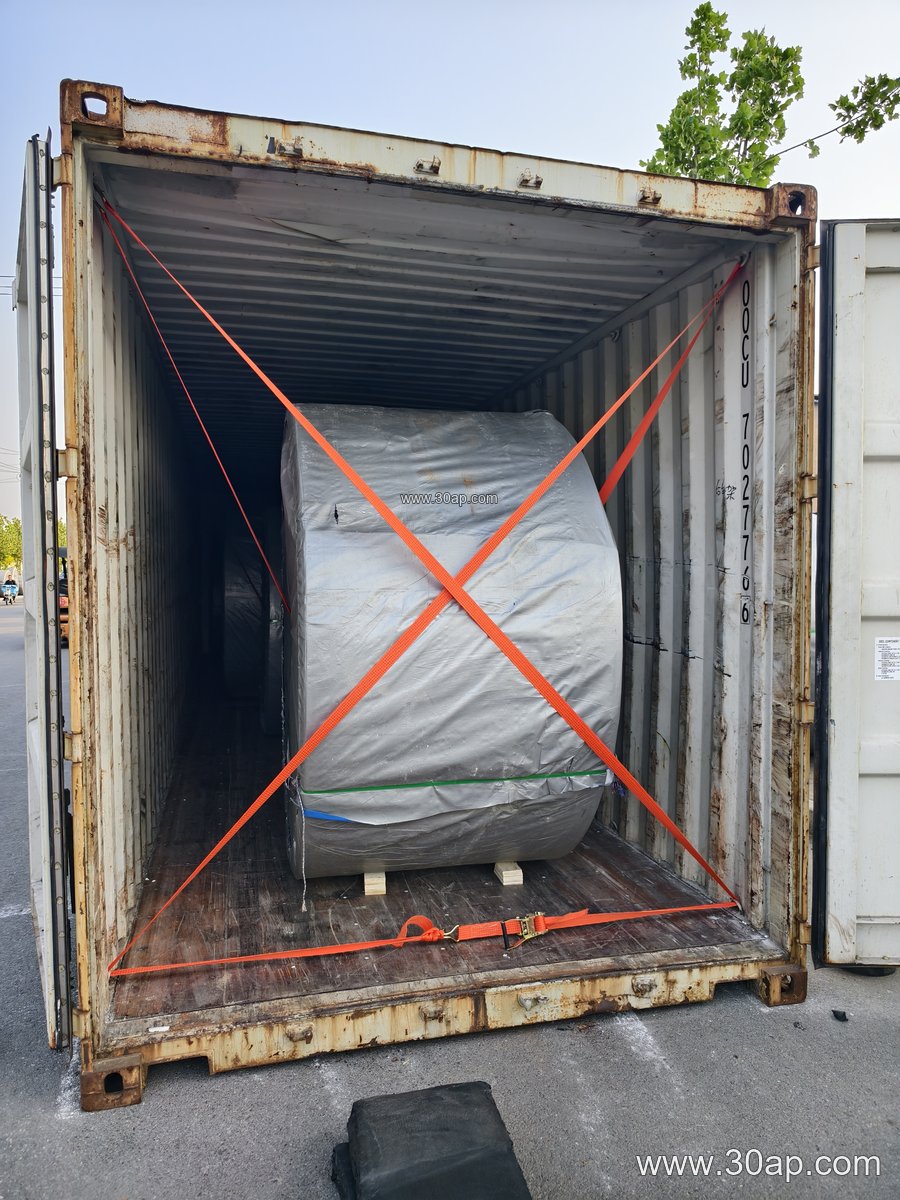
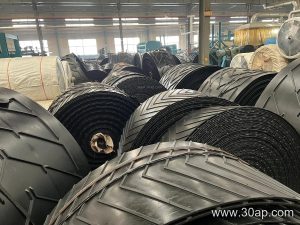
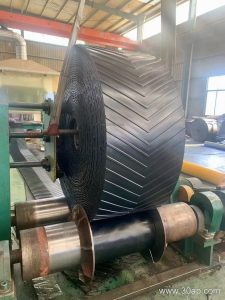
Special constructions are available for difficult conditions: abrasion-resistant covers for sand and gravel, heat-resistant covers for cement or clinker areas, oil-resistant covers for workshops, flame-retardant and antistatic grades for coal mines and power plants, and cold-resistant or acid-alkali-resistant covers for outdoor or chemical service. Patterned surfaces such as herringbone or chevron belts can be supplied at 500mm width to prevent material rollback on inclines. Corrugated sidewall belts are another option when the conveyor has to lift material at a steep angle. These are variations of the same 500mm conveyor belt, not different products.
Where It Fits on the Conveyor
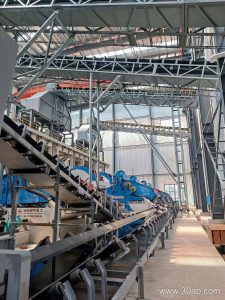
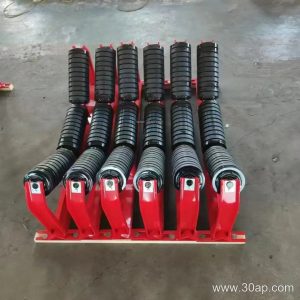
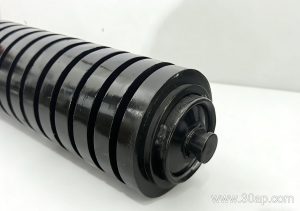
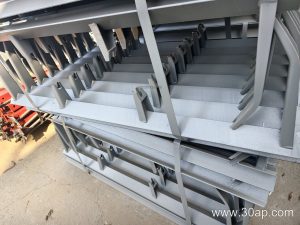
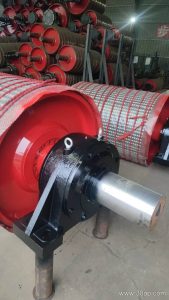
The belt runs over a head or drive pulley, a tail pulley, and bend pulleys that route the return strand. These pulleys are not interchangeable: the drive pulley transmits torque, the tail pulley sets the belt path, and bend pulleys change direction without driving. A 500mm conveyor belt is usually supported on the carrying side by idler rollers, often in a three-roll trough or a flat return arrangement. The conveyor bracket and frame hold the idlers and pulleys in alignment. In a coal mine or a cement plant, a 500mm belt may feed a transfer point or work as a sampling belt, while wider belts handle the main stream.
Selection Notes for Buyers
Before ordering a 500mm conveyor belt, confirm the material type, lump size, bulk density, moisture, and whether the surface is wet or oily. Check the required tensile strength and the pulley diameters, because a thin carcass on a small pulley can flex too sharply. Ask for the cover grade and thickness instead of assuming a standard. For a 500mm conveyor belt, the belt width does not by itself fix the shaft diameter or pulley size; those come from the conveyor design. Also confirm the belt edge condition, splice type, and whether the belt will be vulcanized or mechanically joined. In sand and gravel or power plant service, a modest cover such as 4+2 mm may be enough, but abrasive stone or hot clinker may call for a thicker or heat-rated cover. Finally, check that the idler roller spacing and conveyor bracket dimensions suit the 500mm width so the belt trains well and does not wander.
Maintenance and Handling
Keep the belt clean and the pulleys free of build-up. Inspect the 500mm conveyor belt for edge cuts, cover wear, and splice separation, especially at the tail pulley where material often spills. Align idler rollers and check that bend pulleys turn freely. Store spare belts in a dry, shaded place and avoid sharp folds. A 500mm conveyor belt is a modest component, but matching it to the duty and the conveyor hardware keeps the whole line running.