What a Conveyor Bracket Really Does
In a troughed belt conveyor, the idler frame is the part that holds the rollers at the right angle and spacing so the belt keeps its shape under load. Buyers often search for conveyor bracket procurement when they are replacing worn frames, building a new line, or standardizing spares across several conveyors. The same item is also called an idler bracket, idler frame, or roller support bracket, and these names describe the same structural component that carries the idlers beneath the belt.
It is not a pulley. A drive pulley, tail pulley, and bend pulley each do a different job at the ends or along the return path, and none of them can substitute for an idler bracket. Keeping that distinction clear helps avoid ordering the wrong part when a maintenance team sends a short description.
How the Frame Is Built
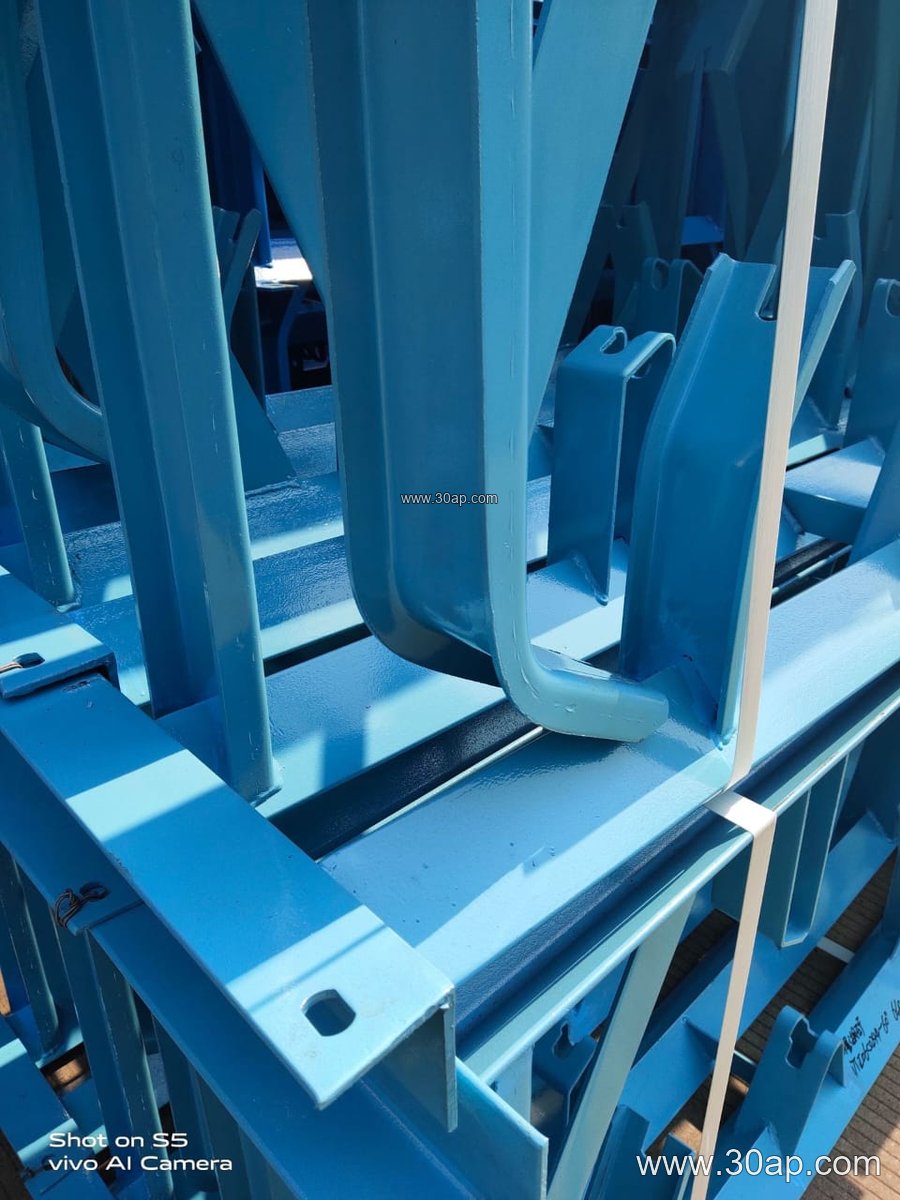
Most frames are fabricated from angle steel, channel steel, or folded steel plate, then drilled or punched for the idler shaft. A troughing bracket usually has two or three roller positions, and the angle between them sets the trough angle. Common angles are 20, 30, 35, and 45 degrees, while adjustable frames let the same bracket cover a range of these angles during installation.
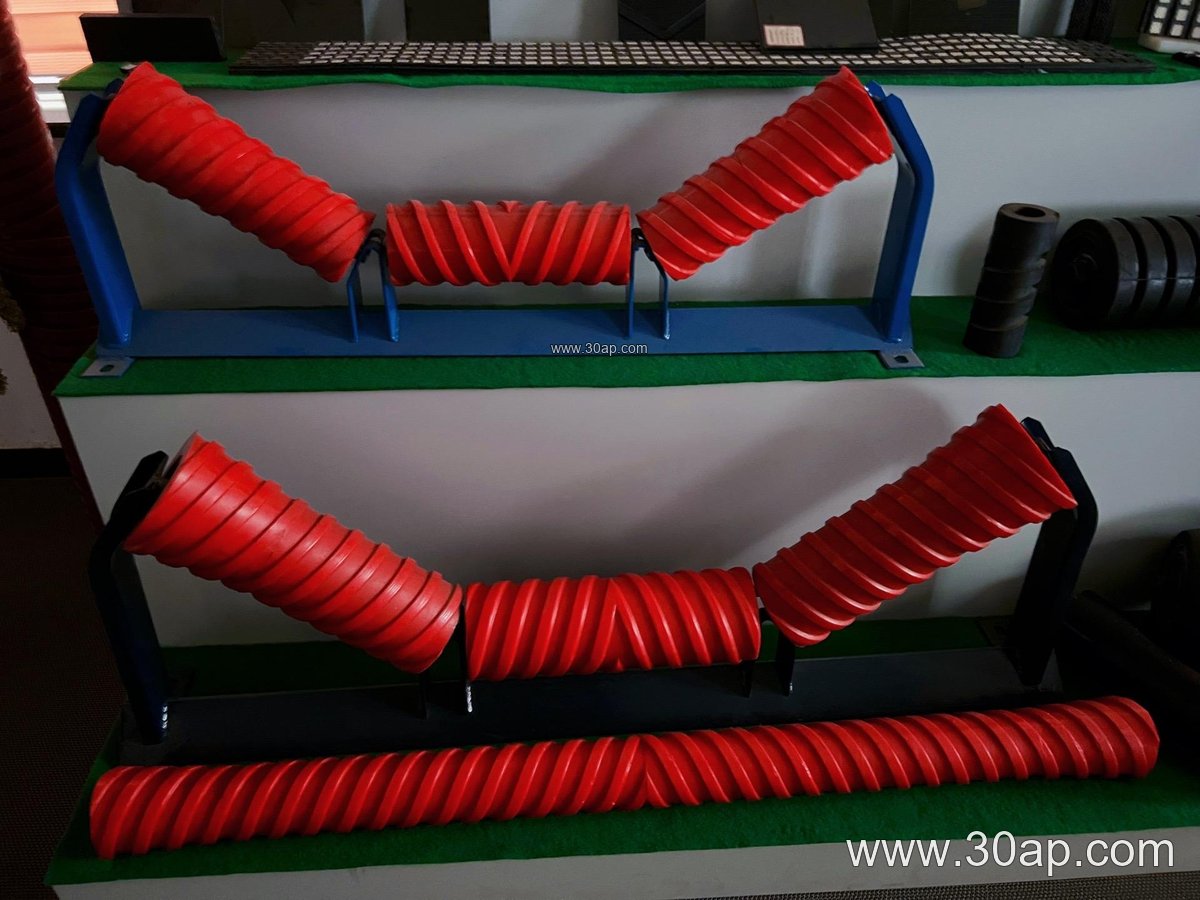
Forward-leaning brackets, often around 1.5 to 2 degrees, are used where belt training matters. Return brackets and V-return brackets support the belt on its way back, and impact brackets sit under loading points where a rubber conveyor belt takes the drop of lump material. The frame material and thickness should suit the duty; a heavy-duty mining conveyor belt line usually needs a stiffer frame than a short transfer in a sand plant.
Where These Frames Are Used
You will find idler brackets in almost any bulk handling circuit. In a limestone quarry or a crushing and screening line, troughing frames carry the belt through the loading zone and along the incline. In a coal preparation plant or a power plant coal yard, flame retardant conveyor belt and anti-static belt constructions are common, and the frames must be spaced to keep the belt stable. Cement plants, iron ore terminals, and port ship loading systems use the same principle at larger scale.
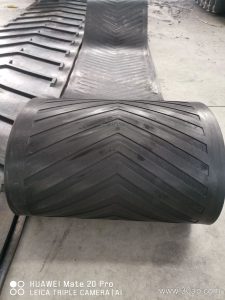
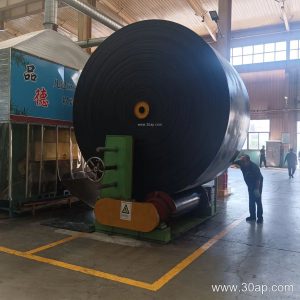
Because the bracket works together with the conveyor belt, the idler roller, and the conveyor pulley, procurement should consider the whole assembly rather than the frame alone. A frame that fits the roller shaft but not the belt width will still cause tracking problems.
Matching Width, Angle, and Roller Diameter
Belt width and trough angle are the first two numbers to confirm. Frames are commonly made for B500, B650, B800, B1000, B1200, B1400, B1600, B1800, B2000, B2200 and similar widths, but the hole spacing and crossbeam length change with both width and angle, so they should be confirmed per design rather than assumed.
Roller diameter is a separate decision. Typical idler diameters include Ø89, Ø108, Ø133, Ø159, and Ø194. A B800 frame at 35 degrees with Ø108 rollers is a common combination, and a B1200 frame at 45 degrees with Ø133 rollers also appears in heavy-duty work, but no single width is locked to one angle or one roller size.
| Parameter | Typical Options | Notes |
|---|---|---|
| Belt width | B500 to B2200 | Confirm frame length and hole pitch |
| Trough angle | 20, 30, 35, 45 degrees | Adjustable frames cover a range |
| Roller diameter | Ø89, Ø108, Ø133, Ø159, Ø194 | Match to load and belt speed |
| Frame material | Angle steel, channel steel, folded plate | Thickness by duty |
| Frame type | Troughing, transition, return, V-return, impact, self-aligning, suspended, adjustable | Position determines type |
Procurement Points to Confirm
- State the frame type and mounting position, not just the belt width.
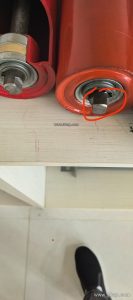
- Give the roller diameter and shaft end detail so the frame fits the idler roller.
- Confirm trough angle, or specify an adjustable bracket if the angle may change.
- Ask for the hole spacing and crossbeam length as designed, since these vary.
- Check surface treatment and material thickness for the site conditions.
- Keep spares consistent across conveyors to simplify future conveyor bracket procurement.
For a new project, a short data sheet with belt width, angle, roller diameter, frame type, and quantity is usually enough for a supplier to quote accurately. For replacement work, a photo and a measured hole pitch reduce the risk of a mismatch. Whether the site handles EP conveyor belt, steel cord conveyor belt, or a heat resistant conveyor belt, the bracket selection follows the same logic: support the belt, hold the rollers, and stay rigid under load.