What a Stone Crushing Conveyor Belt Does
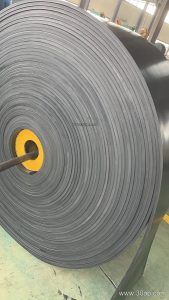
A stone crushing conveyor belt is the heavy-duty link between a primary crusher, screens, stockpiles and the next stage of processing. In a quarry or sand and gravel plant, the belt carries blasted rock, crushed aggregate and sometimes damp, dusty fines at high tonnage, often over long inclines. Because the load is sharp, abrasive and variable in size, the belt body and cover compound matter as much as the conveyor frame. Many plants run a rubber conveyor belt with a fabric core for this duty, while longer or higher-lift lines may use a steel cord conveyor belt.
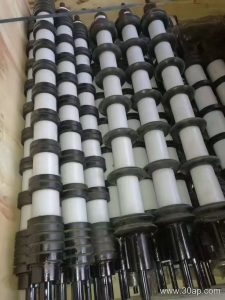
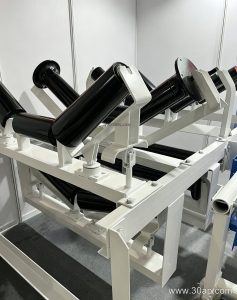
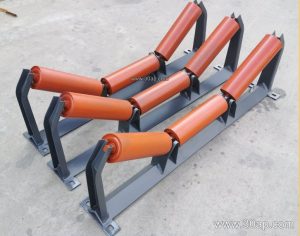
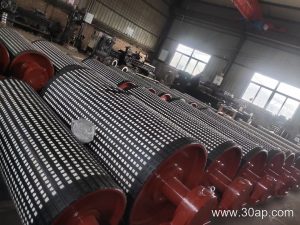
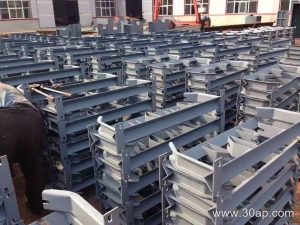
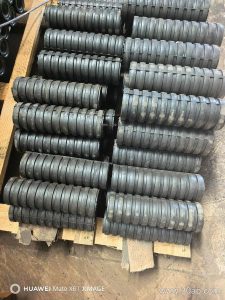
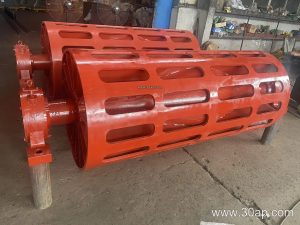
The belt is only one part of the line. A complete circuit also includes the drive pulley, tail pulley, bend pulleys, idler rollers and conveyor brackets, all of which must match the belt width and tension. The belt itself is normally specified by width, carcass type, tensile strength and cover thickness.
Construction of a Crusher Duty Belt
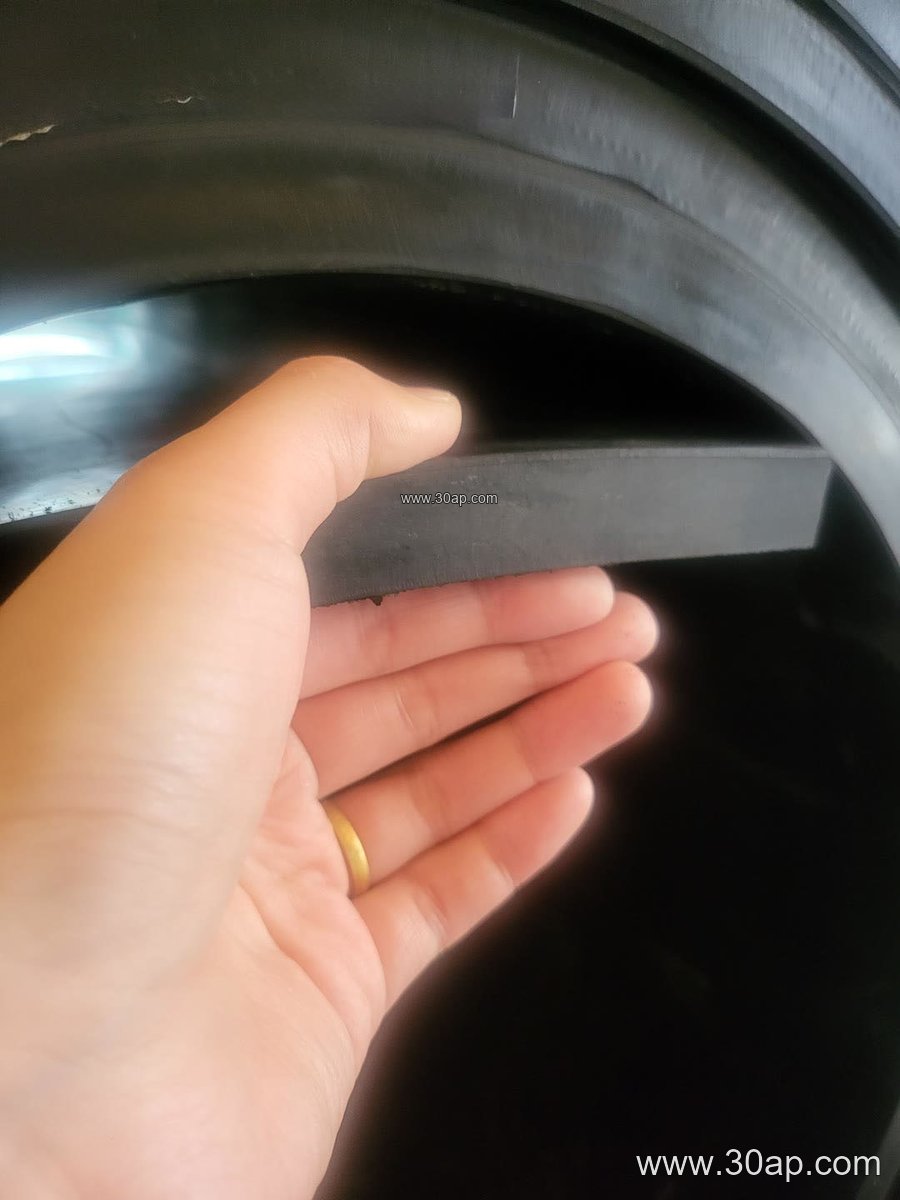
Most stone crushing belts are multi-ply fabric core or steel cord constructions. The carcass provides tensile strength and troughability; the covers protect it from impact and abrasion. A typical arrangement uses top and bottom covers such as 6+2 mm or 8+3 mm on a 3 to 6 ply carcass, though heavier or lighter builds are common depending on the drop height and lump size.
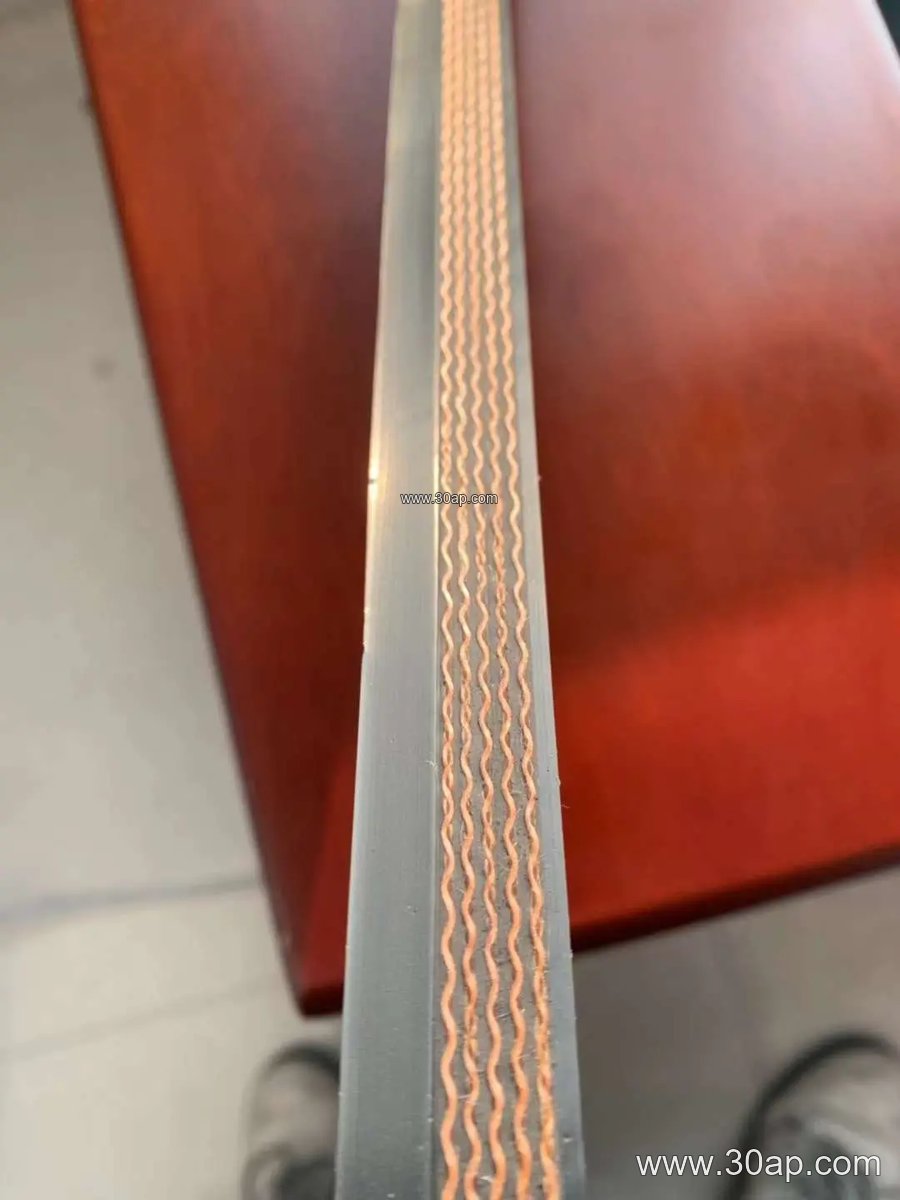
Fabric carcass options include EP conveyor belt (polyester/nylon) and NN conveyor belt (nylon/nylon). EP grades are widely chosen for aggregate duty because of low stretch and good resistance to moisture. Strength grades of EP100, EP200, EP400, EP630 and EP1000 appear in quarry specifications, and heavier EP1250 or EP1600 builds are used where tension demands it.
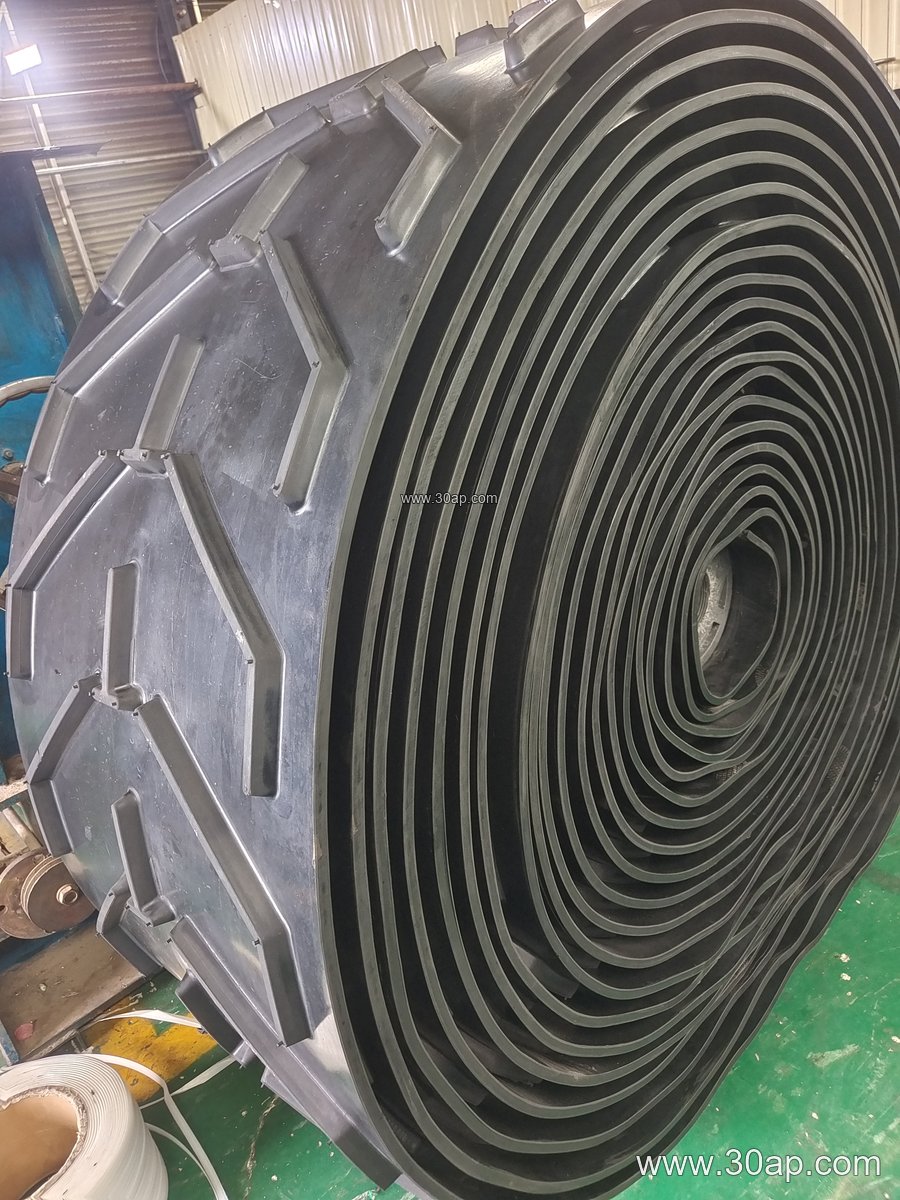
Cover compound selection is critical. An abrasion resistant conveyor belt handles sharp granite and basalt, while a heat resistant conveyor belt is needed when carrying hot clinker or kiln discharge. A flame retardant conveyor belt is common in coal mining and underground coal mining conveyor belt systems, and an anti-static conveyor belt helps where dust ignition is a concern. A chevron conveyor belt or corrugated sidewall conveyor belt may be used on steep inclines, but these are different designs and are not substitutes for the flat crusher belt on a horizontal run.
Common Widths and Strength Grades
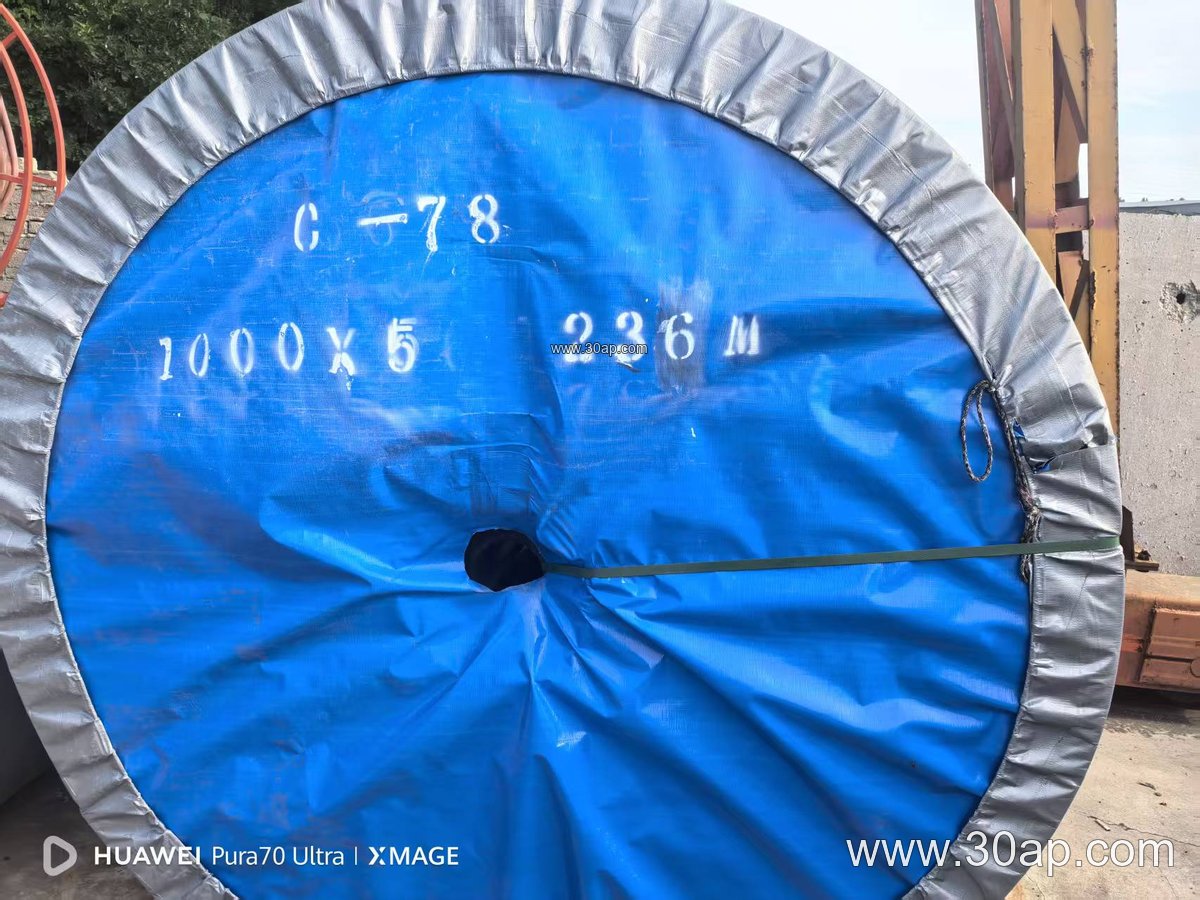
Belt width is set by the required capacity, maximum lump size and the existing pulley and idler dimensions. The table below lists reference values often seen in quarry and aggregate specifications; final selection is by design.
| Parameter | Typical Reference Values |
|---|---|
| Belt width | B500, B650, B800, B1000, B1200, B1400, B1600, B1800, B2000 |
| EP strength grades | EP200, EP315, EP400, EP500, EP630, EP800, EP1000, EP1250, EP1600, EP2000 |
| Cover thickness (top + bottom) | 3+1.5, 4+2, 5+2, 6+2, 8+3 mm |
| Carcass plies | 2 to 6 layers, sometimes more |
Width and strength must be read together. A 1200mm wide EP1000 belt and a 1200mm wide EP630 belt can share the same pulley face width but carry very different tensions, so the drive and take-up design follows the belt grade, not the width alone.
Where It Fits in the Plant
In an aggregate operation the belt usually starts under the primary crusher and feeds a screening deck, then carries oversize back for recrushing. Similar belts serve cement plants moving limestone and clinker, power plants handling coal, and ports loading bulk material. A quarry conveyor belt of this class may also be called a crusher conveyor belt or rock conveyor belt, and it is often paired with a mining conveyor belt specification when the site also handles ore.
Idler spacing, trough angle and pulley diameter are chosen to suit the belt’s stiffness. Impact idlers are commonly installed at transfer points to absorb the drop from the crusher. Skirt rubber and loading chutes should be aligned so material lands centrally, reducing edge damage and belt mistracking.
Buyer Checklist
- Confirm the maximum lump size and drop height before choosing cover thickness and impact resistance.
- State the carcass type and strength grade, not just the width: EP200 and EP1000 behave differently on the same frame.
- Match belt width to the existing pulleys and idler rollers; do not assume one width fits every pulley diameter.
- For dusty or underground work, ask for flame retardant and anti-static properties in writing.
- For hot material, specify a heat resistant grade with a stated temperature range.
- Check splice method and whether an endless conveyor belt is required for the main line.
Proper storage, tensioning and regular inspection of edges, splices and idler rollers extend service life more than any single specification. Buyers should request the manufacturer’s data sheet for the exact grade quoted, because cover compounds and carcass builds vary between suppliers.