What an Idler Bracket Does on a Conveyor
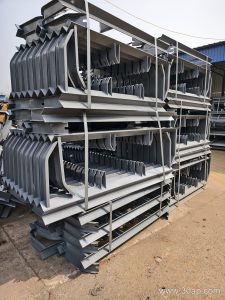
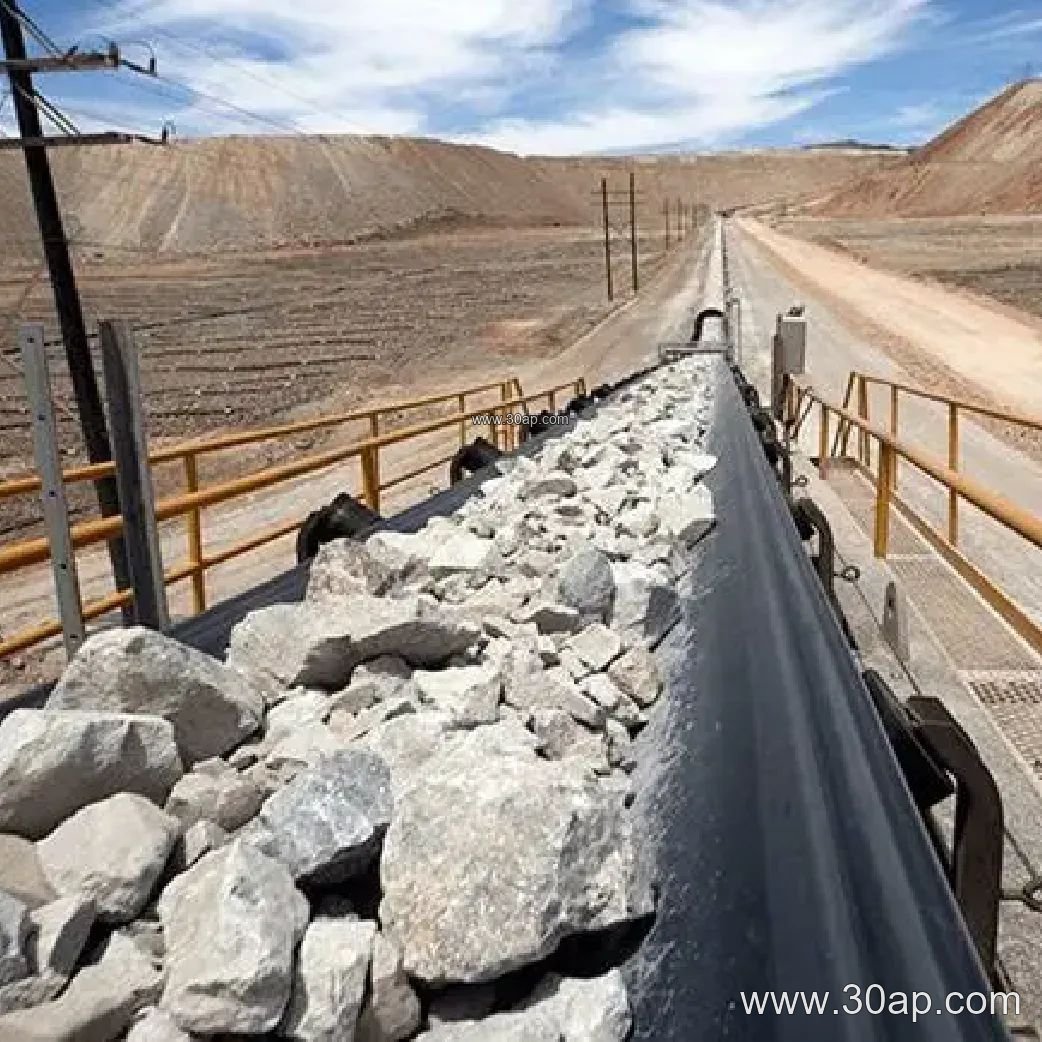
An idler bracket is the support element that holds idler rollers at a defined position and angle under or above the conveyor belt. It ties the roller assembly to the conveyor frame, keeps spacing stable along the run, and transfers the load of the belt and material into the structure. In a limestone quarry or a crushing and screening line, a small alignment error at the bracket can show up quickly as belt edge wear, so the part deserves more attention than its simple appearance suggests.
Brackets are not one universal item. Troughing brackets carry the upper rollers in a three-roll arrangement, return brackets support the lower run, and transition or impact brackets appear near loading points. Each serves a different position on the conveyor, and none of them should be confused with a drive pulley or tail pulley, which are separate components with their own duties.
Construction and Materials
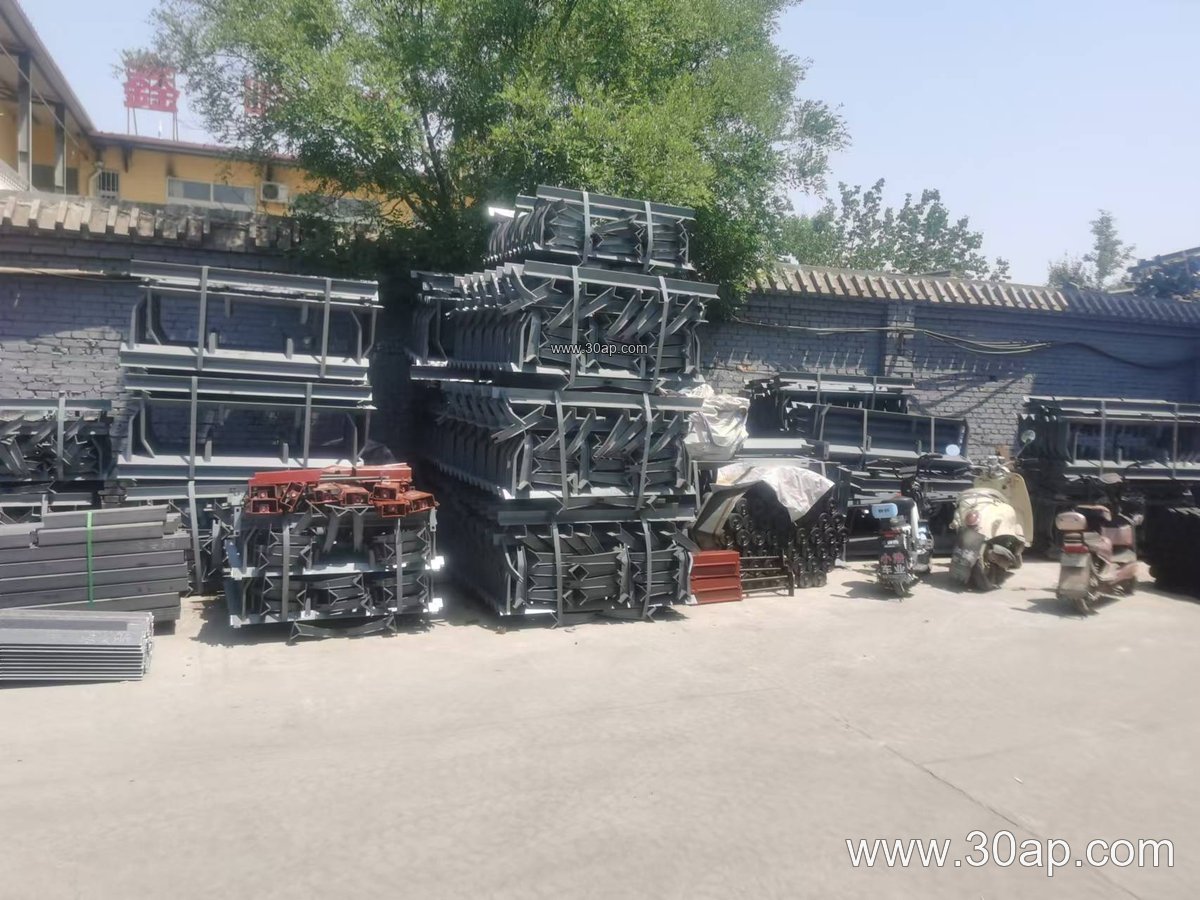
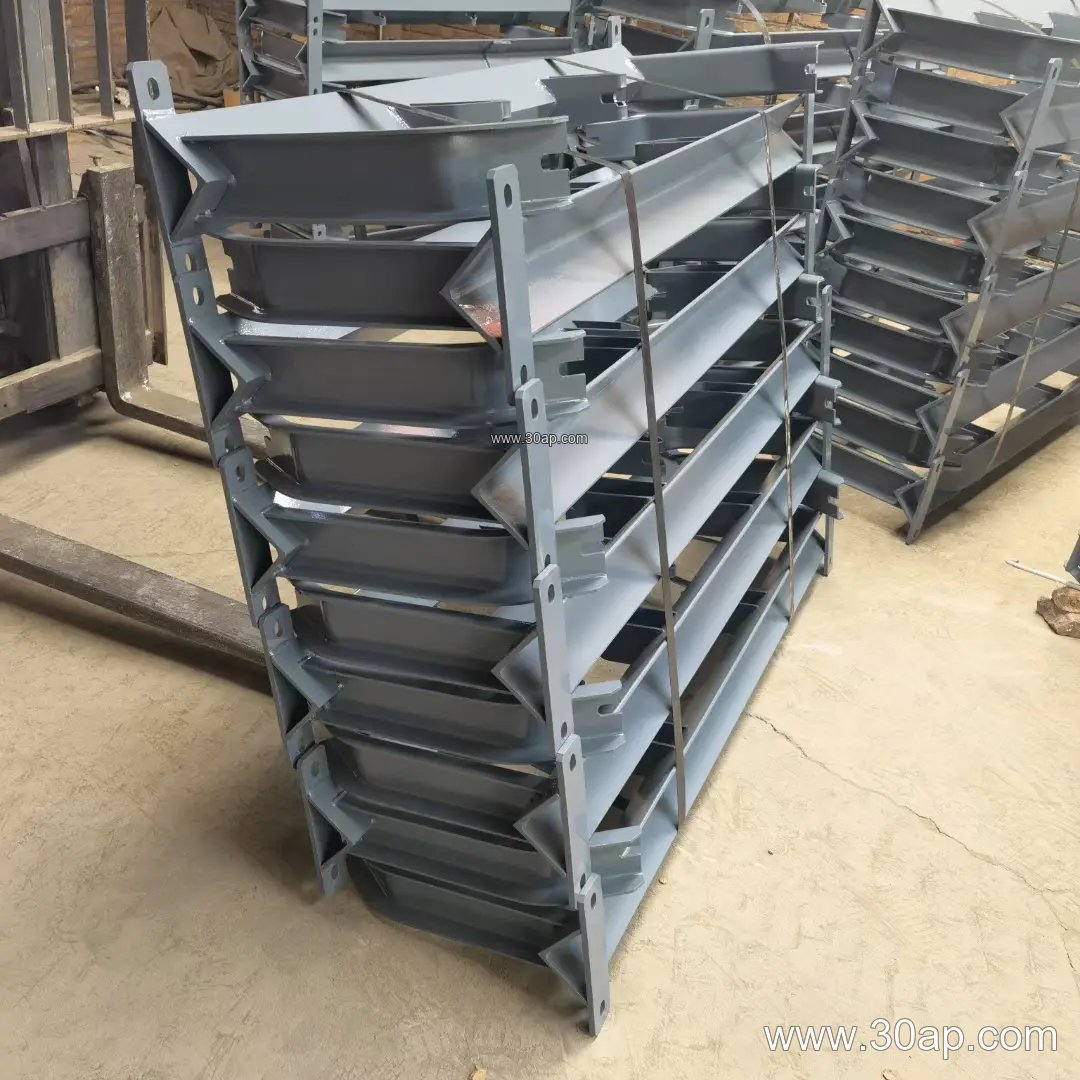
Most idler brackets are fabricated from angle steel, channel steel, or folded steel plate. The choice depends on load, belt width, and the environment. Fabricated brackets are welded or bolted, then usually coated for corrosion protection. In a coal preparation plant or a power plant coal handling system, dust and moisture make coating quality and drainage details worth checking.
A well-made bracket keeps mounting slots consistent, so rollers sit square to the belt line. Adjustable designs add slotted or pivoted connections that allow the trough angle to be set on site rather than fixed at the factory.
Common Configurations and Reference Data
Bracket selection usually follows belt width, roller diameter, and trough angle together. The values below are reference ranges, not fixed combinations; actual mounting hole spacing and crossbeam length are determined by the conveyor design.
| Item | Common Options |
|---|---|
| Bracket type | Troughing bracket, upper trough bracket, transition bracket, return bracket, flat lower bracket, V-return bracket, impact bracket, self-aligning bracket, forward-leaning bracket, spiral roller bracket, suspended bracket, adjustable bracket |
| Belt width | B500, B650, B800, B1000, B1200, B1400, B1600, B1800, B2000, B2200 |
| Trough angle | 20°, 30°, 35°, 45°; adjustable brackets can be set within this range |
| Roller diameter | Ø89, Ø108, Ø133, Ø159, Ø194 |
| Forward lean | Typically about 1.5° to 2° |
Typical pairings seen in practice include B800 with a 35° trough and Ø108 rollers, or B1200 with a 45° trough and Ø133 rollers. A B650 line with 30° and Ø89 rollers is also common on lighter duties. These are examples of how the three variables travel together, not rules that lock one belt width to one angle or one roller size.
Where These Brackets Are Used
In an iron ore or copper ore handling circuit, heavy troughing brackets and impact brackets near the transfer chute take the brunt of lump loading. In a cement plant, return brackets and V-return brackets keep the lower strand tracking through dusty galleries. Sand and gravel operations often favor adjustable brackets because they let maintenance crews correct the trough profile without replacing the whole frame.
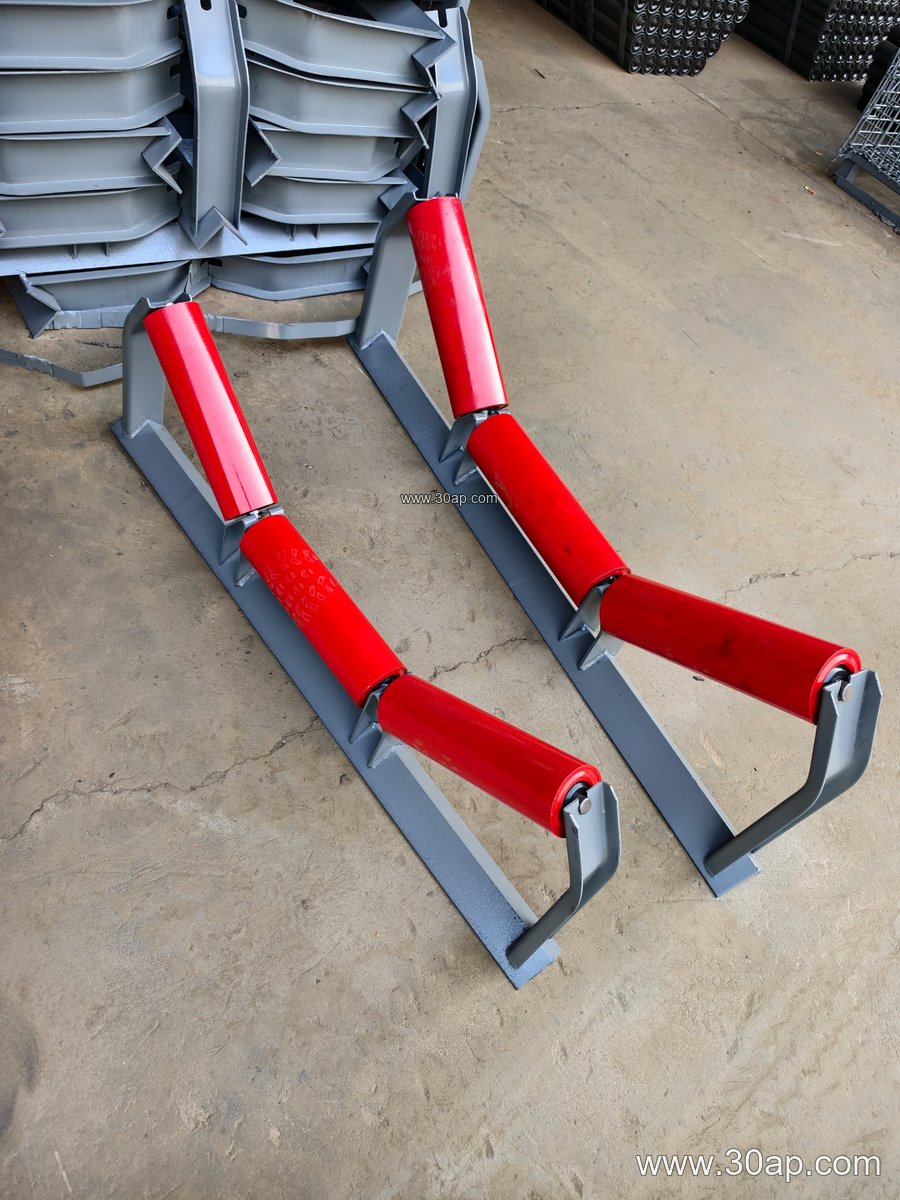
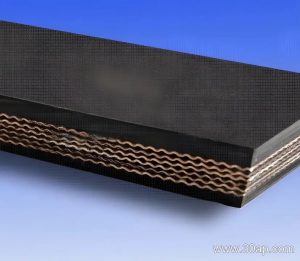
The bracket works together with the belt and roller set. A stiff, well-supported roller frame lets an abrasion resistant conveyor belt run centered, while a poorly aligned bracket can shorten the life of even a heavy-duty conveyor belt. Matching the bracket to the belt family in use, whether an EP conveyor belt, a steel cord conveyor belt, or a flame retardant conveyor belt for underground work, is part of getting the assembly right. Buyers can review related conveyor components at cnsconveyorbelt.com before finalizing a frame layout.
Buyer Checklist
- Confirm belt width and the roller diameter the frame is drilled for; do not assume a shaft size from belt width alone.
- Decide whether a fixed or adjustable trough angle suits the installation and future maintenance.
- Check material and coating against the site: wash-down, humidity, or abrasive dust all change the answer.
- Ask for mounting hole spacing and crossbeam length as designed values, since these vary with width and angle.
- Verify that the bracket type matches its position: troughing, return, transition, and impact brackets are not interchangeable.
For long overland runs or high-tension installations using an ST1600 or ST2000 steel cord conveyor belt, bracket rigidity and frame spacing matter more than on a short transfer. On a quarry conveyor belt line with frequent stoppages, quick-release or adjustable brackets can reduce downtime during roller changes. A short conversation with the frame supplier about duty, belt type, and roller size usually prevents the most common fitting problems.