What a Mining Fire Resistant Conveyor Belt Is
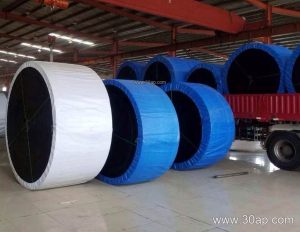
A Mining Fire Resistant Conveyor Belt is a heavy-duty rubber belt engineered to carry coal, ore, and other bulk materials while limiting the spread of flame if a fire starts near the conveyor line. The belt is a specialized form of Fire Resistant Conveyor Belt built for underground coal mining, hard rock mines, and surface plants where ignition sources cannot be fully eliminated. Its rubber compounds are formulated so that, once the external flame is removed, burning stops instead of continuing along the belt path.
Fire resistance is not the only requirement in a mine. The same belt usually needs good abrasion resistance, anti-static behavior, and enough tensile strength to handle long inclines and heavy loads. Buyers often compare it with a standard Flame Retardant Conveyor Belt; the two overlap in purpose, but mine operators should confirm the fire performance level specified for their site rather than assuming any flame-retardant belt is equal.
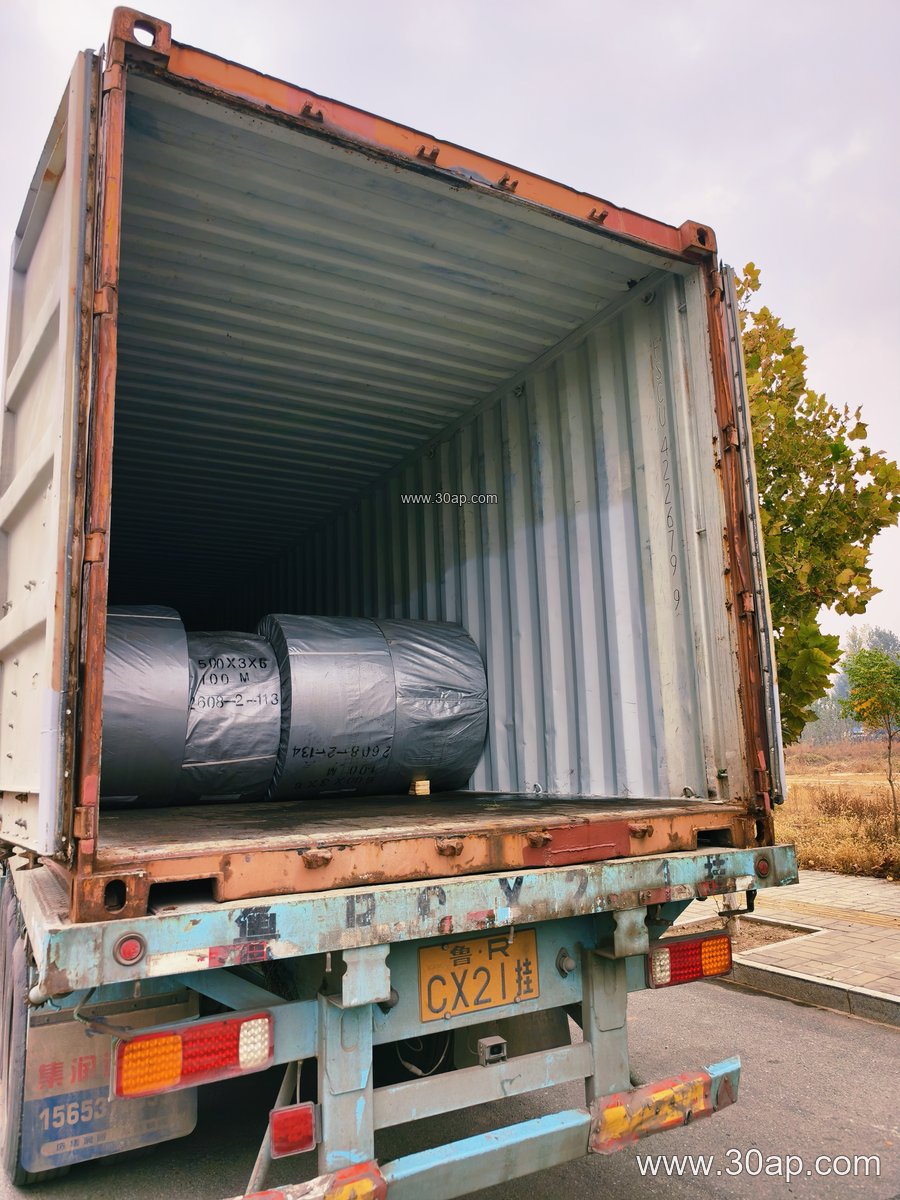
Construction and Material Choices
The carcass is the load-bearing part. Common options for this product include EP Conveyor Belt fabric (polyester warp, nylon weft), NN Conveyor Belt fabric (nylon both directions), and solid-woven PVG Conveyor Belt or PVC Conveyor Belt constructions used in underground coal work. For long, high-tension trunk conveyors, a Steel Cord Conveyor Belt may be preferred, though fire-resistant cover compounds and carcass design must be specified together.
Cover rubber is where fire performance largely lives. Formulations typically use halogenated or other flame-suppressing additives, and covers are usually black and anti-static. Thickness follows the duty: light material handling may use 3+1.5 mm covers, while crusher feed and run-of-mine ore often call for 6+2 mm or 8+3 mm. Carcass plies commonly run from two to six layers depending on strength class.
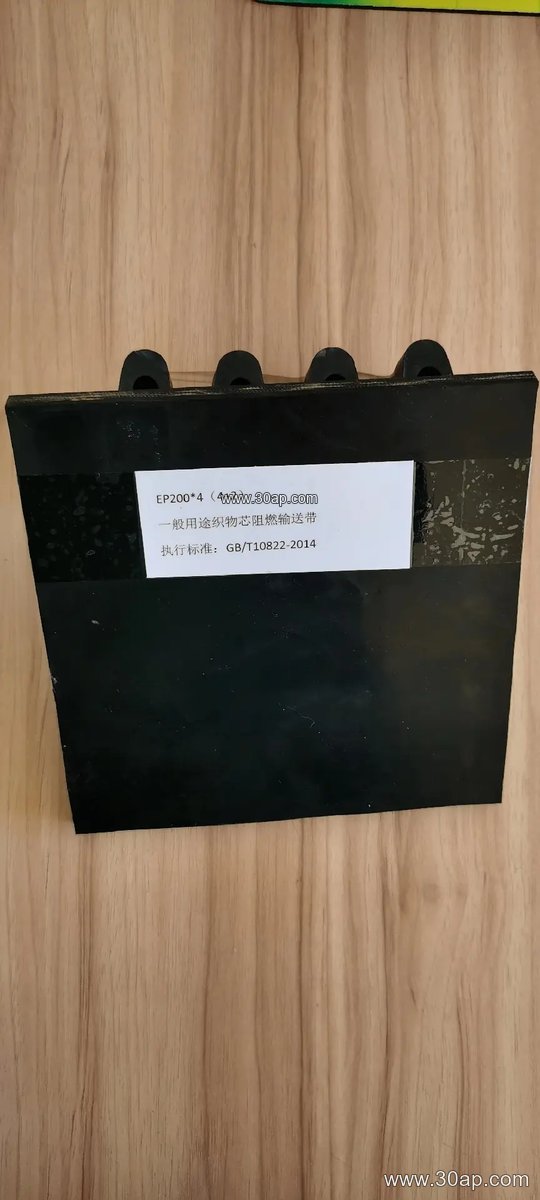
Typical Strength and Size Range
The values below are common reference points, not fixed supply promises. Final construction is confirmed by the belt designer for each conveyor.
| Parameter | Common reference values |
|---|---|
| Fabric carcass strength (EP) | EP200, EP315, EP400, EP500, EP630, EP800, EP1000, EP1250, EP1600 |
| Belt width | B500, B650, B800, B1000, B1200, B1400, B1600, B1800, B2000 |
| Cover thickness | 3+1.5, 4+2, 5+2, 6+2, 8+3 mm |
| Carcass plies | 2 to 6 layers, by design |
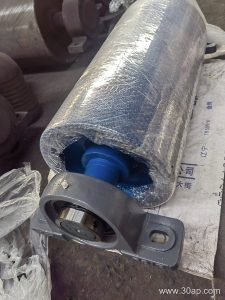
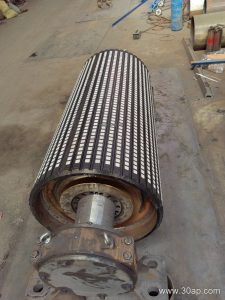
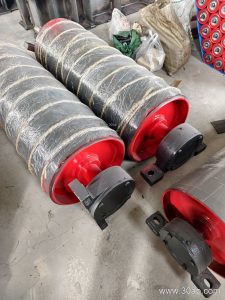
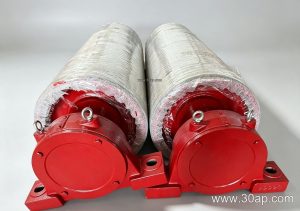
Width alone does not dictate pulley or shaft size. A B1200 belt may run on different drive, tail, and bend pulleys from another B1200 line, so dimensions must come from the conveyor drawing. Checking a conveyor pulley and idler roller against the belt specification is part of a proper retrofit.
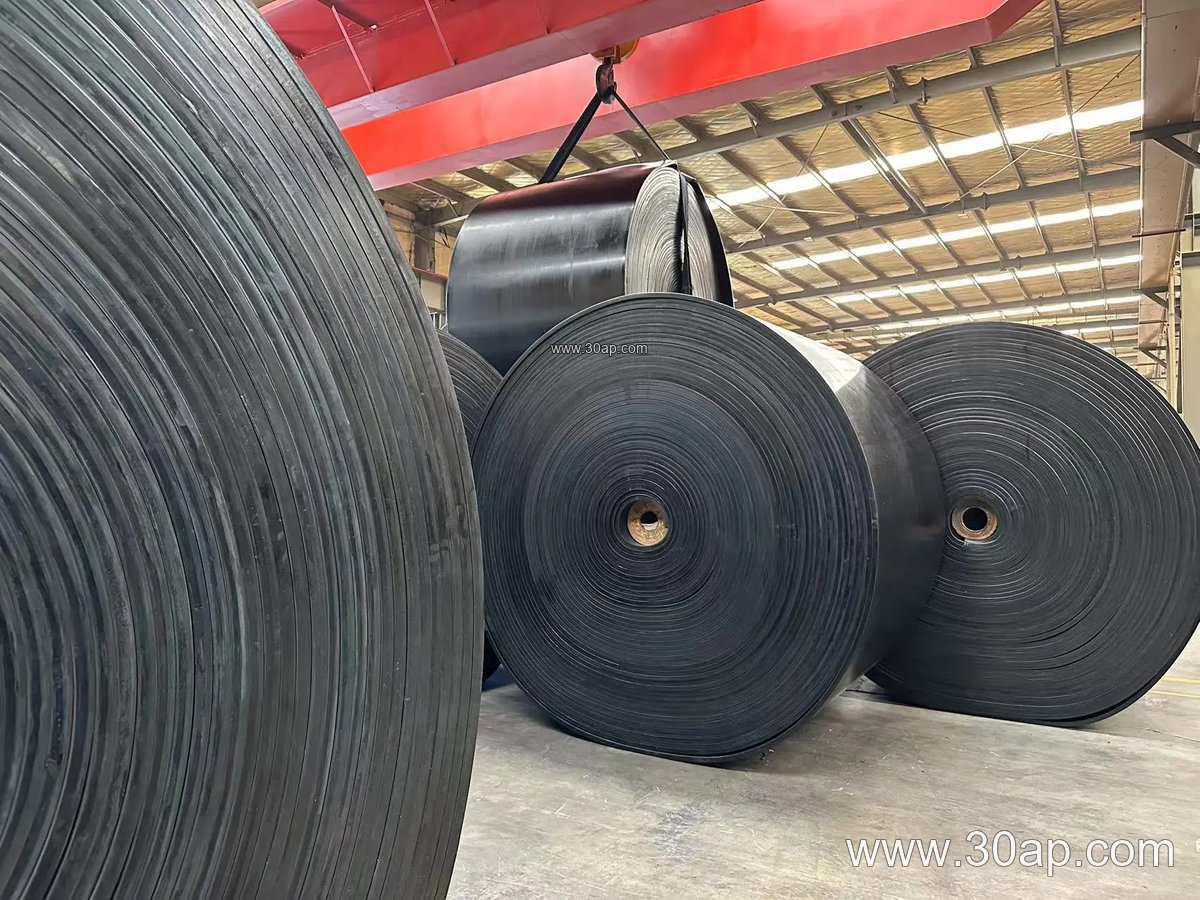
Where It Is Used
The most demanding application is the Underground Coal Mining Conveyor Belt circuit, where methane, coal dust, and limited escape routes make fire performance critical. The same belt family appears in:
- Coal preparation plants and power plant coal yards
- Iron ore, copper ore, and gold mining conveyor lines
- Cement plants and quarry conveyor systems feeding crushers
- Sand and aggregate plants with dusty, abrasive material
- Port and ship loading conveyors handling bulk material
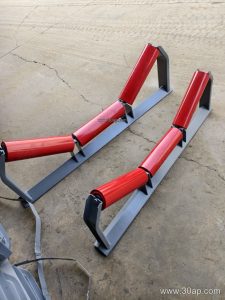
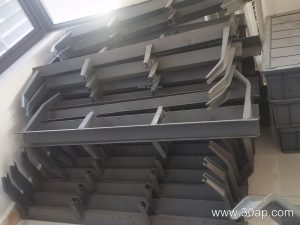
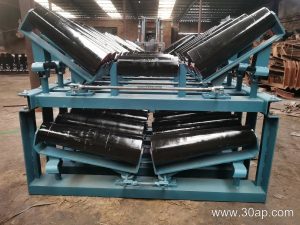
In these plants the belt works alongside conveyor brackets, frames, and rollers, and it may need to resist oil, heat, or cold in addition to fire. A Heat Resistant Conveyor Belt is chosen when clinker or hot sinter is present, while an Oil Resistant Conveyor Belt suits oily scrap or certain mineral feeds. These are different requirements; fire resistance should not be assumed to cover them automatically.
Buyer Checklist
- State the fire performance level required by the mine or plant, and ask for test documentation rather than relying on a product name.
- Confirm belt width, carcass strength, cover thickness, and ply count against the conveyor design, not against a catalog default.
- Check anti-static and surface resistivity requirements, especially underground.
- Match the belt to the actual load: a Heavy-Duty Mining Conveyor Belt for primary crushed ore is not the same as a lighter belt on a clean coal transfer.
- Review splice method, since a joint can be the weakest fire and strength point on the line.
- Verify compatibility with existing pulleys, idlers, and take-up travel before ordering.
For general mining duties, a Mining Conveyor Belt or Coal Mining Conveyor Belt specification may be sufficient, but where fire risk is real, the fire-resistant variant should be named explicitly in the purchase document. On this site you can compare belt constructions such as EP Conveyor Belt and Steel Cord Conveyor Belt options at gz-conveyorbelt.com, and review matching rollers and pulleys before finalizing a conveyor upgrade.