What a Mining Trough Idler Does on the Conveyor Line
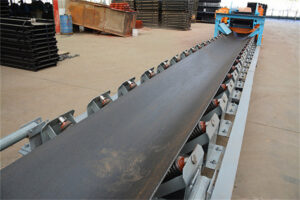
A mining trough idler is the carrying roller assembly that shapes a conveyor belt into a trough, keeping bulk material centered as it travels from the crusher to the stockpile or from the pit to the transfer point. In a quarry, limestone mine, or copper ore concentrator, these idlers support the loaded side of the belt and absorb a large share of the daily wear. The assembly usually consists of two or three rollers mounted in a frame at a fixed trough angle, and it works together with the conveyor pulley, the conveyor bracket, and the belt itself to keep the line running smoothly.
Because the load is heavy and often abrasive, the trough idler is built differently from a return idler. The roller shell, shaft, bearing housing, and seal arrangement all need to handle dust, fines, and moisture without seizing. A well-built trough idler protects the conveyor belt from pinching and edge damage, which matters greatly when the belt is a heavy-duty mining conveyor belt carrying rock or ore.
Construction Details That Affect Service Life
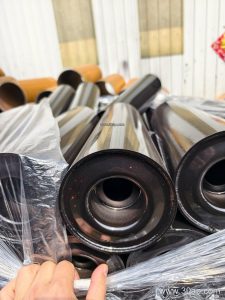
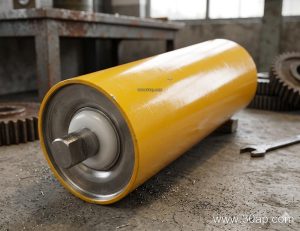
Most trough idlers use a steel tube shell, though nylon, ceramic, and rubber-covered surfaces appear where abrasion or build-up is a concern. The shaft runs through sealed bearing housings at each end, and common bearing sizes include 6204, 6205, 6305, 6306, 6308, and 6310. The bearing is not tied to one roller diameter, so the same bearing may appear across several shell sizes depending on the design load.
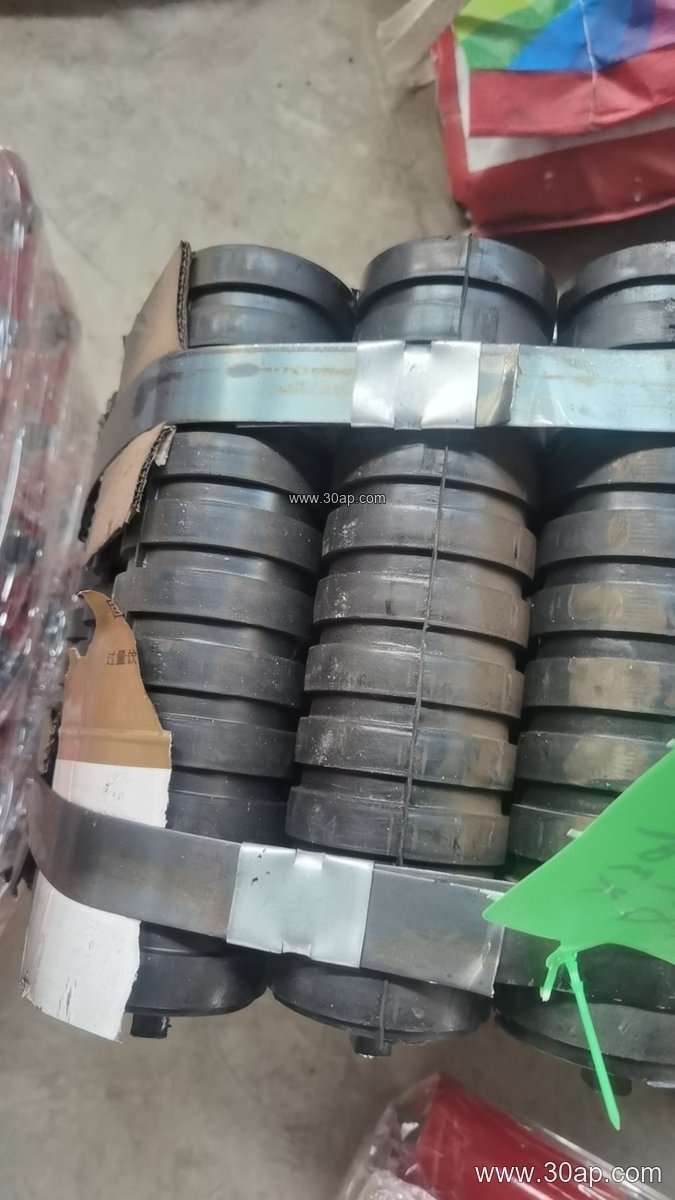
Sealing is often the deciding factor in dusty service. A labyrinth seal with a dust lip keeps fines away from the bearing, while a protective cover on the outer end reduces the chance of wrap damage. Roller diameters commonly range from Ø63 up to Ø219, and the choice depends on belt speed, load, and the frame design rather than on belt width alone. The roller length changes with belt width, trough angle, and the number of rollers in the set, so a three-roll trough set for B800 might use a roll length near 315 mm, while B1200 might use around 465 mm. These are typical examples, not fixed rules.
Trough Angles and Roller Configurations
The trough angle controls how deeply the belt sits in the frame. Common angles are 20, 30, 35, and 45 degrees. A steeper angle holds more material and reduces spillage on a fully loaded belt, but it also increases the bending stress at the belt edges. For a coal mining conveyor belt or a high-abrasion ore conveyor belt, the angle is usually matched to the material’s angle of repose and the belt’s flexibility.
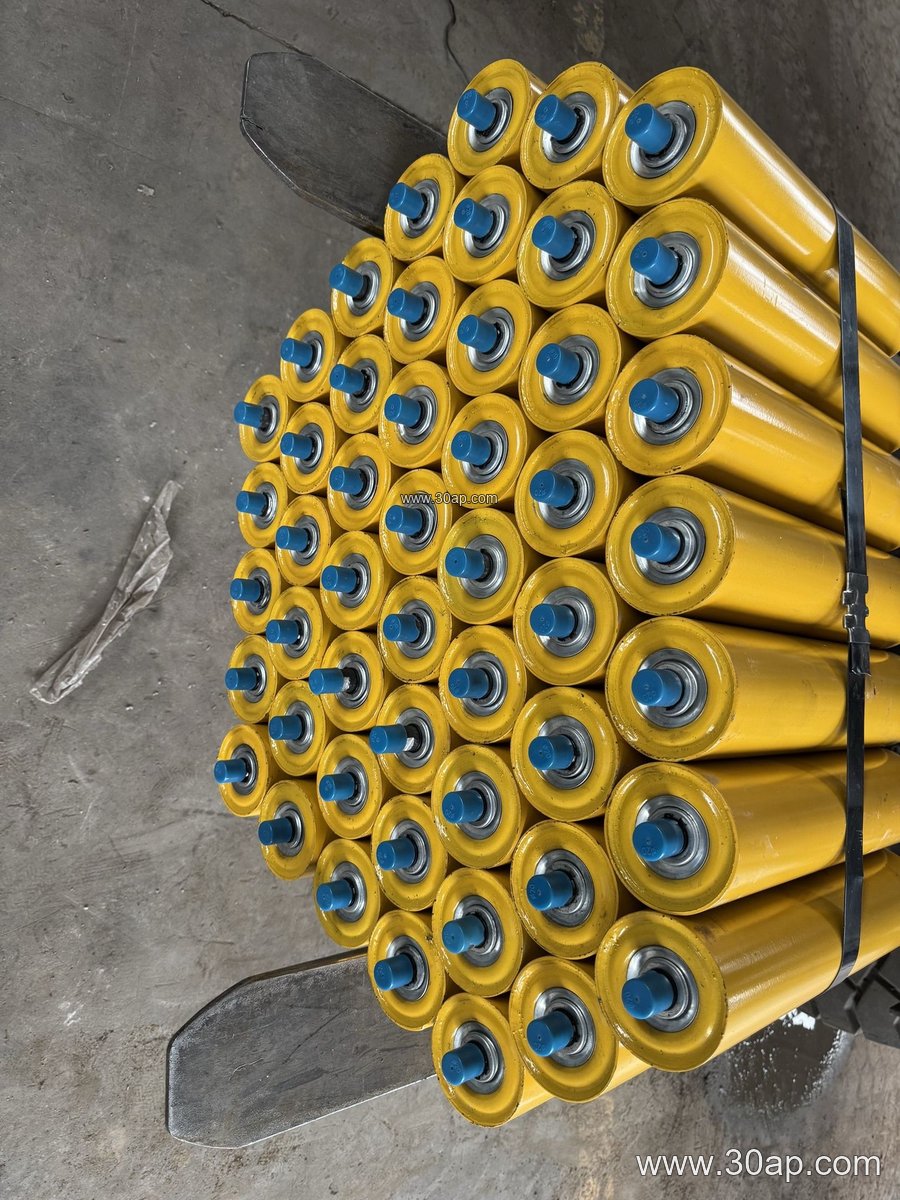
Trough idler sets are available as single-roll, two-roll, and three-roll arrangements. Three-roll sets are the most common in bulk handling because they give good belt support and centering. Transition idlers, which sit near the pulley, gently change the belt from flat to troughed and are sometimes confused with trough idlers; they serve a different purpose and should not be treated as a direct replacement.
- Common shell diameters: Ø63, Ø76, Ø89, Ø102, Ø108, Ø127, Ø133, Ø159, Ø178, Ø194, Ø219
- Common belt widths: B400, B500, B650, B800, B1000, B1200, B1400, B1600, B1800, B2000
- Common trough angles: 20°, 30°, 35°, 45°
- Common bearing sizes: 6204, 6205, 6305, 6306, 6308, 6310
Where Trough Idlers Are Used
You will find trough idlers in nearly every bulk handling line. In a sand and gravel plant, they carry crushed aggregate under the screen discharge. In a cement plant, they move clinker and raw meal on a fabric core conveyor belt or an EP conveyor belt. In a power plant coal yard, they support a flame retardant conveyor belt on the way to the bunker. In a steel plant, they handle sinter and coke, where a heat resistant conveyor belt may be needed nearby.
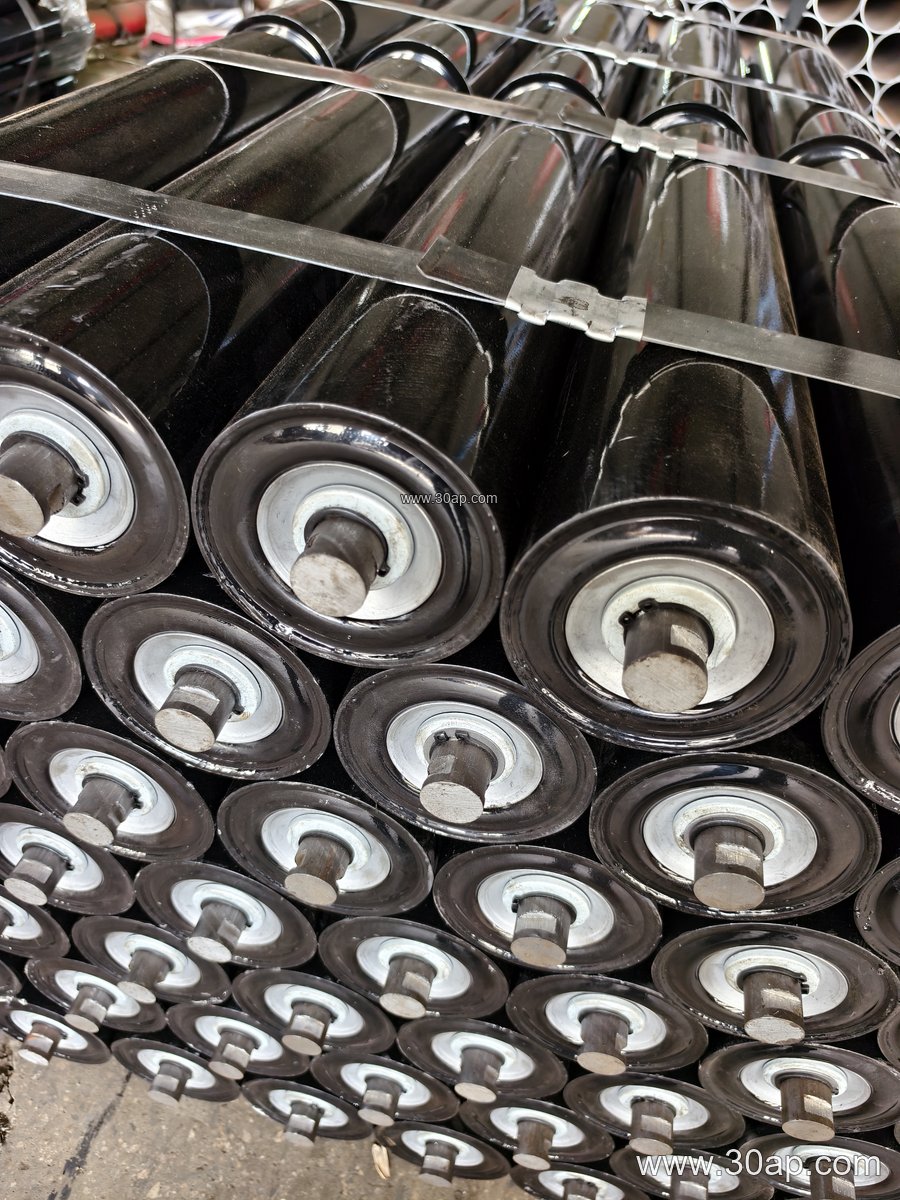
The idler itself does not determine the belt’s compound, but the two must match in practice. A heavy trough idler with a thick shell is a poor match for a thin, flexible belt, and a light idler will not last under a thick steel cord conveyor belt carrying iron ore. Buyers should think of the idler and belt as one system.
Buyer Checklist Before Ordering
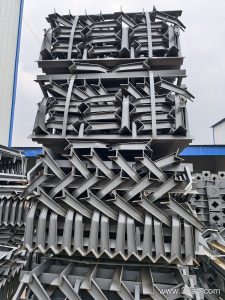
Before requesting a quotation, confirm the belt width, the trough angle, the number of rollers per set, and the roller diameter. Also confirm the frame mounting dimensions and the shaft end type so the idler fits the existing conveyor bracket. Ask about the seal design and the bearing brand or grade, since these affect maintenance intervals. For abrasive service, consider a rubber-covered or ceramic-covered shell; for sticky material, a spiral or self-cleaning roller may reduce build-up.
Spare parts planning matters too. Keeping a small stock of complete trough idler sets and a few spare rollers reduces downtime when a bearing fails. Inspect rollers for rotation and noise during routine stops, and replace any idler that drags or wobbles before it damages the conveyor belt.
Matching the Idler to the Belt and the Duty
The best mining trough idler is the one that matches the belt, the load, and the environment. A quarry conveyor belt moving sharp rock needs a robust shell and good sealing, while a coal yard may prioritize flame resistance in the surrounding components. Where an underground mining conveyor belt is used, space and maintenance access often shape the design. In all cases, the trough idler is a wear part, and selecting it with the belt width, trough angle, roller diameter, and bearing size in mind will extend the life of the whole conveyor line.