What a Mining Belt Conveyor Pulley Does
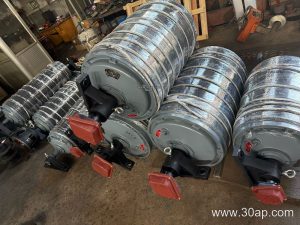
A mining belt conveyor pulley is the rotating drum that carries and guides the conveyor belt at key points along a bulk material handling line. In a quarry or a sand and aggregate plant, the pulley transfers drive force into the belt, maintains belt tension, and changes belt direction where the route requires it. It is a different component from a conveyor pulley used in light logistics, because mining duty brings abrasive rock dust, heavy loads, and long operating hours.
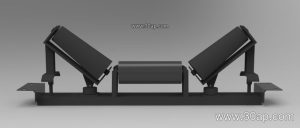
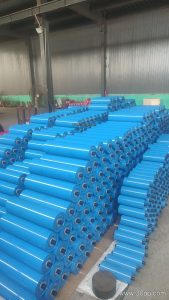
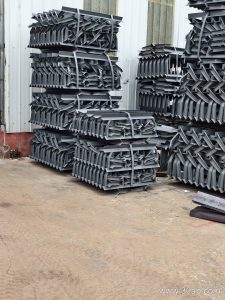
The drum works together with the conveyor belt, the idler roller set, and the conveyor bracket that holds the assembly in alignment. A well-matched pulley keeps the belt tracking straight and reduces unnecessary stress on splices and edges.
Build and Construction Details
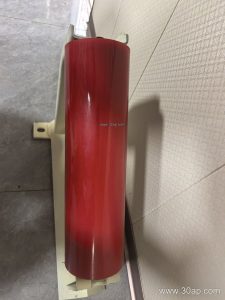
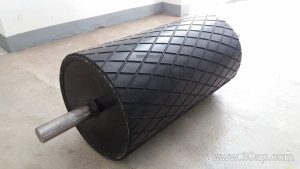
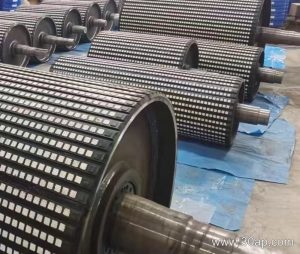
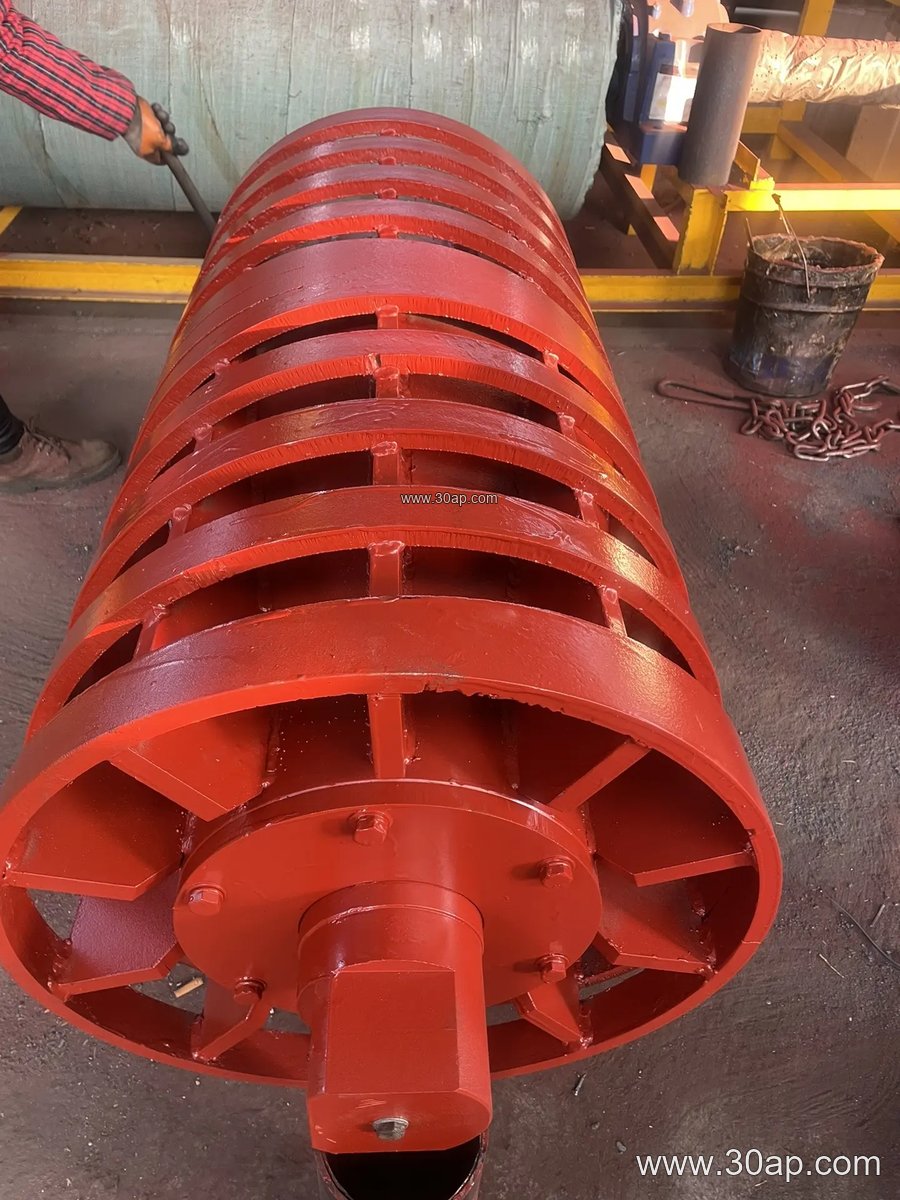
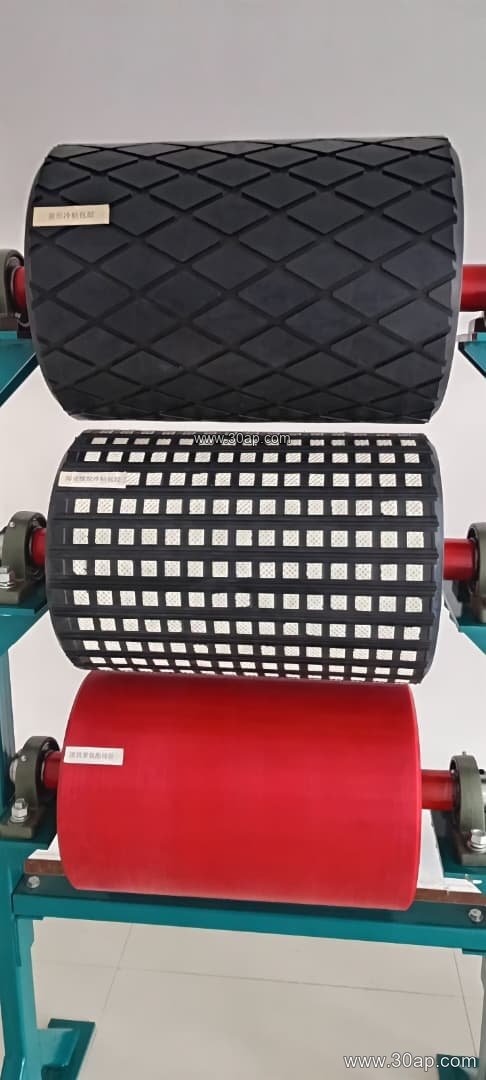
Most units are welded steel drums with a machined shell, end discs, a shaft, and bearing housings. The shell surface may be plain, or it may carry lagging to improve grip. Common lagging options include hot-vulcanized rubber, cold-bonded rubber, diamond grooved rubber, herringbone rubber, and ceramic tiles. Lagging thickness is often 8, 10, 12, 15, or 20 mm depending on the duty.
The shaft diameter is determined by torque and load, not by belt width alone. Typical shaft sizes can range from Ø50 to Ø200 mm, and a design may use Ø80, Ø100, Ø120, or larger values for heavy drives. Face width usually exceeds belt width so the belt is fully supported. For example, a B800 conveyor may use a drum face around 950 mm, and a B1200 belt may run on a face near 1400 mm.
Where It Fits in the Conveyor Layout
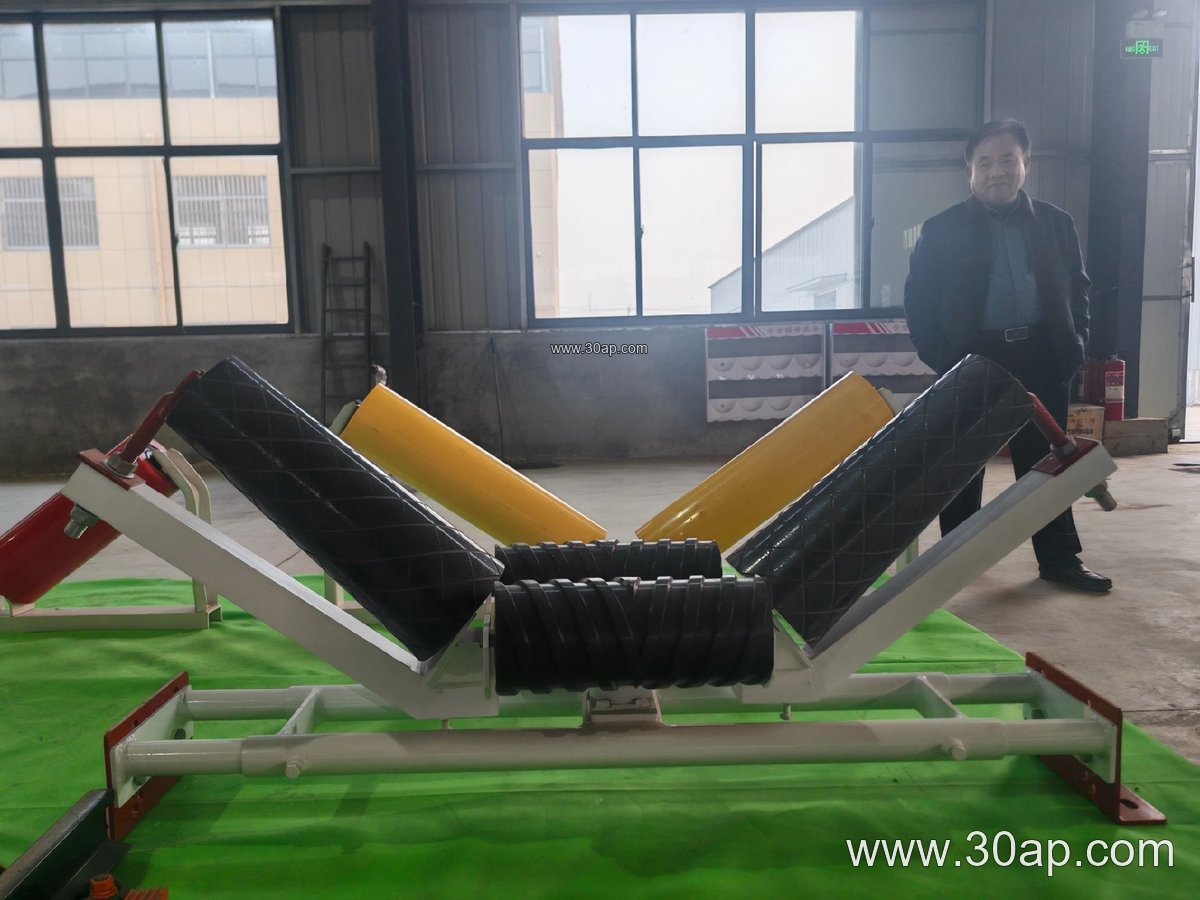
Position determines the role. A drive pulley at the head transmits motion; a tail pulley at the loading end returns the belt; a bend pulley redirects the belt path; a take-up pulley maintains tension. These are not interchangeable names, and each position has its own load profile. In a limestone mine or a cement plant clinker line, the head drum often carries the highest torque, while a bend drum sees mostly direction change.
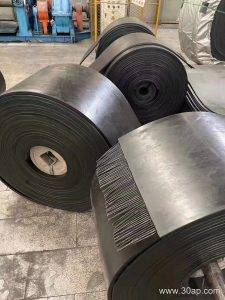
The pulley must suit the belt it carries. A heavy-duty mining conveyor belt with a steel cord carcass may require a larger drum diameter to limit bending stress. An EP conveyor belt or a multi-ply fabric core belt may run on a smaller drum. Abrasion resistant conveyor belt grades are common in crusher discharge and screening areas, while flame retardant conveyor belt grades appear in coal handling and underground mining conveyor belt systems.
Common Sizes and Surface Forms
The table below shows reference combinations, not fixed rules. A given belt width can work with more than one drum diameter.
| Belt Width | Typical Face Width | Example Diameter | Surface Option |
|---|---|---|---|
| B500 | about 600 mm | Ø250 to Ø400 | plain or rubber lagging |
| B650 | about 750 mm | Ø315 to Ø500 | diamond grooved rubber |
| B800 | about 950 mm | Ø400 to Ø630 | herringbone or ceramic |
| B1000 | about 1150 mm | Ø500 to Ø800 | hot-vulcanized rubber |
| B1200 | about 1400 mm | Ø630 to Ø1000 | ceramic lagging |
| B1400 | about 1600 mm | Ø800 to Ø1250 | plain or grooved rubber |
| B1600 | about 1800 mm | Ø1000 to Ø1400 | heavy rubber lagging |
Larger face widths such as 2000 mm and 2200 mm appear on wide belts in high-capacity port and power plant systems. Drum diameters of Ø1250, Ø1400, Ø1600, and Ø1800 are used where belt tension and carcass stiffness demand it.
Buyer Checklist Before Ordering
- Confirm the belt type and carcass, whether steel cord, EP fabric, or NN fabric, because minimum drum diameter depends on it.
- State the belt width and required face width, plus the shaft size from the drive design.
- Choose the lagging surface for the actual condition: abrasive rock, wet material, or oily service.
- Identify the position, since drive, tail, and bend pulleys carry different loads.
- Check bearing housing fit and bracket dimensions against the existing frame.
For more on matching drums with conveyor belt and idler roller components, visit baolizhonggong.com and review the pulley and belt data before finalizing a specification. A correct match between drum, belt, and frame keeps a quarry or processing line running with fewer tracking problems.