What a Belt Conveyor Bracket Does on a Conveyor Line
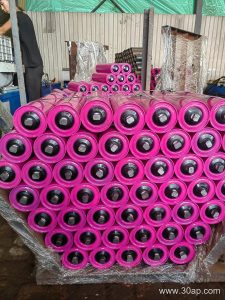
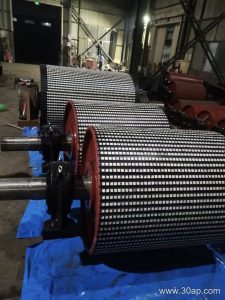
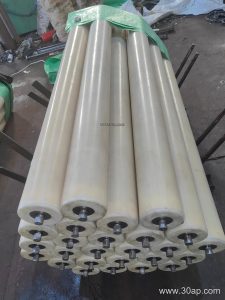
A belt conveyor bracket is the steel support that carries idler rollers and holds them at the correct position under or beside the conveyor belt. In a quarry, a coal preparation plant or a power plant coal yard, the bracket is the quiet component that decides whether the belt tracks cleanly or wanders. It is often called a conveyor idler bracket or roller support frame, and it works together with the conveyor pulley, the conveyor belt and the idler roller to keep material moving.
The bracket does not pull the belt, does not drive it and does not tension it. It simply locates each idler at the right height, angle and spacing. That makes it a structural part rather than a rotating part, yet poor bracket alignment is one of the most common reasons a belt misbehaves.
Construction and Common Surface Forms
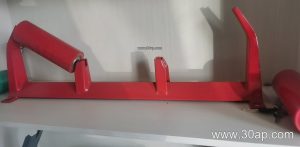
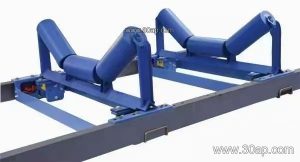
Most brackets are fabricated from angle steel, channel steel or folded steel plate, then drilled or punched for mounting bolts. A troughing bracket usually has two or three idler seats set at a fixed trough angle. A return bracket is flatter and carries the belt on its clean side. Transition brackets sit near the tail or head and guide the belt gradually from flat to troughed. Impact brackets are reinforced and placed under the loading point, where a heavy-duty mining conveyor belt drops ore or rock.
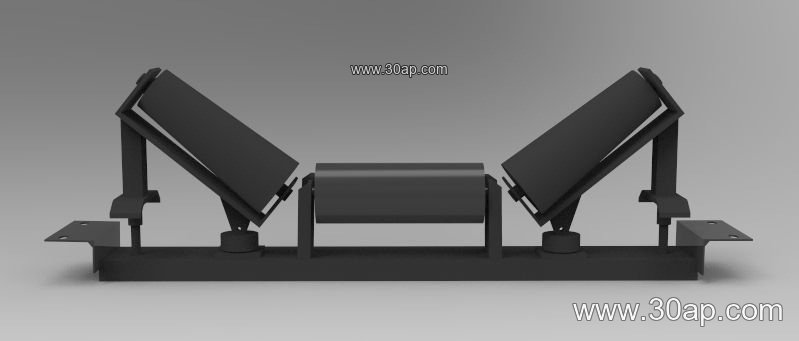
Materials are usually painted carbon steel or galvanized steel. In a wash plant or a fertilizer store, galvanizing helps against moisture and dust. The frame must be stiff enough that it does not sag between the stringers, because sag changes the belt line and causes spillage.
Matching Belt Width, Trough Angle and Roller Diameter
Buyers often ask for a bracket by belt width alone, but the bracket also depends on trough angle and roller diameter. Common reference combinations include B800 with 35 degrees and Ø108 rollers, B1200 with 45 degrees and Ø133 rollers, or B650 with 30 degrees and Ø89 rollers. These are examples, not fixed rules. A wide belt can run at a shallow angle where material is easy to convey, and a narrow belt can use a steeper angle in a confined tunnel.
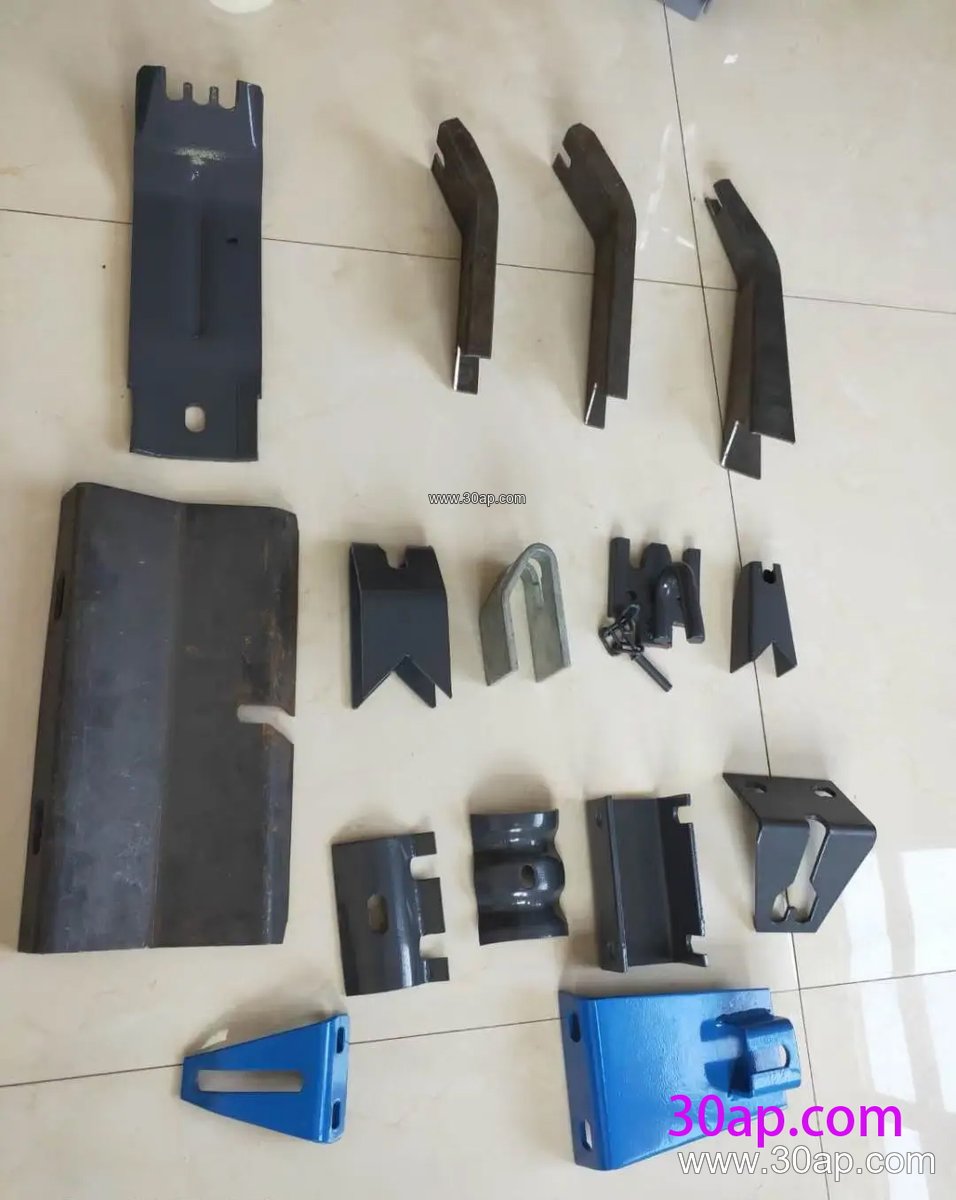
Typical belt widths on industrial lines range from B500 and B650 up to B1800 or B2000. Roller diameters are commonly Ø89, Ø108, Ø133, Ø159 or Ø194. The mounting hole spacing and crossbeam length change with belt width and trough angle, so a bracket drawing should always be checked against the actual stringer spacing.
| Parameter | Common Reference Values |
|---|---|
| Belt width | B500, B650, B800, B1000, B1200, B1400, B1600, B1800 |
| Trough angle | 20°, 30°, 35°, 45° |
| Roller diameter | Ø89, Ø108, Ø133, Ø159, Ø194 |
| Material | Angle steel, channel steel, folded plate |
| Finish | Painted or galvanized |
Do not assume that one belt width can only match one pulley diameter or one roller size. The correct set is determined by load, belt stiffness and the conveyor design.
Fixed, Adjustable and Self-Aligning Variants
A fixed bracket is welded or bolted at one angle and is the workhorse on long straight runs. An adjustable bracket lets maintenance staff change the trough angle between settings such as 20 and 45 degrees, which is useful during commissioning. A self-aligning bracket uses forward-tilted idlers, often about 1.5 to 2 degrees, to nudge a drifting belt back to center. A V-return bracket supports the return strand in a V shape and helps the belt self-center on the way back.
For a crusher discharge or a transfer point, an impact bracket with rubber rings or cushion rollers absorbs the drop energy and protects the belt carcass. Elsewhere, a spiral roller bracket reduces material buildup on the return side.
Where These Frames Fit in Real Plants
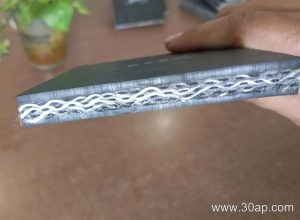
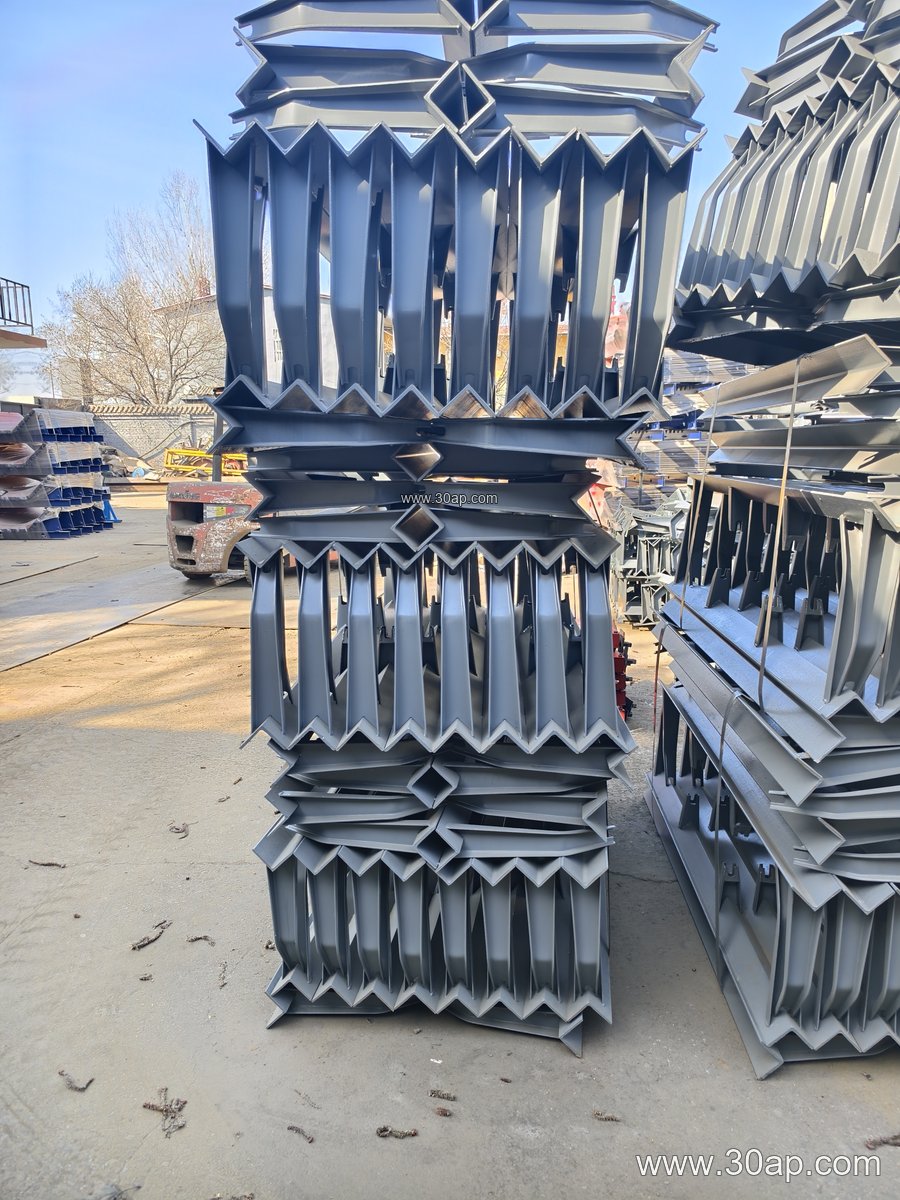
In an iron ore or limestone quarry, troughing brackets carry a heavy-duty conveyor belt along the main haulage incline. In a cement plant, they support clinker and raw meal lines where dust is constant. In a coal-fired power plant, flame retardant conveyor belt and anti-static conveyor belt are common, and the brackets must be aligned so the belt does not rub the frame. Port ship loaders and aggregate yards use similar frames on high-capacity lines.
The bracket is only one part of the assembly. It should be checked together with the conveyor pulley alignment, the idler roller rotation and the belt splice. A vibration or a wandering belt may point to a loose bracket rather than a worn roller.
Buyer Checklist Before Ordering
- Confirm belt width, trough angle and roller diameter as a set, not separately.
- Ask for a drawing showing hole spacing and crossbeam length.
- State the environment: wet wash plant, dusty cement mill, corrosive fertilizer store.
- Choose impact or reinforced frames under loading points.
- Check that the finish suits the site, for example galvanized frames in humid areas.
- Plan spare brackets for transition and tail areas, where alignment is most critical.
For more conveyor components, visit beltconveyorparts.com and review conveyor bracket, idler roller and conveyor pulley options together. A bracket that fits the belt line properly will outlast many rollers and keep the whole system running smoothly.