What a Conveyor Parts Idler Does on the Line
A conveyor parts idler is the rotating support that carries the conveyor belt and the material riding on it. In everyday plant language, the same component is called an idler roller. It sits between the head and tail of the conveyor, absorbs the load, and keeps the belt tracking in a stable line. In a quarry, a cement plant, or a power plant coal yard, these rollers are the most numerous wear parts on the whole structure, so choosing and maintaining them well has a direct effect on uptime.
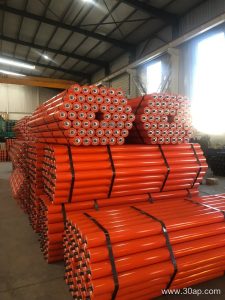
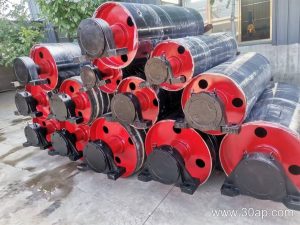
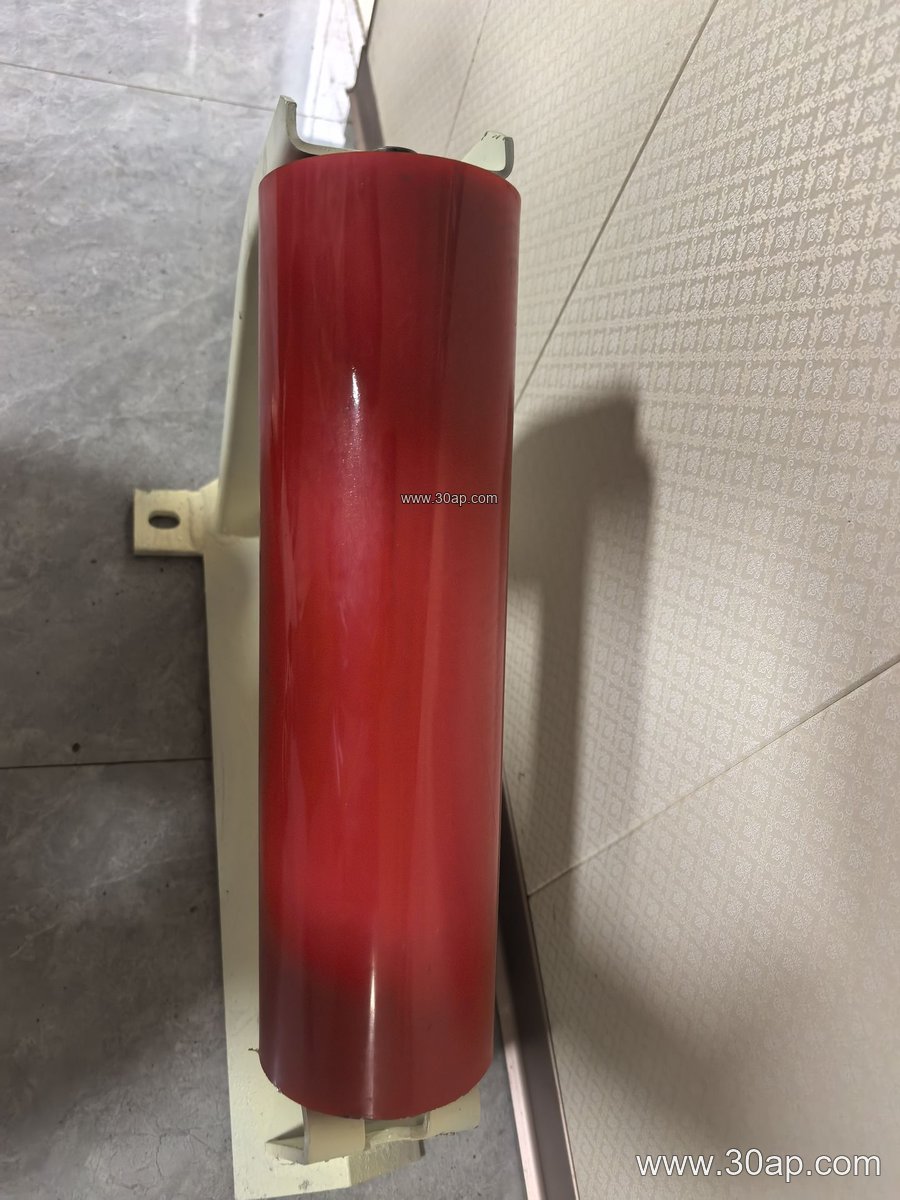
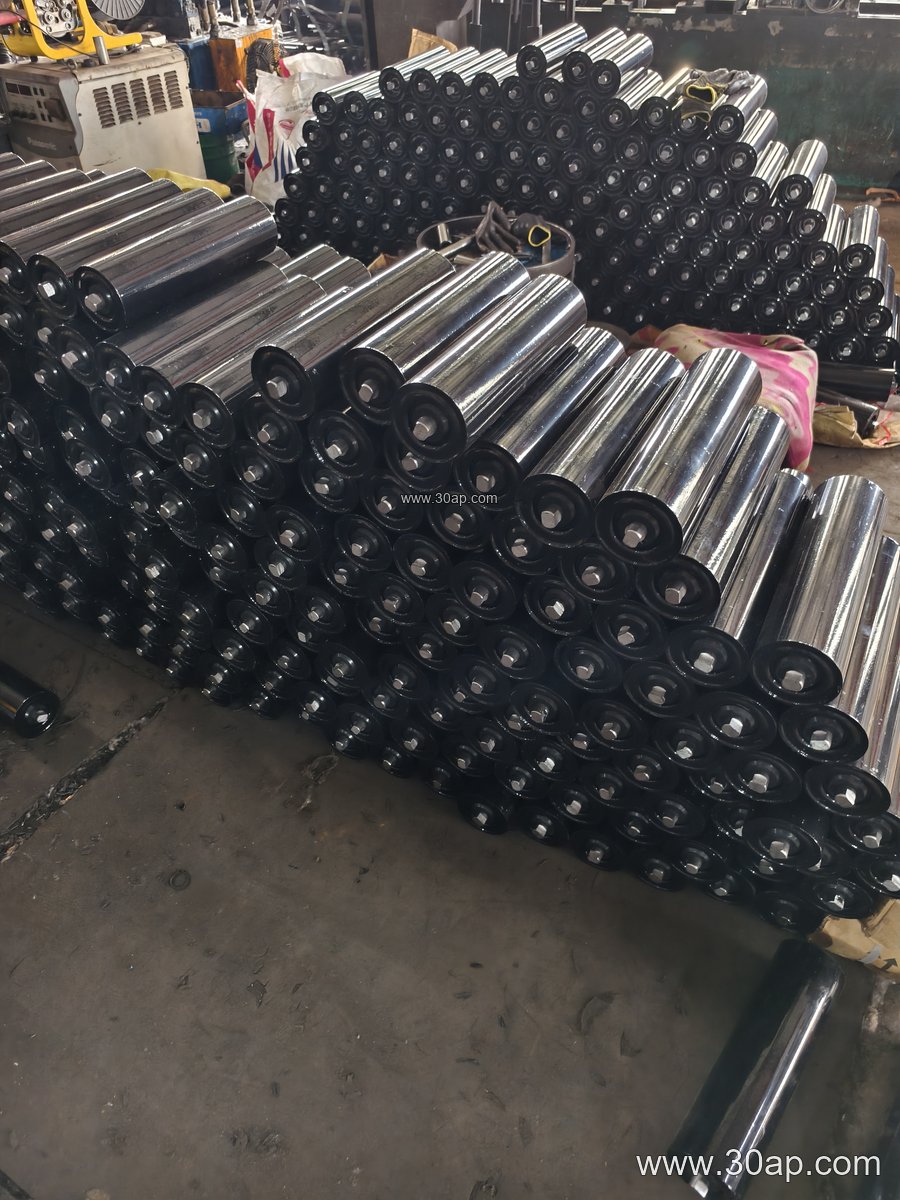
The idler is a simple assembly in principle: a steel tube shell, a shaft, bearing housings, seals, and a bearing set at each end. The shell may be plain steel, nylon-coated, ceramic-covered, or fitted with rubber rings for impact zones. Sealing quality often matters more than the shell material, because grit and fine dust are what shorten bearing life in a sand and gravel line or a limestone crushing circuit.
Where Idlers Sit in a Conveying System
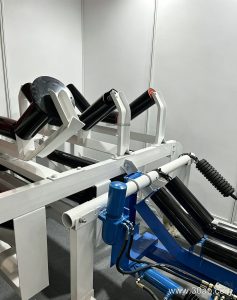
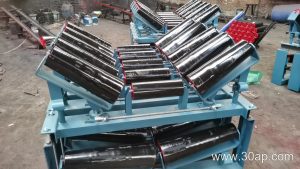
Idlers are grouped by position and duty. Carrying idlers support the loaded strand, usually in a three-roll trough set that shapes the belt into a trough so bulk material stays centered. Return idlers support the empty strand underneath. Impact idlers with rubber rings are placed under the loading point to soften the drop from a crusher or screen. Transition idlers ease the belt from flat to troughed profile near pulleys. Self-aligning idlers correct small tracking errors, and spiral or comb idlers help shed sticky material.
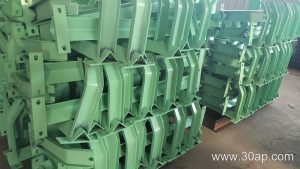
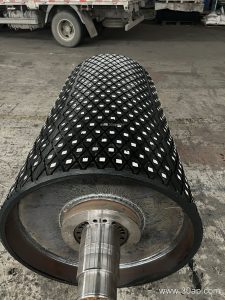
These are not interchangeable with the conveyor pulley at either end. A drive pulley pulls the belt, a tail pulley returns it, and a bend pulley changes its direction. The idler only supports and guides. A conveyor bracket or frame holds the idler in place, so frame spacing and roller dimensions must match the structure.
Common Roller Diameters and Belt Widths
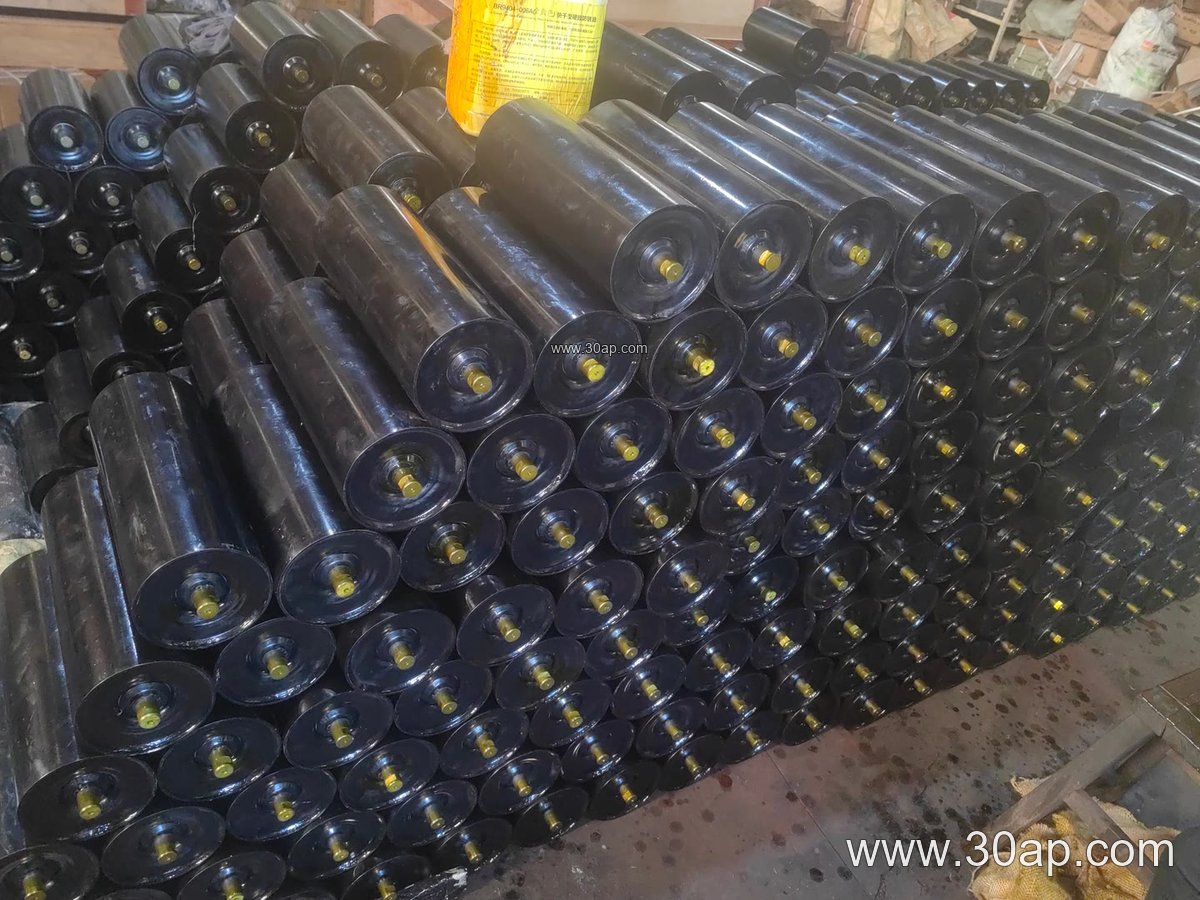
Roller diameter and belt width are selected together with load, belt speed, and trough angle. Typical roller diameters include Ø63, Ø76, Ø89, Ø102, Ø108, Ø127, Ø133, Ø159, Ø178, Ø194, and Ø219 mm. Belt widths commonly run from B400 to B2400, with B800, B1000, and B1200 appearing often in aggregate and coal handling. Trough angles of 20, 30, 35, and 45 degrees are used depending on material flow. The table below gives reference examples only; actual roll length is set by belt width, trough angle, and the idler set configuration.
| Belt Width | Typical Roll Length (three-roll trough) | Common Roller Diameter Range |
|---|---|---|
| B500 | about 200 mm | Ø63 to Ø89 mm |
| B650 | about 250 mm | Ø76 to Ø102 mm |
| B800 | about 315 mm | Ø89 to Ø108 mm |
| B1000 | about 380 mm | Ø102 to Ø133 mm |
| B1200 | about 465 mm | Ø108 to Ø159 mm |
| B1400 | about 530 mm | Ø127 to Ø159 mm |
| B1600 | about 600 mm | Ø133 to Ø178 mm |
| B1800 | about 670 mm | Ø159 to Ø194 mm |
| B2000 | about 750 mm | Ø159 to Ø219 mm |
Bearings such as 6204, 6205, 6305, 6306, 6308, and 6310 are common, but a given roller diameter does not lock in one bearing size. The bearing is chosen from load and speed calculations, not from belt width alone.
Matching Idlers to the Belt and the Job
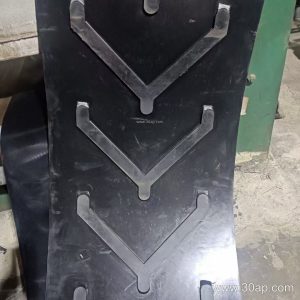
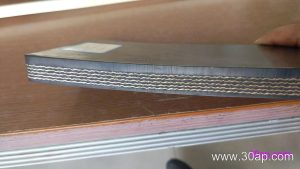
The belt itself influences idler choice. A heavy-duty mining conveyor belt carrying iron ore at high tonnage needs larger rollers and closer spacing than a light aggregate conveyor belt. A heat resistant conveyor belt in a cement kiln area may call for heat-tolerant bearing grease and careful placement away from hot clinker. A flame retardant conveyor belt in an underground coal mining conveyor system is paired with rollers that meet the same fire-safety expectations for the installation. Where a pipe conveyor belt or a corrugated sidewall conveyor belt is used, idler geometry follows the belt profile rather than a standard trough set.
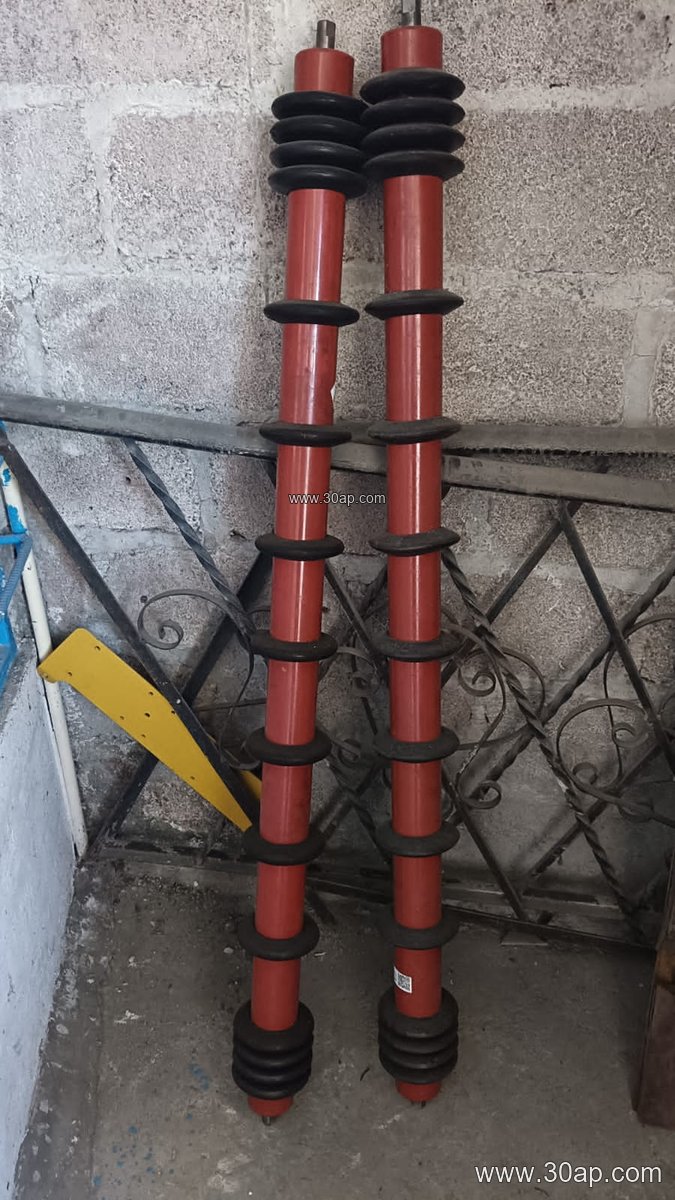
Loading points deserve special attention. Under a crusher discharge, impact idlers with rubber rings reduce shock on the shell and bearings. In a fertilizer or food-grade line, smooth, cleanable roller surfaces and good sealing prevent material build-up. In a port ship loading system, salt air makes seal and coating quality a practical concern.
What Buyers Should Check Before Ordering
- Confirm the roller diameter, shaft end type, and roll length against the existing conveyor bracket and frame.
- State the duty: carrying, return, impact, transition, or self-aligning. Each has a different role and should not be swapped casually.
- Check bearing size and seal design for the dust and moisture level on site.
- Ask about shell wall thickness and coating options such as nylon, ceramic, or rubber rings.
- Keep a small spare stock of the most-used sizes so a failed roller does not stop the line.
Regular inspection pays off. A seized idler can wear through a belt cover quickly, and a misaligned roller can cause edge damage on an EP conveyor belt or a steel cord conveyor belt. Walk the line, listen for squealing bearings, check for material build-up, and replace rollers before they fail. For related components such as conveyor belt, idler roller, conveyor pulley, and conveyor bracket, buyers can review the range at www.beltconveyorspare.com and match each part to the actual conveyor duty.