What the Ø133 Conveyor Idler Does on a Belt Line
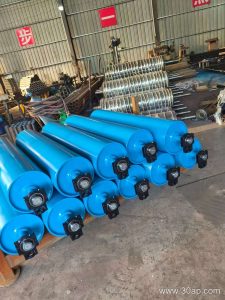
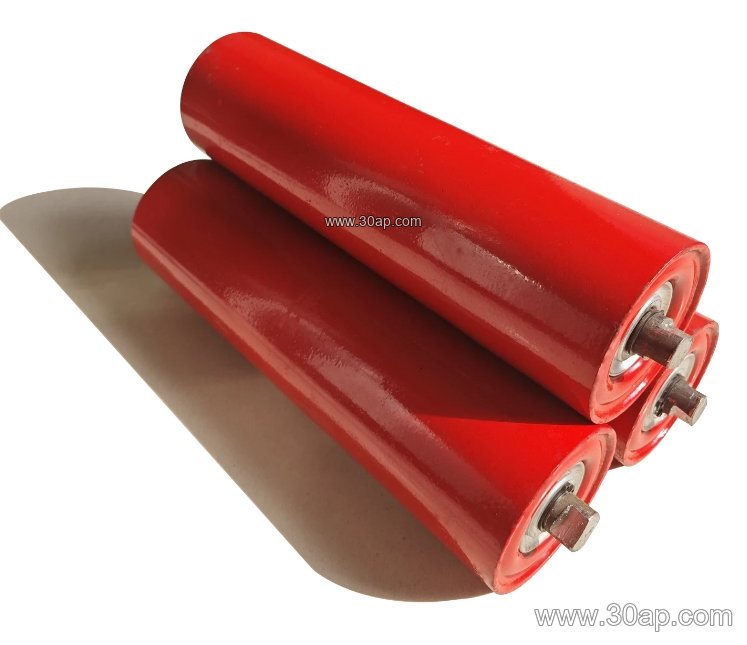
The Ø133 conveyor idler is a carrying or return roller with a nominal shell diameter of 133 mm, used to support the conveyor belt and keep it tracking along the structure. In a typical troughing set, three idlers form the trough that holds bulk material on the belt. The 133 mm diameter sits in the middle of the common idler range, giving a good balance between load capacity, bearing size and rolling resistance. It is often chosen for medium to wide belts where the belt tension and material weight call for a sturdier roller than a Ø108 or Ø127, but where a Ø159 or larger is not needed.
On a quarry conveyor or an aggregate line, the idler roller is a wear part that quietly determines how smoothly the whole system runs. A poorly selected Ø133 idler can cause belt wander, edge damage and extra power draw, so matching the roller to the belt and the duty is worth the effort.
How a Ø133 Idler Is Built
Most Ø133 conveyor idlers use a steel tube shell with pressed end caps, a through shaft and sealed ball bearings. The shell surface can be plain steel, nylon, ceramic or rubber rings, depending on whether the goal is low friction, wear protection or impact cushioning. Bearing selection usually follows the shaft and load: common sizes include 6205, 6305, 6306 and 6308, but no single bearing is tied to one diameter.
- Shell: steel tube, often with a painted or coated finish
- Bearing housing: sealed, grease-retained design to keep dust out
- Shaft: sized by the bracket and load, not by belt width alone
- Seal: labyrinth or contact seal for dusty conditions
In coal mining and cement plants, dust and fines are the main enemies of idler life. A good seal and a well-greased bearing matter more than a thick shell in many cases. Where material falls onto the belt, rubber-ring impact idlers in the same diameter can absorb shock before the load settles.
Where the 133 mm Idler Fits
Troughing idlers in this diameter are common on belts from around B650 up to B1600 and beyond, depending on the load and the idler spacing. A three-roll troughing set with 35-degree trough angle is a frequent choice for sand and gravel, while 45-degree sets may be used where the material is fine and the belt is wide. Transition idlers near the head and tail help the belt move from flat to troughed without stressing the edges.
Return idlers in the same size are often flat or V-shaped and support the empty belt on its way back. In a power plant coal yard or a port ship-loading line, return idlers are exposed to the same dust as the carrying side, so seal quality is just as important there.
Common Sizes and Matching Data
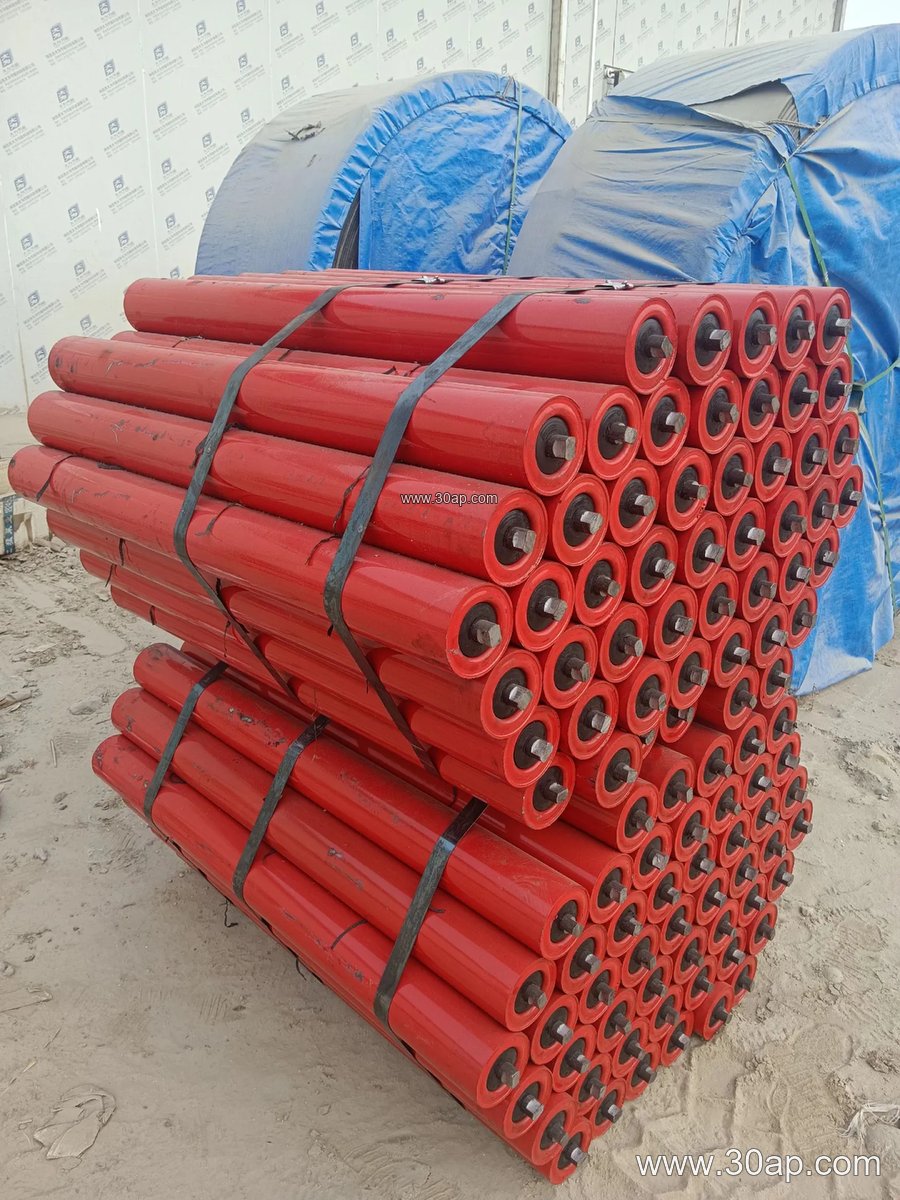
The table below shows typical reference values. Actual roller length and shaft size are set by the conveyor design, belt width and trough angle, so treat these as examples rather than fixed rules.
| Item | Common reference |
|---|---|
| Nominal diameter | Ø133 mm |
| Belt width range | B650 to B1600 (wider by design) |
| Trough angles | 20, 30, 35, 45 degrees |
| Roller length, three-roll trough | About 250 mm (B650), 315 mm (B800), 380 mm (B1000), 465 mm (B1200), 530 mm (B1400) |
| Bearing options | 6205, 6305, 6306, 6308 |
| Surface forms | Steel, nylon, ceramic, rubber ring |
Side rollers and centre rollers can differ in length within one set, so the figures above are only a guide. The conveyor bracket and frame also determine the shaft ends and fixing method.
Buyer Checklist Before Ordering
First, confirm the belt width, trough angle and idler spacing on the drawing. Second, state the material and environment: abrasive ore, wet coal, hot clinker or food-grade product each push the choice of shell and seal in a different direction. Third, check the shaft and bearing arrangement against the bracket, because a Ø133 idler from one supplier may not drop into another frame.
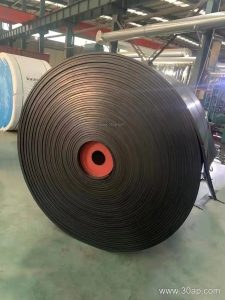
For a long overland or high-tension line, the belt itself affects idler choice. A heavy steel cord conveyor belt or a thick EP conveyor belt needs stable support and low rolling resistance, while a chevron or corrugated sidewall belt may need more careful clearance around the rollers. In dusty coal mining or cement service, flame retardant and anti-static belt grades are often paired with sealed idlers to reduce risk.
Finally, plan a spare-parts stock. Idlers fail gradually, and keeping a few Ø133 rollers plus brackets on site shortens downtime on a crusher conveyor or a ship loader. Buyers who match diameter, bearing and seal to the actual duty get longer service than those who choose on price alone. For related equipment such as conveyor pulleys and idler rollers, check that all rotating parts share a consistent specification.