What a Mining Flame Retardant Conveyor Belt Is
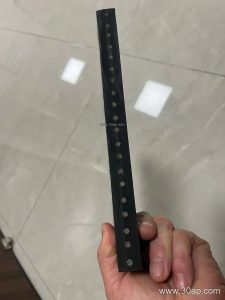
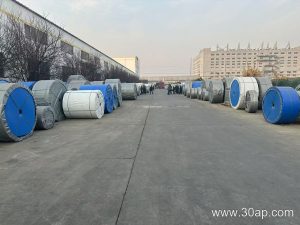
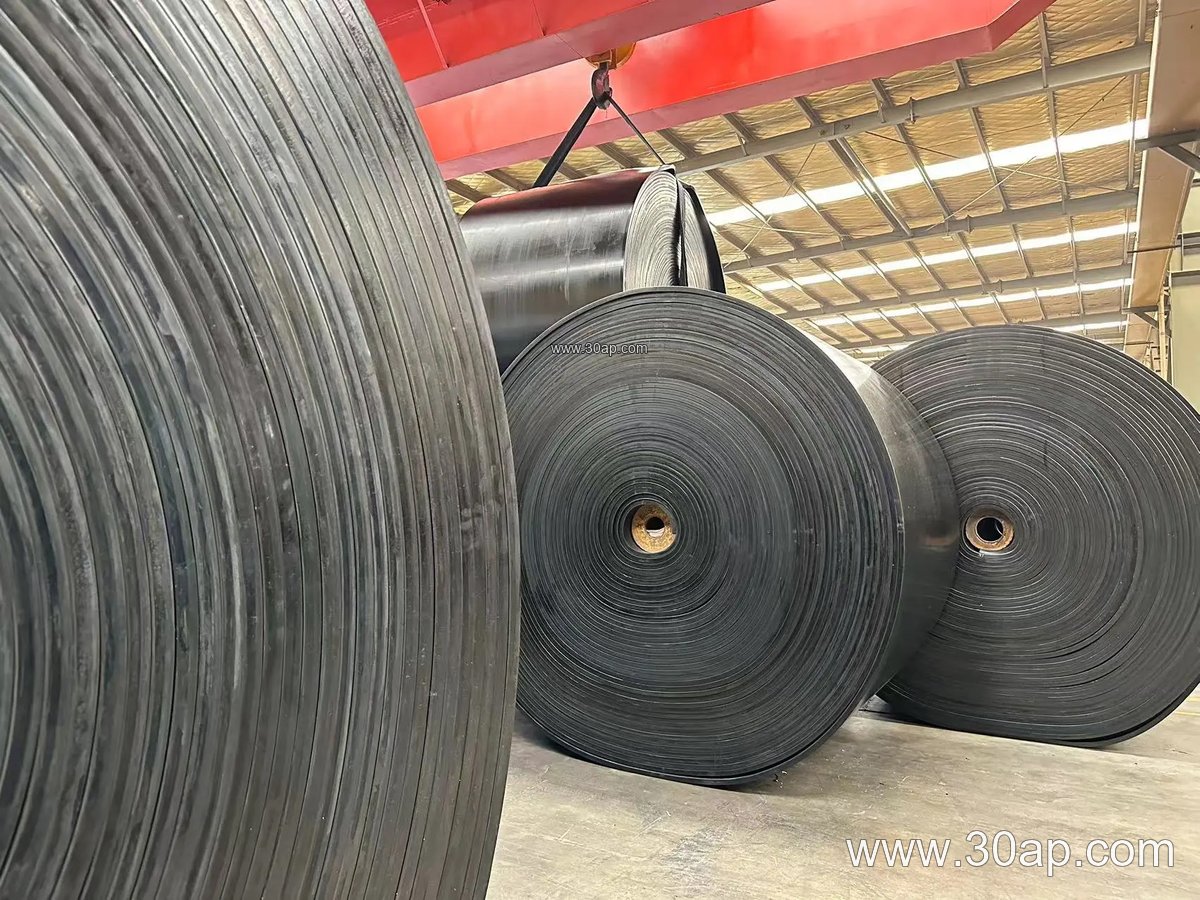
A mining flame retardant conveyor belt is a heavy-duty rubber belt designed to carry bulk material while limiting fire risk in tunnels, transfer houses and stockyard galleries. In coal mining and other combustible-dust environments, the belt is usually specified as a fire resistant conveyor belt because it must resist ignition from friction, hot spots or electrical faults and stop flame from spreading along the carcass. The product is not a single construction. It can be built on an EP fabric core, an NN nylon carcass, a multi-ply fabric core or a steel cord skeleton, and each version keeps the same flame-retardant requirement while serving different tension and impact duties.
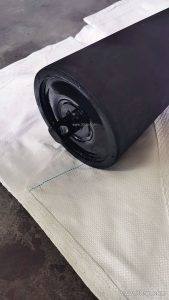
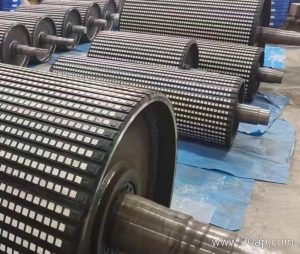
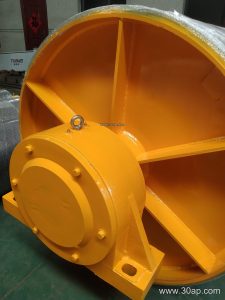
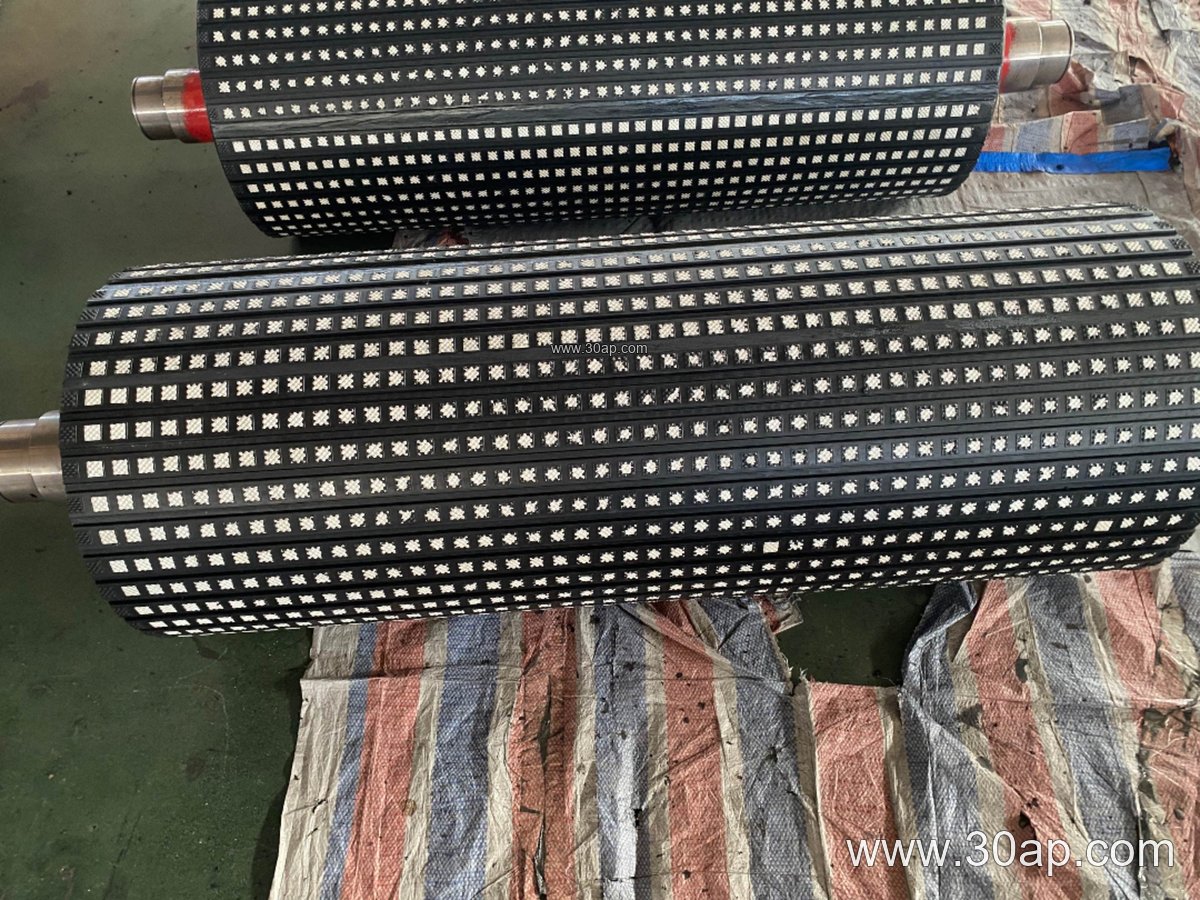
Buyers often meet the same product under several accurate names: flame retardant conveyor belt, fire resistant conveyor belt, and mining fire resistant conveyor belt. These describe one family of belt, not interchangeable hardware. Drive pulleys, tail pulleys and bend pulleys each perform a separate job on the conveyor and cannot be swapped for one another.
Construction and Compound Design
The belt normally combines a textile or steel cord carcass with rubber covers on both faces. The flame-retardant effect comes from the compound formulation rather than from a surface coating, so the property should run through the cover and remain effective after wear. Anti-static behavior is often requested together with flame resistance, because static discharge in a coal or dust atmosphere can itself become an ignition source.
Cover thickness is stated as top plus bottom, for example 4+2 mm, 5+2 mm, 6+2 mm or 8+3 mm, and the carcass may run from 2 to 6 plies in fabric constructions. A typical specification table for this product family might look like this:
- Belt type: EP, NN, multi-ply fabric core, steel cord, PVC or PVG
- Strength grades seen in practice: EP200, EP400, EP630, EP800, EP1000, EP1250, ST1000, ST1600, PVG800S
- Common widths: 650 mm, 800 mm, 1000 mm, 1200 mm, 1400 mm, 1600 mm, 1800 mm
- Cover combinations: 3+1.5 mm, 4+2 mm, 5+2 mm, 6+2 mm, 8+3 mm
None of these values is a universal rule. A 1200 mm belt may run on different pulley diameters depending on the conveyor design, and belt width alone does not fix shaft size. Final figures should come from the conveyor designer and the belt maker’s data sheet.
Where It Fits in Mining and Processing
The main duty is moving coal, ore, aggregate and similar bulk material in underground mining conveyor systems and surface plants. Underground coal mining conveyor belts face the strictest fire-safety expectations, while quarry conveyor belts, crusher conveyor belts and aggregate conveyor belts in sand and stone yards use the same flame-retardant principle where dust and heat are present.
Related industries include cement plants, power plants, steel plants and port loading systems. In a cement plant the belt may carry limestone or clinker, and in a power plant it feeds coal to the boiler house. A heavy-duty mining conveyor belt in these locations often needs abrasion resistance as well, because sharp rock and continuous loading wear the cover quickly. Where material is hot, a heat resistant conveyor belt grade may be combined with flame resistance; where oil or chemicals are present, an oil resistant or chemical resistant grade is considered separately.
Related Conveyor Components
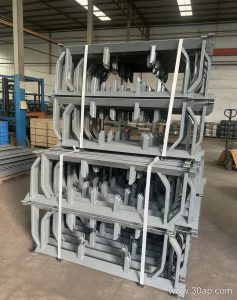
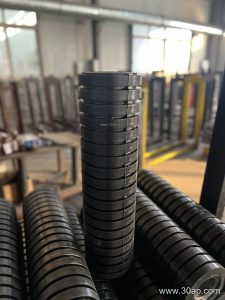
The belt does not work alone. Idler rollers support the loaded strand, conveyor pulleys transmit drive and change direction, and conveyor brackets hold the whole frame in alignment. Poorly aligned idlers or a worn bend pulley can cause edge damage and localized friction, which undermines even a well-made fire resistant belt. Maintenance teams should check roller rotation, pulley lagging and bracket condition together with belt tracking.
Buyer Checklist
Before ordering, confirm the material being carried, the lump size and impact energy, the ambient and material temperature, and whether the area is classified as combustible-dust or gassy. State the required strength grade, belt width and cover thickness, and ask how flame resistance and anti-static performance are tested. Check whether an endless conveyor belt is needed to reduce splice risk, or whether a spliced installation is acceptable on site.
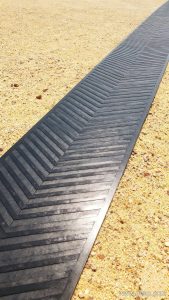
For steep inclines, a chevron conveyor belt or corrugated sidewall belt may be compared with the flat flame-retardant belt, but those patterns are different products and should not replace the main selection without a design review. A skirted conveyor belt or pipe conveyor belt may also be evaluated when spillage or dust control is the priority.
Finally, request the manufacturer’s data for the exact construction, keep spare belt and splicing materials on hand, and record wear at the edges and covers. A mining flame retardant conveyor belt protects the operation only when its fire-resistant properties, mechanical grade and conveyor hardware are matched as one system.