What a Belt Conveyor Bracket Does on the Line
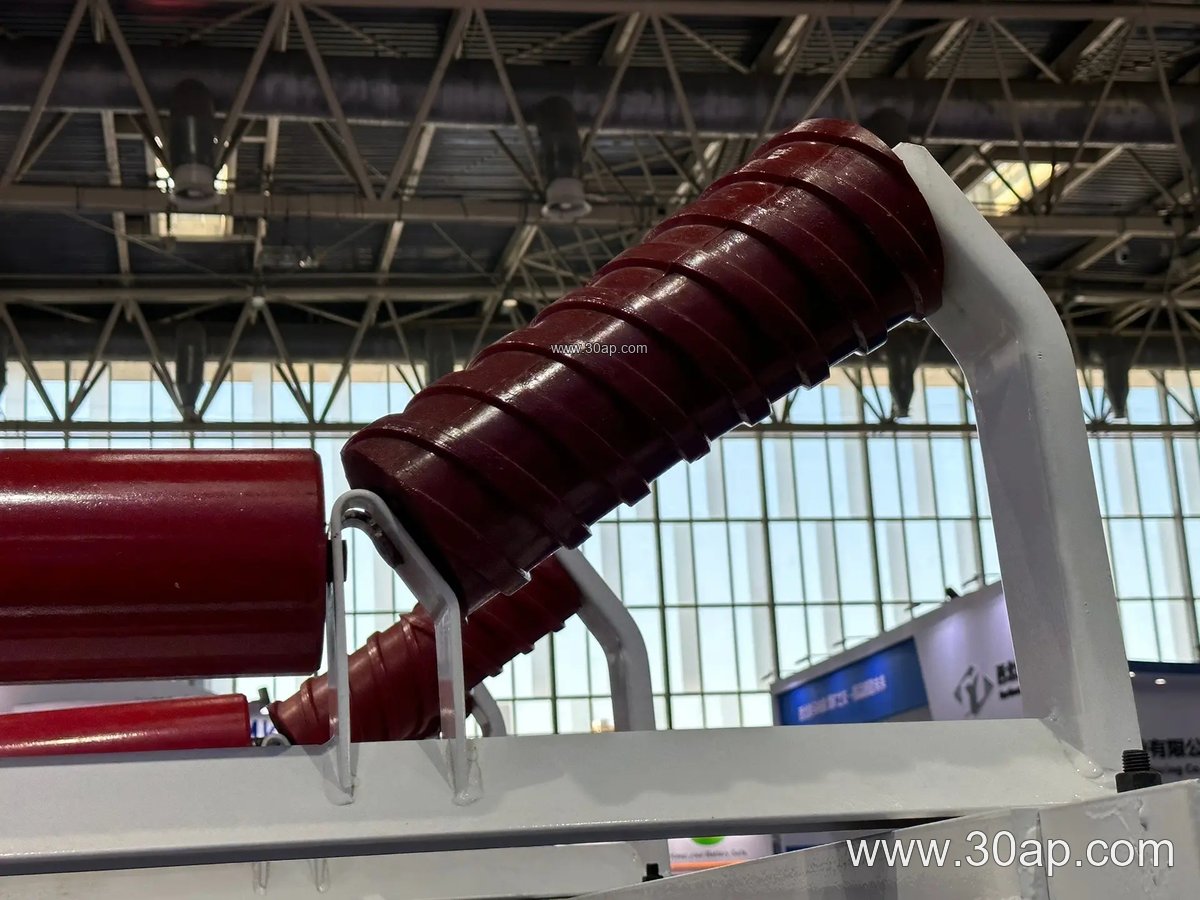
A belt conveyor bracket is the steel frame that holds the idler roller in place and sets the working profile of the conveyor belt. In a limestone quarry or a cement plant, the bracket is often the least visible part of the line, yet it decides whether the belt tracks straight, whether the trough keeps its shape under load, and how quickly a worn roller can be swapped out during a short shutdown. The same component is also called a conveyor idler bracket or idler support frame, and those names describe the same product.
This article looks at how the bracket is built, where it sits, how trough angle and belt width influence the choice, and what a buyer should confirm before ordering.
Construction and Mounting Position
Most frames are fabricated from angle steel, channel steel, or folded steel plate. The crossbeam length and the hole spacing are not fixed numbers; they follow the belt width and the trough angle, so a bracket for a 650mm belt is a different fabrication from one for a 1800mm belt. The bracket is bolted to the conveyor stringer and carries the idler shaft in slotted or fixed seats.
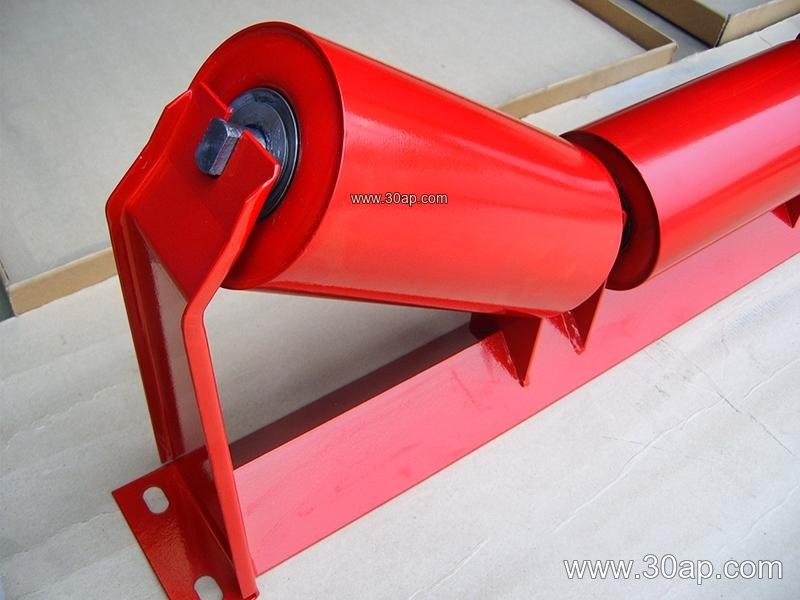
- Troughing bracket: supports three rollers in a trough shape on the carrying side
- Transition bracket: eases the belt from flat to troughed near the head or tail
- Return bracket and V-return bracket: support the belt on the return run
- Impact bracket: reinforced frame under the loading point
- Self-aligning bracket: allows small lateral correction of belt tracking
- Adjustable bracket: lets the trough angle be changed on site
On a coal mining conveyor or a power plant coal handling line, the bracket works together with the conveyor pulley, the frame, and the belt itself. A weak bracket shows up as a sagging trough, a wandering belt, or a roller that will not sit square.
Trough Angle, Belt Width and Roller Diameter
Trough angle is a design decision, not a fixed rule. Common values are 20, 30, 35 and 45 degrees. A wider belt does not automatically mean a steeper trough, and one belt width can be paired with more than one roller diameter. Typical roller diameters include Ø89, Ø108, Ø133, Ø159 and Ø194, chosen by load, belt speed and the bracket seat size.
| Belt width | Common trough angle | Typical roller diameter |
|---|---|---|
| B650 | 20–30 degrees | Ø89 |
| B800 | 30–35 degrees | Ø108 |
| B1000 | 35 degrees | Ø108–Ø133 |
| B1200 | 35–45 degrees | Ø133 |
| B1400 | 35–45 degrees | Ø133–Ø159 |
| B1600 | 35–45 degrees | Ø159 |
| B1800 | 35–45 degrees | Ø159–Ø194 |
Treat these as reference combinations only. The final match depends on the belt tension, the material being carried, and the idler load rating. A heavy-duty mining conveyor belt carrying iron ore at high tonnage will need a sturdier frame than a light aggregate line, even at the same width.
Where the Bracket Is Used
In a sand and gravel plant, troughing brackets keep the belt stable through the crusher discharge and the screening house. In a steel plant sintering line, heat and dust put more demand on the frame and on the heat resistant conveyor belt above it. In a port ship loading system, long spans mean many brackets, and alignment between them matters as much as the strength of any single unit.
The bracket also interacts with belt types. A pipe conveyor belt needs a different support geometry from a flat trough, and a corrugated sidewall belt or skirted conveyor belt may need clearance that a standard frame does not provide. When the belt is an EP conveyor belt or a multi-ply fabric core belt, the trough profile affects how the plies flex; with a steel cord conveyor belt, the frame must hold a consistent line to avoid edge stress.
Buyer Checklist
- Confirm belt width, trough angle and roller diameter as a set, not separately.
- State the mounting hole spacing and crossbeam length required, since these vary with design.
- Ask whether the frame is fixed or adjustable, and whether a forward tilt of about 1.5 to 2 degrees is needed for tracking.
- Check the material and finish against the environment: wet washing plant, dusty coal yard, or hot sinter area.
- Match the bracket to the idler roller seat so rollers can be replaced without modifying the frame.
A bracket is a small line item, but it sets the geometry for the whole conveyor. Getting the frame, roller and belt specification aligned at the order stage avoids tracking problems later. More conveyor component references are available at ppfindustrial.com.