What an Underground Mining Conveyor Belt Has to Do
An underground mining conveyor belt is the load-carrying element of a belt conveyor installed in tunnels, declines, and stopes below the surface. It moves coal, ore, waste rock, and other bulk material from the working face to a shaft, incline, or surface transfer point, often over long distances and through changing grades. Because the belt runs in a confined and sometimes wet or dusty environment, it must combine tensile strength, abrasion resistance, and fire safety rather than excelling in only one property.
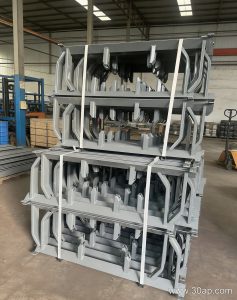
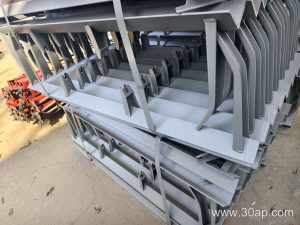
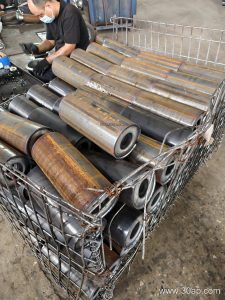
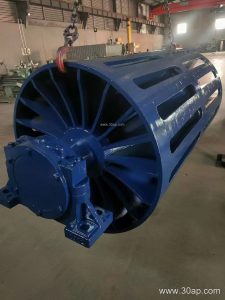
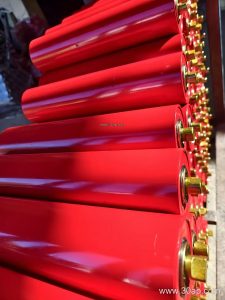
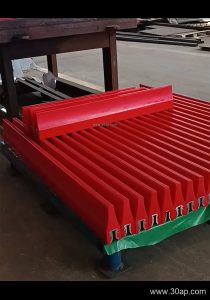
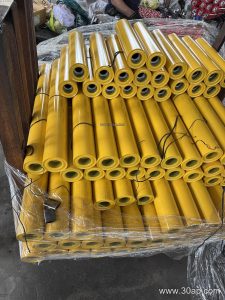
The belt works with conveyor pulleys, idler rollers, and conveyor brackets that support the carcass, guide the belt, and keep it tracking. Drive, tail, and bend pulleys each have a distinct role; they are not interchangeable, and a belt specification should match the whole conveyor layout rather than a single component.
How the Belt Is Built
Most underground installations use a rubber conveyor belt with a fabric or steel cord carcass. In a fabric core conveyor belt, multiple plies of EP (polyester-nylon) or NN (nylon-nylon) fabric carry the tension, while top and bottom rubber covers protect the carcass from impact, abrasion, and moisture. A steel cord conveyor belt uses parallel steel cords for very high strength and long center distances. Common constructions include 2 to 6 plies, with cover thicknesses such as 3+1.5 mm, 4+2 mm, 5+2 mm, 6+2 mm, and 8+3 mm, selected according to load and wear conditions.
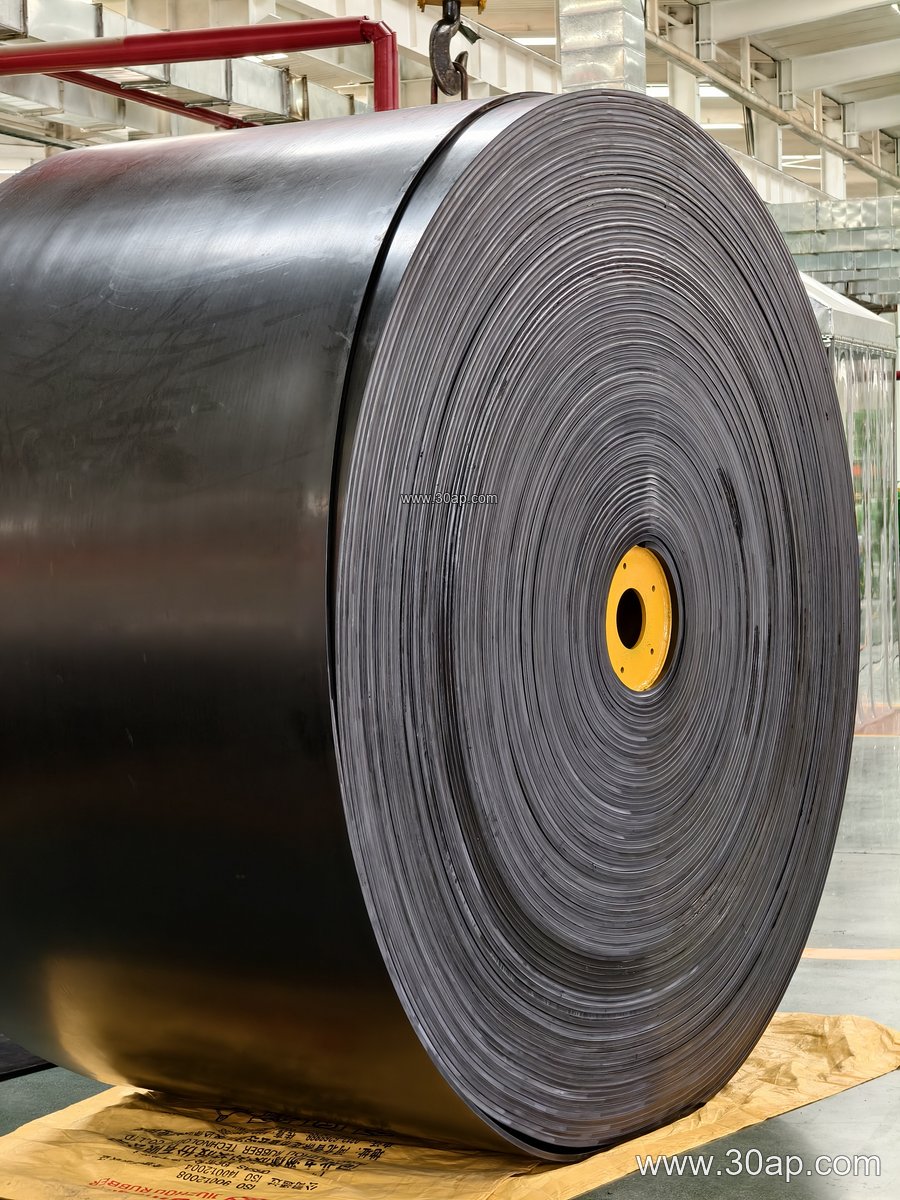
Safety grades matter underground. A flame retardant conveyor belt or fire resistant conveyor belt is usually specified for coal mining conveyor belts, and anti-static properties are often requested alongside them. PVG and PVC conveyor belts are also used in some coal mines where a solid-woven or rubber-covered construction suits the installation. For wet or oily conditions, an oil resistant or cold resistant grade can be considered.
| Property | Typical Options |
|---|---|
| Carcass type | EP, NN, steel cord, PVG, PVC |
| Strength grade | EP200 to EP2000; ST1000 to ST3150 for steel cord |
| Belt width | B500, B650, B800, B1000, B1200, B1400, B1600, B1800, B2000 |
| Cover thickness | 3+1.5, 4+2, 5+2, 6+2, 8+3 mm |
| Special grades | Flame retardant, anti-static, heat resistant, abrasion resistant, oil resistant |
Where It Is Used
Underground coal mining conveyor belts are common in coal seams and development headings, while metal mines use ore conveyor belts for iron ore, copper ore, and other hard-rock material. The same belt family appears in tunnels and inclined shafts at cement plants, power plants, and sand and gravel operations where material must be hauled without trucks. In aggregate and quarry work, a heavy-duty mining conveyor belt with high abrasion resistance is often preferred because sharp rock shortens cover life.
Special profiles solve specific problems. A chevron conveyor belt or corrugated sidewall conveyor belt helps on steep inclines, and a pipe conveyor belt can enclose the material on curves. These are alternatives for particular layouts, not replacements for a standard troughed belt on a normal underground run. Whatever the profile, the belt should be matched to the conveyor pulley diameters and idler roller spacing recommended by the conveyor designer.
Specification and Buying Notes
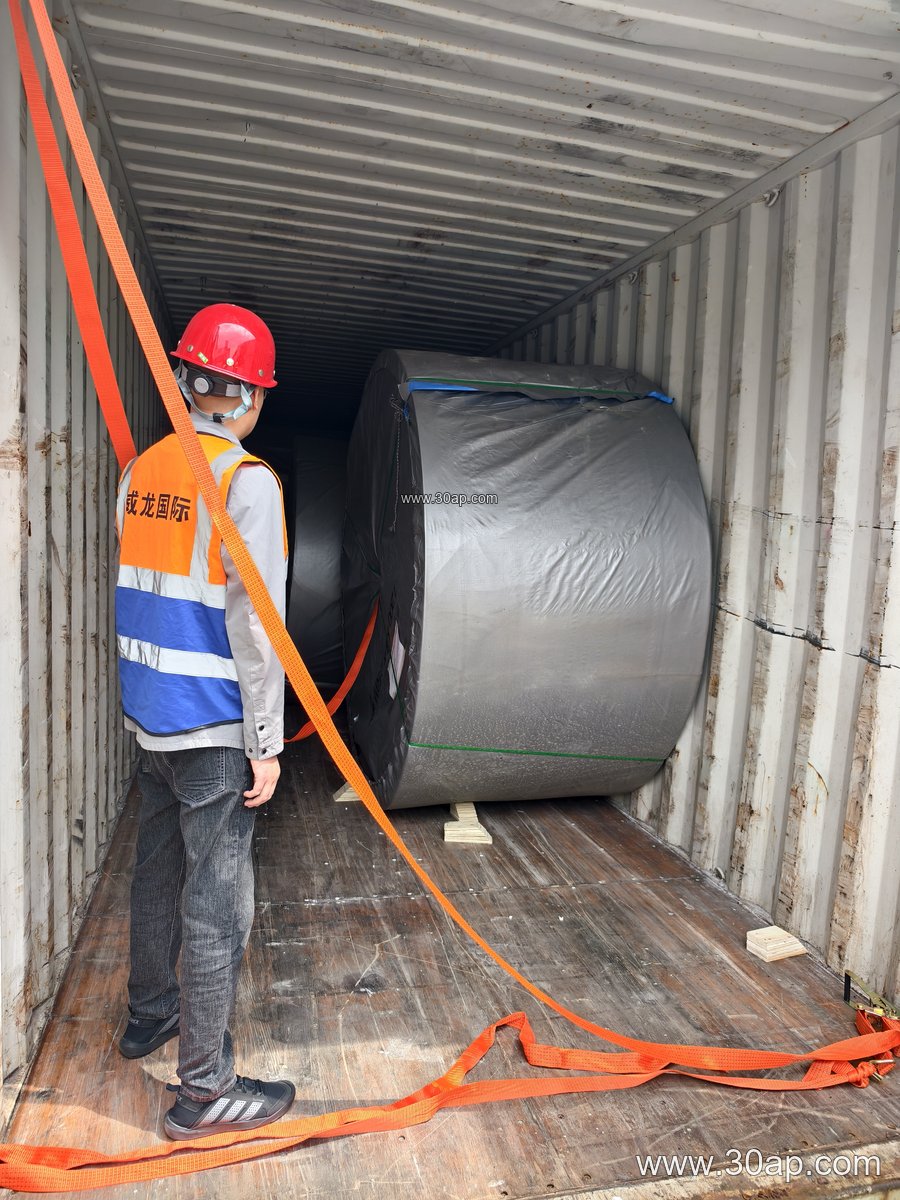
Buyers should start from the duty: material type, lump size, throughput, incline, and the distance between the head and tail. From there, the required strength grade and carcass can be calculated. A 1000mm or 1200mm wide belt is common in main haulage, while 800mm or 650mm may suit gate roads and smaller transfer conveyors. Width alone does not fix pulley diameter or shaft size; those follow the conveyor design, belt thickness, and starting tension.
Ask for the cover grade, ply count or cord pitch, and edge construction in writing. Confirm whether the belt needs an endless splice on site or is supplied in rolls for mechanical fastening. Check that the flame retardant and anti-static performance suits the mine’s ventilation and electrical rules, and that the rubber compound is appropriate for wet, oily, or cold conditions. A sample of the actual cover compound and a clear data sheet are more useful than a generic catalogue claim.
Finally, plan maintenance. Keep idler rollers turning freely, inspect the conveyor pulley lagging, and check belt tracking at the conveyor brackets after each splice. A well-matched underground mining conveyor belt, supported by the right rollers and pulleys, gives the most reliable service life in a mine, cement plant, or power station.