What a Conveyor Equipment Idler Does
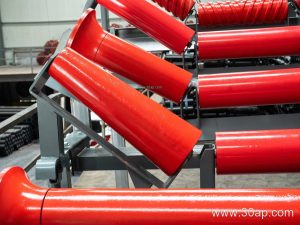
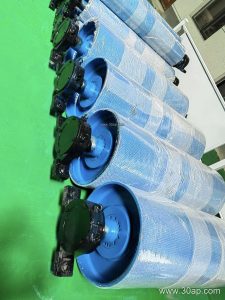
A conveyor equipment idler is the rotating support that carries the belt along its run. In most bulk handling lines, the belt itself is the expensive part, while the idlers are the parts that quietly decide how long that belt lasts. An idler roller holds the belt at the right profile, keeps material centered, and absorbs the load at transfer points. Getting the idler specification right matters as much as choosing the right conveyor pulley at the head and tail.
Idlers appear in quarries, limestone mines, iron ore plants, coal preparation facilities, cement kilns, power plant coal yards, port terminals, and crushing and screening circuits. On a 1200mm wide conveyor belt carrying crushed rock, a few misaligned idlers can cause edge damage within weeks. On a coal mining conveyor belt, a seized roller may rub through the cover and create a fire risk.
How an Idler Roller Is Built
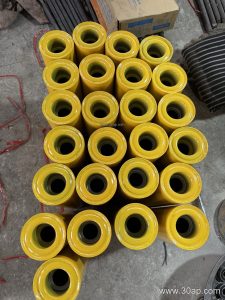
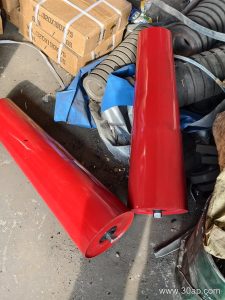
The typical idler roller has a steel tube shell, a shaft, bearing housings at each end, and a sealing arrangement. Bearing sizes commonly used include 6204, 6205, 6305, 6306, 6308, and 6310, matched to load and speed rather than to a single tube diameter. Roller diameters such as Ø63, Ø76, Ø89, Ø102, Ø108, Ø127, Ø133, Ø159, Ø178, Ø194, and Ø219 are common in bulk handling. The shell may be plain steel, nylon, ceramic, or rubber-covered.
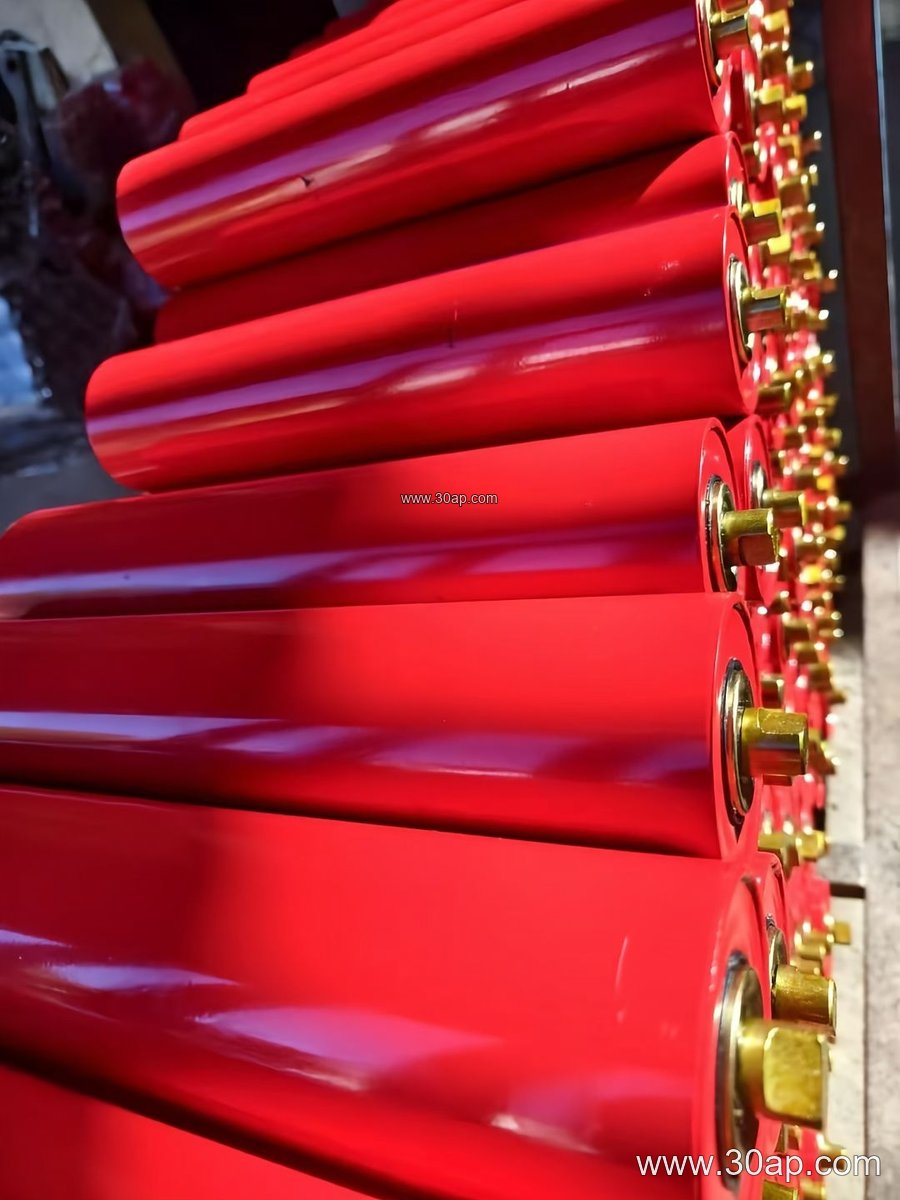
Sealing is the detail buyers often overlook. Labyrinth seals, contact seals, and grease retention systems determine whether dust from a stone crushing line or moisture from a wash plant reaches the bearing. A well-sealed idler in a dusty quarry environment usually outperforms a cheaper roller with a simple seal, even when both look identical from the outside.
Common Idler Types and Where They Sit
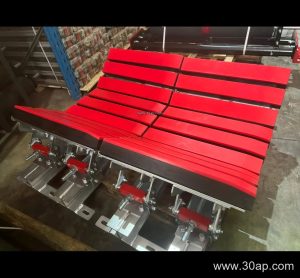
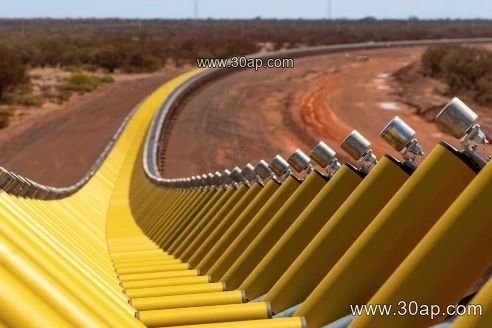
The carrying side normally uses three-roll troughing sets at 20, 30, 35, or 45 degrees. The return side may use flat return rolls, V-return rolls, or spiral rolls that shed sticky material. Impact idlers with rubber rings sit under loading chutes, while self-aligning idlers correct belt drift on long runs. Transition idlers ease the belt from flat to troughed at the head and tail.
| Type | Typical Position | Practical Notes |
|---|---|---|
| Troughing idler | Carrying run | Three-roll sets; trough angle matched to material |
| Impact idler | Load point | Rubber rings absorb lump impact |
| Return roll | Return run | Flat or V-form; spiral versions for sticky fines |
| Self-aligning idler | Long straight sections | Corrects belt wander; often slightly forward-tilted |
Idler length follows belt width, trough angle, and roll arrangement. For a three-roll troughing set, common roll lengths are roughly 200 mm at B500, 250 mm at B650, 315 mm at B800, 380 mm at B1000, 465 mm at B1200, 530 mm at B1400, 600 mm at B1600, 670 mm at B1800, and 750 mm at B2000. These are examples, not fixed pairings; side rolls and center rolls can differ, and the frame design affects the final dimension.
Matching Idlers to the Belt and the Duty
The belt and the idler work as a pair. A heavy-duty mining conveyor belt with a thick cover tolerates rougher idler surfaces, while a thin EP conveyor belt on a long overland run needs smooth, well-aligned rollers. Where material is abrasive, abrasion resistant conveyor belt grades reduce cover wear, but idler spacing and roll quality still control belt life. At hot transfer points in a cement plant or sinter line, heat resistant conveyor belt grades need idlers that will not distort under thermal cycling.
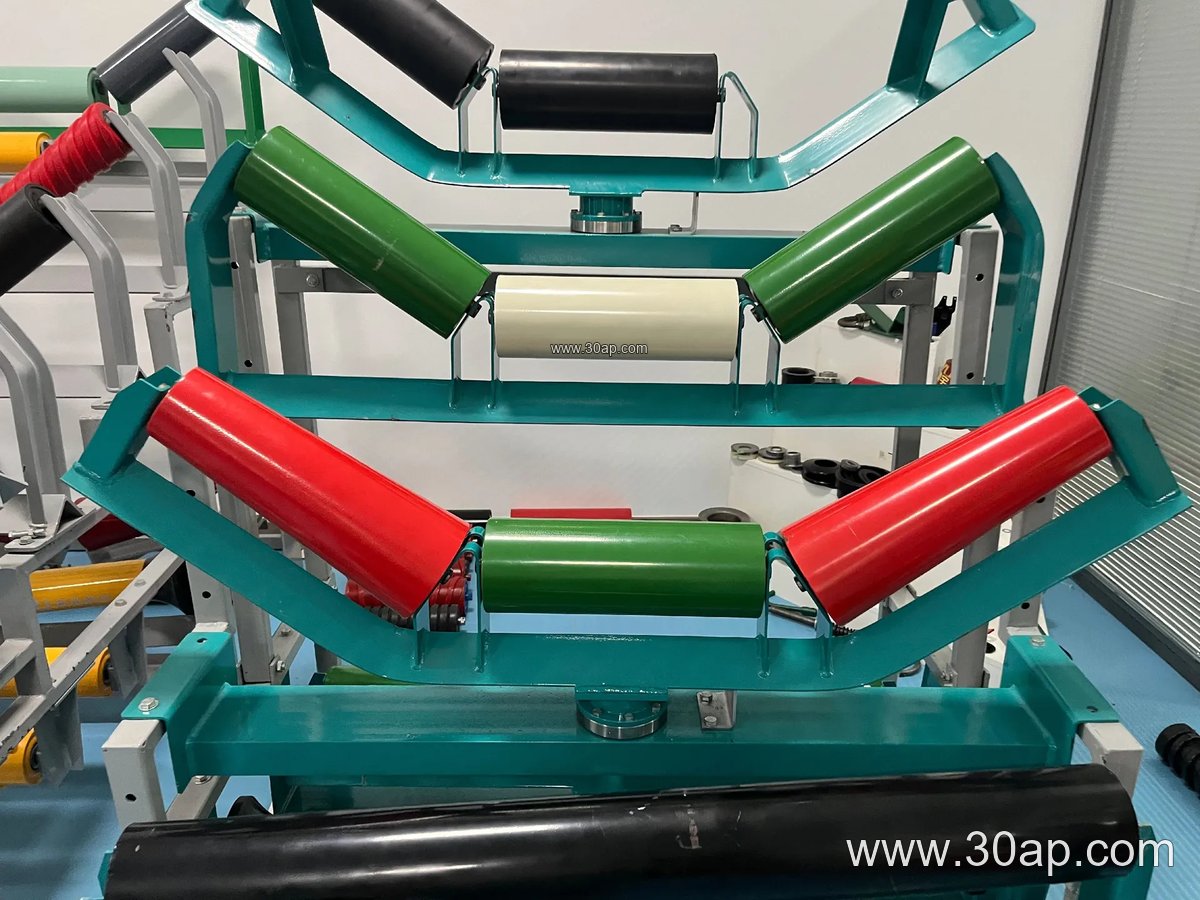
For underground coal mining conveyor belt installations, flame retardant conveyor belt and anti-static conveyor belt properties are usually specified together, and the idler frame should be compatible with the bracket and grounding arrangements. In a port or ship loading system, wide belts such as 1800mm wide conveyor belt or 2000mm wide conveyor belt need idler sets sized for the full load, not scaled from a narrower line.
- Check the load per idler against belt weight plus material weight.
- Confirm the shaft and bearing match the frame and bracket.
- Review seal type against dust, water, and wash-down.
- Set spacing so belt sag stays within the design limit.
- Verify roll diameter clearance under the belt and chute.
What Buyers Should Confirm Before Ordering
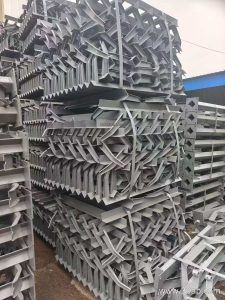
A buyer should ask for the roll diameter, shell thickness, shaft size, bearing model, seal type, and surface form, plus the trough angle and roll length for each position. For a retrofit on an existing conveyor bracket, the mounting dimensions matter as much as the idler itself. Ask how the roller is balanced and whether the end caps are welded or pressed, since these details affect vibration and service life.
Finally, treat idlers as a maintenance item with a schedule. Walk the line, listen for squealing bearings, check for belt drift, and replace seized rollers before they damage the belt. A modest investment in the right conveyor equipment idler, matched to the belt and the site conditions, usually returns far more than it costs in reduced downtime and longer belt service.