What a Conveyor Trough Idler Does
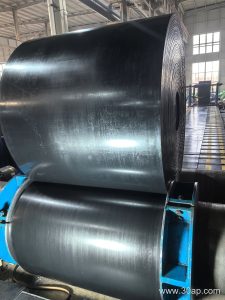
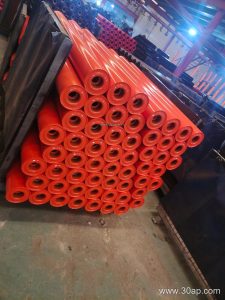
A conveyor trough idler is the carrying-side roller assembly that shapes a flat conveyor belt into a trough. Mounted on a conveyor bracket and spaced along the frame, the idlers support the loaded belt and keep bulk material centered as it travels. In a quarry, a cement plant, or a power plant coal yard, these troughing idlers are often the most numerous wear parts on the whole conveyor line, which makes their selection and maintenance worth attention.
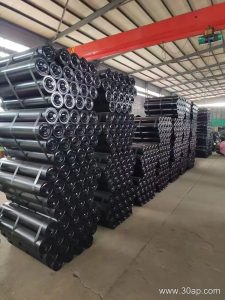
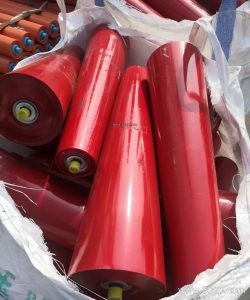
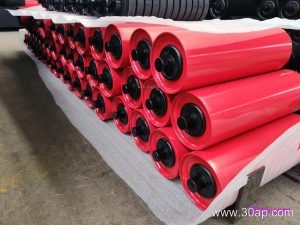
The assembly usually consists of two or three rolls set at an angle. A three-roll troughing set is common on wider belts, with a longer center roll and two shorter side rolls. The angled side rolls lift the belt edges, creating the trough that holds material. Roll length changes with belt width, trough angle, and the number of rolls in the set, so the same nominal diameter can appear in several different roll lengths.
Construction Details That Matter
A typical trough idler uses a steel tube shell fitted over a shaft with sealed bearings at each end. Common bearing sizes include 6204, 6205, 6305, 6306, 6308, and 6310, matched to the roll diameter and load rather than to belt width alone. Sealing is critical in dusty service: fine dust from crushing or screening lines will destroy an unprotected bearing quickly, so labyrinth seals and grease retention features deserve close inspection.
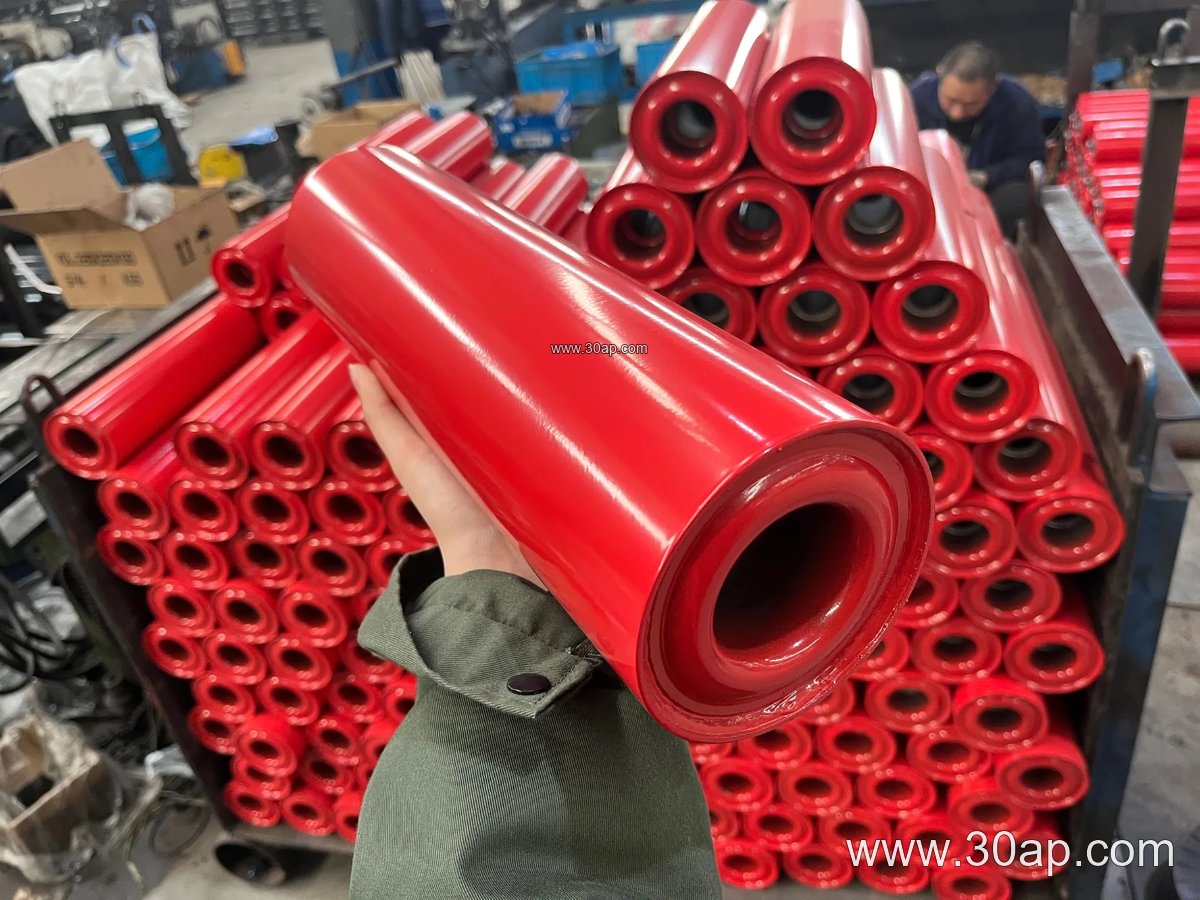
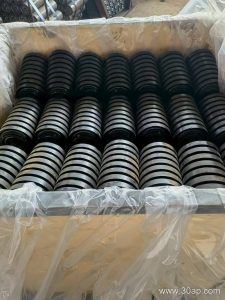
The roll surface can be plain steel, nylon, ceramic, or rubber rings. Rubber rings are often used on impact zones where lumpy ore or rock drops onto the belt, while ceramic or nylon covers may be chosen where sticky material builds up on plain steel.
Common Reference Dimensions
The values below are typical examples, not fixed rules. Final dimensions should follow the conveyor design.
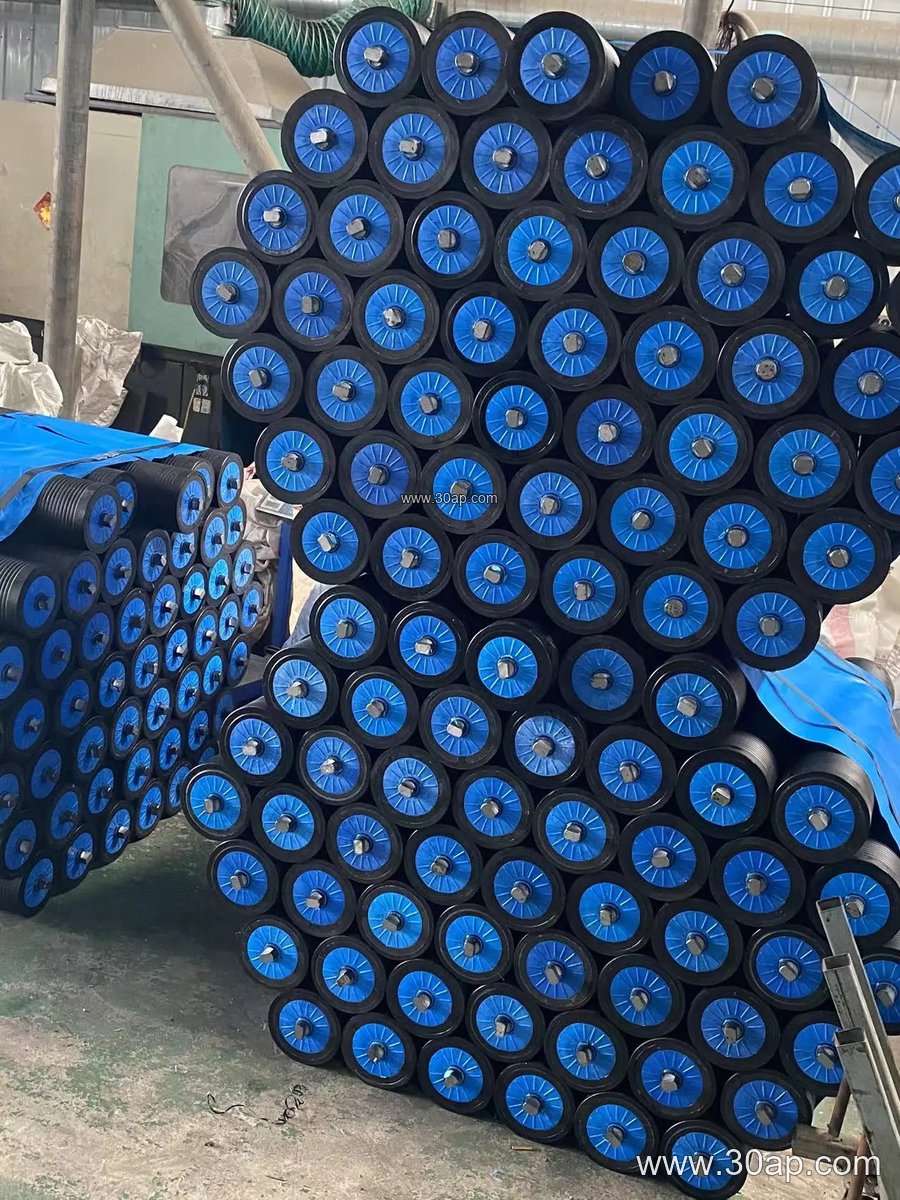
- Roll diameters: Ø63, Ø76, Ø89, Ø102, Ø108, Ø127, Ø133, Ø159, Ø178, Ø194, Ø219 mm
- Belt widths: B400, B500, B650, B800, B1000, B1200, B1400, B1600, B1800, B2000, B2200, B2400
- Trough angles: 20°, 30°, 35°, 45°
- Forward tilt for training: about 1.5° to 2°
As a rough reference, a three-roll troughing set might use a roll length near 200 mm on B500, 250 mm on B650, 315 mm on B800, 380 mm on B1000, 465 mm on B1200, 530 mm on B1400, 600 mm on B1600, 670 mm on B1800, and 750 mm on B2000. Side rolls and center rolls can differ, and these figures should not be treated as mandatory pairings.
Where Troughing Idlers Are Used
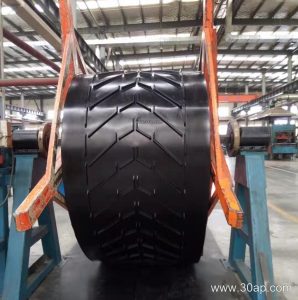
These idlers appear wherever a belt carries loose material. In a limestone quarry or an aggregate line, they support crushed stone between the crusher and the screen. In a coal washing plant or a power plant coal handling system, they carry coal on a flame retardant conveyor belt and must tolerate dust and occasional moisture. In a cement plant, they handle clinker, limestone, and additives on belts that may be heat resistant near kiln areas.
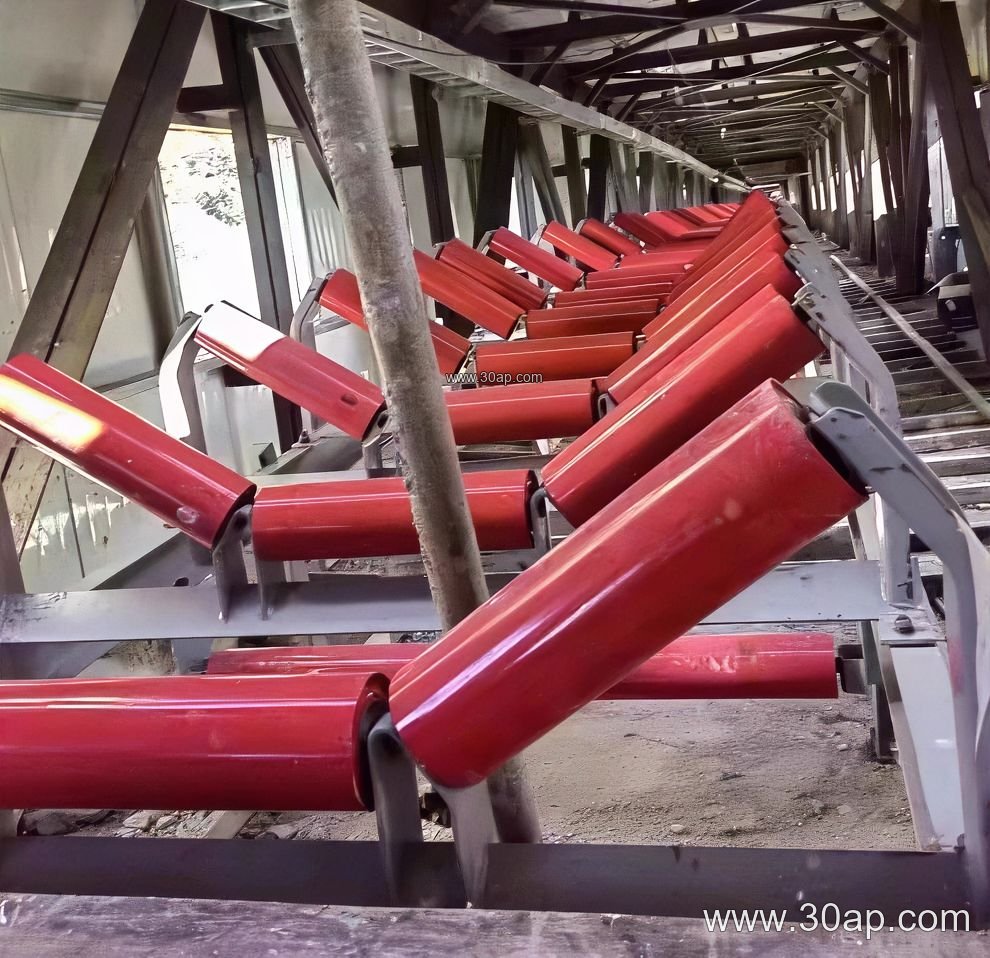
The trough angle affects how much material the belt can hold. A 20° or 30° set gives a shallower trough, while 35° and 45° deepen it for higher capacity. Steeper angles suit free-flowing bulk material but can make the belt harder to train, so the choice should match both the conveyor belt and the material.
Related Components in the Same System
Troughing idlers do not work alone. The belt is driven by a conveyor pulley, guided by return idlers and training idlers, and supported by a frame with a conveyor bracket at each mounting point. Return-side rollers such as a V-shaped return idler or a flat return roller handle the empty belt. On the carrying side, a transition idler may be fitted near a pulley to ease the belt from flat to troughed.
For comparison, a self-aligning idler is used to correct belt drift, while an impact idler is placed under a loading point. Neither replaces the standard troughing idler along the main run; they solve specific local problems. Similarly, a drive pulley, tail pulley, and bend pulley each have their own role and are not interchangeable.
Buyer Checklist
- Confirm belt width, trough angle, and the number of rolls per set.
- Match roll diameter to load and belt speed, not to belt width alone.
- Check bearing size and seal type for the dust and moisture level on site.
- Verify roll length and shaft end dimensions against the existing bracket.
- Consider rubber-ring or impact versions at transfer points.
- Ask for the mounting dimensions so replacement sets fit the frame.
On a mining conveyor belt or an ore conveyor belt carrying abrasive rock, a well-chosen trough idler reduces belt wear and keeps the load centered. On a shorter aggregate conveyor belt, the same principles apply at a smaller scale. Buying on dimensions and duty rather than on a single number is the safest approach.