What a Vertical Roller Is
A vertical roller is a specialized idler roller used in belt conveyor systems to guide and support the conveyor belt along vertical or steeply inclined sections. Unlike standard carrying idlers that sit horizontally, this vertical arrangement is often found in applications where the belt path must change direction or where space constraints call for a compact, vertical support structure. The vertical roller helps maintain belt alignment and reduces friction as the belt moves through the transition zone. In mining, coal preparation plants, and cement plants, vertical rollers are sometimes employed in confined transfer points or in vertical curve sections of the conveyor route.
While the term may sometimes be confused with other roller types, it is important to distinguish it from drive pulleys, tail pulleys, or bend pulleys, which serve entirely different functions. A vertical roller is an idler component, not a drive component. Its primary role is to support the conveyor belt and minimize sag, particularly where the belt runs vertically or at a steep angle.
Construction and Key Components
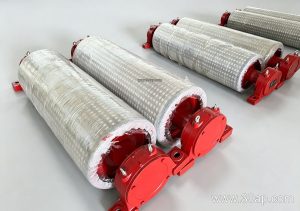
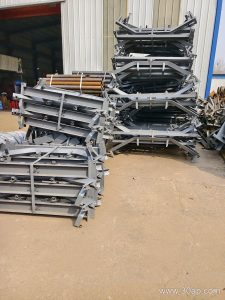
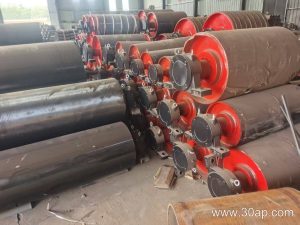
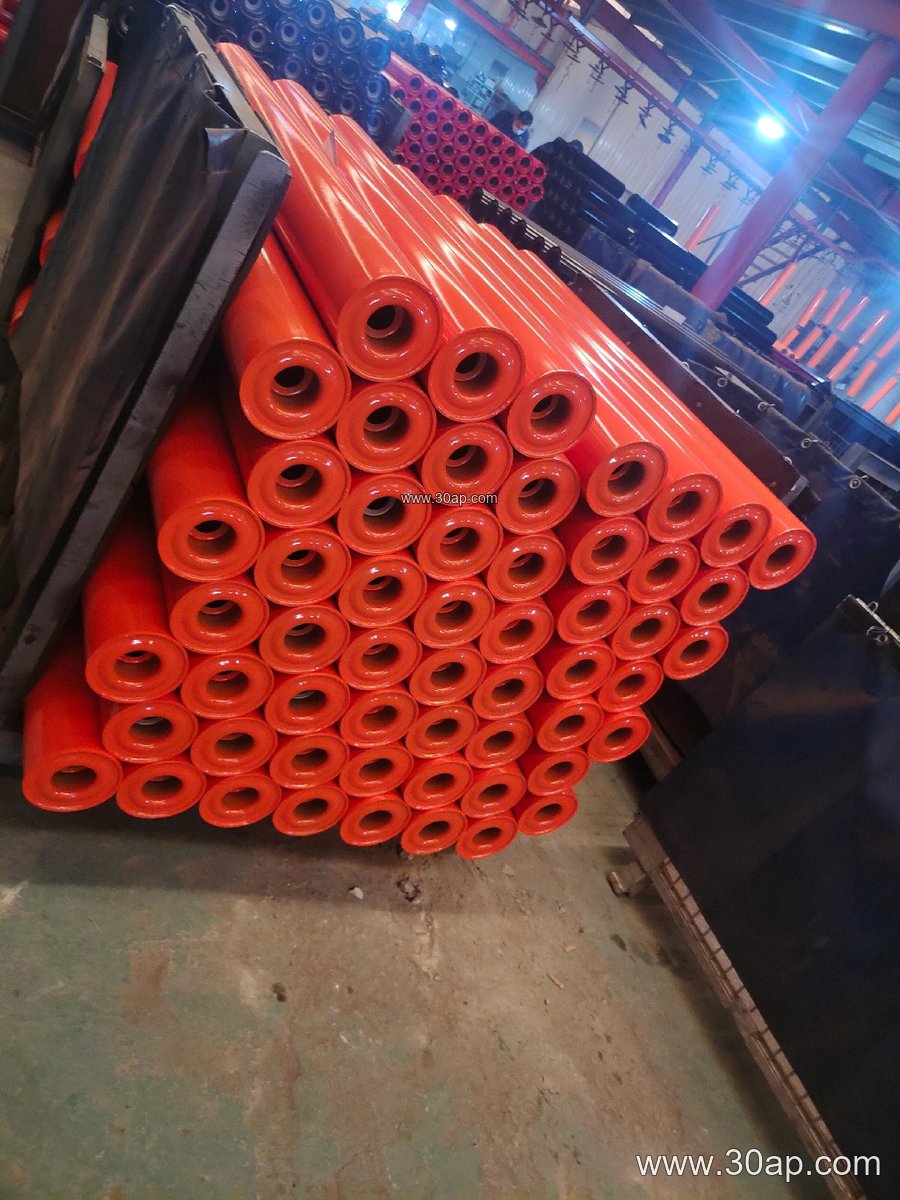
A typical vertical roller consists of a cylindrical shell, often made of steel pipe, with bearing housings at each end. The shell may be plain steel, nylon-coated, or covered with rubber rings for added grip or impact absorption. Bearings such as 6204, 6205, 6305, 6306, 6308, or 6310 are commonly used, selected according to the load and speed requirements of the conveyor. The roller is mounted on a shaft and secured with a bracket or frame that allows vertical positioning.
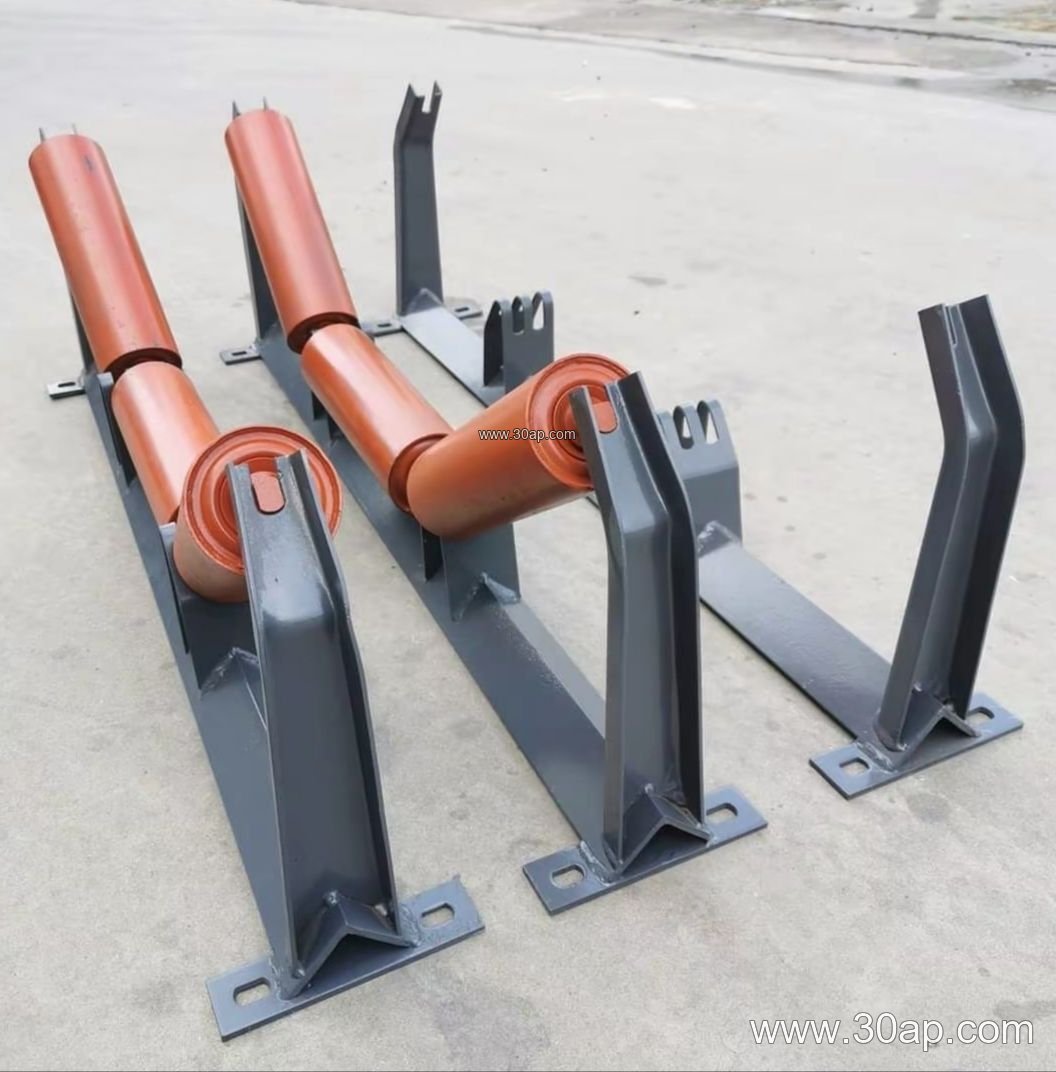
Sealing is critical for vertical rollers because dust and moisture can quickly degrade bearings. Effective labyrinth seals or contact seals are usually specified to extend service life in harsh environments like quarries, coal mines, and power plant coal handling systems. The roller surface may be smooth or textured depending on whether additional traction is needed. In some designs, the vertical roller is part of a larger idler assembly that includes a conveyor bracket for easy installation and adjustment.
Where Vertical Rollers Are Used
Vertical rollers appear in a variety of bulk material handling setups. In underground mining operations, they can help guide the conveyor belt through tight vertical curves or around obstacles. In cement plants, they are sometimes used in the transfer chutes or in vertical sections of the conveyor route where the belt must be kept in line. Aggregate plants and sand making lines may use vertical rollers in compact conveyor layouts where space is limited.
They are also found in port facilities and ship loading systems, where the belt path may include vertical bends to reach different loading points. In these applications, the vertical roller works alongside other idler rollers, such as troughing idlers and return rollers, to ensure smooth belt travel. The choice of roller type and size depends on the belt width, the material being conveyed, and the specific geometry of the conveyor.
Specifications and Selection Considerations
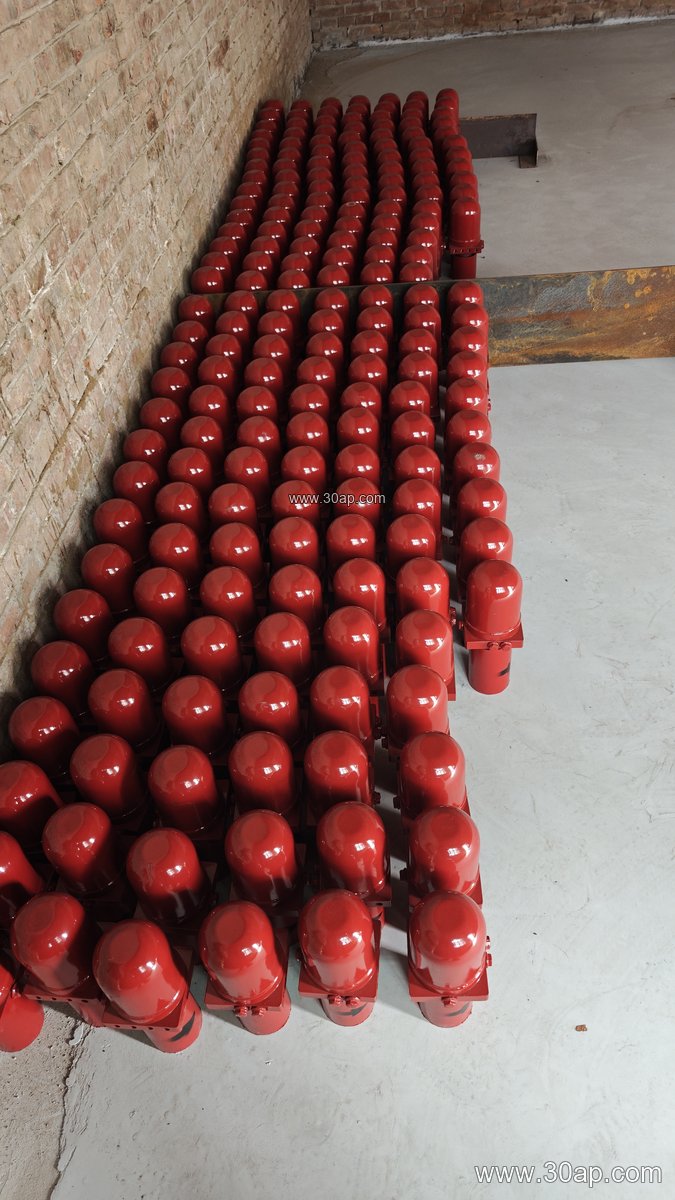
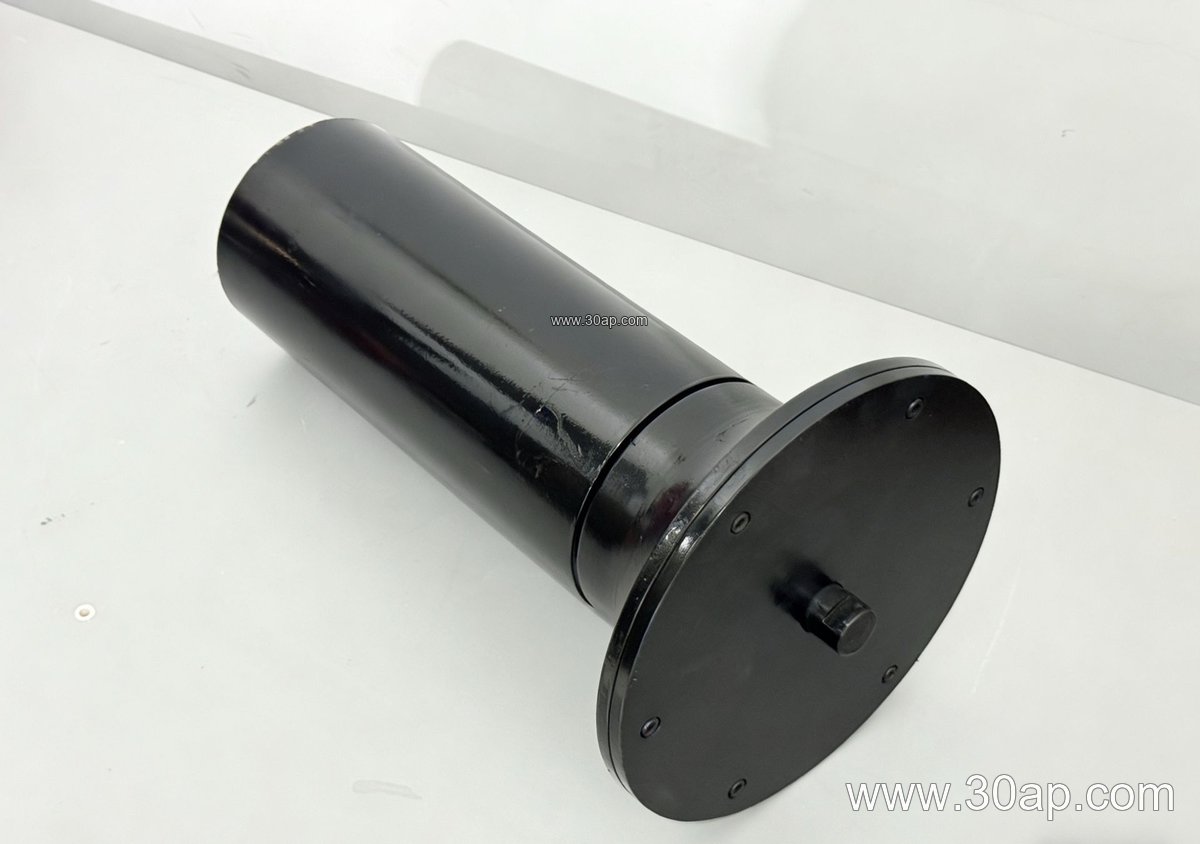
When selecting a vertical roller, several parameters must be considered. The roller diameter is typically chosen based on the belt width and the load carried. Common roller diameters include Ø63, Ø76, Ø89, Ø102, Ø108, Ø127, Ø133, Ø159, Ø178, Ø194, and Ø219 mm. The belt width may range from B400 to B2400, but the vertical roller’s length and mounting arrangement must be matched to the specific conveyor design. The table below provides a general reference for common roller diameters and typical belt width ranges, but these are not fixed pairings and should be verified with the conveyor designer.
| Roller Diameter (mm) | Typical Belt Width Range (mm) |
|---|---|
| Ø63 – Ø89 | B400 – B800 |
| Ø102 – Ø133 | B800 – B1400 |
| Ø159 – Ø219 | B1400 – B2400 |
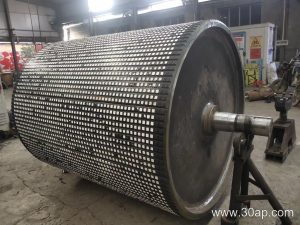
Bearing selection is equally important. Smaller rollers may use 6204 or 6205 bearings, while larger diameters may require 6308 or 6310 bearings. The operating speed and load determine the bearing size and type. The roller surface can be plain steel, nylon, or rubber-covered, with rubber rings offering extra cushioning in impact zones. For high-abrasion environments, such as iron ore or copper ore handling, abrasion-resistant roller surfaces are recommended.
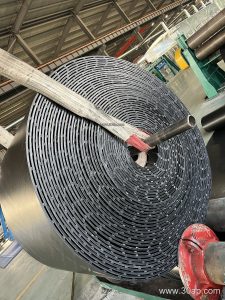
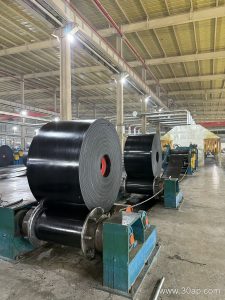
In addition to the vertical roller itself, the conveyor belt specification plays a major role in overall performance. A rubber conveyor belt, EP conveyor belt, or steel cord conveyor belt may be used depending on the tension and load. In coal mining, flame retardant conveyor belts and anti-static conveyor belts are often required for safety. The vertical roller must be compatible with the belt’s characteristics to avoid excessive wear or tracking issues.
Maintenance and Buyer Guidance
Vertical rollers should be inspected regularly for bearing play, seal damage, and surface wear. In dusty environments like coal mines or cement plants, lubrication and cleaning schedules are essential to prevent premature failure. Buyers should request detailed drawings showing the mounting bracket and shaft dimensions to ensure proper fit with the existing conveyor structure. It is also advisable to specify the operating environment, belt speed, and load so the supplier can recommend the appropriate bearing and seal combination.
When comparing vertical rollers with other idler types, note that a troughing idler or return roller cannot substitute for a vertical roller in a vertical application. Each idler type is designed for a specific belt path and load condition. For vertical sections, the vertical roller’s unique mounting and orientation are necessary to maintain belt control. As with any conveyor component, the selection should be based on the actual conveyor design rather than a one-size-fits-all approach.