Setting the Hypothetical Project
Assume a new bulk terminal handling iron ore at 2,200 t/h, 3.6 m/s, 1,200 mm belt, coastal salt spray. We need one drive pulley.
Assumptions and Decisions
- Belt tension: 180 kN (hypothetical).
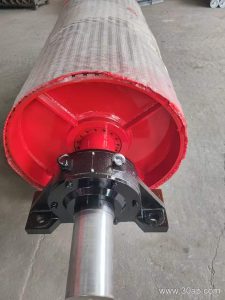
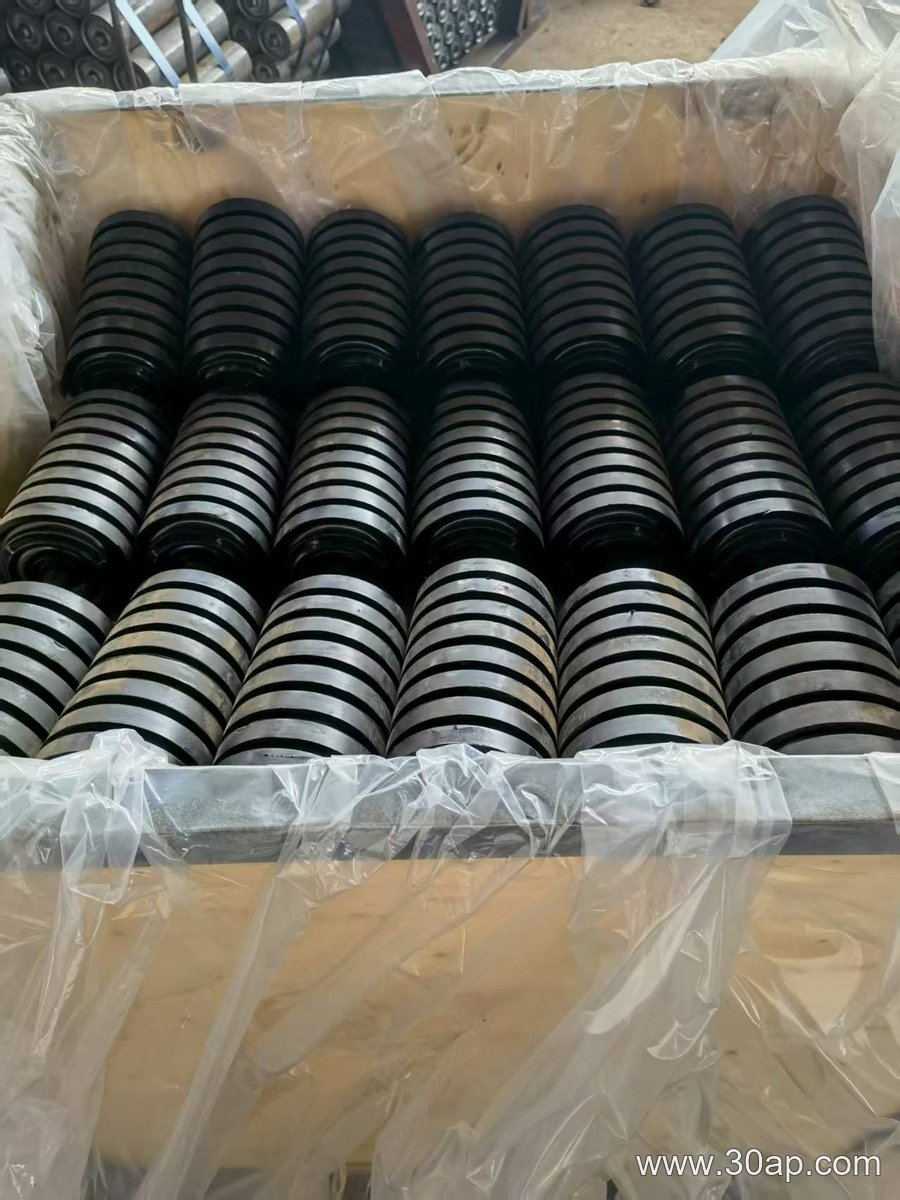
- Use a conveyor belt lagged pulley with 12 mm rubber, grooved for wet grip.
- Choose a head drive pulley with forged shaft, not cast, for torque.
- Seals: labyrinth plus grease purge against fines.
Because salt spray drives corrosion-fatigue, we select a striped lagged pulley only if slip risk is high; otherwise plain lagging. The pulley face width is 1,350 mm to keep belt centered. This is not a catalog recommendation, just a project-specific example.
Specifying a Conveyor Bracket Before You Compare Suppliers
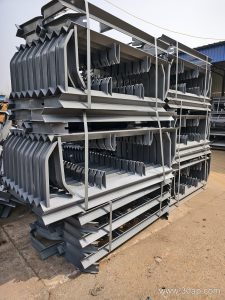
A conveyor bracket order should begin with a written specification, not a price request. Document the belt width, stringer hole pattern, load per bracket, and required finish. For a cement plant, add dust exposure and any heat near the kiln. State tolerances and hole positions clearly so suppliers quote the same part.
Evaluating a Chinese Conveyor Bracket Supplier
Ask for the production route: cutting, forming, welding, drilling, and coating. Request material certificates, dimensional reports, and a sample bracket before mass production. Confirm whether the factory makes the bracket itself or subcontracts the work.
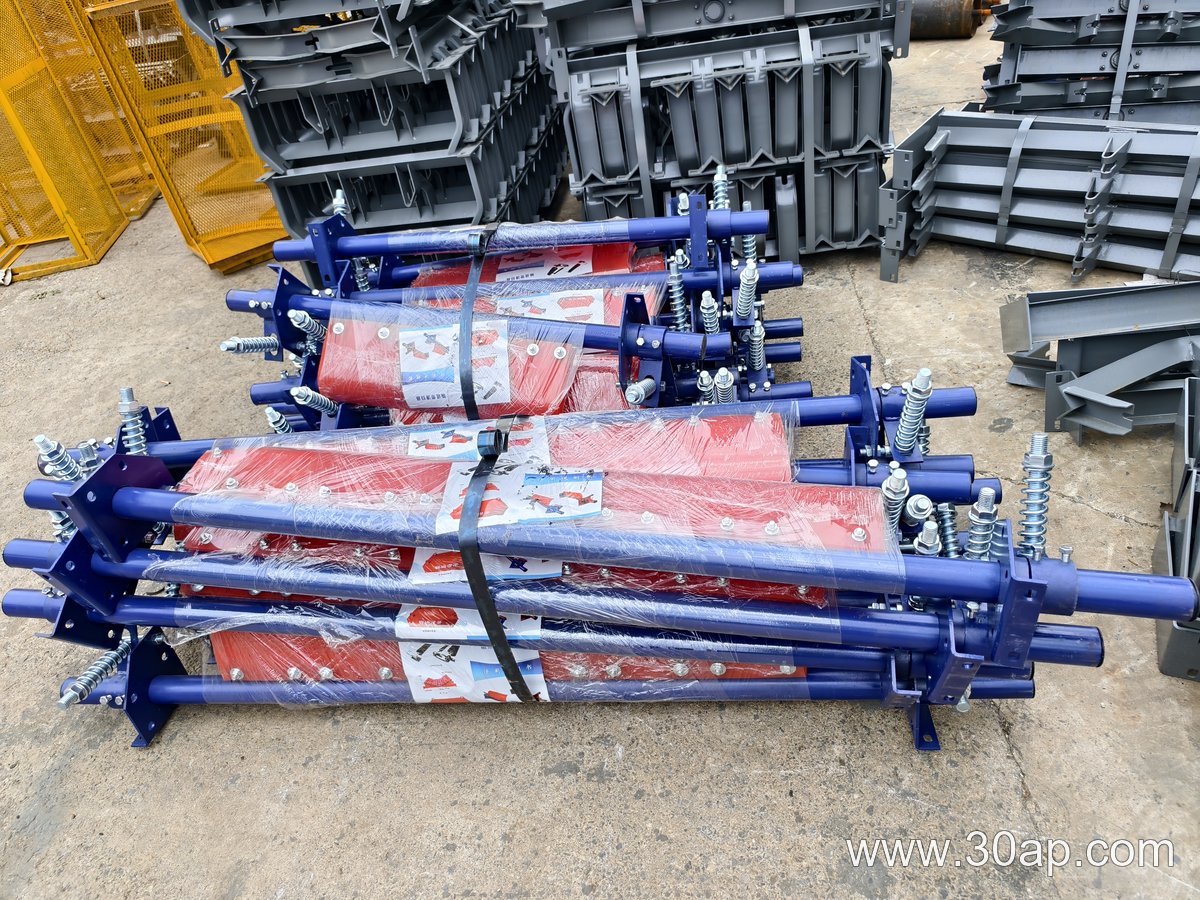
- Check weld quality and hole alignment on the sample.
- Confirm packing protects the finish during shipping.
- Agree on inspection criteria and a pre-shipment check.
Questions to Ask Before Ordering
Can the supplier provide a first-article inspection report? Yes, this should be requested in writing.
Is a trial order wise? A small batch verifies fit and finish before a full order.
Why Does a Wet Outdoor Conveyor Belt Slip?
Slip usually means the conveyor belt is losing grip at the drive pulley, not that the belt itself is worn out. Check these in order: water on the pulley face, insufficient take-up tension, and material buildup.
Checks That Solve Most Wet-Slip Problems
- Dry the drive pulley or fit a grooved lagging that sheds water.
- Verify take-up travel and adjust tension to the manufacturer’s range.
- Clean return rollers and scrapers so wet fines do not polish the belt.
- Confirm the conveyor belt is not overloaded during rain.
Address grip, tension, and cleanliness before replacing the conveyor belt.
Idler Roller Classifications: Matching Construction to Conveyor Duty
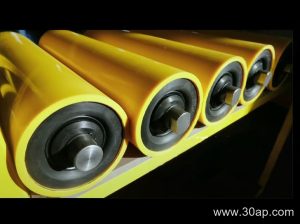
At a bulk-material port terminal, an idler roller is often treated as a generic consumable. In reality, construction and duty determine whether it supports the belt for years or fails within months. This guide groups common idler roller types by build and service condition, explaining when each is appropriate.
Three-Roll Trough Idler
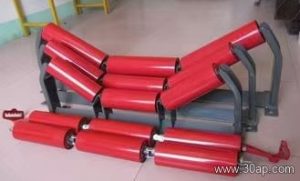
This assembly uses three idler rollers arranged in a trough to cradle the belt and increase material capacity. It suits high-tonnage carrying runs where belt sag must be controlled. Use it on the loaded side of long conveyors handling coal, ore, or aggregate.
Guide Roller
A guide roller is a vertical or angled idler roller that contacts the belt edge to correct misalignment. It is used on the return side or near transfer points where belt drift is likely. Guide rollers are not load-bearing; they steer, not support.
Ø127 Conveyor Idler
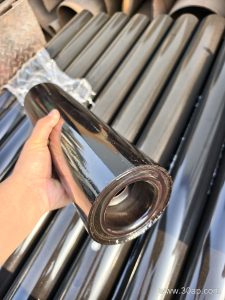
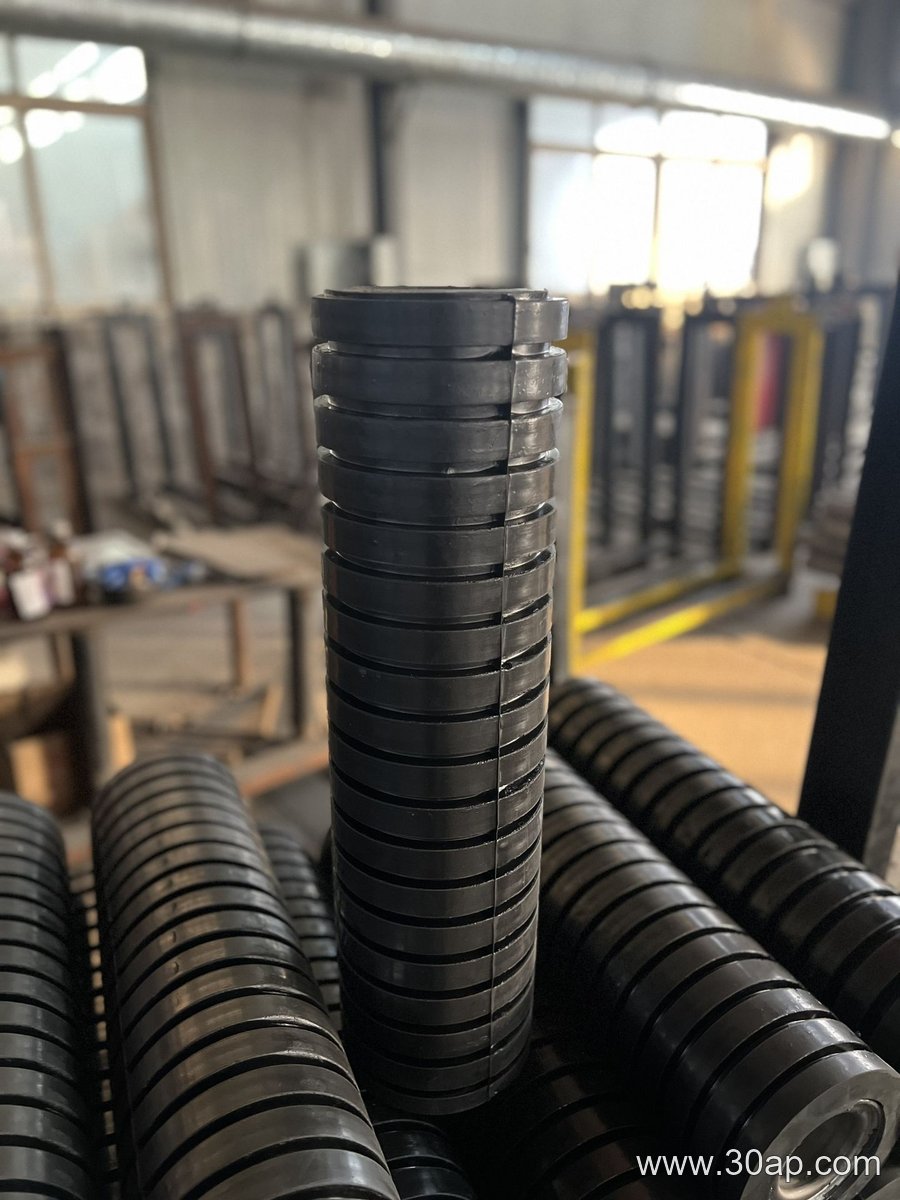
An idler roller with a 127 mm diameter is a common size for medium-duty conveyors. Its larger diameter reduces rotational speed and bearing stress compared with smaller rollers, making it suitable for abrasive or wet conditions. Specify it when belt speed and load require longer service intervals.
Heavy-Duty Impact Idler Roller
Impact idler rollers have thicker shells, shock-absorbing rings, or reinforced bearings. They are placed at loading zones where falling material strikes the belt. Use them where lump size or drop height would damage standard idler rollers.
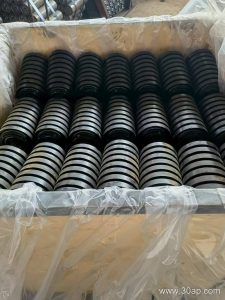
Return Idler Roller
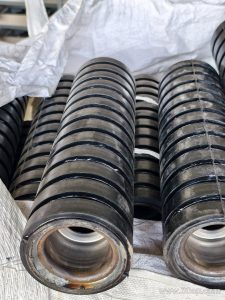
Return idler rollers support the empty belt on the return strand. They are often flat or slightly angled and may include spiral or rubber discs to shed material. Choose them for sticky or wet carryback that would otherwise build up on the roller.