What the Return Idler Bracket Does
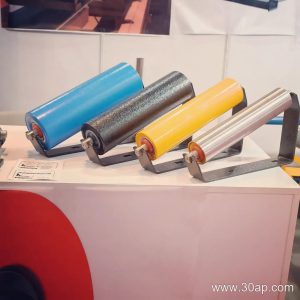
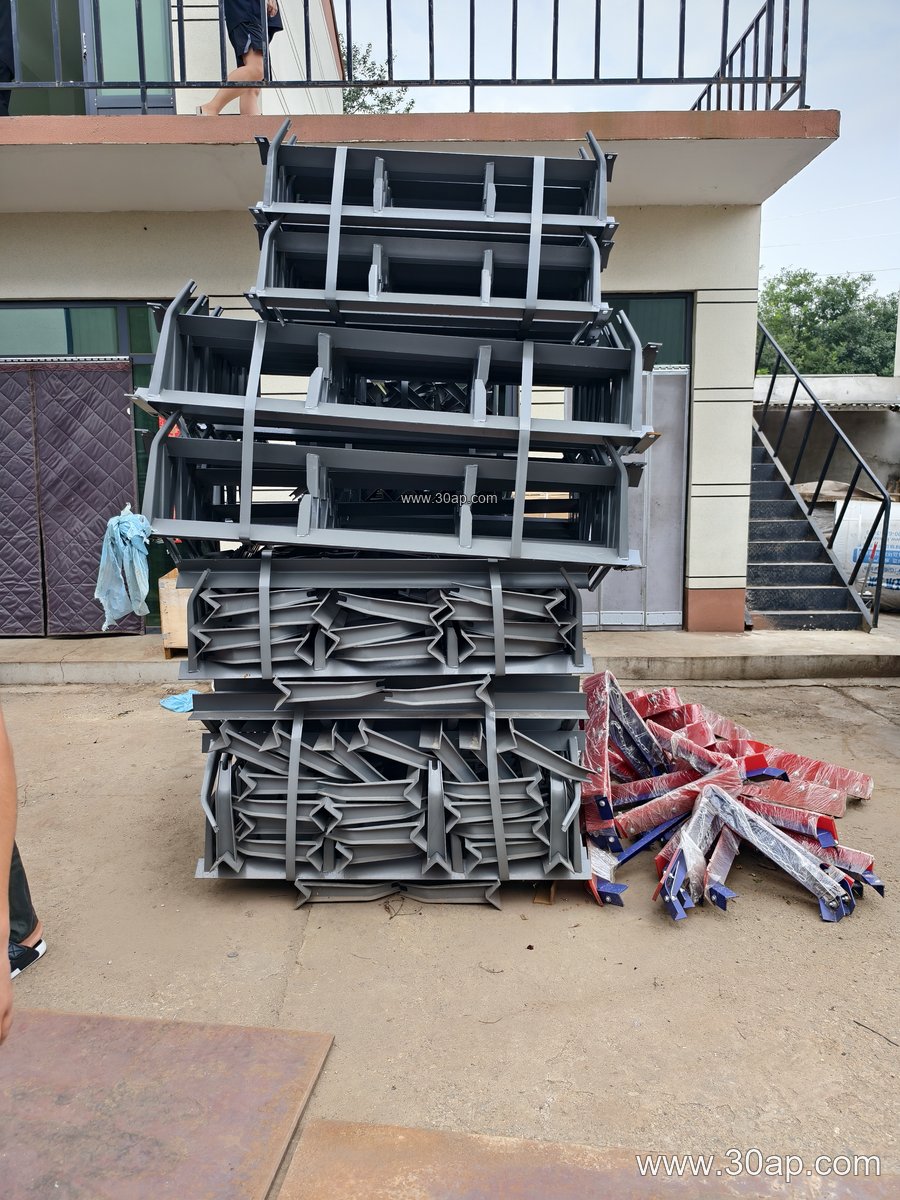
A return idler bracket is the supporting hardware that holds the lower, return-side idlers of a belt conveyor in place. While the carrying side gets most of the attention, the return strand also needs steady support so the belt does not sag, rub, or wander. The bracket keeps each return idler roller at the correct height and spacing, and it ties the roller frame to the conveyor stringer or structure. In a quarry, a cement plant, or a power station coal yard, a loose or worn bracket is often the first sign that the return run needs attention.
Because the return side carries no material load, the bracket is usually simpler than a troughing bracket. Still, it must resist vibration, belt wander, and the constant pull of a moving conveyor belt. A well-matched bracket keeps the return idler roller square to the belt path, which protects both the roller and the belt edge.
How a Return Idler Bracket Is Built
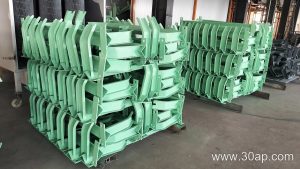
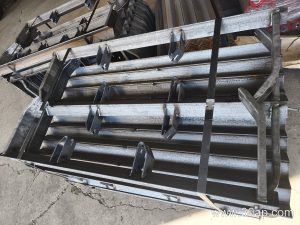
Most brackets are fabricated from angle steel, channel steel, or folded steel plate. The choice depends on the load and the mounting style. Fixed brackets are welded or bolted in a single position. Adjustable brackets allow the roller height or angle to be trimmed after installation, which helps when a belt has to be centered or when the structure is not perfectly level.
Common forms include a flat lower bracket that carries a single return roller, and a V-shaped return bracket that supports two rollers set at an angle to help center the belt. The bracket usually has slotted or drilled mounting holes, and the hole spacing and crossbeam length change with belt width and bracket design rather than following one fixed number.
Typical Reference Combinations
The values below are common reference points, not a fixed rule. A given belt width can work with more than one roller diameter or bracket style, and final choice should follow the conveyor design.
- B650, 30 degree trough, Ø89 return roller
- B800, 35 degree trough, Ø108 return roller
- B1000, 35 degree trough, Ø133 return roller
- B1200, 45 degree trough, Ø133 return roller
- B1400, 45 degree trough, Ø159 return roller
- B1600, 45 degree trough, Ø194 return roller
On the carrying side, the same structure may use a 20 degree, 30 degree, 35 degree, or 45 degree trough angle, and a forward-leaning bracket is sometimes set at about 1.5 to 2 degrees. These are separate from the return bracket and should not be confused with it.
Where Return Brackets Fit in a Conveyor
The bracket sits under the return strand, usually bolted to the conveyor stringer or to a cross member. In a limestone mine or a crushing and screening line, dust and fines collect around the lower frame, so the bracket should allow the roller to be removed without cutting or welding. Bolt-on designs make this easier during maintenance shutdowns.
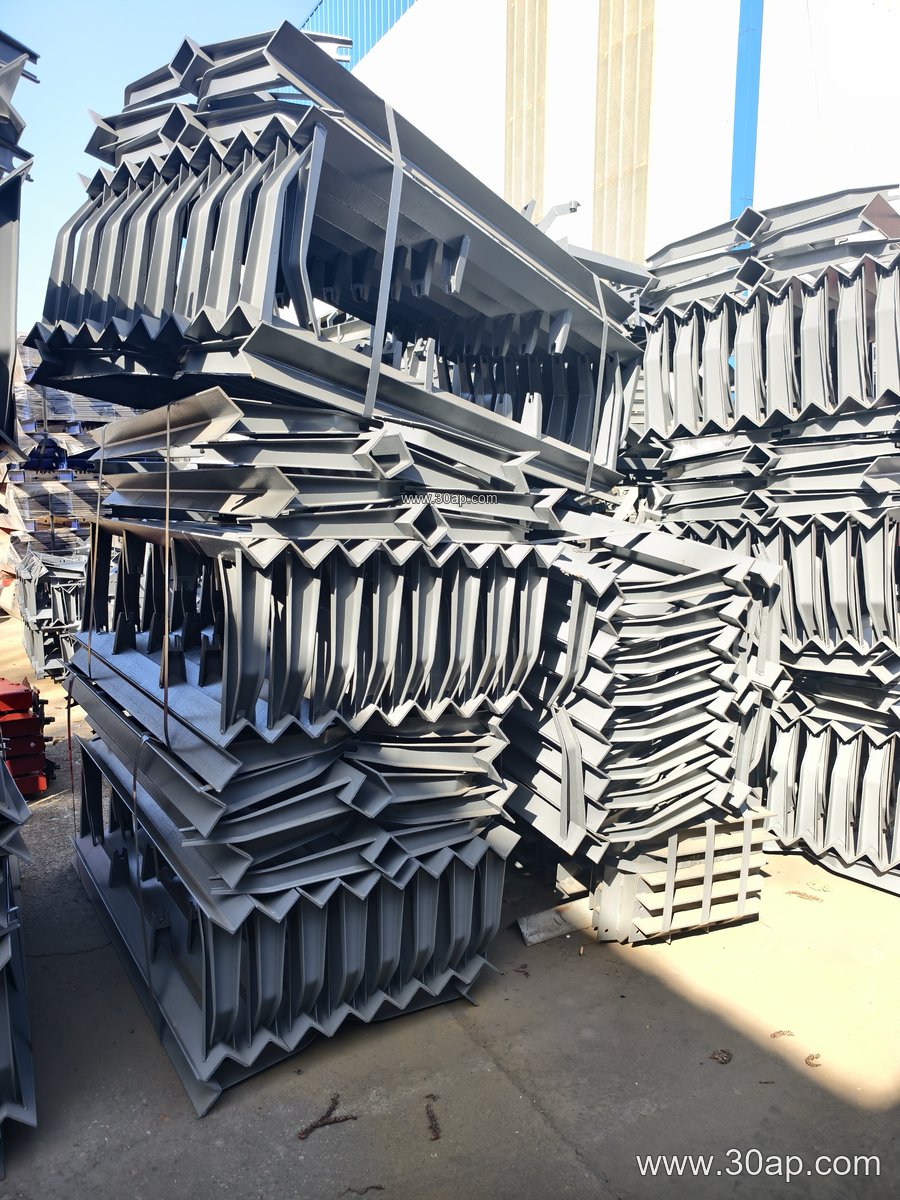
Return brackets also appear in tunnel spoil handling, fertilizer plants, and grain silos. In each case the bracket works together with the conveyor belt, the idler roller, and the conveyor pulley at the head and tail. The drive pulley, tail pulley, and bend pulley are not interchangeable with each other or with the bracket, but all of them share the same frame and must be aligned as a system.
Matching the Bracket to Belt and Roller
Selection starts with the belt width and the return roller diameter. A wider belt, such as a 1200mm or 1400mm conveyor belt, needs a longer crossbeam and more robust bracket than a 650mm unit. Heavy-duty mining conveyor belts and high abrasion resistant conveyor belts often run on larger rollers, so the bracket must carry that weight without flexing.
The belt type matters too. A steel cord conveyor belt, an EP conveyor belt, or a multi-ply fabric core conveyor belt all track differently, and a V-return bracket can help center a belt that tends to wander. In coal mining, a flame retardant conveyor belt or fire resistant conveyor belt is common, and the bracket material should suit the same environment. For abrasive ore, an abrasion resistant conveyor belt paired with a sturdy return bracket reduces downtime.
Buyer Checklist
- Confirm belt width and return roller diameter before ordering.
- Ask whether the bracket is fixed or adjustable.
- Check mounting hole spacing against the existing stringer.
- Match material and finish to the site, such as dusty or wet conditions.
- Confirm the bracket suits flat or V-return roller layouts.
- Keep spare brackets on hand for shutdowns.
For buyers sourcing through a supplier site, it helps to compare the return idler bracket with the conveyor bracket range and the idler roller line together, so the frame, roller, and belt are chosen as one set. A small bracket is easy to overlook, but it is what keeps the return run quiet, straight, and reliable.