What a Carbon Steel Pulley Is
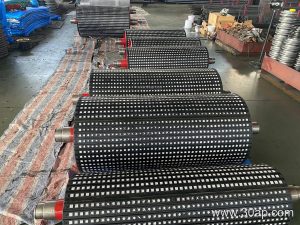
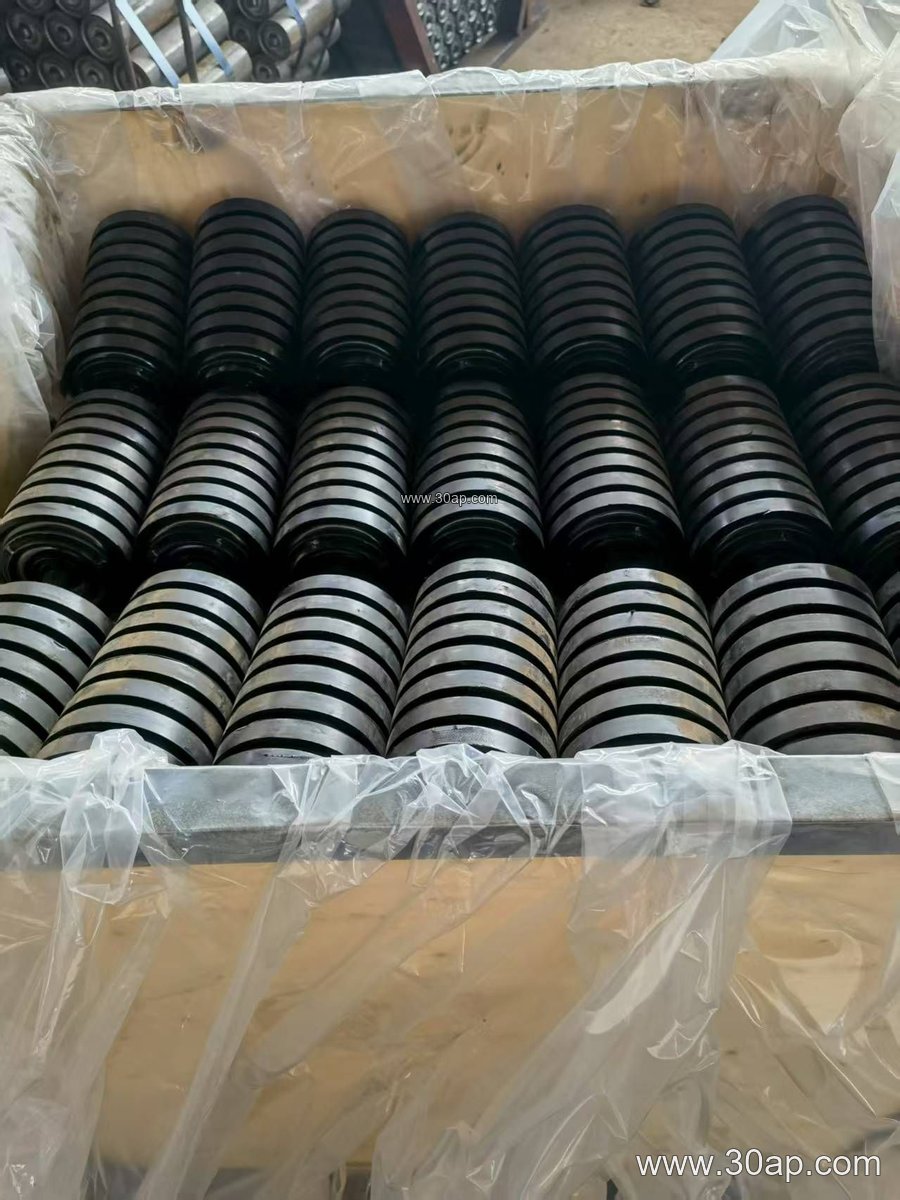
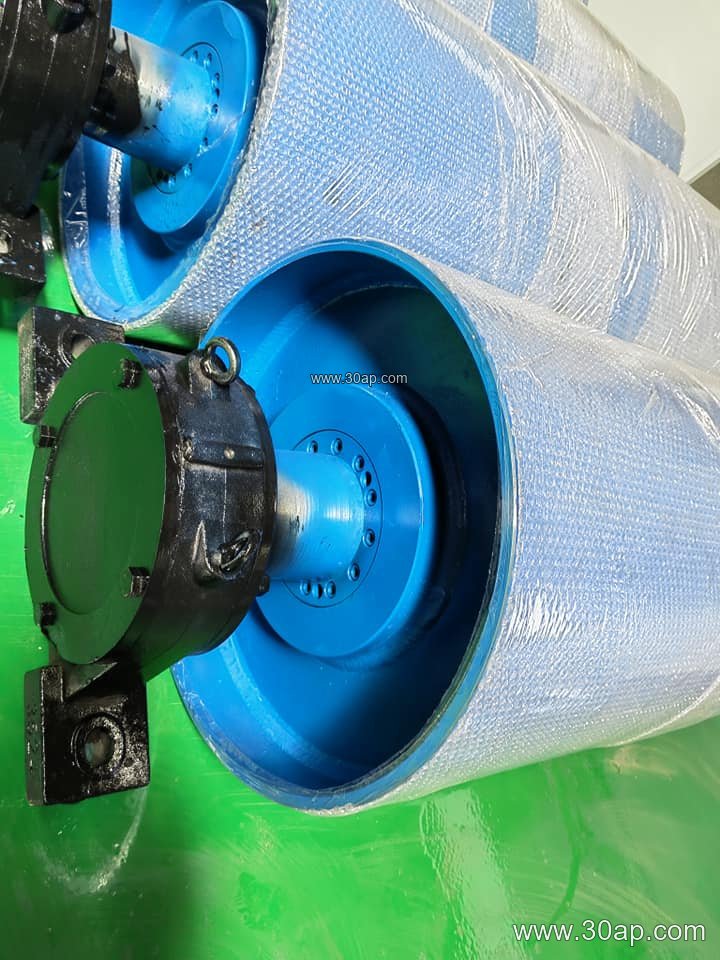
A carbon steel pulley is the cylindrical rotating component that supports and guides the conveyor belt in a bulk material handling system. Often called a conveyor pulley, it is typically fabricated from carbon steel plate or seamless tube, with shaft, hub, and end disc welded into a single unit. Unlike idler rollers that support the belt along its carrying run, the pulley transmits drive force or changes belt direction at key points. Its strength and wear resistance make it suitable for heavy-duty mining conveyor belts, quarry conveyor belts, and cement plant conveyor belts.
Construction and Surface Options
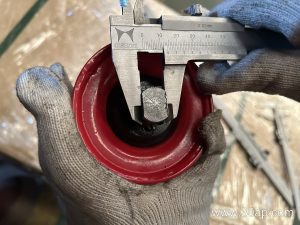
Carbon steel pulleys are built around a shaft sized by torque and load, not simply by belt width. Common shaft diameters include Ø80, Ø100, Ø120, Ø140, and Ø160, but final selection depends on the drive power and radial load. The shell is usually machined to a slight crown to help the belt track centrally. Surface finish varies by application: plain finish for light contact, rubber lagging for grip, and ceramic or diamond lagging for high-traction drives. Lagging thickness commonly ranges from 8 mm to 20 mm.
Typical dimensions include shell widths such as 500 mm, 650 mm, 950 mm, 1150 mm, and 1400 mm, often matched to belt widths like B400, B650, B800, B1000, and B1200. A carbon steel pulley may be supplied as a drive pulley, tail pulley, bend pulley, or tension pulley, each with a different role. Drive pulleys transmit power; tail pulleys return the belt; bend pulleys redirect the belt path. These subtypes are not interchangeable, and the application dictates which one is needed.
Where It Fits in the Conveyor Line
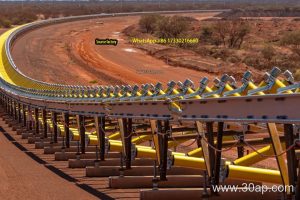
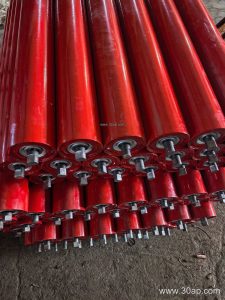
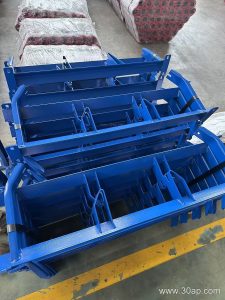
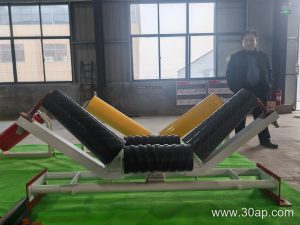
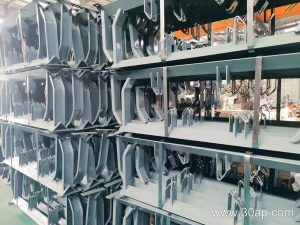
In a stone crushing plant, a carbon steel pulley works with an abrasion resistant conveyor belt to move crushed aggregate. In a coal mining operation, flame retardant conveyor belt and fire resistant conveyor belt grades are common, and the pulley must be robust enough for continuous service. The pulley also interacts with conveyor brackets and idler rollers to maintain belt alignment. A properly sized carbon steel pulley helps reduce belt edge damage and improves traction when lagged.
Key Parameters for Buyers
When specifying a carbon steel pulley, consider belt width, pulley diameter, shaft diameter, lagging type, and bearing size. The table below shows common reference values, but these are not universal fixed combinations.
- Belt width B500 – shell width about 600 mm
- Belt width B800 – shell width about 950 mm
- Belt width B1000 – shell width about 1150 mm
- Belt width B1200 – shell width about 1400 mm
- Pulley diameters commonly Ø200, Ø315, Ø400, Ø500, Ø630, Ø800, Ø1000
- Shaft diameters commonly Ø50, Ø60, Ø70, Ø80, Ø100, Ø120
- Lagging thickness commonly 8, 10, 12, 15, 20 mm
Do not assume one belt width matches only one pulley diameter. A B800 belt might run on a Ø500 pulley in one conveyor and a Ø630 pulley in another, depending on belt speed and tension. Shaft diameter must be calculated from torque and load, not derived from belt width alone.
Maintenance and Selection Notes
Inspect lagging wear regularly, especially in high-abrasion service such as iron ore or copper ore handling. Worn lagging reduces grip and can cause belt slip. Check pulley alignment with the conveyor bracket and idler roller frame. For cement plant and power plant coal handling, consider heat resistant conveyor belt and oil resistant conveyor belt properties where ambient conditions demand. A carbon steel pulley with proper lagging and shaft sizing will outlast underspecified alternatives in quarry, mining, and bulk port applications.