What the Ø133 Conveyor Idler Set Covers
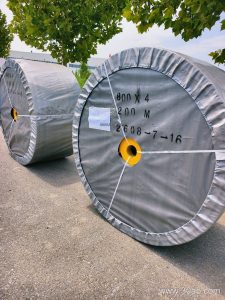
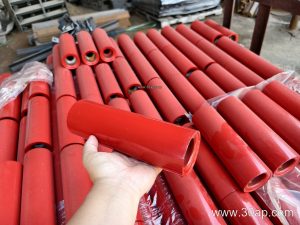
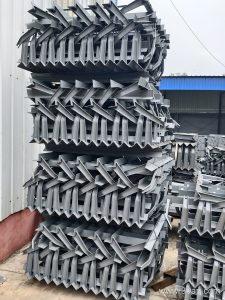
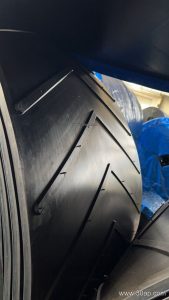
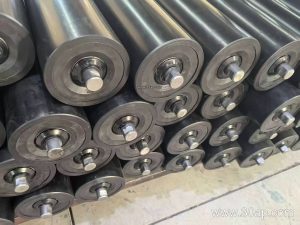
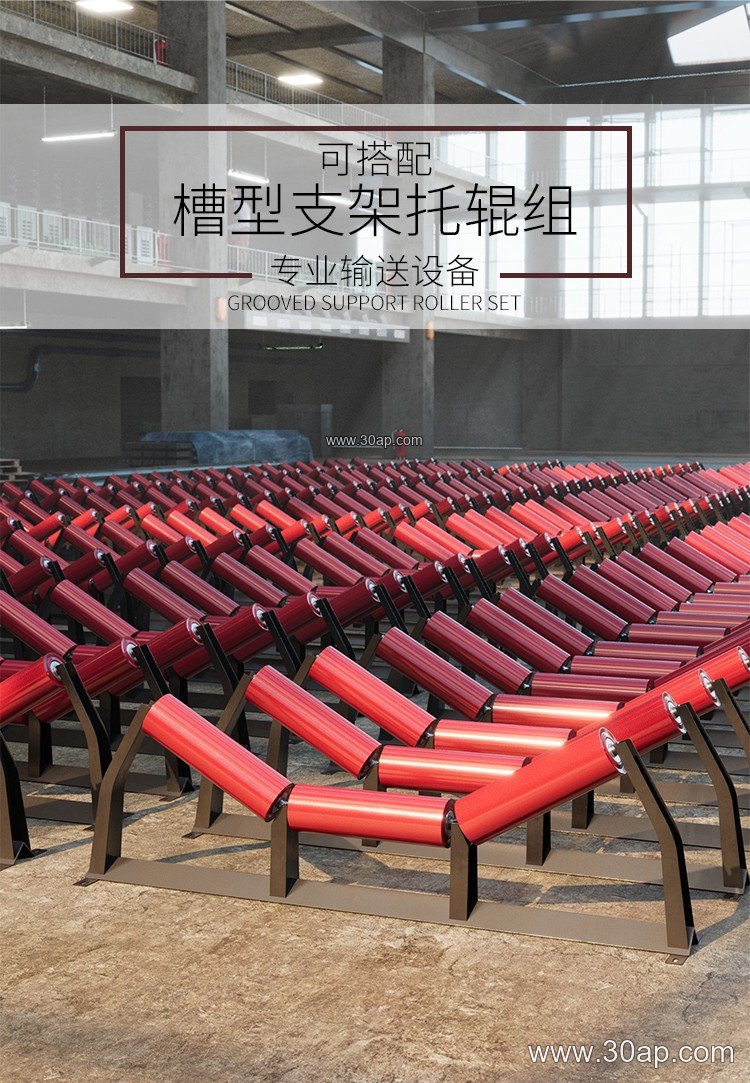
A Ø133 conveyor idler set is a group of idler rollers built around a 133 mm roll diameter, typically assembled as a three-roll troughing set for the carrying side of a belt conveyor. The set supports the conveyor belt and the load it carries, keeping the belt in a stable trough shape between the head and tail of the conveyor. In a typical aggregate or cement plant, the set may sit under an EP conveyor belt or a heavy-duty mining conveyor belt, depending on the duty. The rollers turn on bearings inside a sealed housing, and the whole assembly is held by a conveyor bracket or frame. The 133 mm size is a common middle-range diameter that suits medium to wide belts where load support and roll life matter.
How the Set Is Built
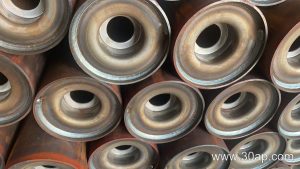
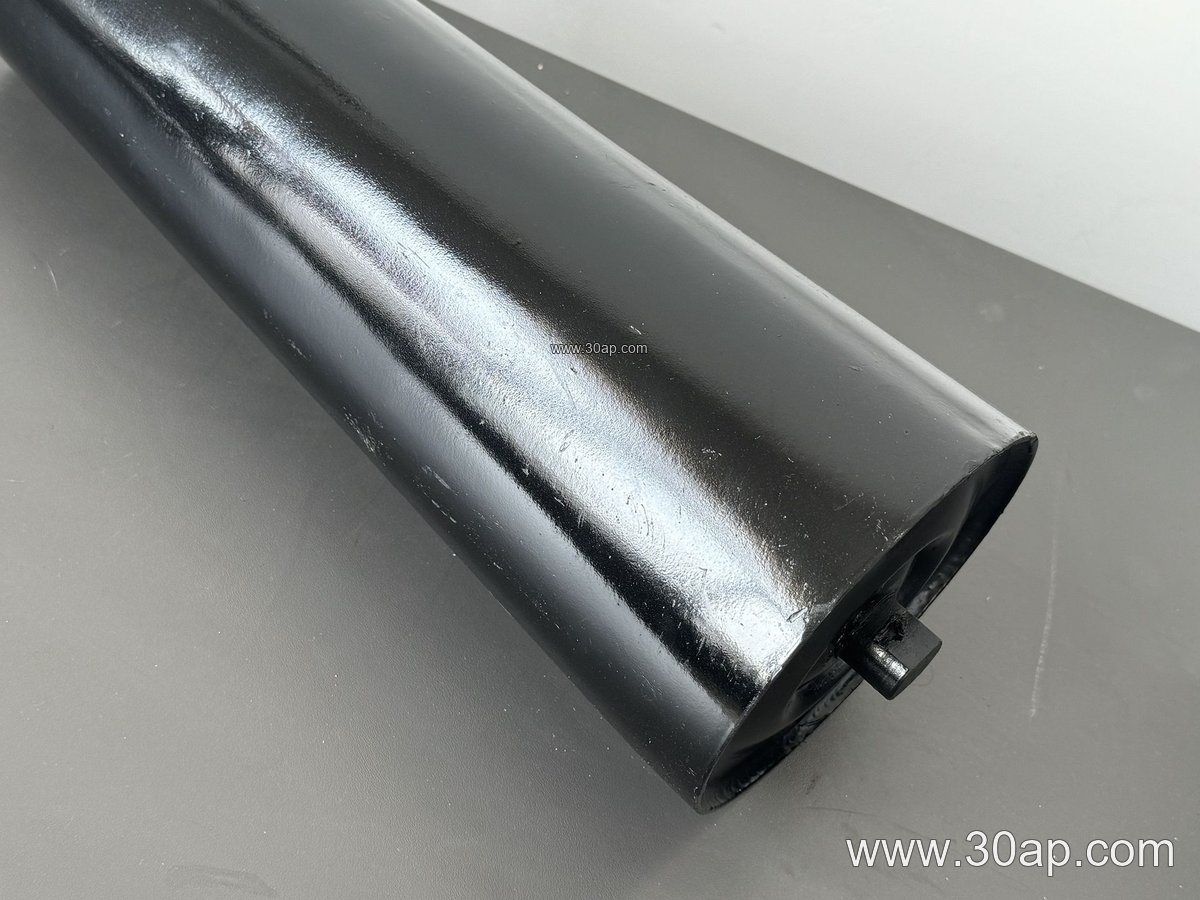
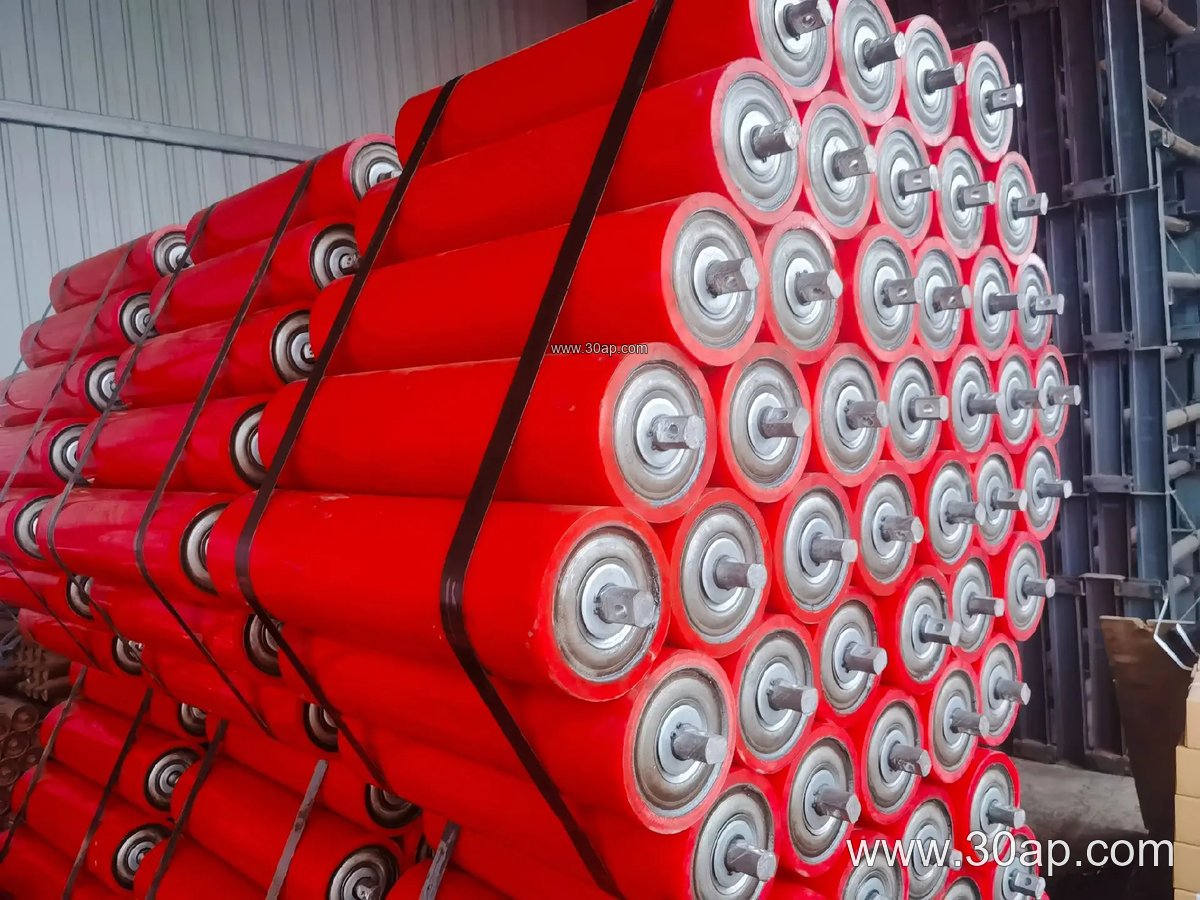
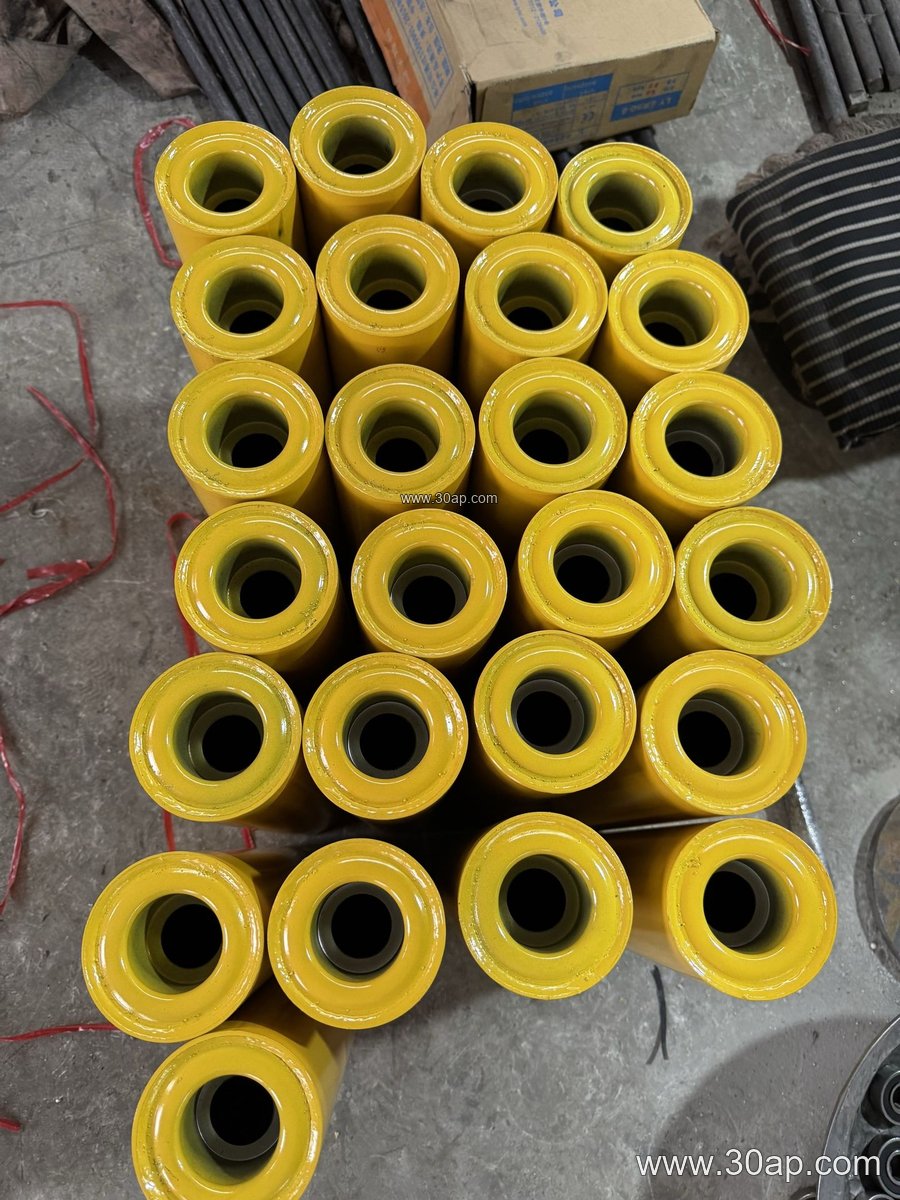
Each roller in the set usually has a steel tube shell, a shaft, bearing housings, and a sealing arrangement. The shell may be plain steel, nylon-coated, ceramic-covered, or fitted with rubber rings for impact absorption. Bearing sizes are selected by the idler manufacturer according to load and speed; common bearings include 6205, 6305, and 6306, but no single bearing is tied to one roll diameter. The set is normally supplied as a complete unit with a common shaft or as individual rollers that fit a standard bracket. Trough angles are commonly 20, 30, 35, or 45 degrees, and the roll length changes with belt width and trough form. For example, a three-roll set for B800 may use rolls around 315 mm long, while a B1200 set may use rolls around 465 mm. These are common examples, not fixed rules; side rolls and center rolls can differ.
Where It Fits on the Conveyor
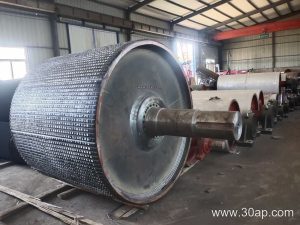
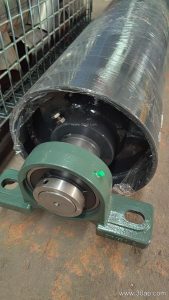
The Ø133 conveyor idler set is most often used on the carrying run of a belt conveyor in the quarry, limestone, and iron ore sectors, as well as in coal washing plants and power station coal handling. It is not a drive pulley, tail pulley, or bend pulley, and it should not be confused with those components. A drive pulley transmits power, a tail pulley returns the belt, and a bend pulley changes belt direction; the idler set only supports the belt. In a typical stone crushing line, the set may carry a chevron conveyor belt or a corrugated sidewall conveyor belt where material is loaded. In a port or ship loading system, a wider belt such as 1400 mm or 1600 mm may use the same roll diameter with longer rolls and a heavier frame.
Common Configurations and Dimensions
Buyers often compare troughing sets by roll diameter, roll length, trough angle, and bearing size. The table below gives common reference values for a Ø133 set; actual supply should be confirmed against the conveyor design.
| Item | Common reference |
|---|---|
| Roll diameter | Ø133 mm |
| Set form | Three-roll troughing, two-roll, or single-roll |
| Trough angle | 20°, 30°, 35°, 45° |
| Belt width examples | B800, B1000, B1200, B1400, B1600 |
| Roll length examples | 315 mm, 380 mm, 465 mm, 530 mm, 600 mm |
| Bearing examples | 6205, 6305, 6306, 6308 |
| Roll surface | Steel, nylon, ceramic, rubber ring |
For a B1000 conveyor carrying a 1000mm wide conveyor belt, a 380 mm roll is a common example, but the final length depends on the trough angle and the bracket design. A 1200mm wide conveyor belt may use a 465 mm roll in a 35-degree set, while a 1500mm wide conveyor belt may use longer rolls and a heavier shaft. The set should be matched to the belt width and the load, not selected by belt width alone.
Selection and Maintenance Notes
When choosing a Ø133 conveyor idler set, check the belt width, the trough angle, the material lump size, and the operating environment. In a coal mine, a flame retardant conveyor belt or fire resistant conveyor belt may be used, and the idler set should be compatible with the belt and the local safety requirements. In a cement plant, heat resistant conveyor belt may be present near kiln discharge, and the idler bearings should be protected from dust and heat. In a fertilizer or food plant, an oil resistant conveyor belt or food grade conveyor belt may be used, and the roller surface should be clean and non-contaminating. Maintenance teams should check for seized rollers, worn shells, and damaged seals; a failed roller can wear the belt and increase power draw. The set should be inspected together with the conveyor pulley and the conveyor bracket, because misalignment at any of these points affects belt tracking.
For more information on idler sets, conveyor rollers, and related components, visit www.example.com/conveyor-idler and www.example.com/conveyor-roller.